Birding in the Lowcountry: How Bird Photography Became My Creative Outlet
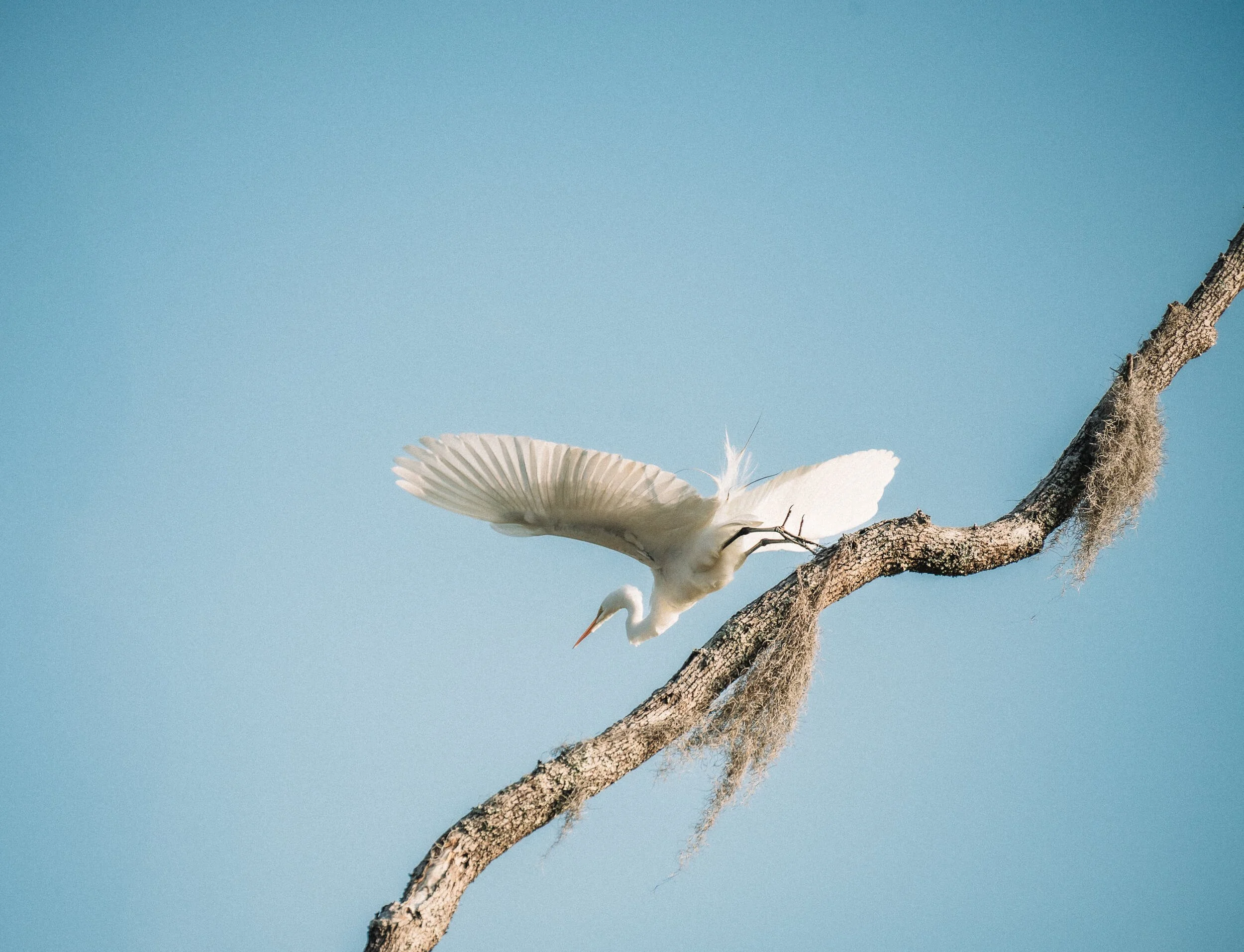
A Great Egret taking flight from the cypress trees in the Magnolia Plantation Swamp Garden.
If you had told 30-year-old Amy that I’d spend my Saturday mornings in search of cedar waxwings, I would have laughed. But the Lowcountry has a way of changing you.
I love photography at its most basic level. Documenting life. Freezing a moment. Seeing something simple and thinking, that would make a great photo. Before it was my profession, it was how I held onto my own life: my kids on the couch with a favorite blanket, a sippy cup nearby, and a bowl of dry Cheerios in their lap. Nothing staged. Just an ordinary moment.
As my children grew, my photography evolved and eventually became a business. That constant desire to document what was unfolding around me, and an eye for subtle details, created opportunities for me to work with families outside of my own. I’ve always been interested in photographing what feels real and visually compelling, regardless of the subject or who it was.
In 2022, shortly after moving to the Charleston area, that same observant eye discovered bird photography. It has since become my favorite way to spend my free time and my creative reset. You can explore that work in my Lowcountry nature photography collection.
How Birding Started for Me
I never imagined I would become a “birder.” I remember a friend’s husband who was really into it years ago (binoculars, guidebooks, the whole thing) and at the time, I thought it sounded incredibly boring.
It began one evening at Shem Creek. I went out to photograph the sunset and noticed a great egret standing just feet away. It wasn’t afraid of humans at all; it likely saw people as a food source, having grown accustomed to the bait from everyone fishing off the dock. I photographed it the same way I would a person, carefully composing the image and adjusting my position so I wouldn’t scare it off.
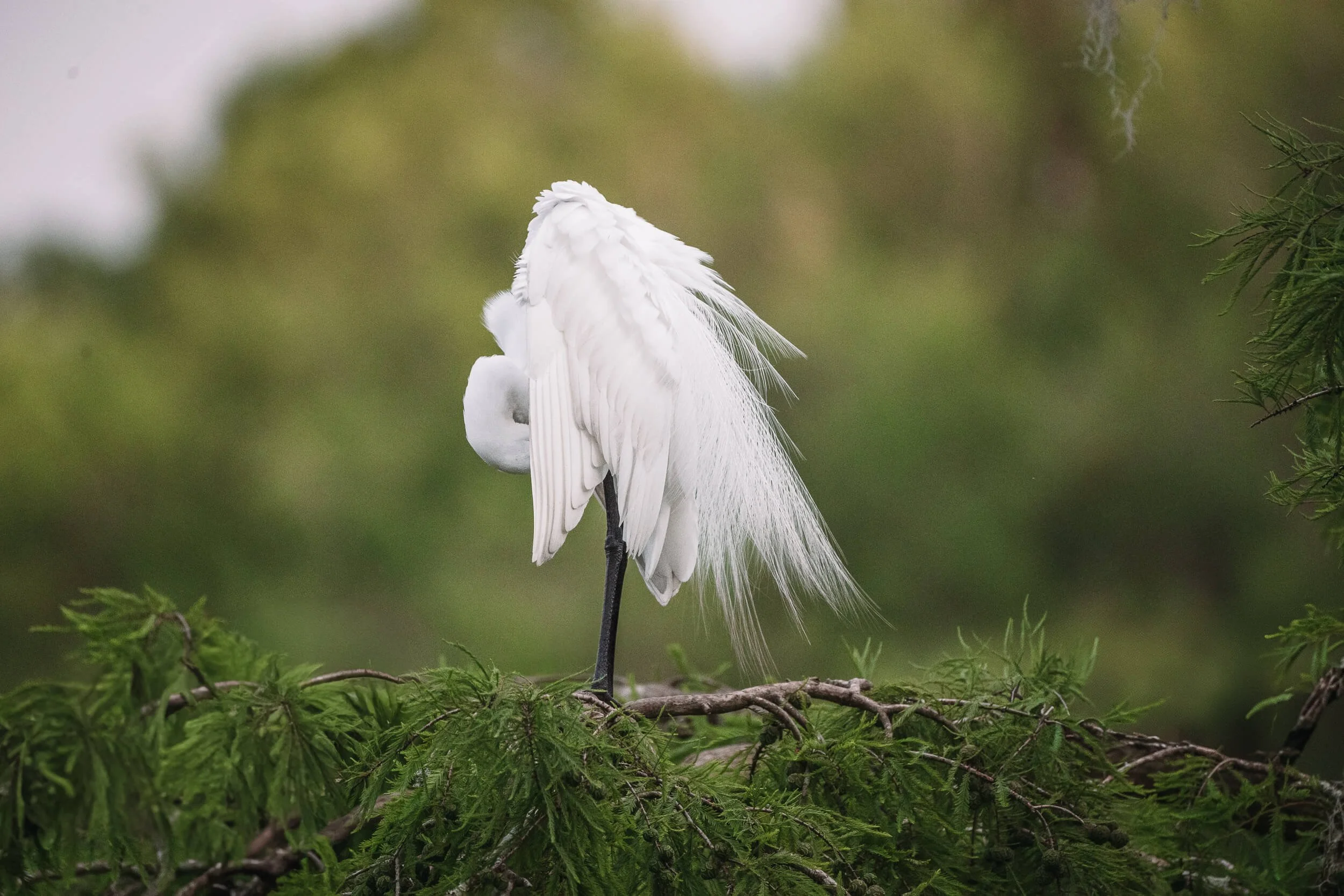
There is a quiet mystery in the Magnolia swamp—like this Great Egret tucked away in the cypress canopy, lost in the private ritual of preening its lacy plumage.
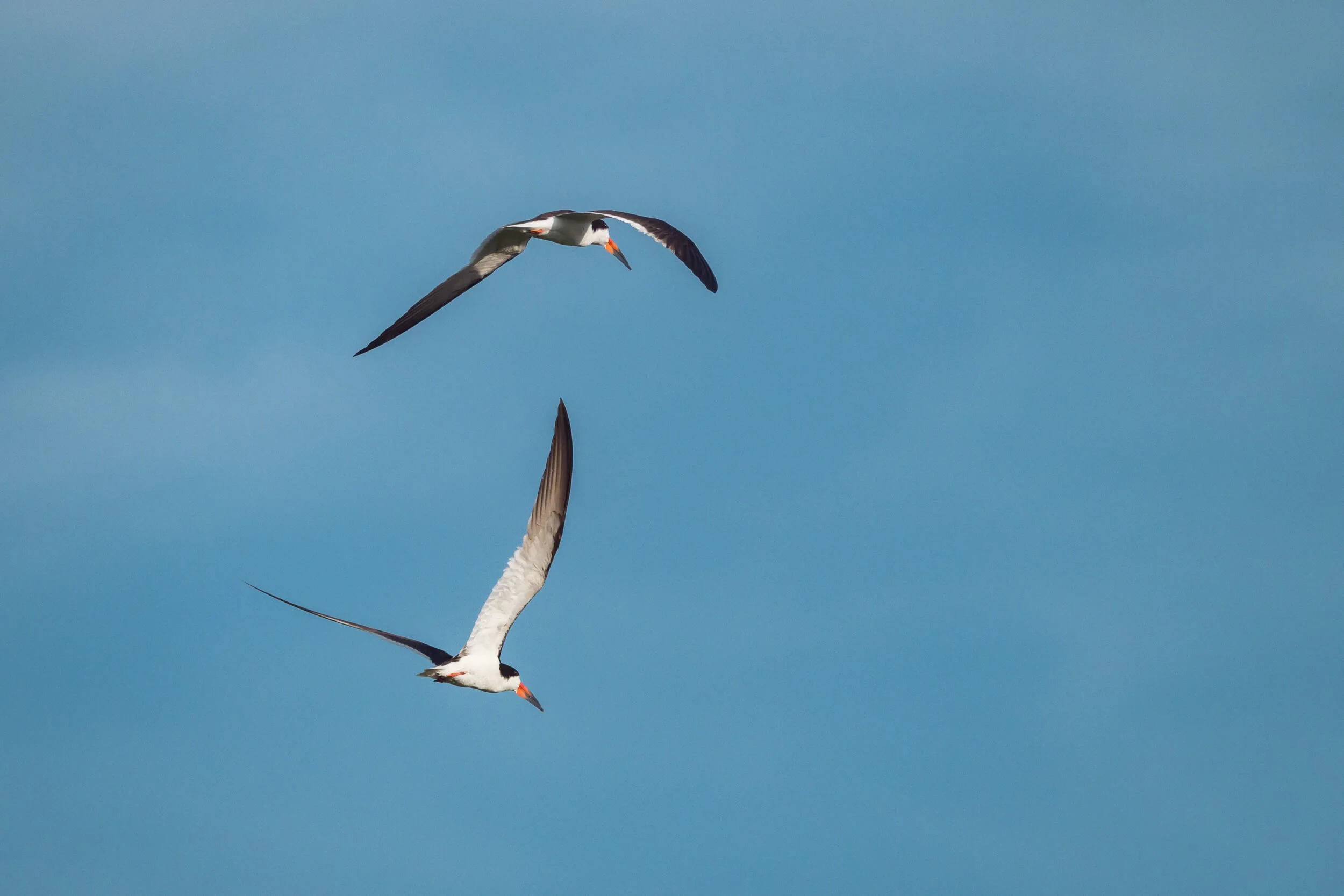
Two black skimmers in flight downtown Charleston.
That spark turned into a full-blown obsession in the summer of 2023 when I decided I had to find a roseate spoonbill, that beautifully unique pink bird often confused for a flamingo. I remember the repeated trips at low tide, scouting spots where I’d heard they were feeding, only to find nothing. The frustration was real, but it didn't deter me. Instead, it fueled the search. Finally, in the harsh midday light one afternoon, I spotted unmistakable pops of pink against the dense green foliage. In the rush of finally finding them, I took over 300 photos, many of them nearly identical frames.
Looking at those photos now, I recognize they are not shots I would capture today. My eye has become more selective, looking for better light or a cleaner background. However, I love what they represent: the excitement of finally discovering the bird I had spent days searching for. It’s a lot like the first photos I took as a family photographer, with stiff poses and busy backdrops. With any type of photography, you learn and grow, but that afternoon, I was officially hooked.
A quiet moment at the edge of a small pond in Charleston as two Roseate Spoonbills preen in the golden hour light.
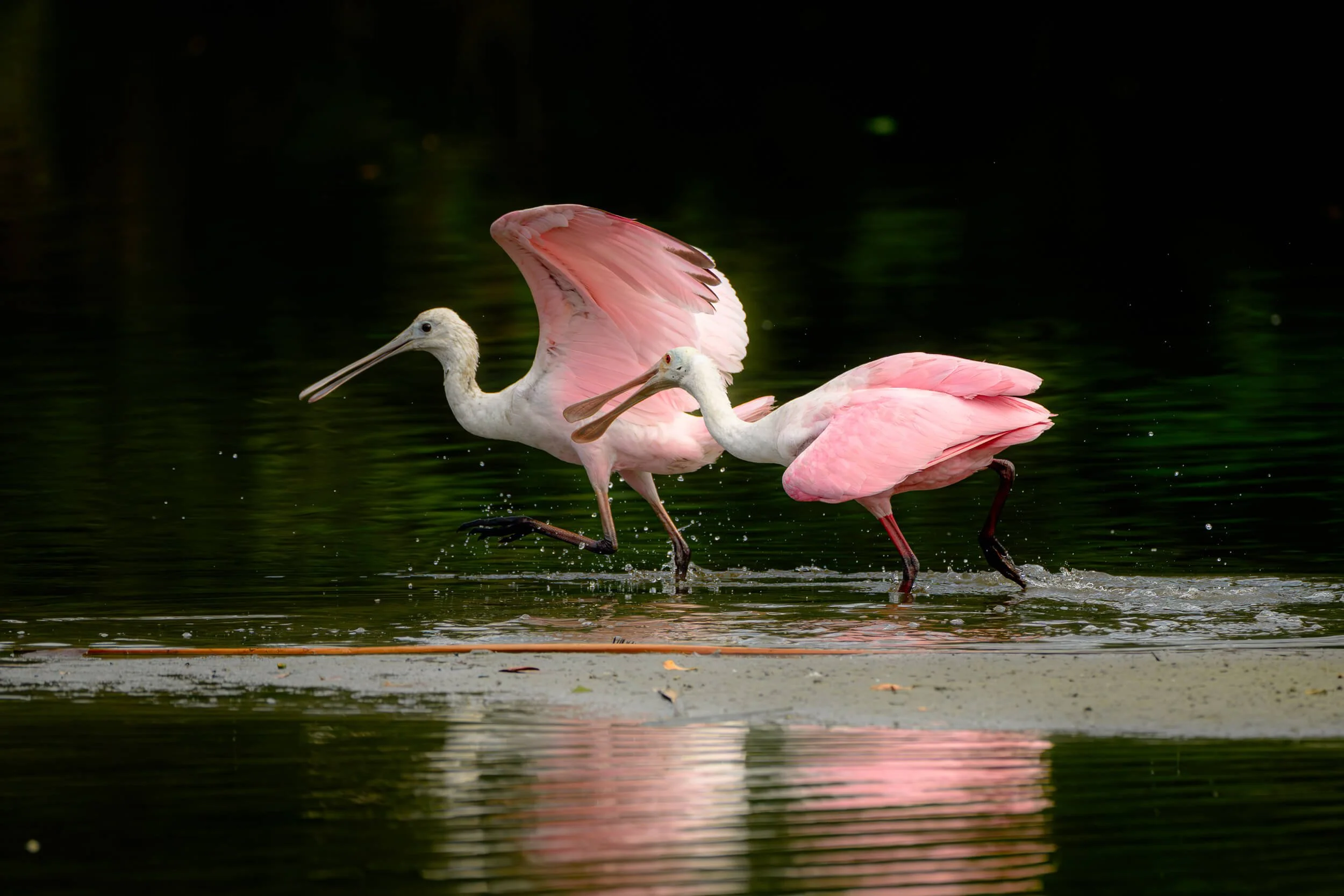
A dynamic moment captured in downtown Charleston and the more competitive side of these 'Pink Stars,' with one Roseate Spoonbill in a high-energy chase to ward off the other.
Why I Head Outdoors: The Pursuit of the Shot
Most people imagine a photographer’s life as a constant series of photo sessions. In reality, I spend the bulk of my professional hours at a desk editing, marketing, and managing the business. Bird photography is what pulls me away from the screen. It offers me the freedom to take risks and experiment with light for no one’s benefit but my own.
Every year brings a new focus. After focusing on the spoonbill and then the belted kingfisher, I am currently searching for the cedar waxwing. They are fast, social, and sleek. Capturing them requires a level of patience and planning and of course luck.
Enjoying these moments doesn't require a long trek. I find many of these birds just a few miles away in West Ashley, Mount Pleasant, or downtown Charleston. On days when I can disappear for longer, I head to the ACE Basin, Caw Caw Interpretive Center, or Beidler Forest to see what is moving in the trees or on the water. Recharging out in nature always gives me a fresh perspective and a boost of creativity for my professional work.
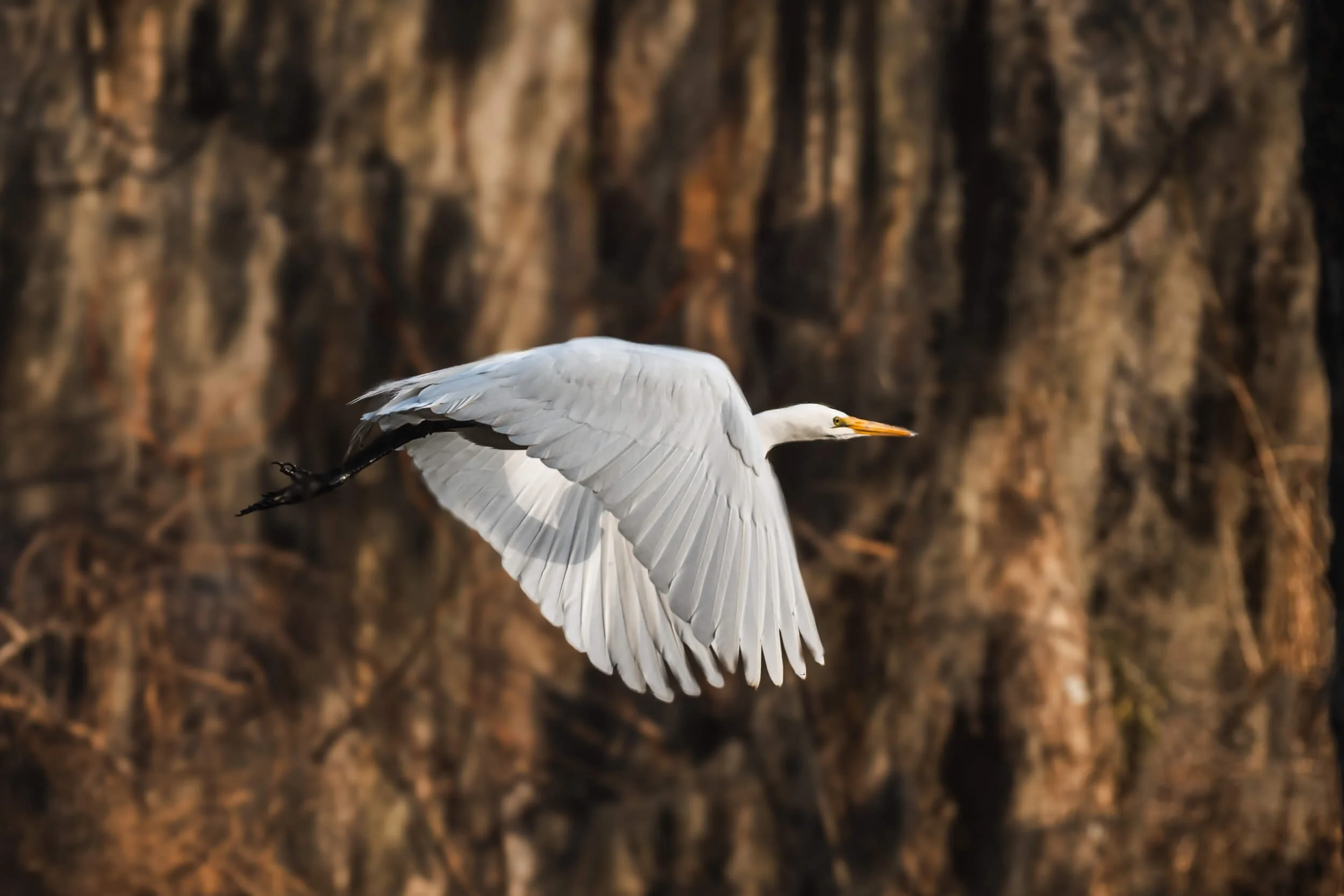
Great Egret showing off its incredible wingspan as it takes flight through the ancient cypress of the Magnolia Swamp Garden.
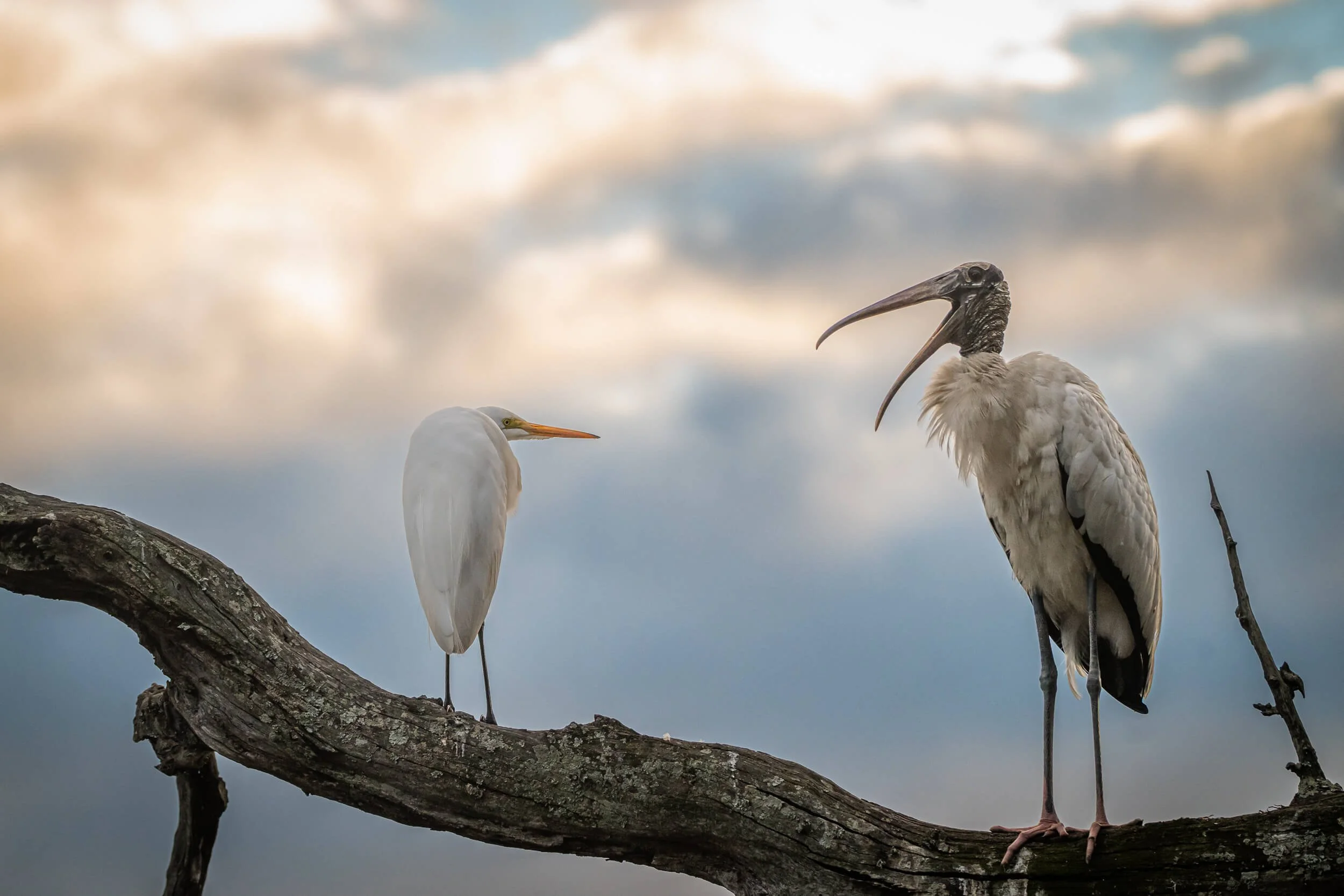
A peaceful golden hour encounter—a Great Egret and a Wood Stork perched together on a weathered branch at Magnolia Cemetery.
Gear That Grew With Me
In 2012, my husband gifted me my first zoom lens, a 70–300mm. At the time, I used it primarily to capture my young kids on the soccer and lacrosse fields. That lens laid dormant for a few years before I finally picked it back up for birding.
The 70–300mm was a good lens, but it didn't quite have the reach for detailed and close-up bird portraits. Instead, I focused on what I call “birdscapes,” which are photographs of birds within the context of their environment. I fell in love with that style; it felt more like storytelling than just a portrait.
After contemplating the Nikon 180-600mm lens for over a year, I finally made the investment in April of 2025. The extra zoom allows for incredible detail from a distance. I followed that with the purchase of the Nikon Z8 camera. Because the sensor captures nearly double the detail of my previous camera, I can zoom in even further during editing without the image becoming blurry or pixelated. This ability is critical when a bird is perched a couple of hundred feet away. While the camera's ability to automatically lock onto a bird has expanded what I am able to capture, it still takes a human eye and a lot of patience to find the right composition and create a compelling image.
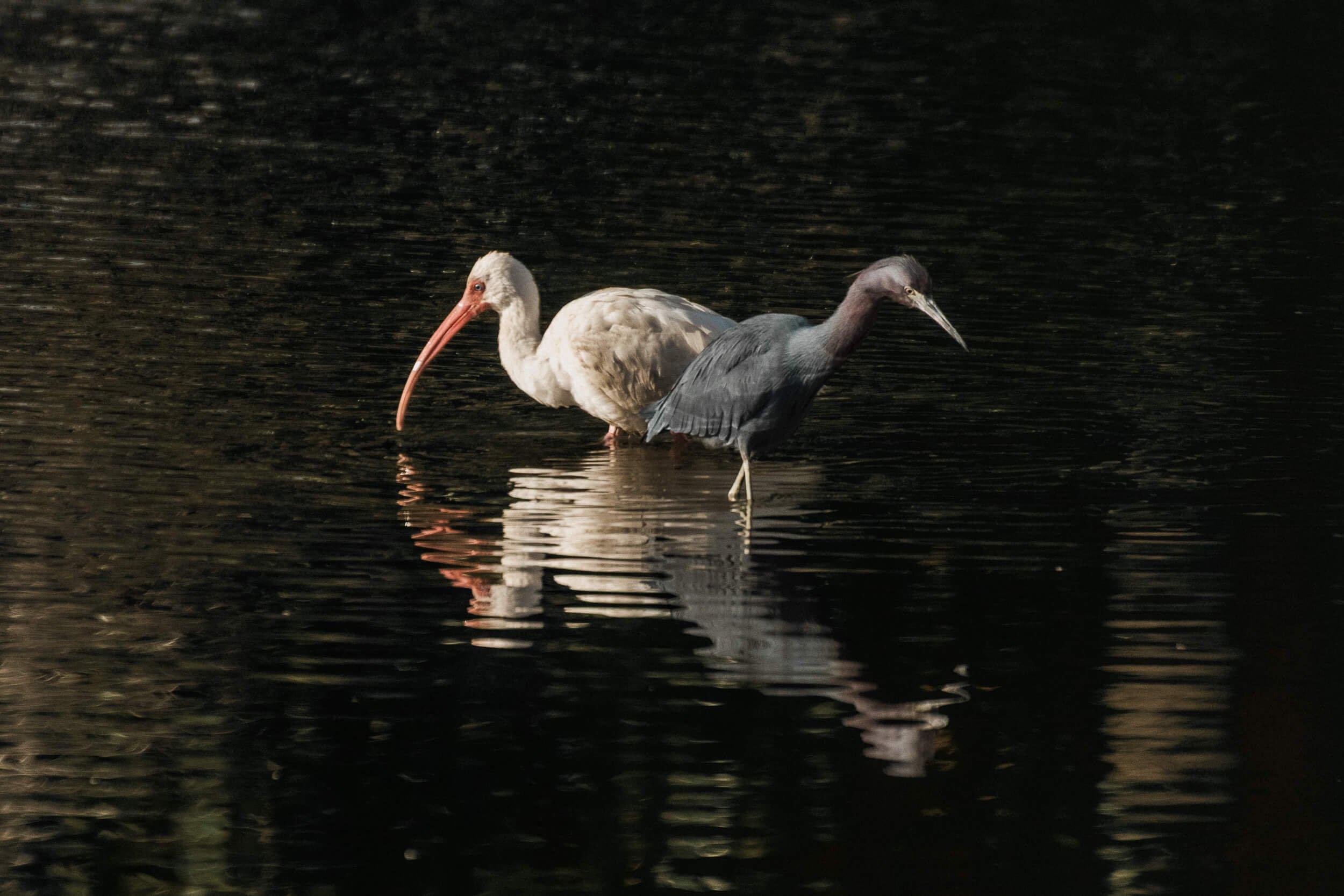
A White Ibis and a Little Blue Heron sharing a quiet moment wading through the shallow pond at Magnolia Cemetery.
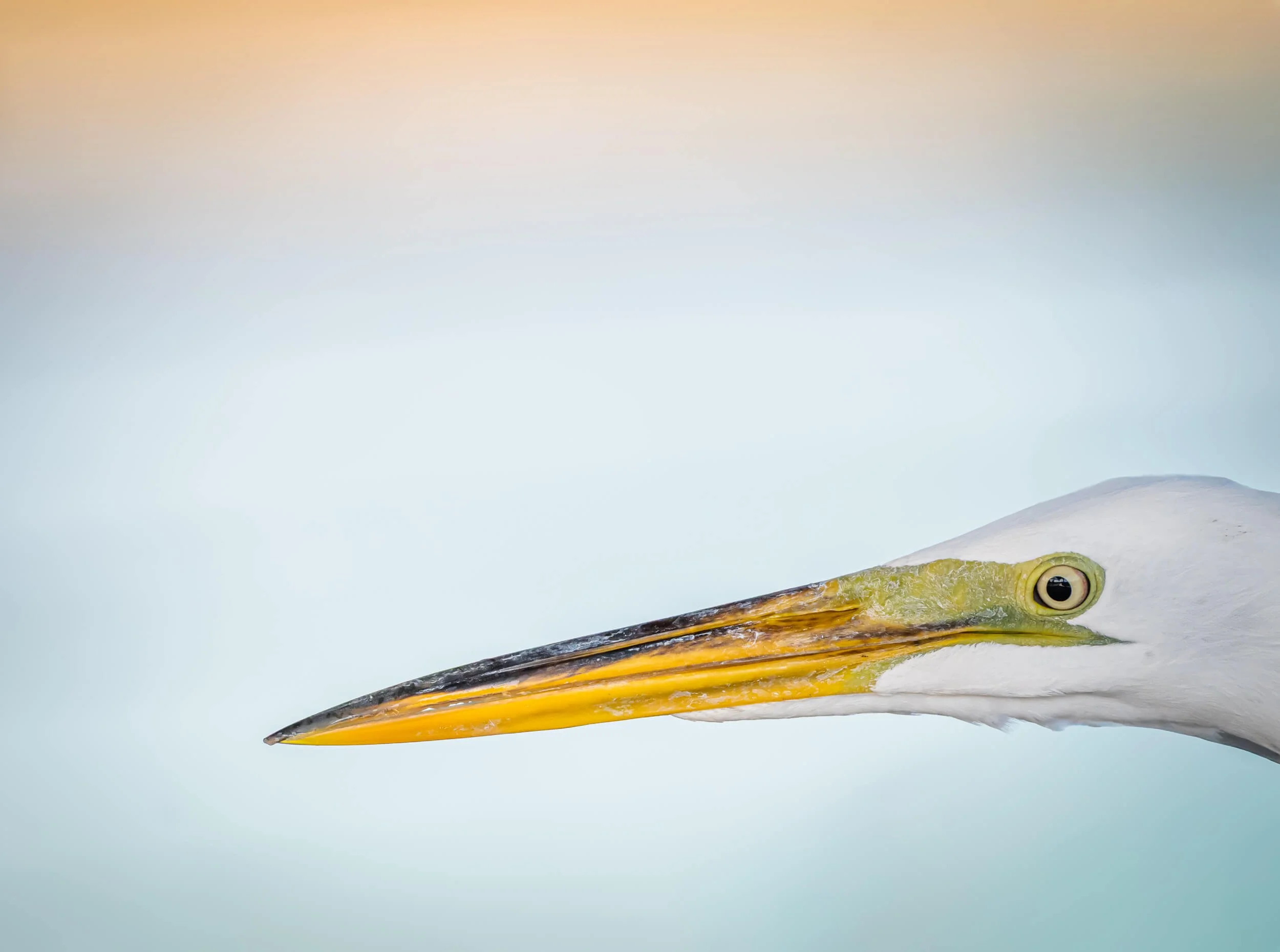
The sharp, focused gaze of a Great Egret at Shem Creek. Details of the beak and eye stands out against the soft evening light.
Finding the Story in the Ordinary: What My Time Outdoors Has Taught Me
I am an observer by nature; my eye is always scanning. Whether I’m in a marsh or on a shoot, I’m looking for subtle cues, like a shift in posture or a change in movement, that signal what is about to happen next. Birding has sharpened this sense of anticipation. It has taught me to think ahead and position myself thoughtfully rather than just reacting to the scene. Malcolm Gladwell’s "10,000-hour rule" suggests that mastery comes from deliberate, daily practice. Between professional sessions and hours spent in the field, I am constantly working toward that mark. Having a camera in hand nearly every day, whether tracking a kingfisher or a toddler, has sharpened my instincts in a way only repetition can.
But more than technical skill, this practice has taught me to slow down. I’ve learned the value of showing up to the same spots, watching how the light hits the marsh grass or the way the environment changes.
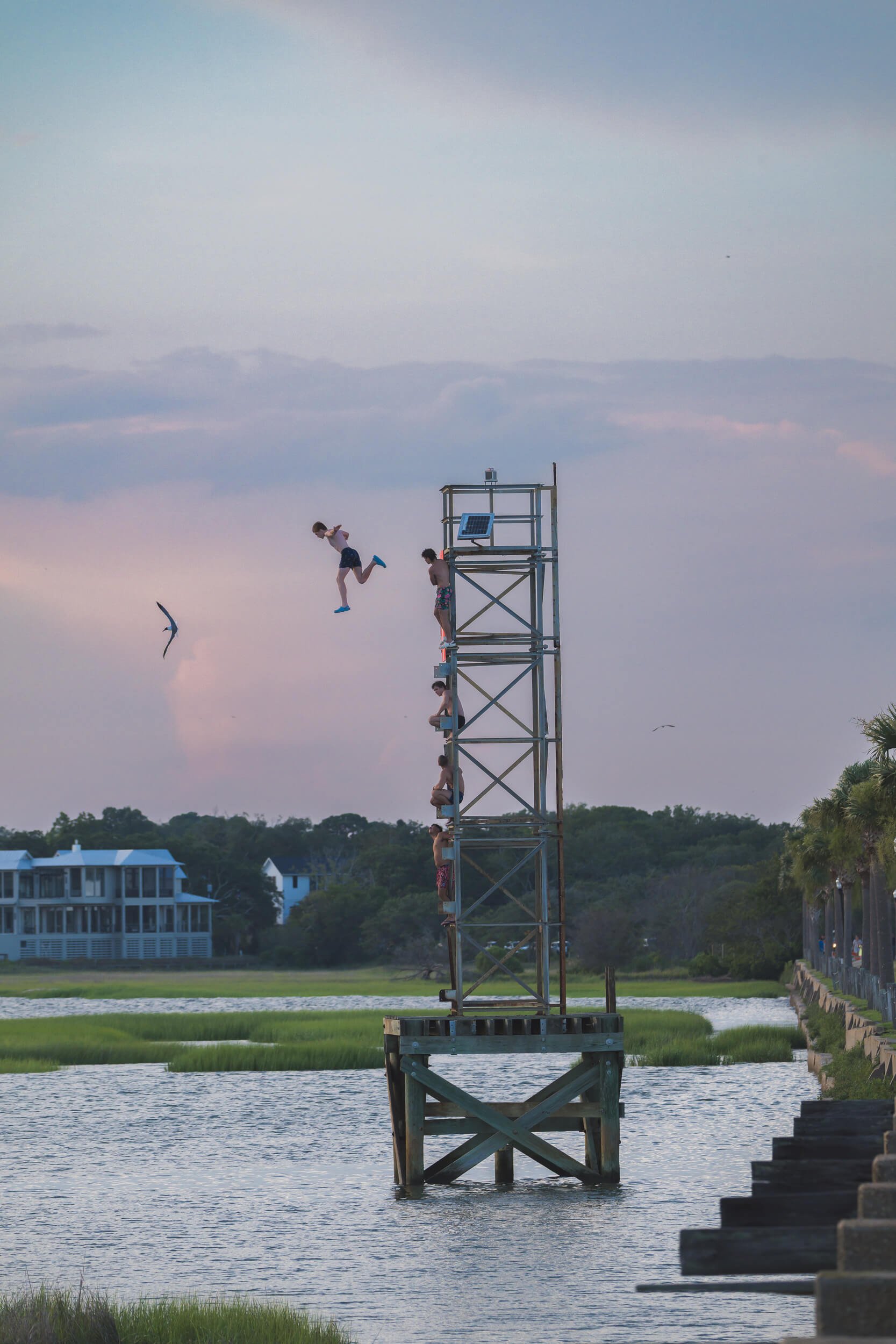
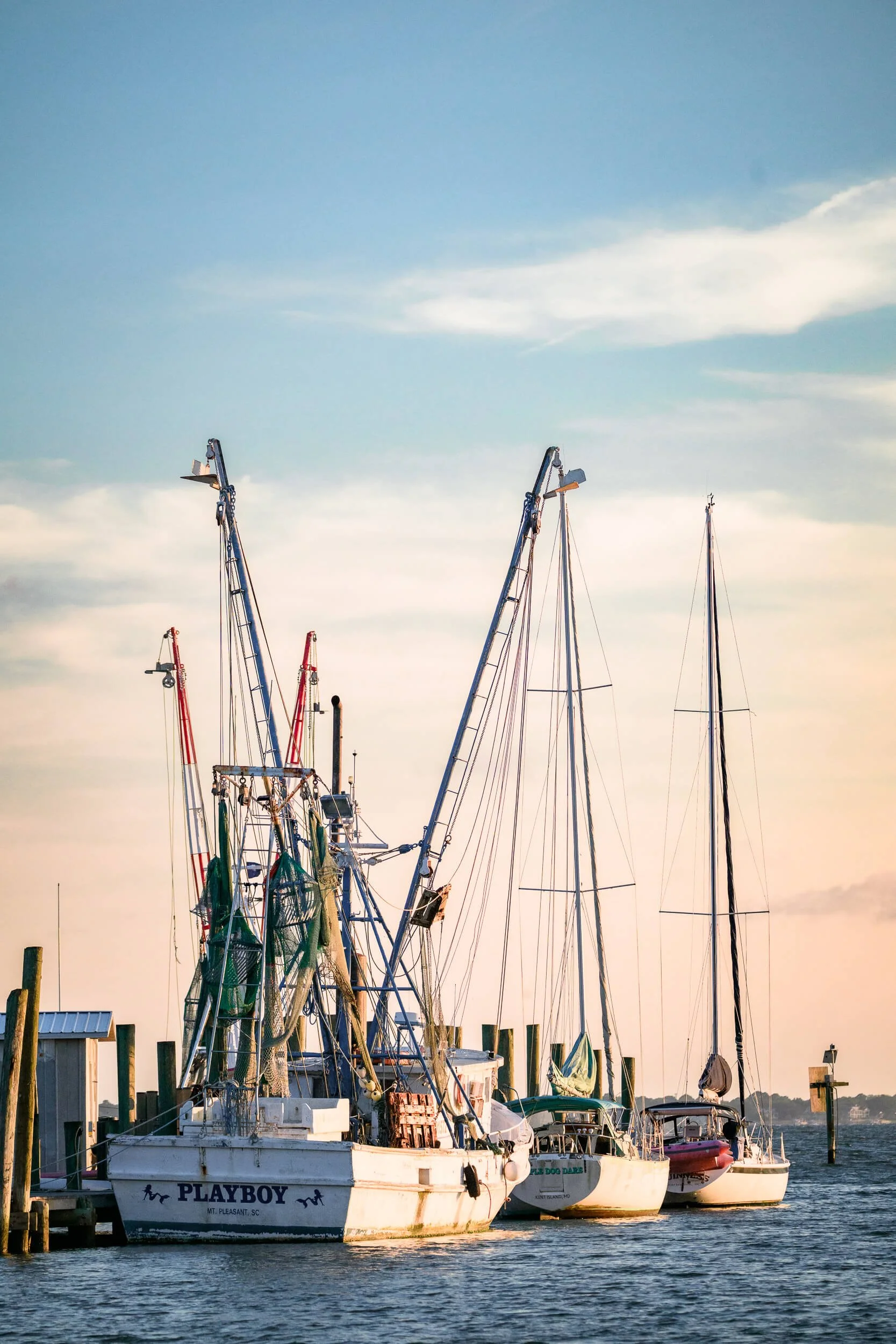
When the birds aren't showing up, I just shift my focus to whatever is happening around me: a group of friends jumping from a dock, the quiet geometry of docked shrimp boats, or the way the light hits a field of weeds. I’ve learned to find the drama in the ordinary and to appreciate the beauty in what is right in front of me. This mindset carries directly into how I photograph people: I am always scanning for the light, the composition, and the story, carefully documenting what I see.
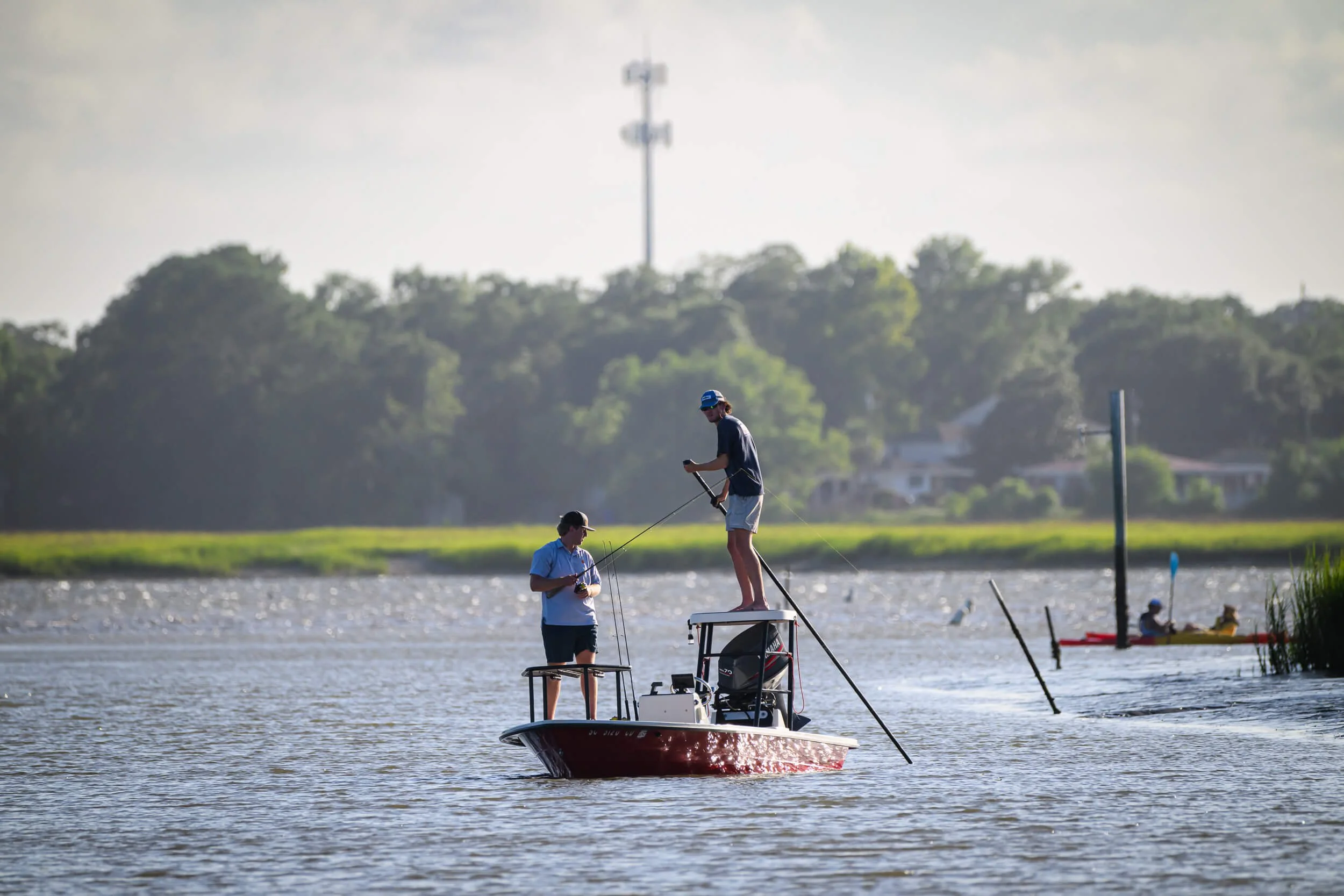
I went out searching for black skimmers, but the life and movement on the water caught my eye as well.
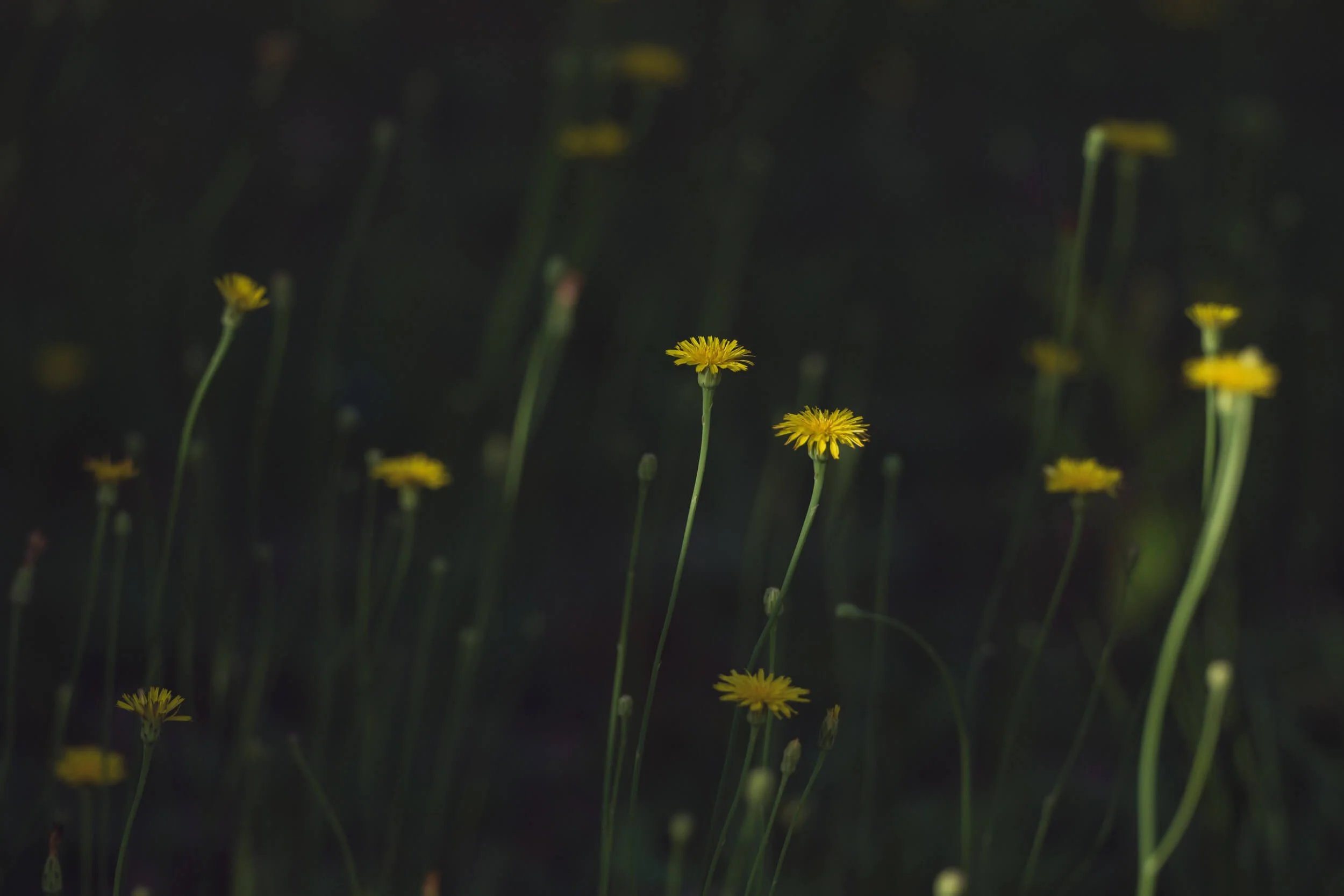
Ordinary magic: light adding drama to a group of dandelions in an overgrown field
Refining the Image
After I photograph a bird, I’m rarely 100% satisfied. In the editing process, I’m chasing a specific feel — the right light or perspective that invites you to pause and really see the bird. I critique every shot for light and movement, looking for the details that encourage someone to slow down and stay with the image a while.
I’ve also embraced a new rule to keep from getting bogged down: I only keep about twenty percent of what I capture. Culling is tedious, but it is a necessary part of the craft. It’s in those selective choices that I can really see my own progress — and in photography, that growth is constant.
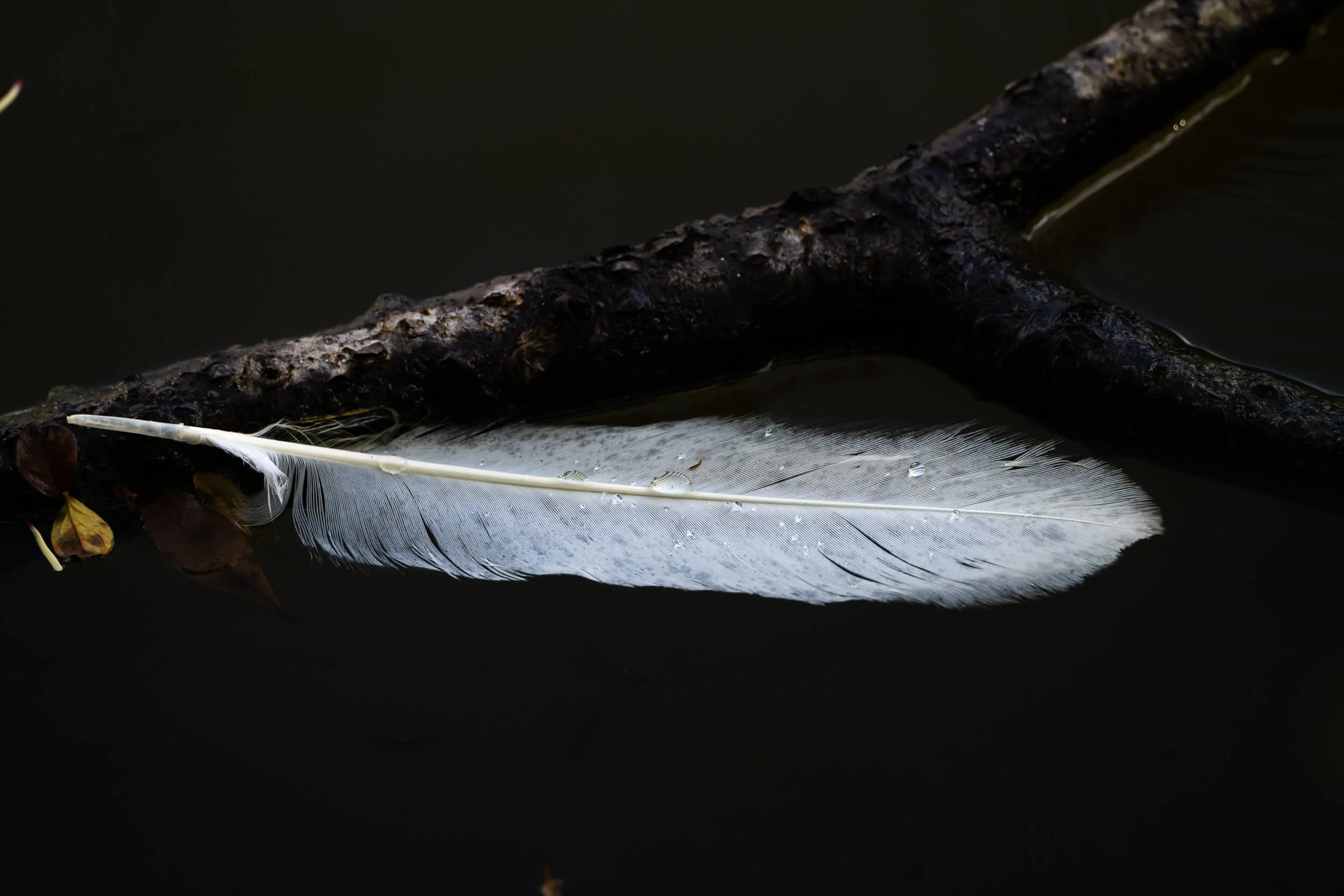
A soft reminder left behind—a single white feather resting on the edge of a quiet pond in downtown Charleston.
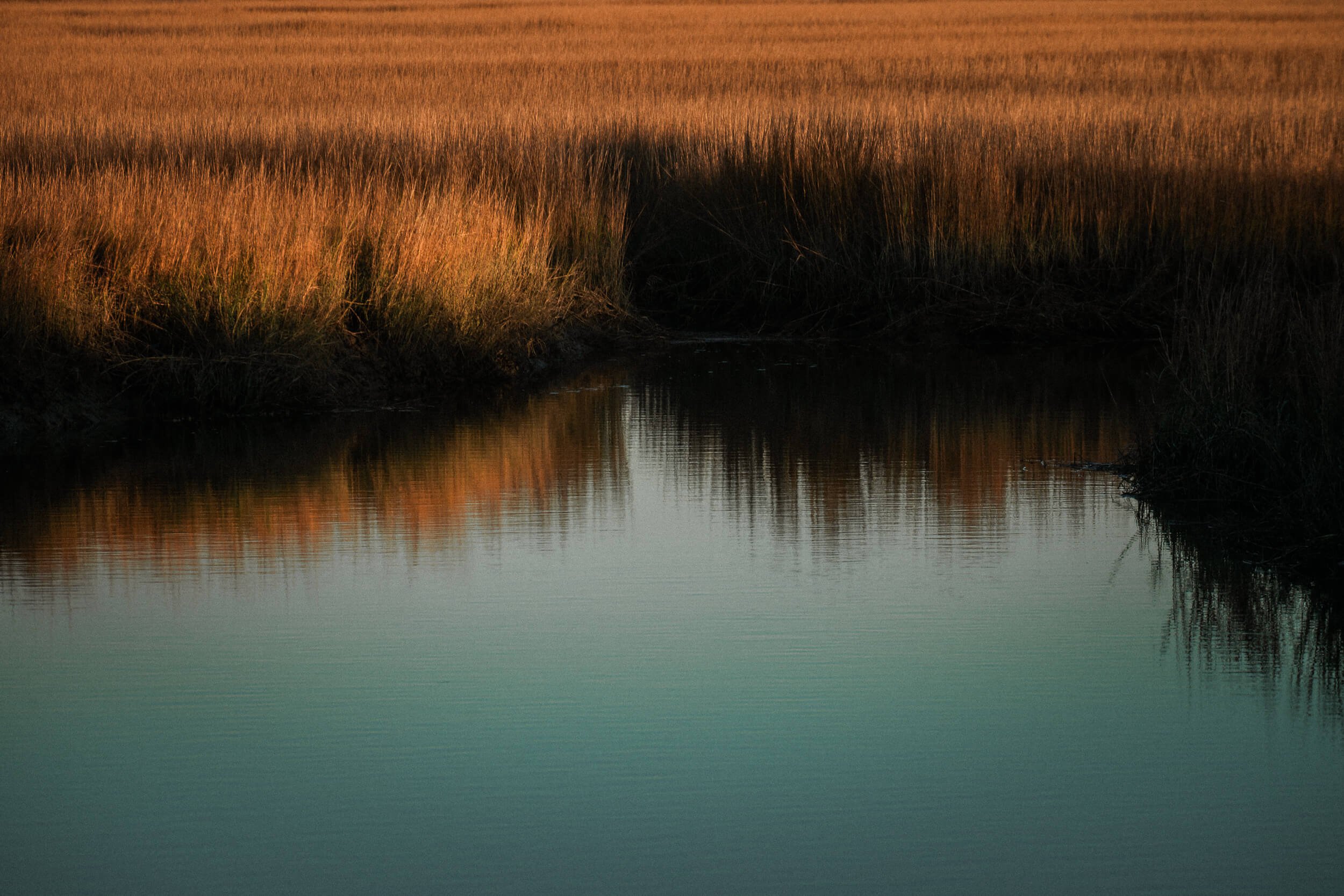
Sunset reflecting on the still tidal creek waters at Pitt St. Bridge in Mount Pleasant, SC
My Favorite Bird Photos from 2025
These images represent time spent outside learning, waiting, and paying attention. Birding reminds me to be present and notice the details that are so easy to overlook when we are distracted. The phone is away (except for when using the Merlin app) and there is no agenda. I enjoy the quiet effort of being an observer, focusing on the wildlife, the landscape, and the light right in front of me.
Birding is not for everyone, but having a creative outlet is something we all need. For me, it provides so much enjoyment to explore, learn, and keep creating simply because I love it. I’m looking forward to seeing what I capture this year as the seasons shift. For now, here are a few of my favorites from 2025.
View the full 2025 Birding Gallery here.
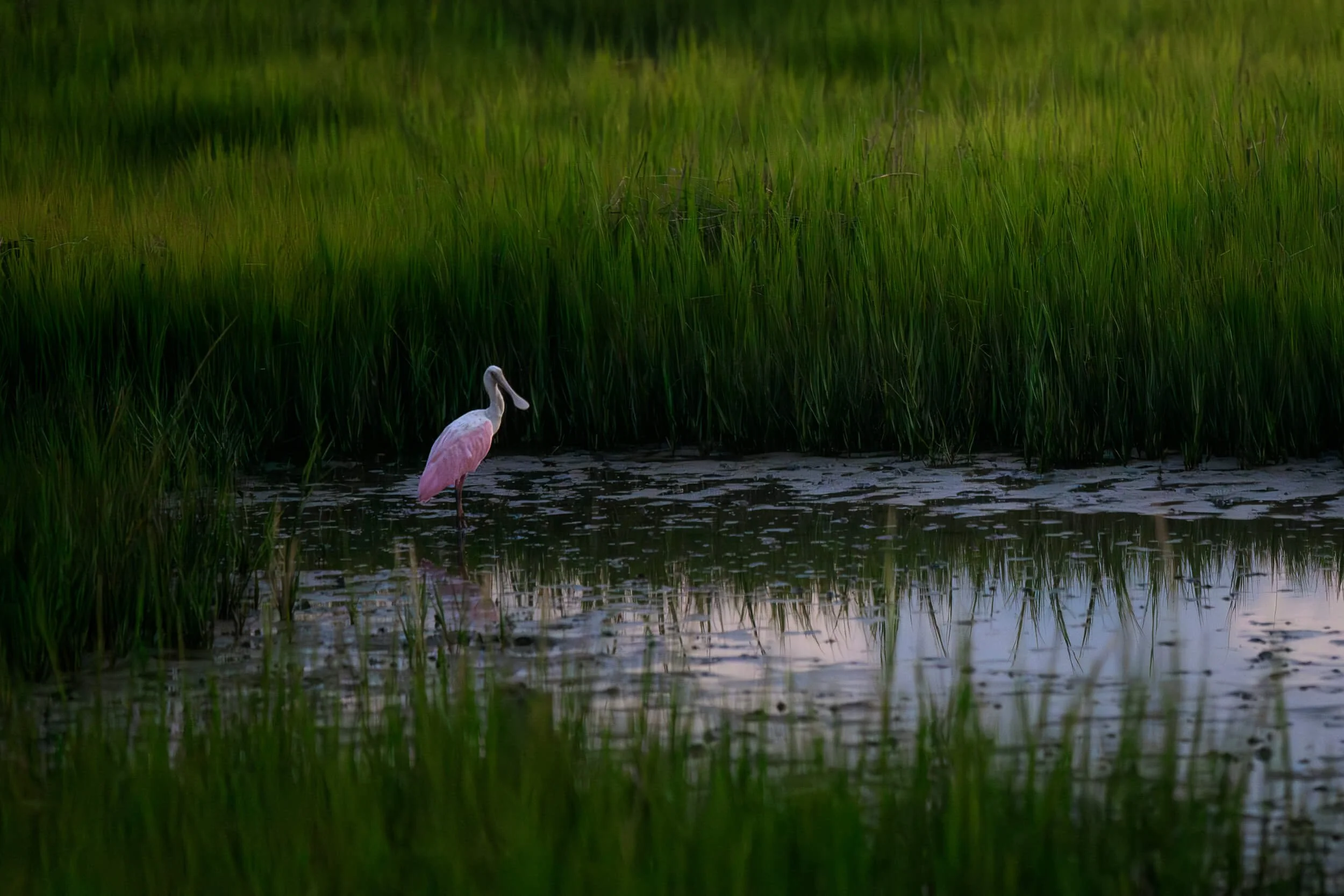
A vibrant flash of pink against the deep green marsh: a Roseate Spoonbill wading through the tidal shallows of Pitt St. Bridge at sunset.
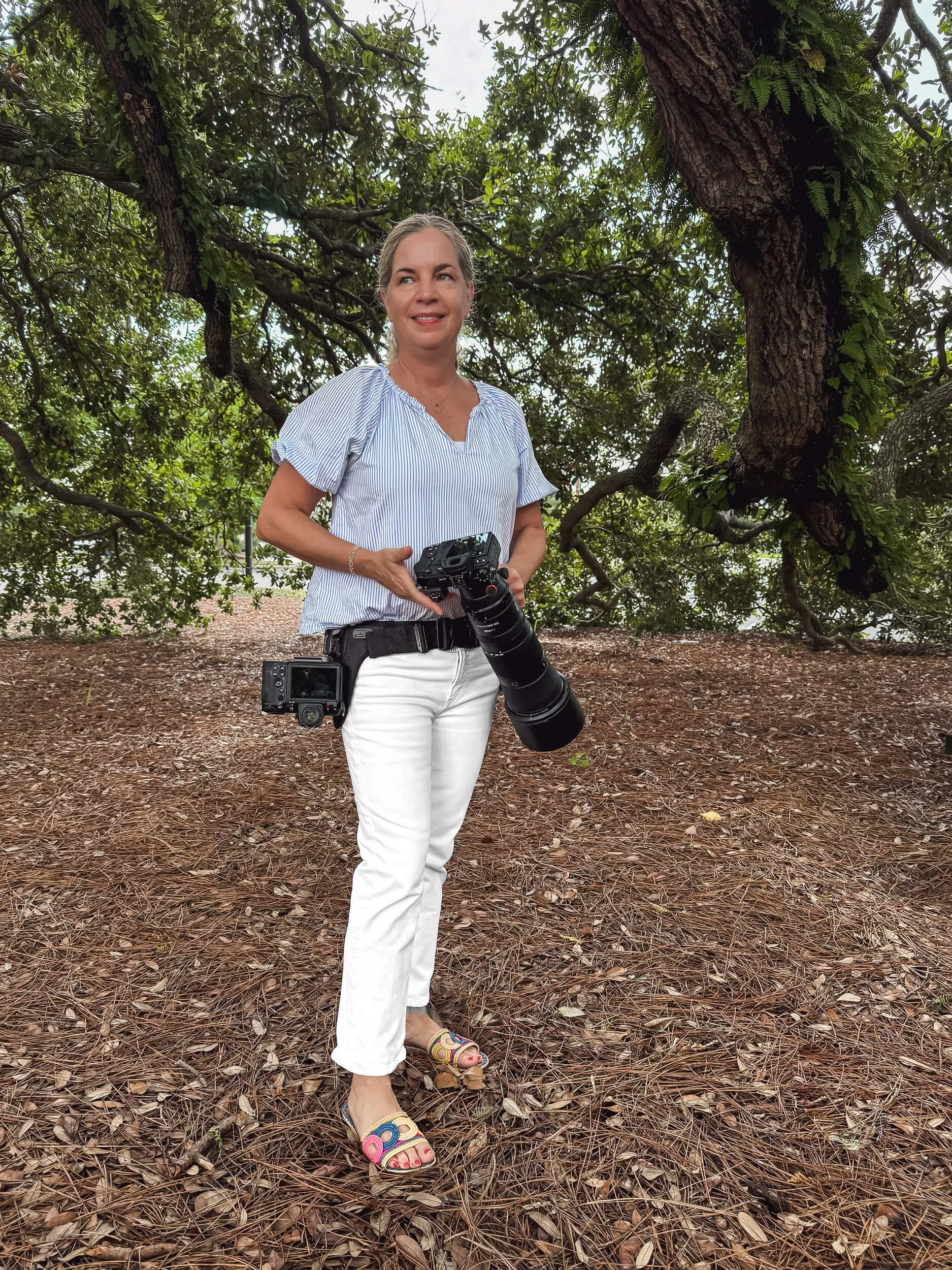
Follow along with my latest sightings on Instagram: @amyeileenhill
If you enjoy exploring the Lowcountry at the edges of the day, read my post about sunrise and sunset at the Pitt Street Bridge in the Old Village of Mount Pleasant — the marsh views, the bird activity, and why it's one of my most-visited spots year-round.