

Best of 2025: Lowcountry Bird & Wildlife Gallery
Exploring the marshes, swamps, and beaches of the Charleston area
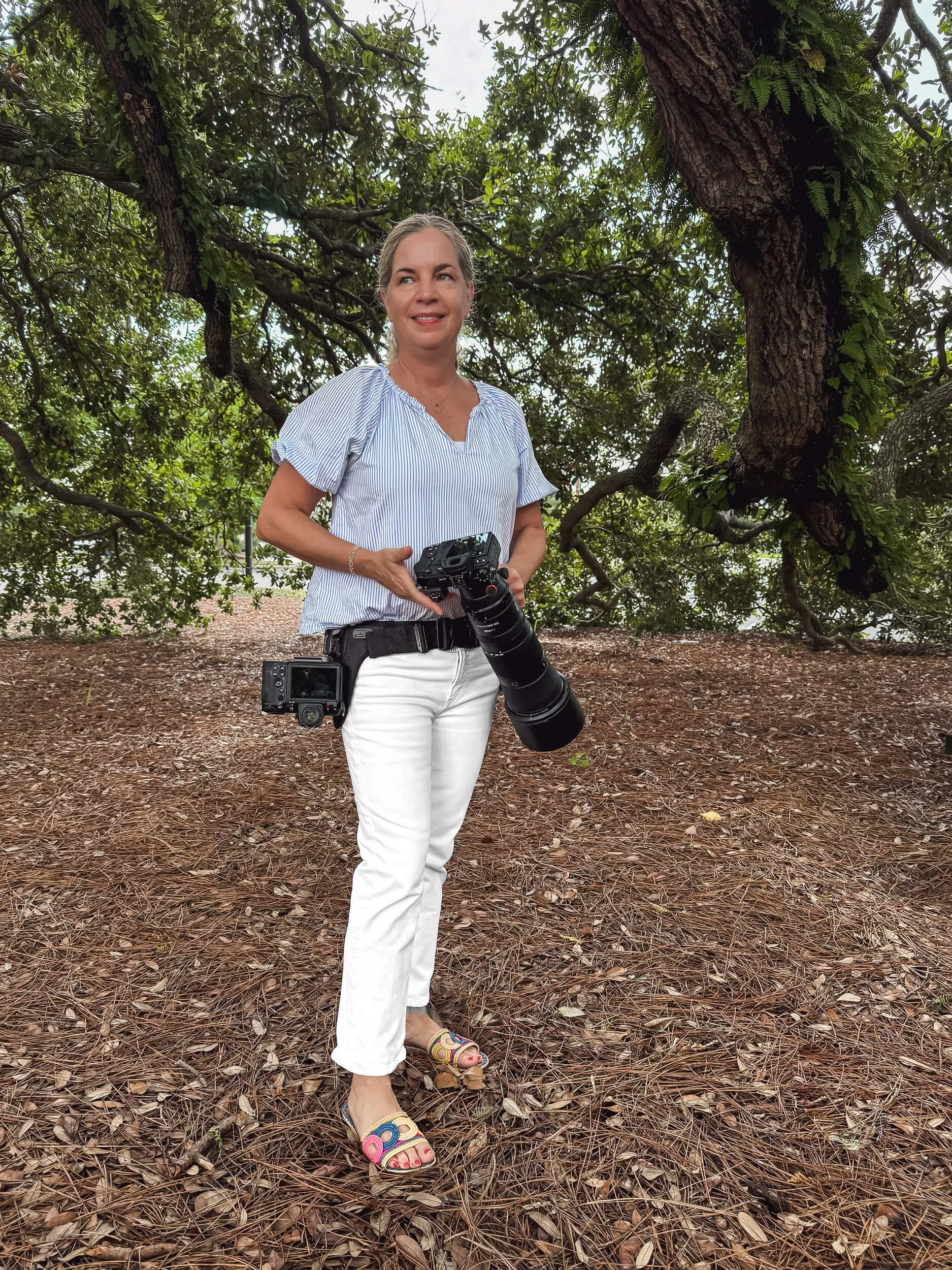
This collection is a look back at my favorite moments from 2025. I spent most of the year out in the marshes, swamps, and beaches around Charleston with my Nikon Z8 and 180-600mm telephoto lens, just trying to keep up with the wildlife that makes this area so special.
You'll see a bit of everything here—from the prehistoric look of the Wood Storks and the bright pink of the Spoonbills to the quiet grace of the Egrets. I also managed to catch some of the faster moments, like the way Kingfishers dart across the creeks.
To me, these 200+ photos are just my way of capturing the energy and the spirit you only find in the wild—even when that 'wild' is right in our own backyards. It’s beauty that’s waiting for you all around us, if you just take the time to look.
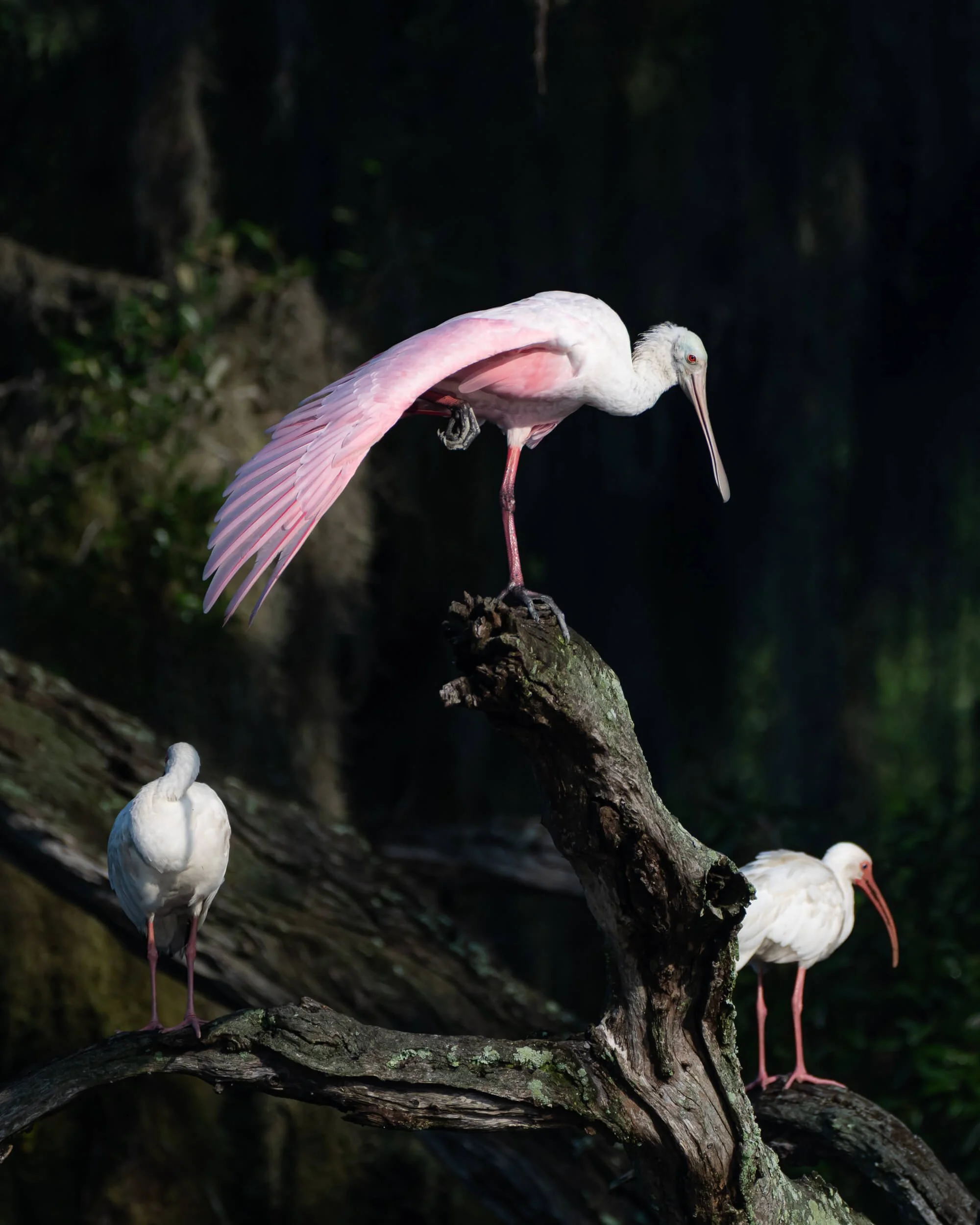
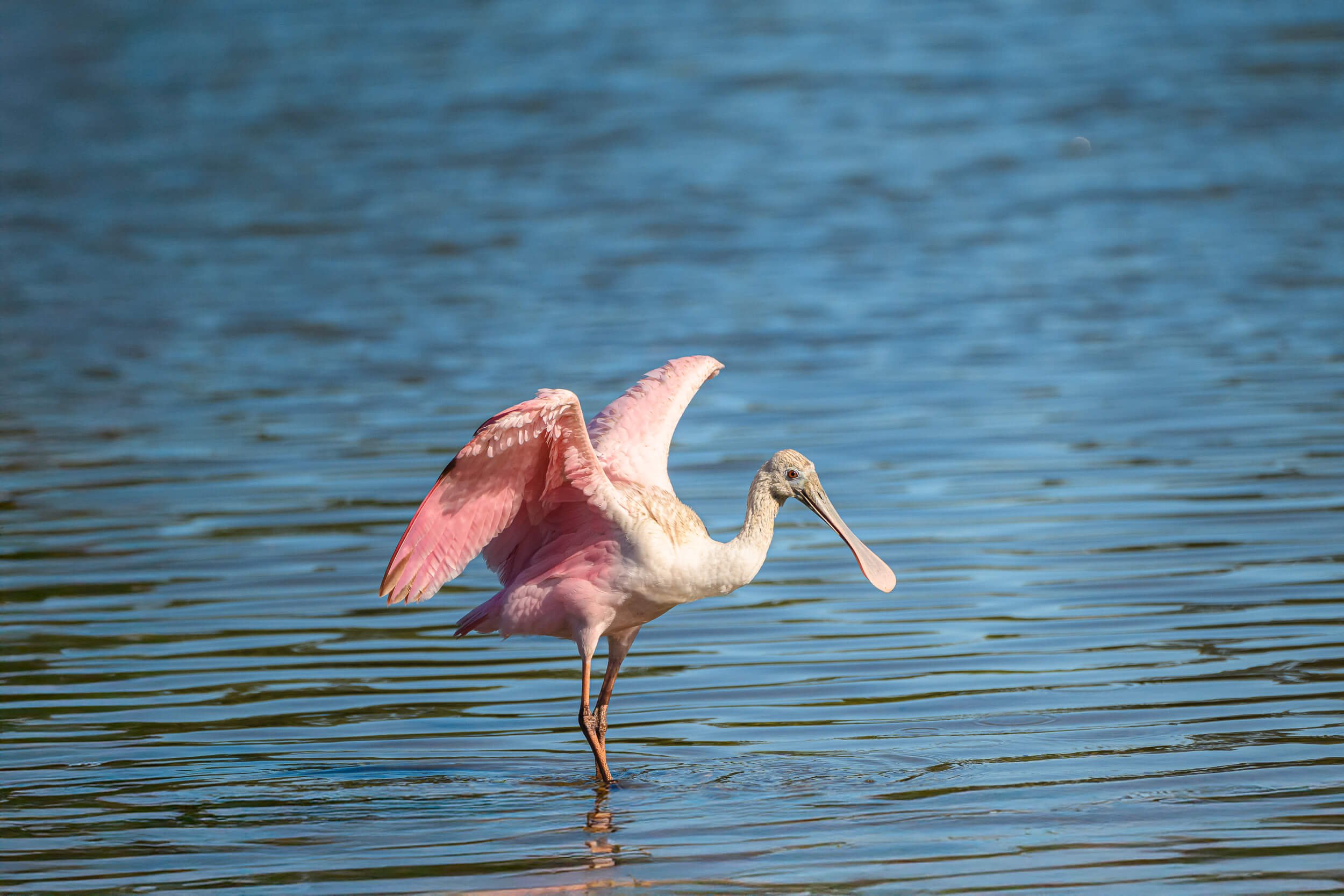
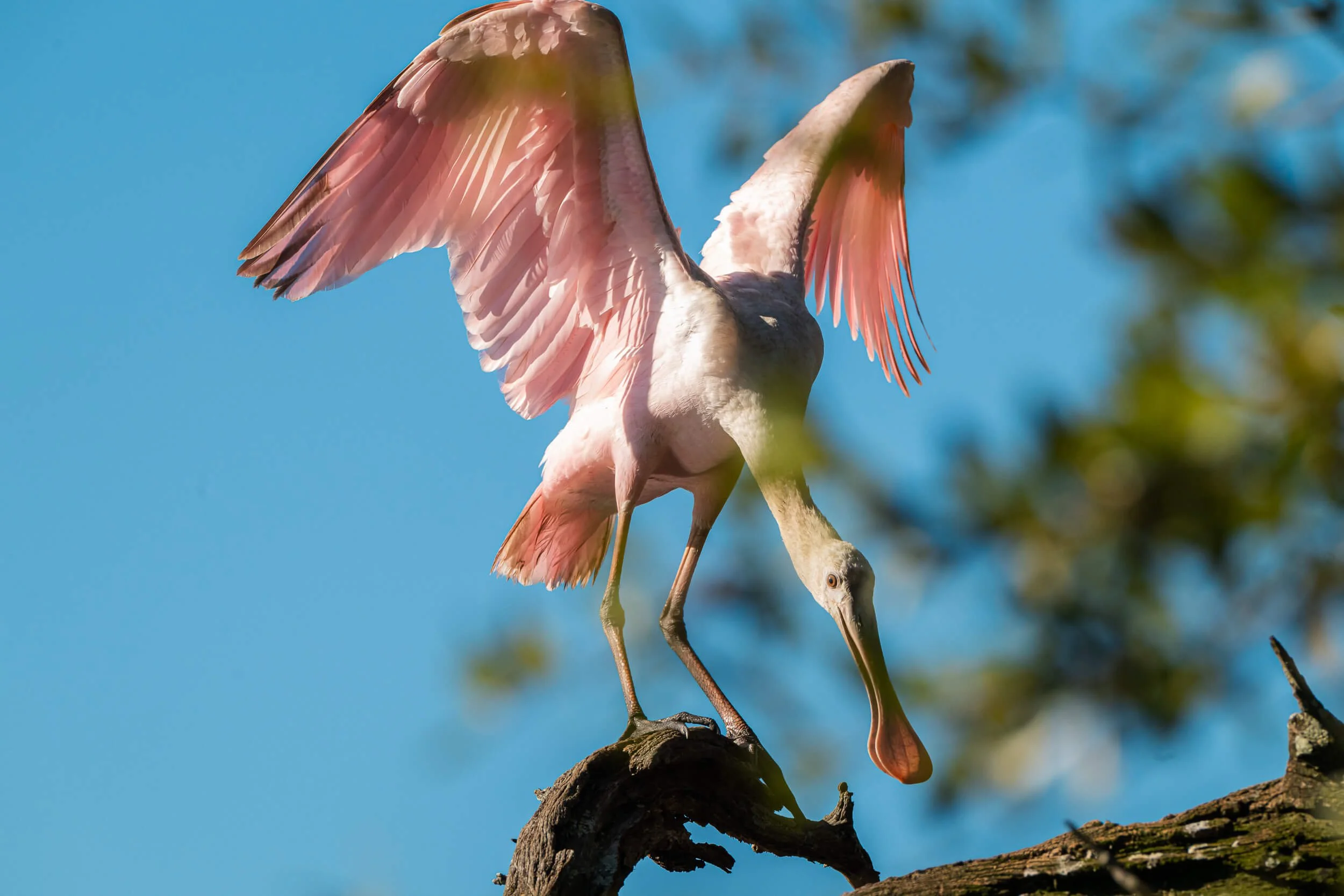
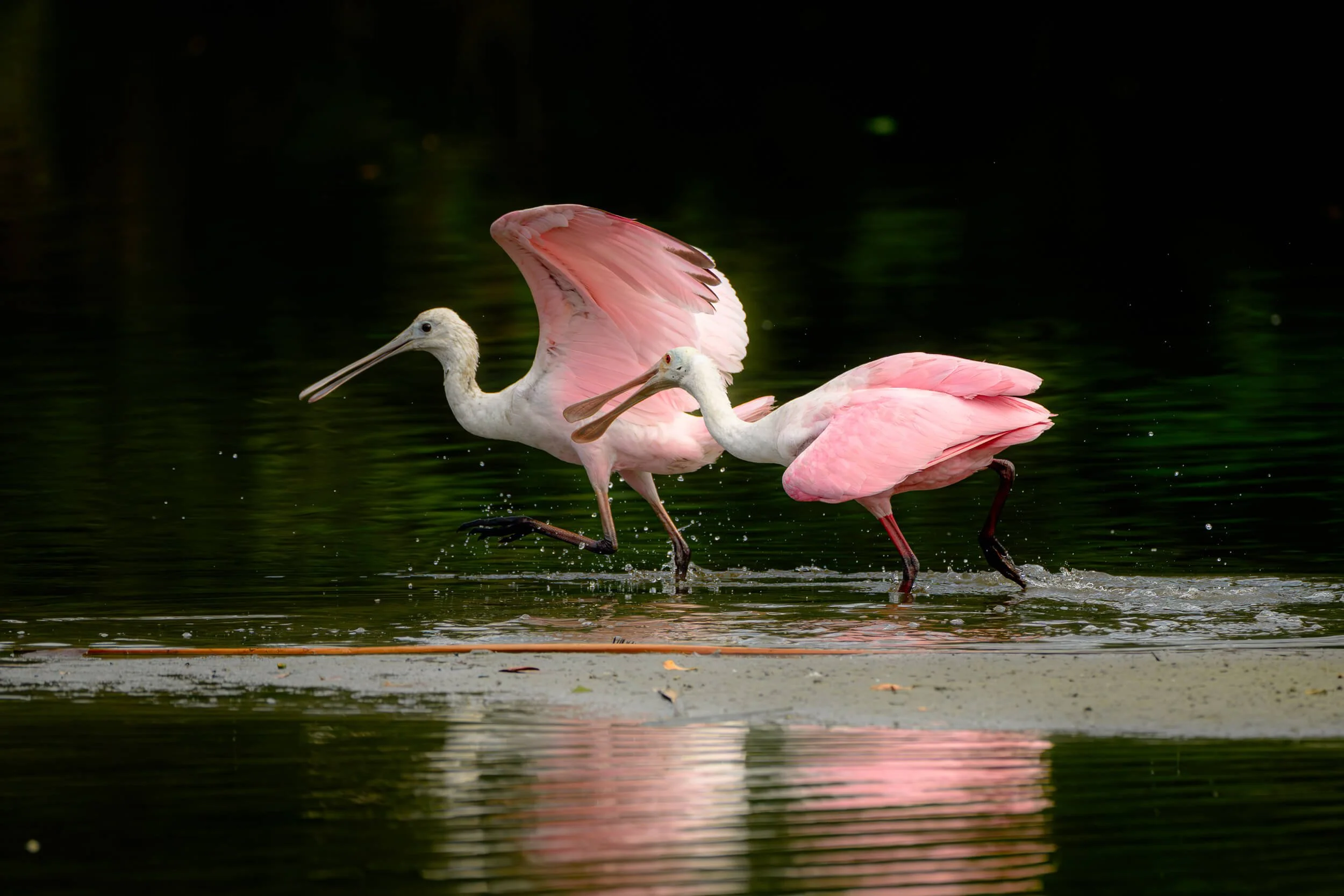
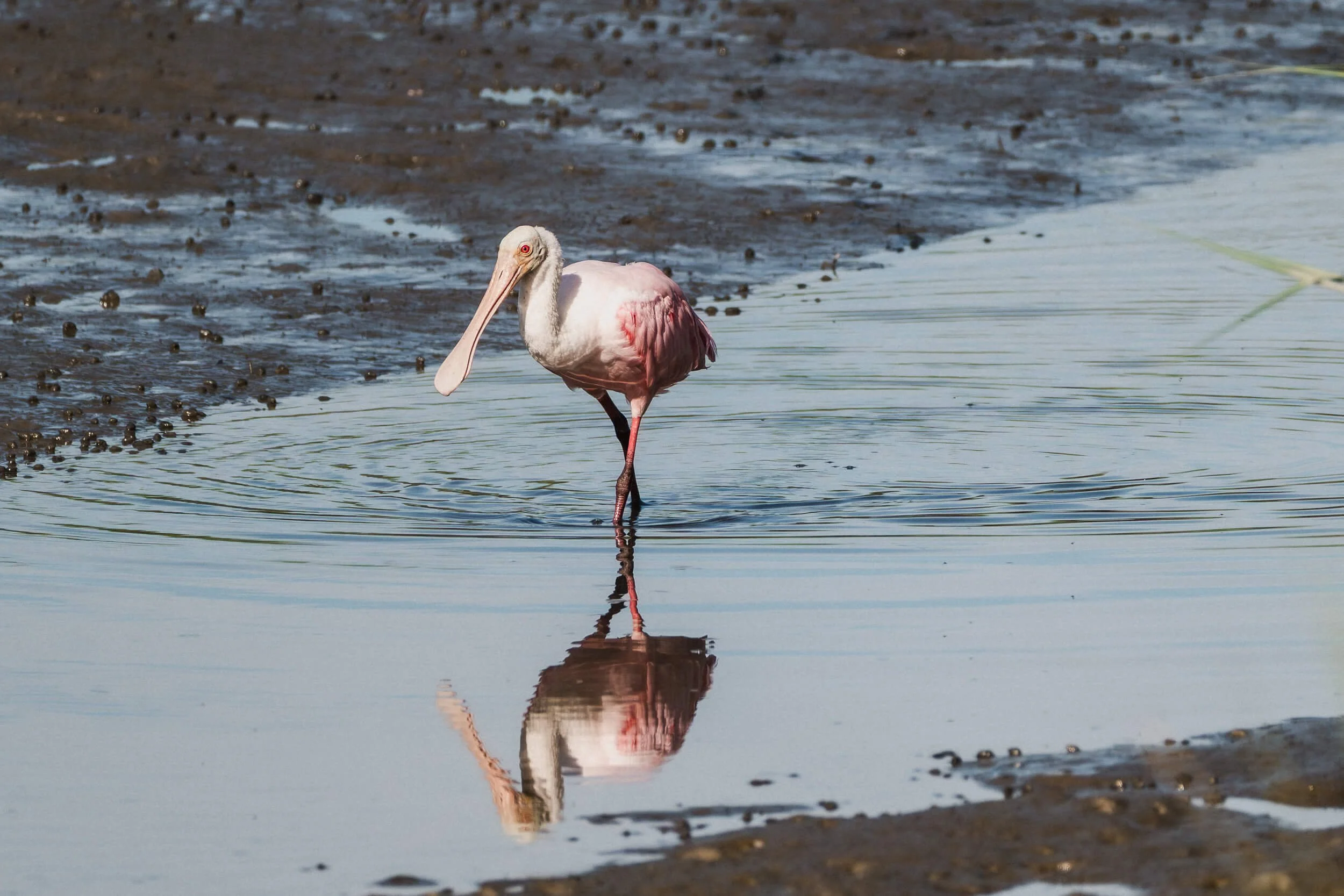
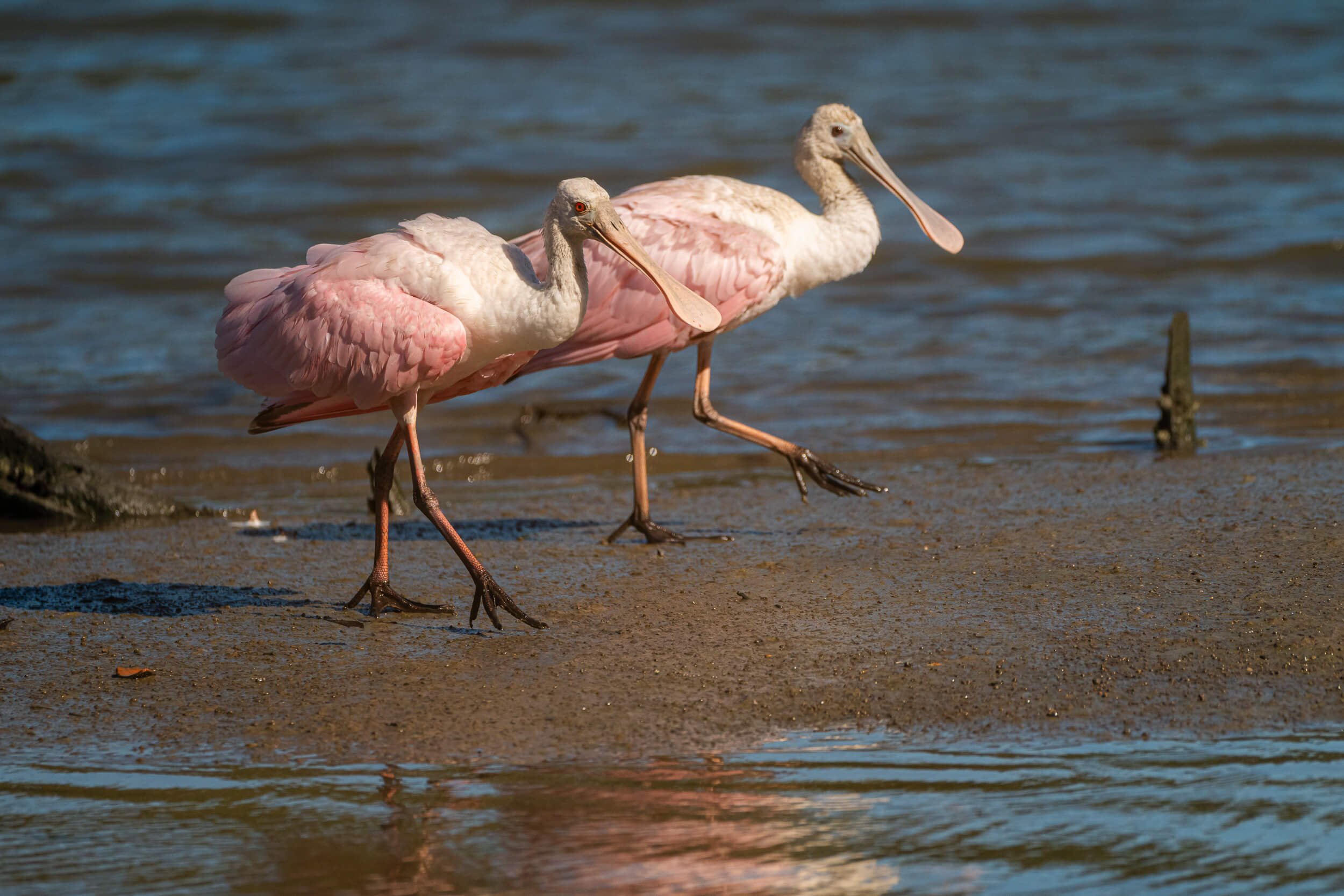
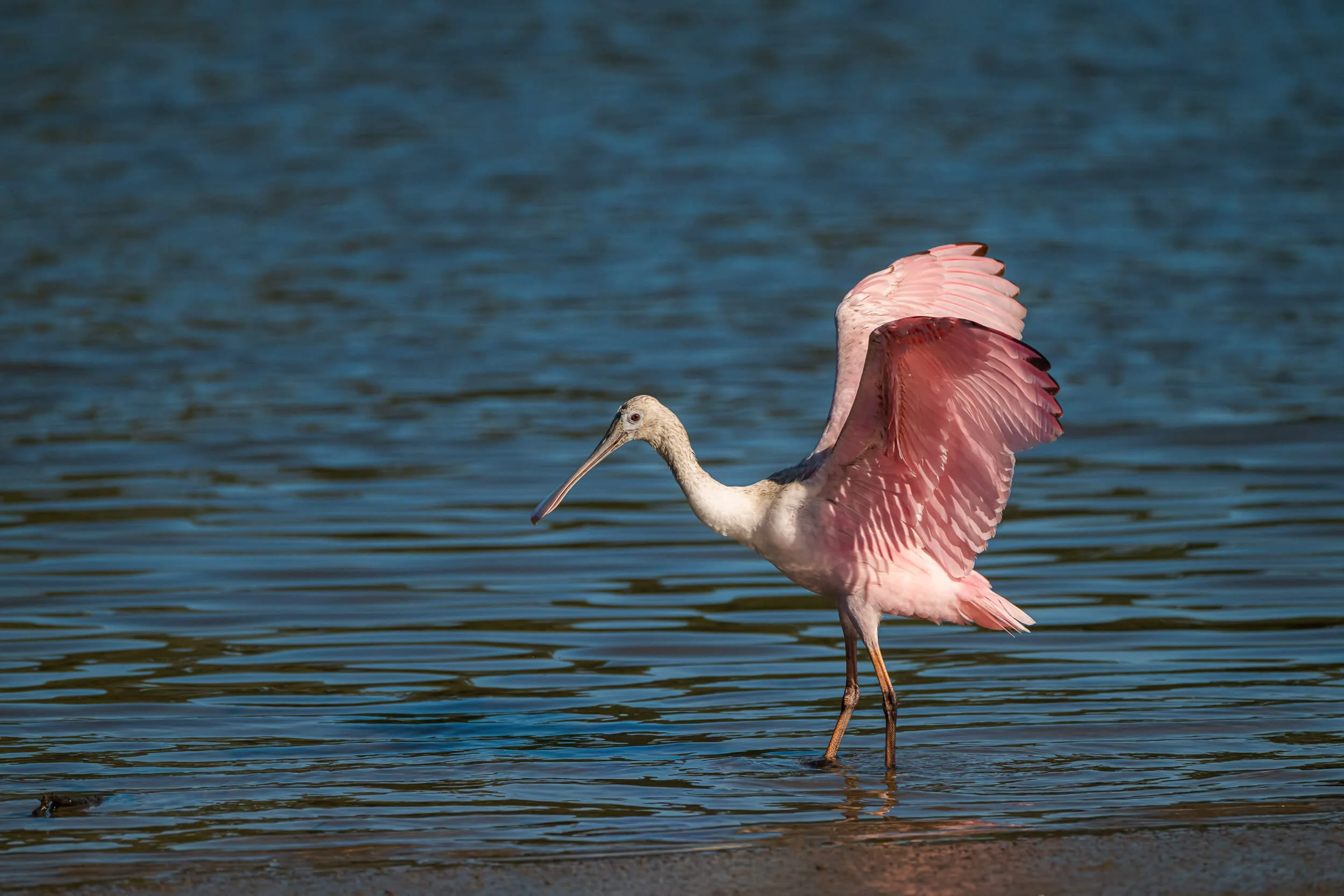
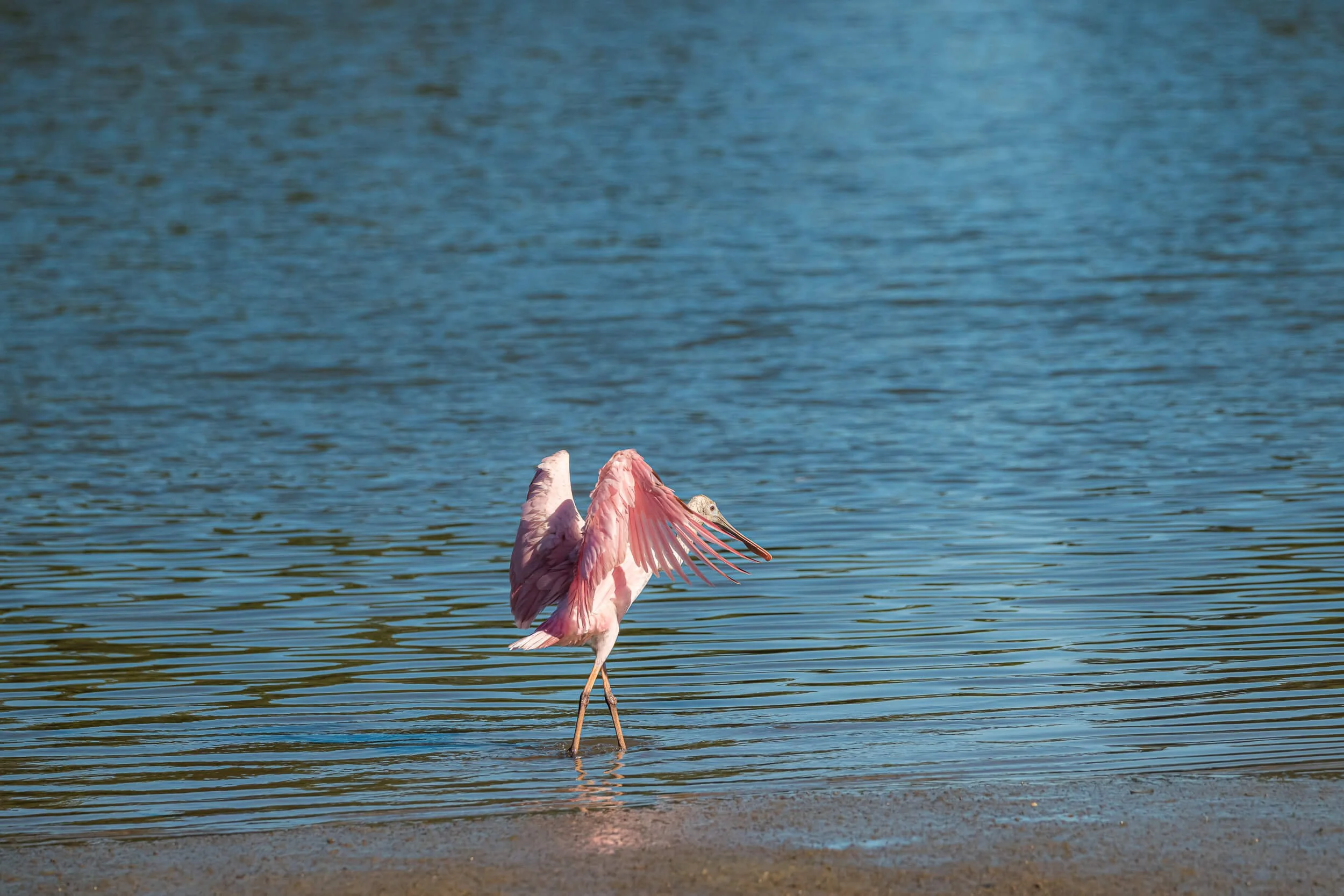
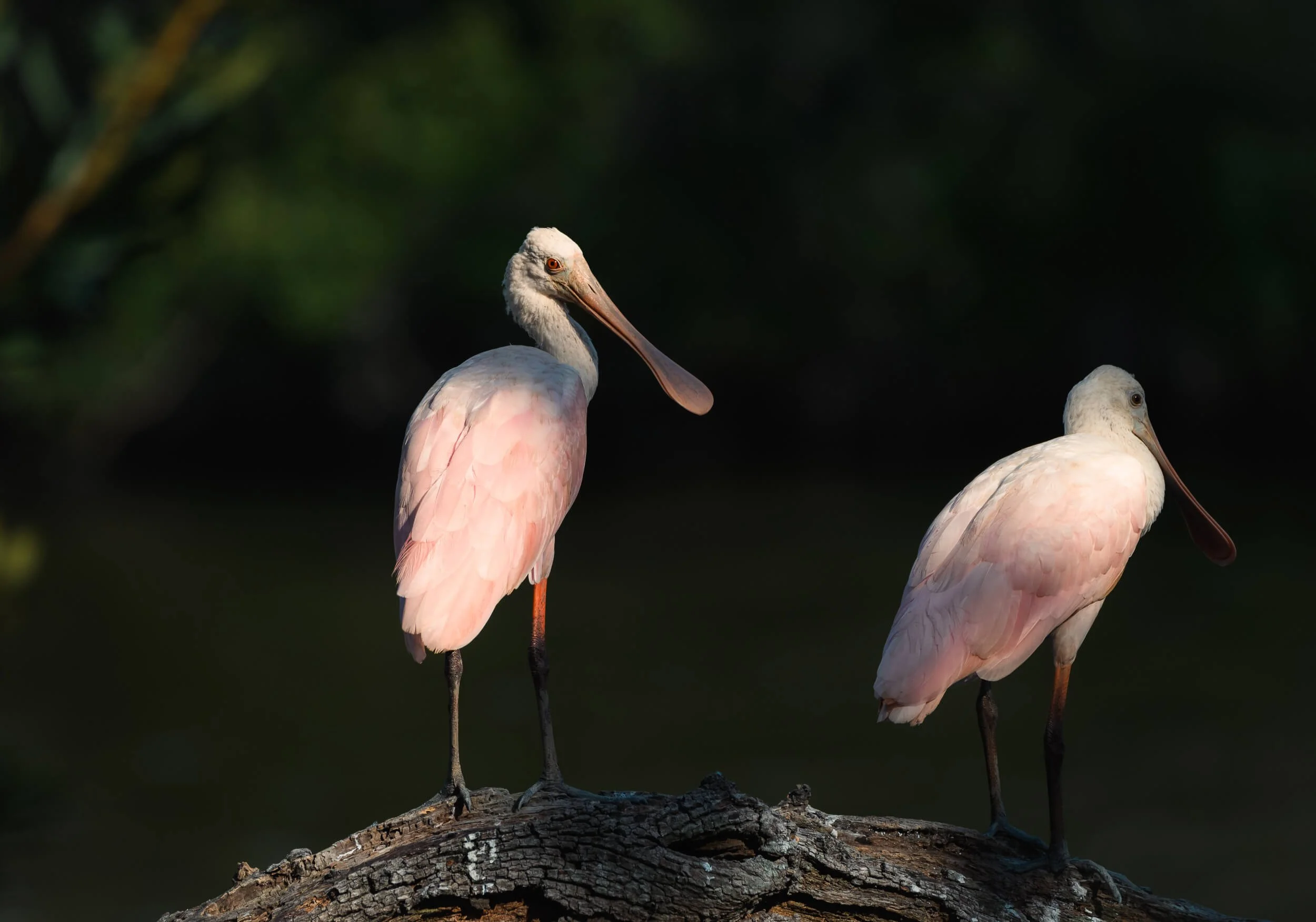
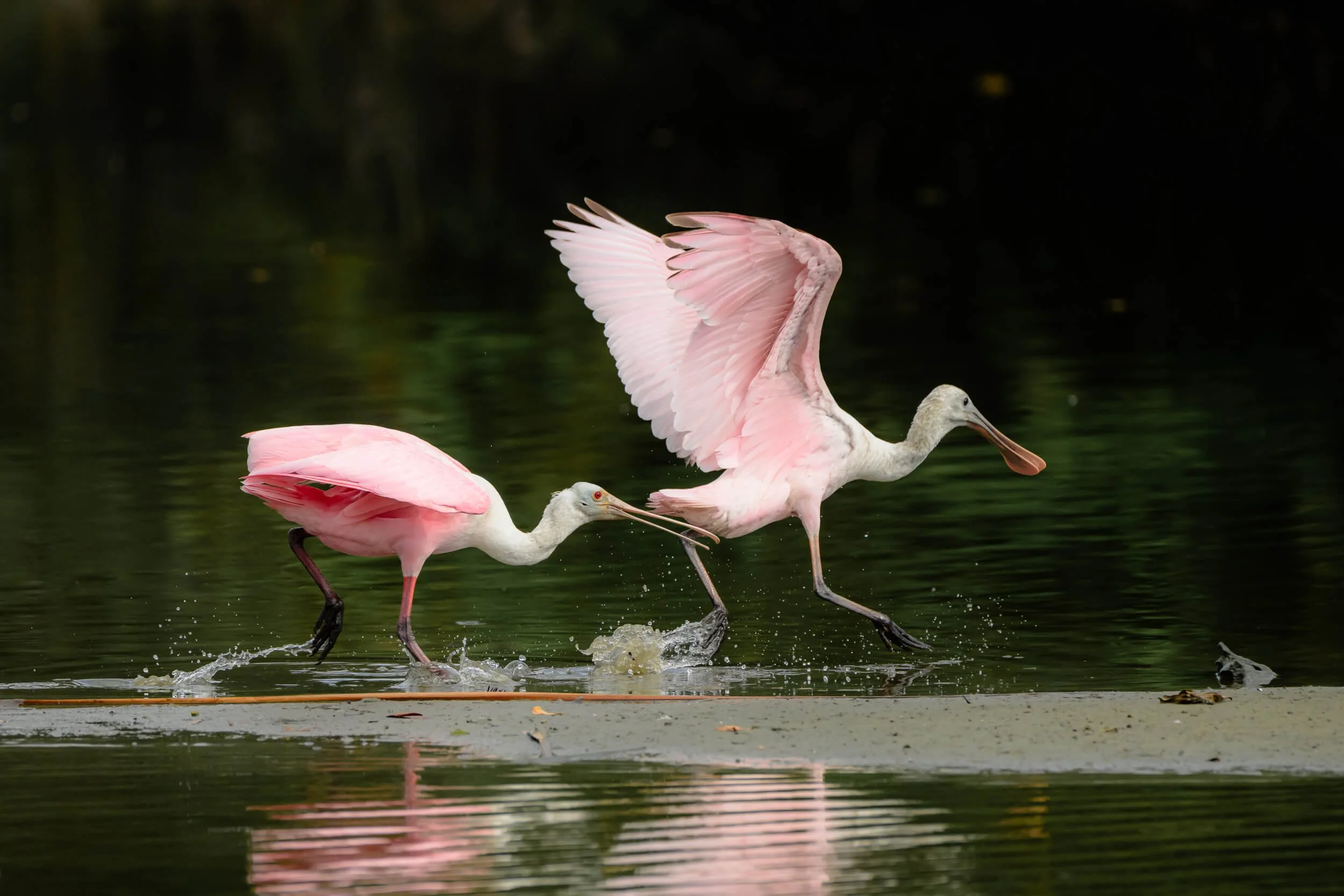
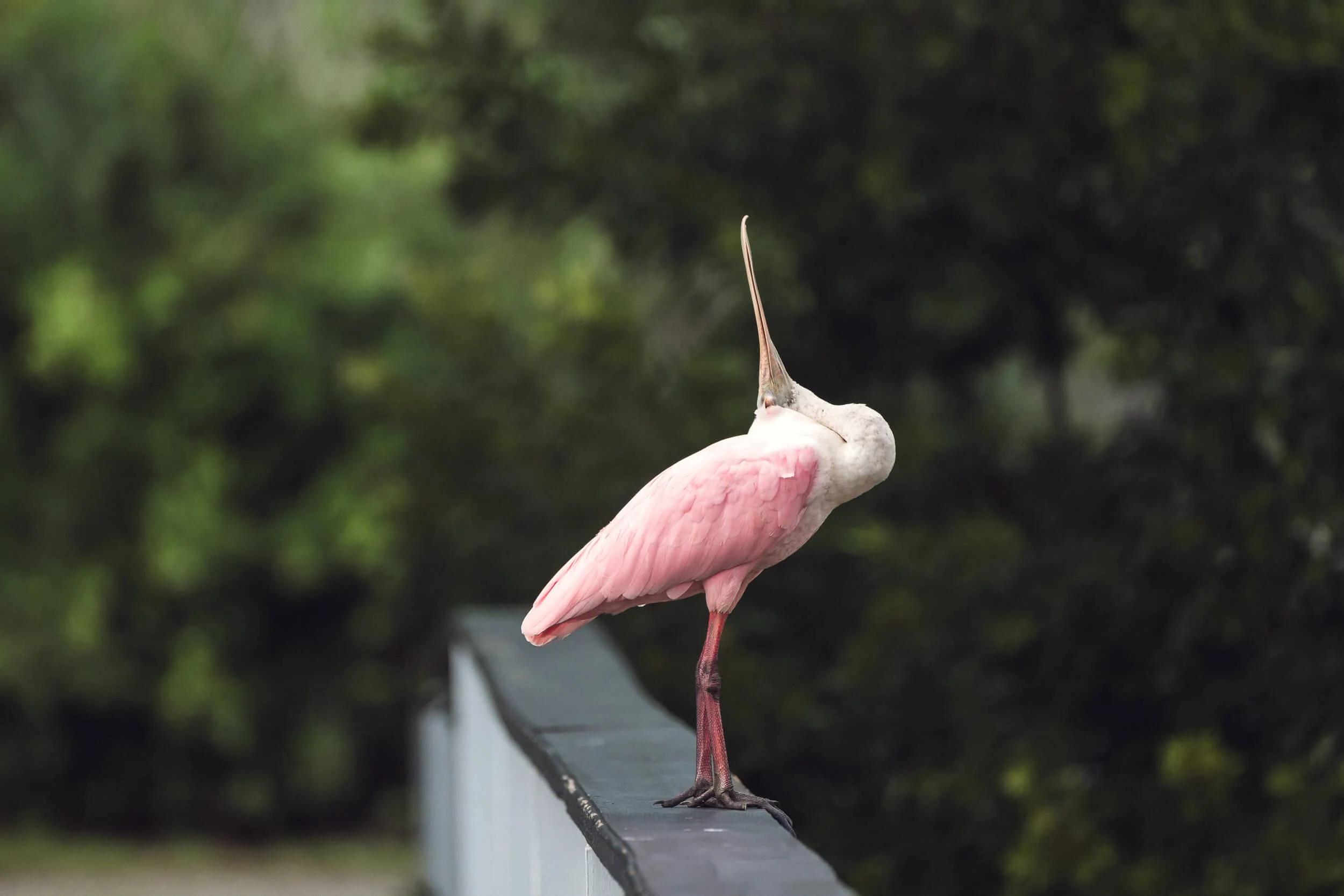
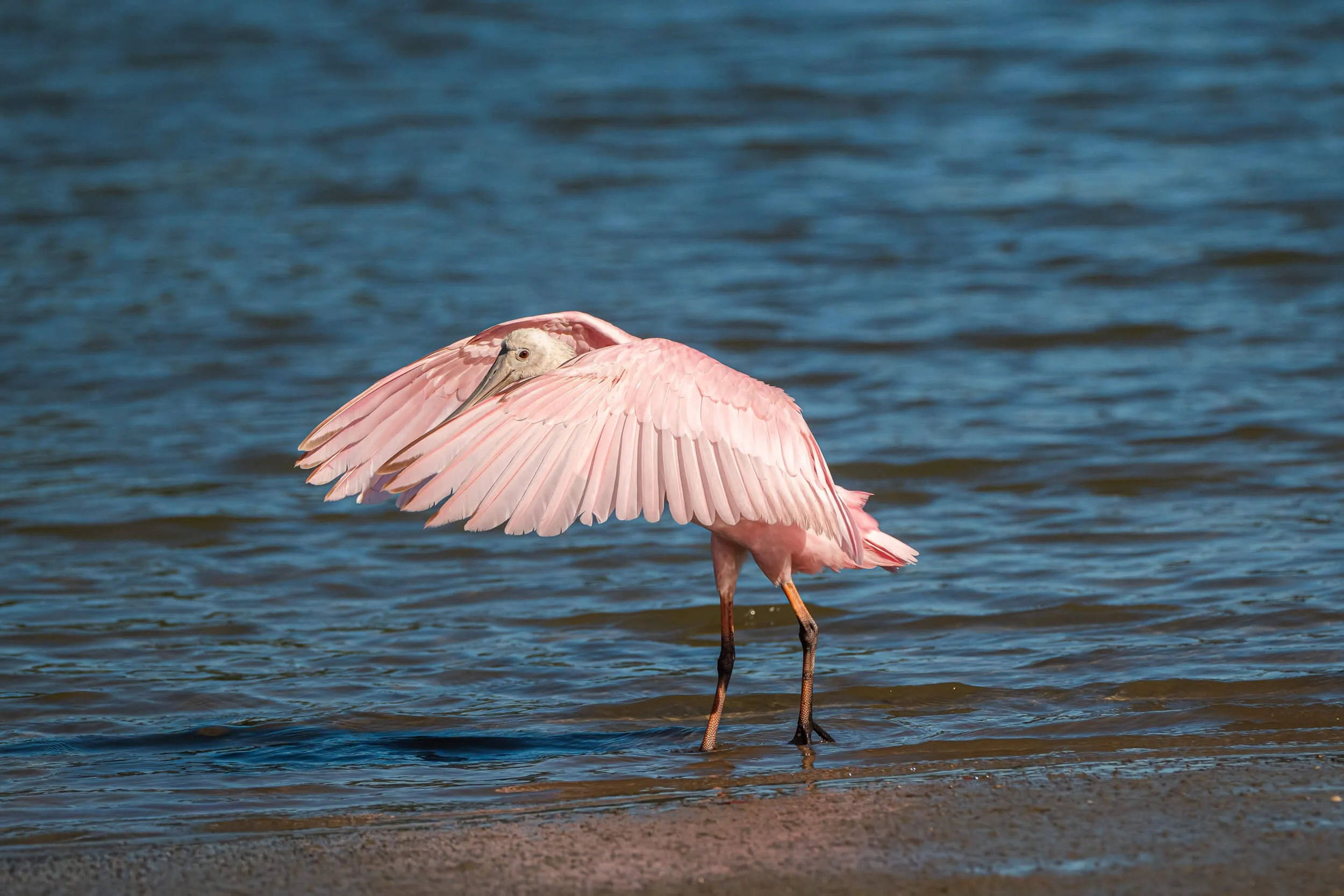
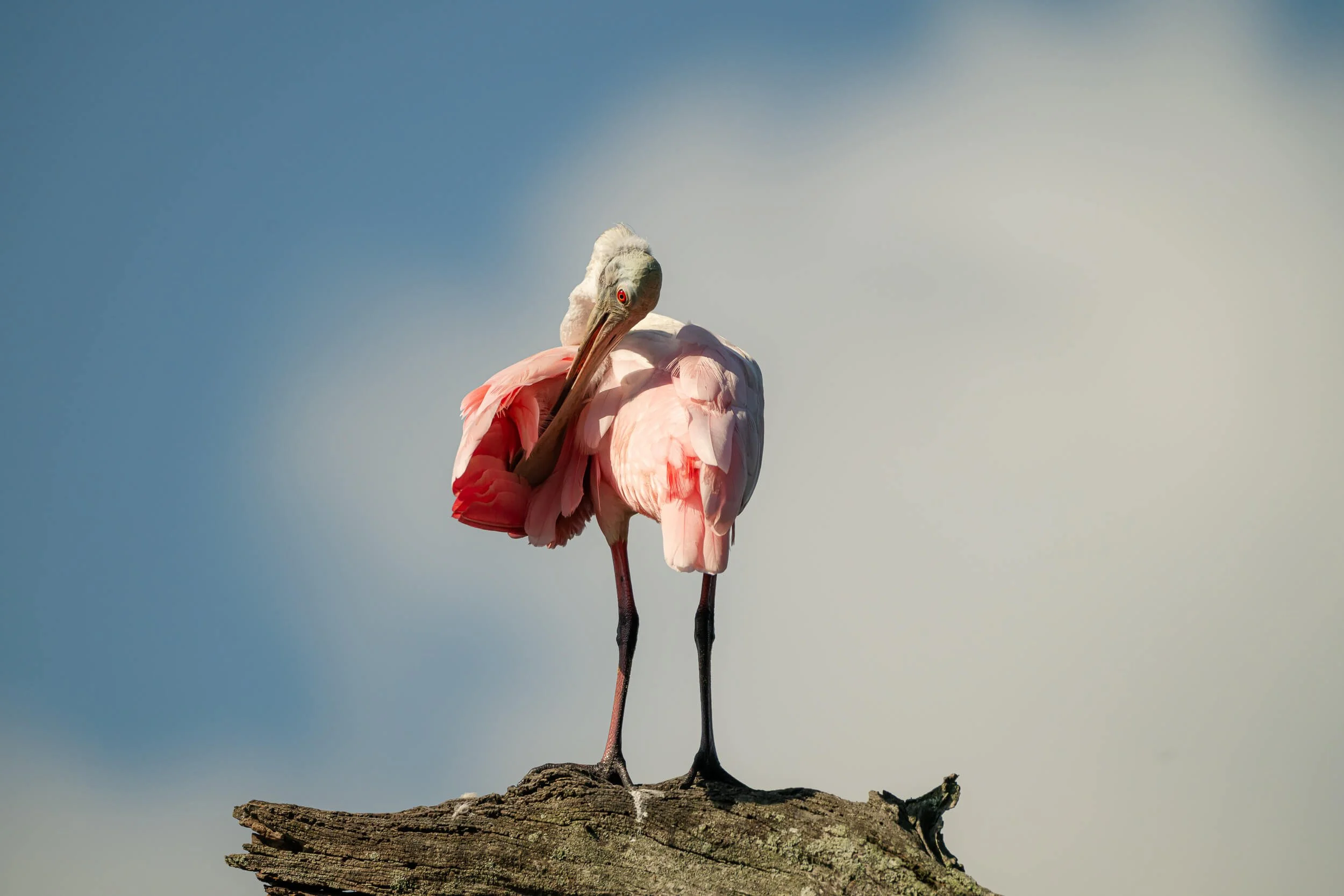
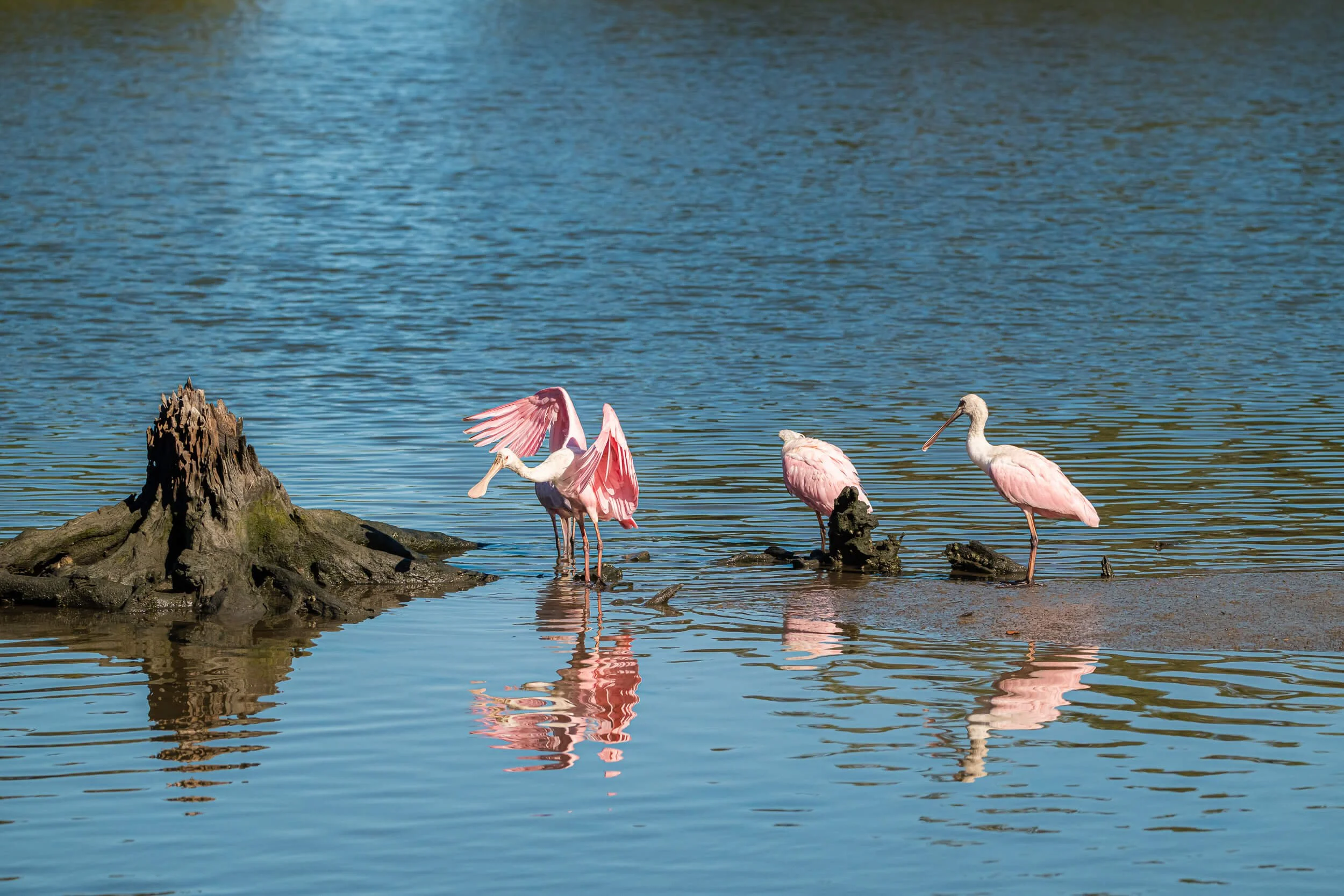
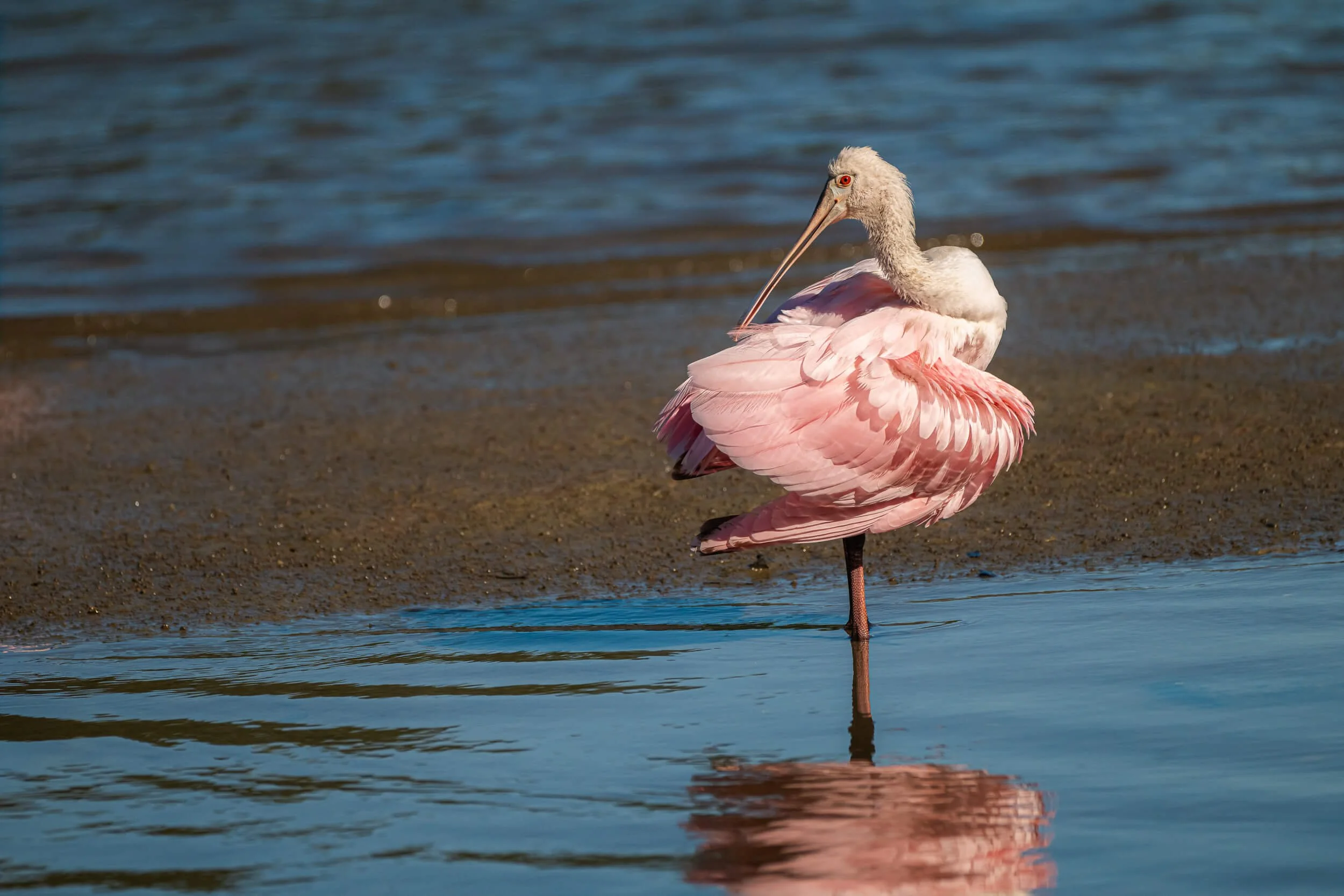
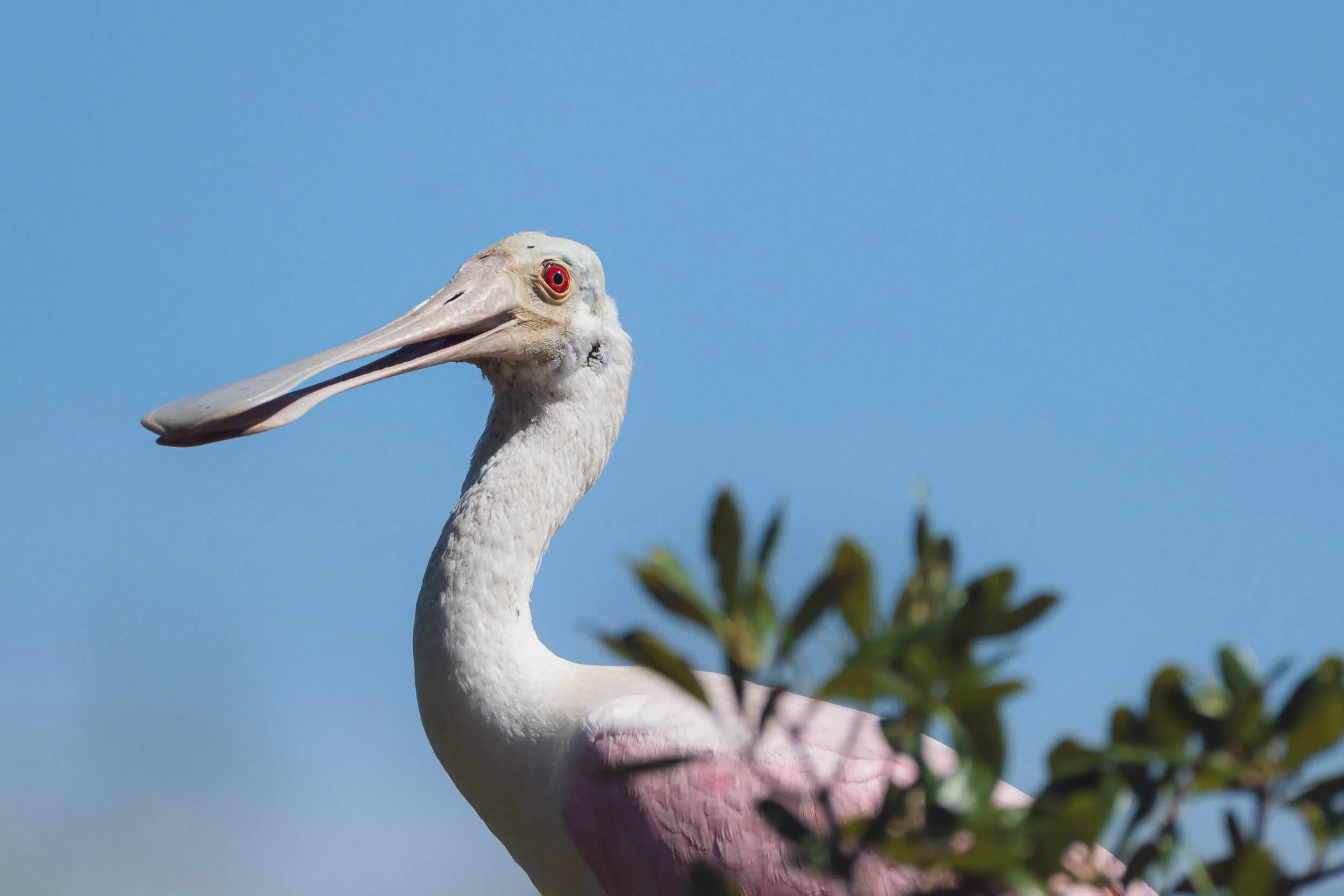
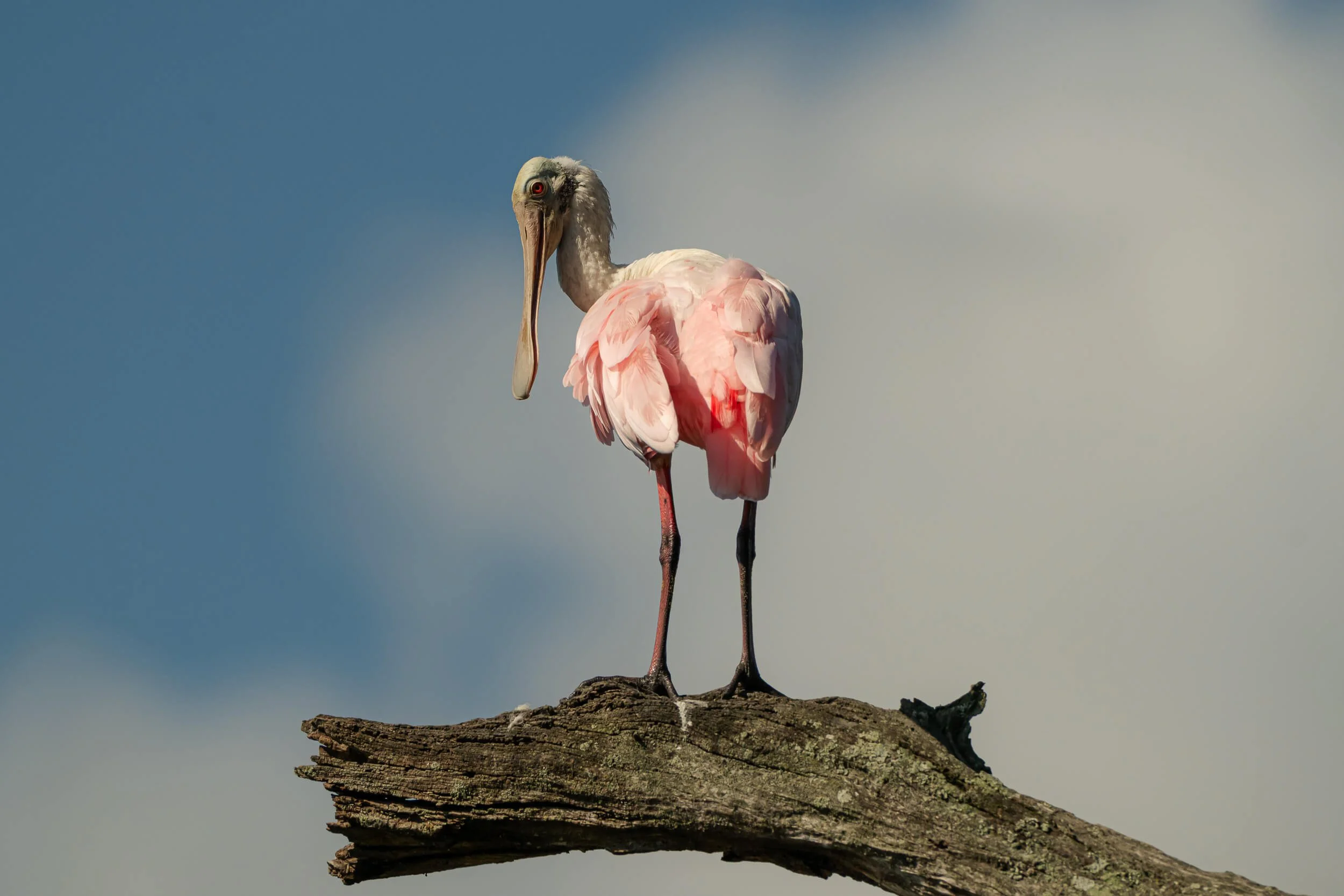
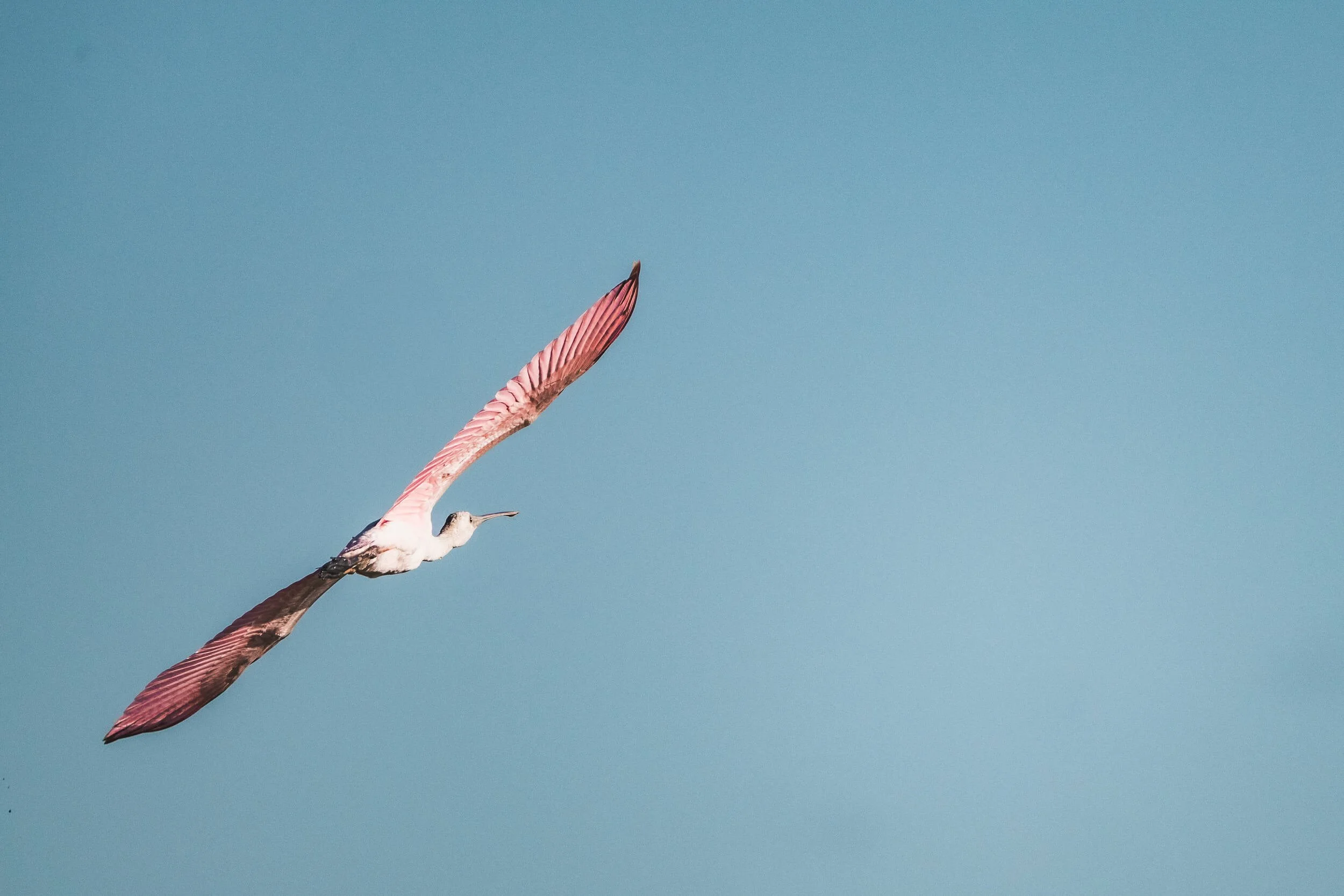
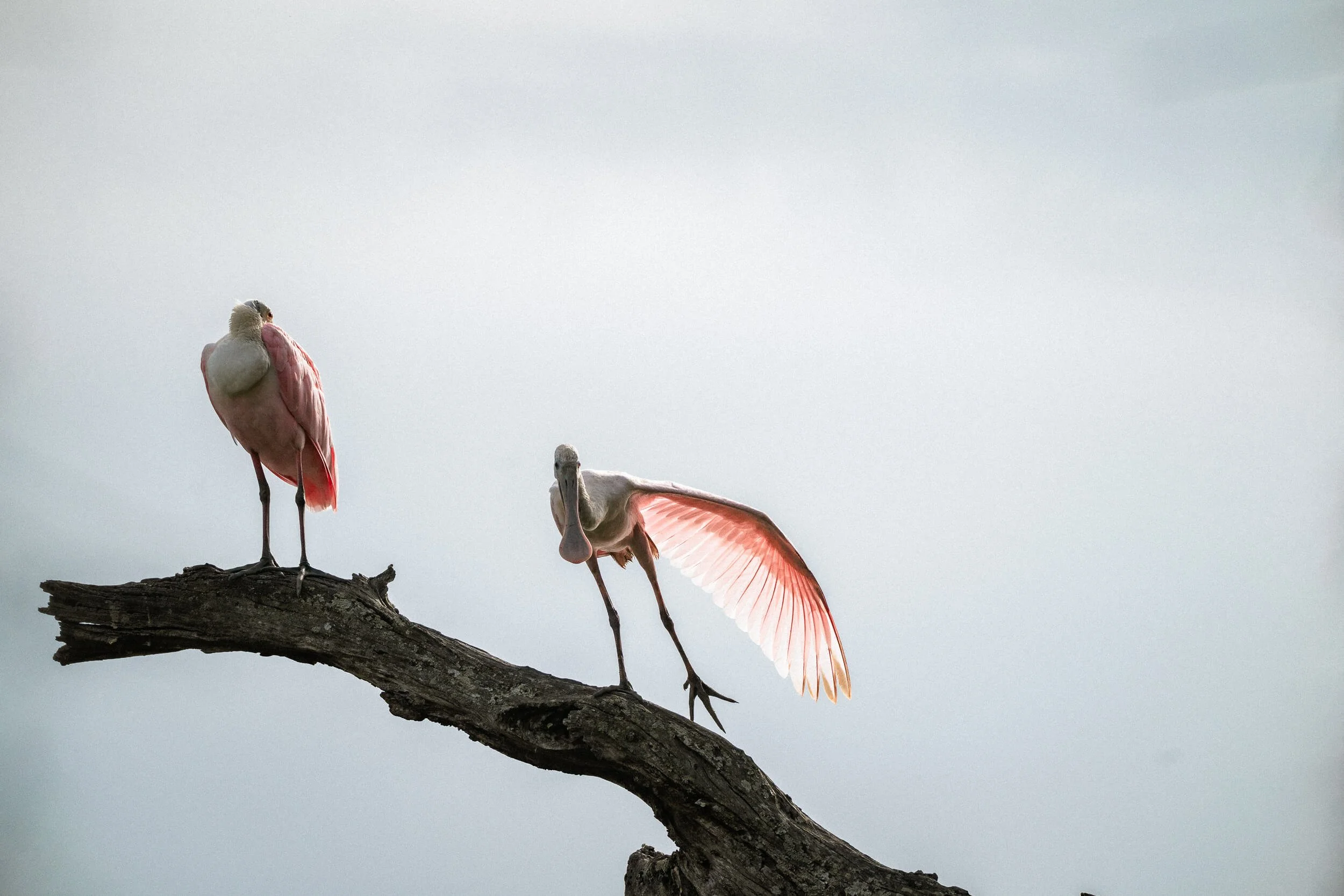
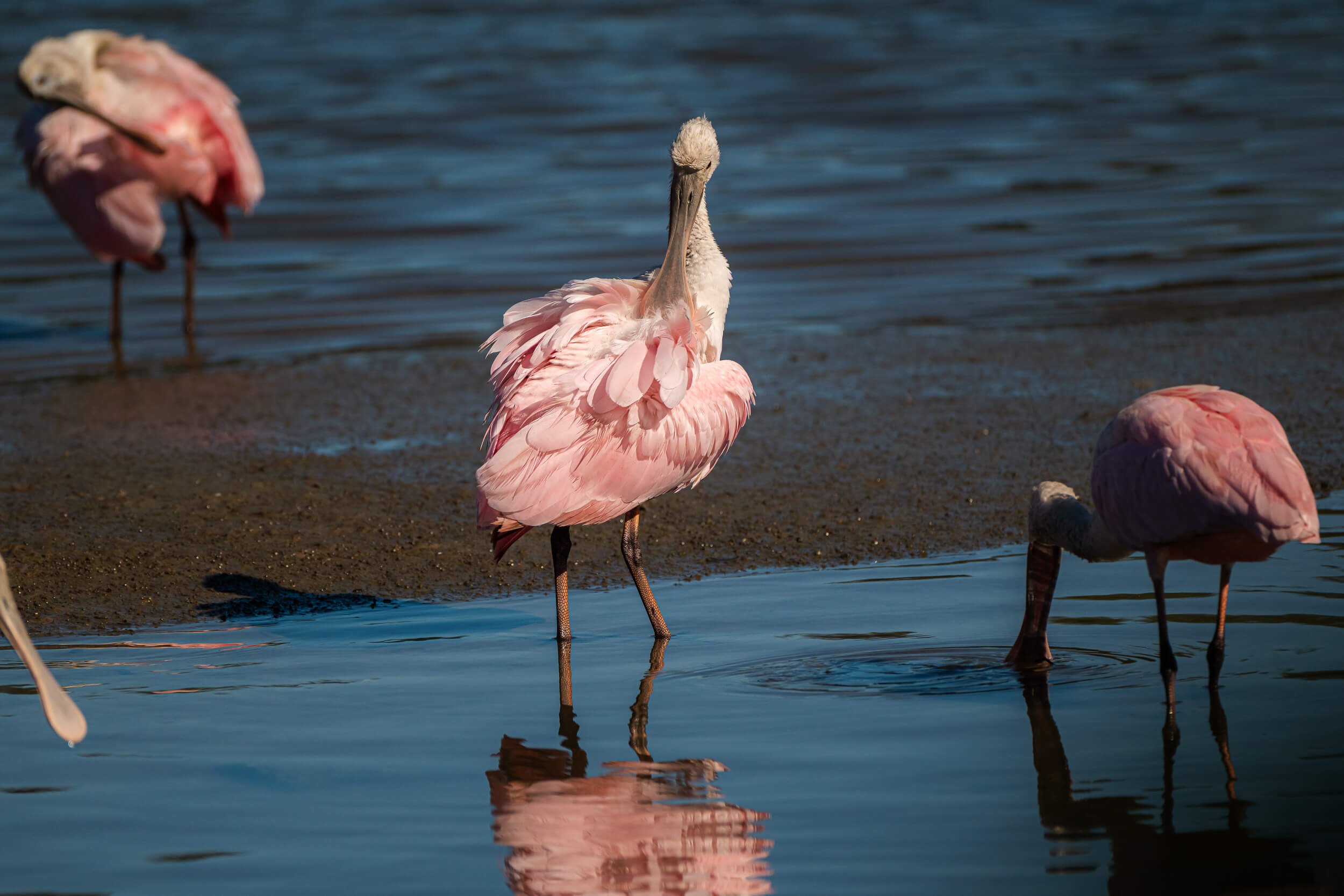
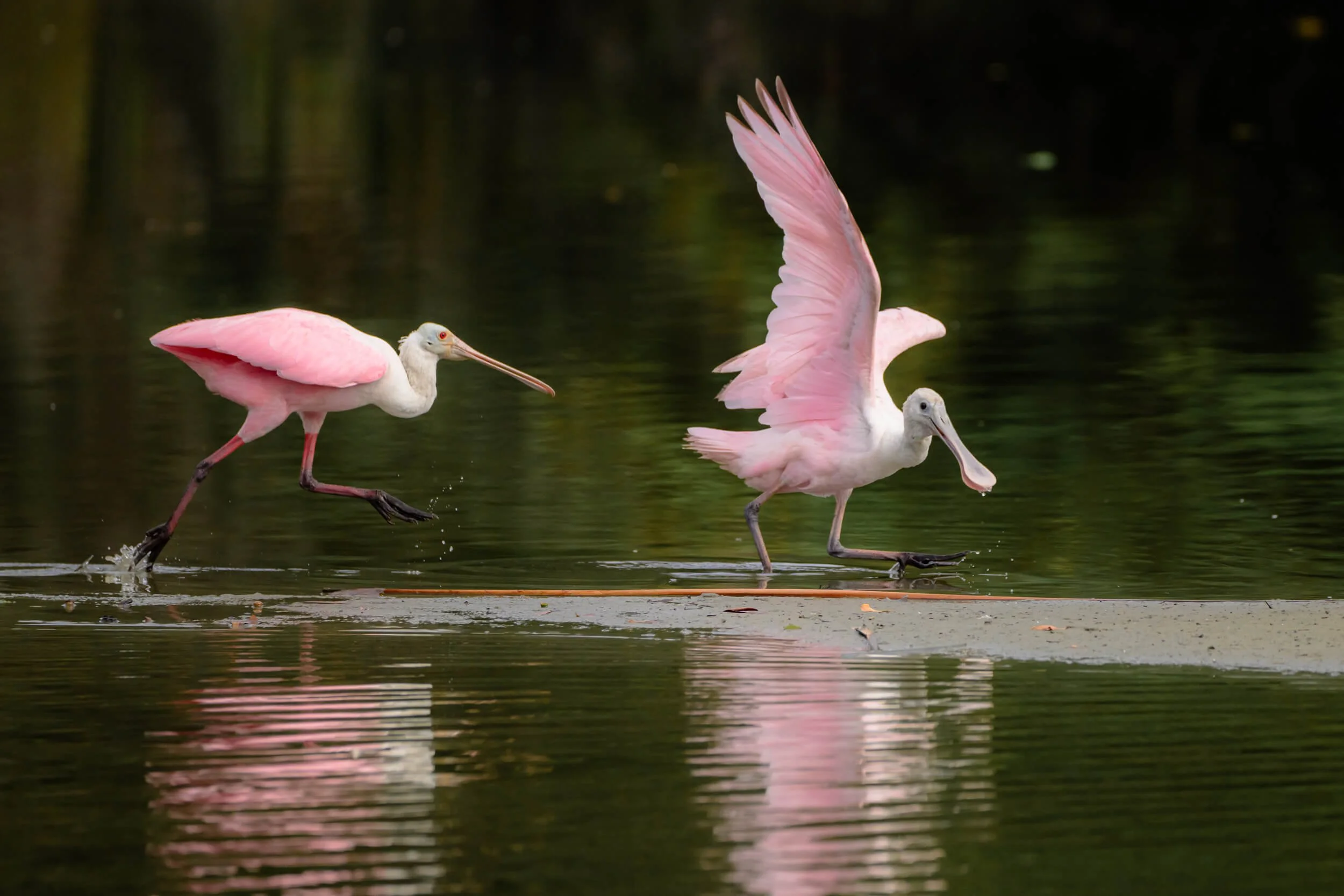
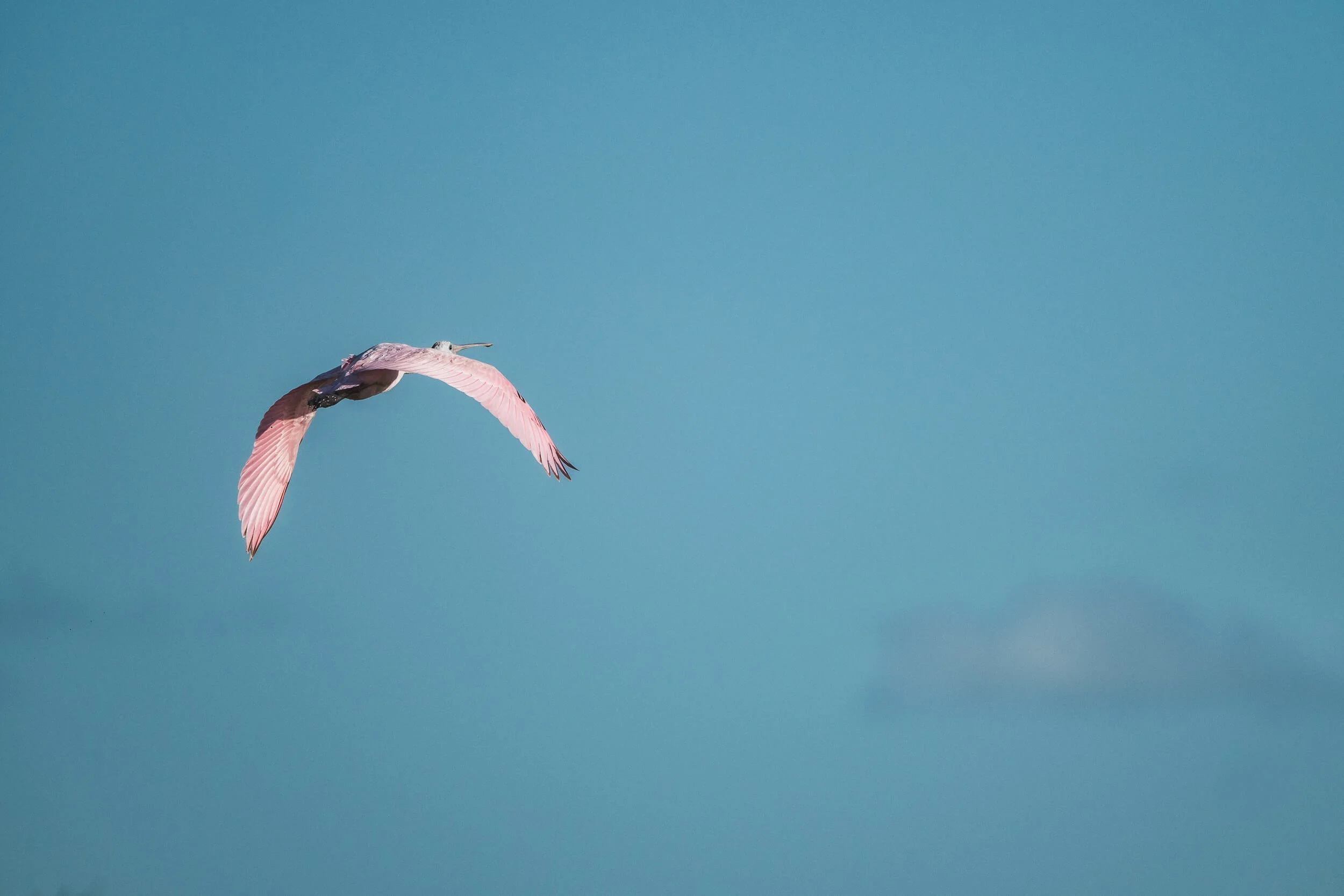
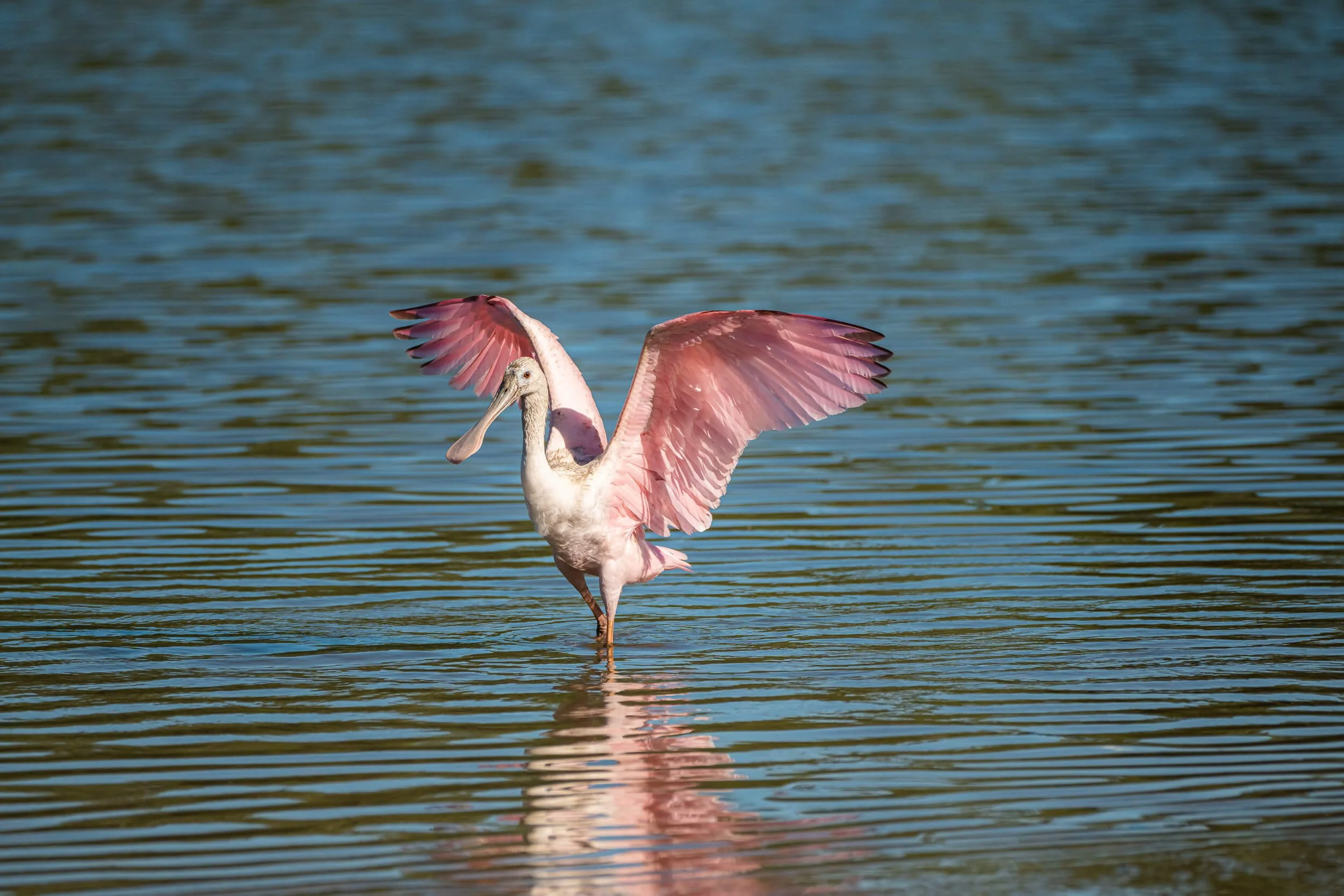
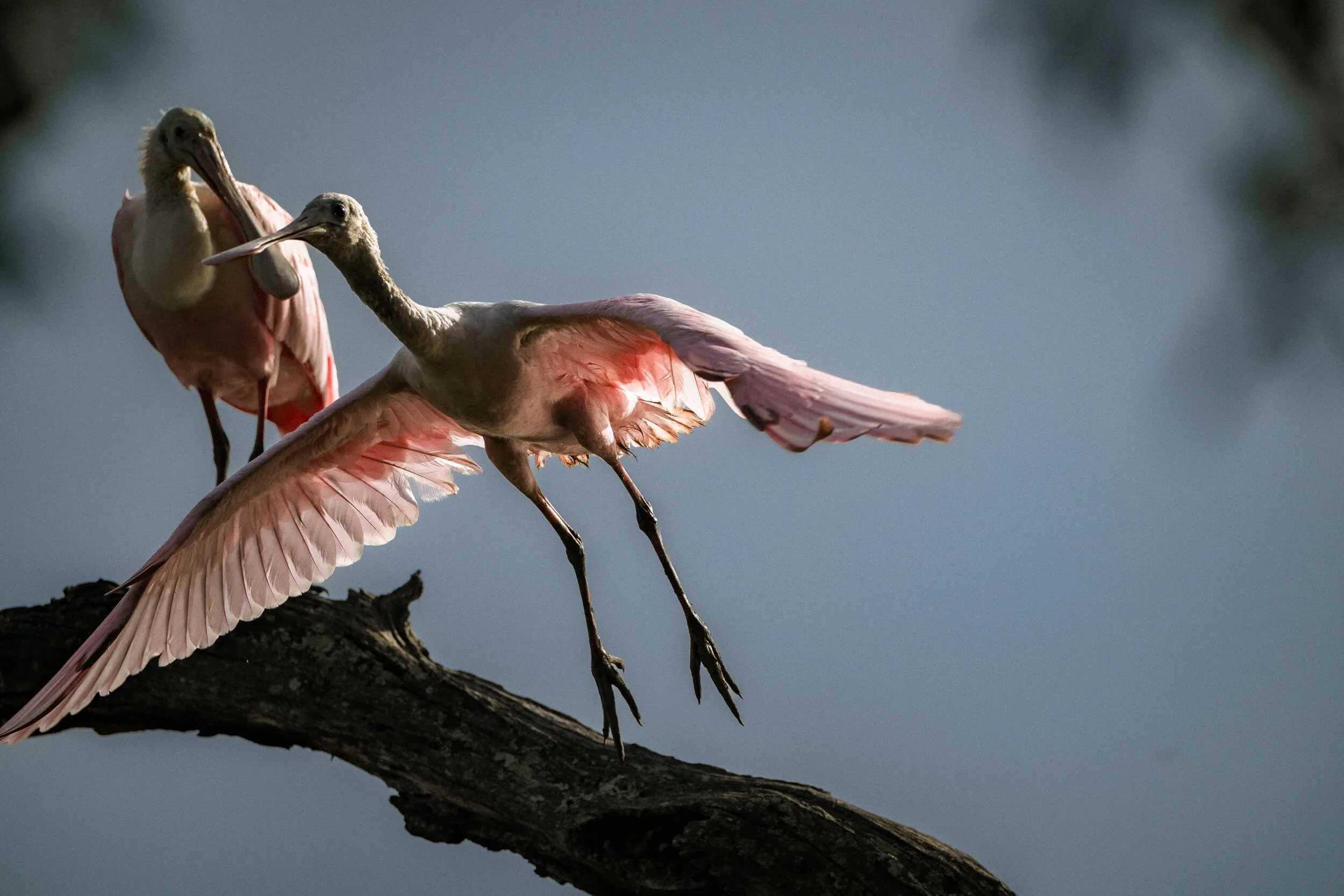
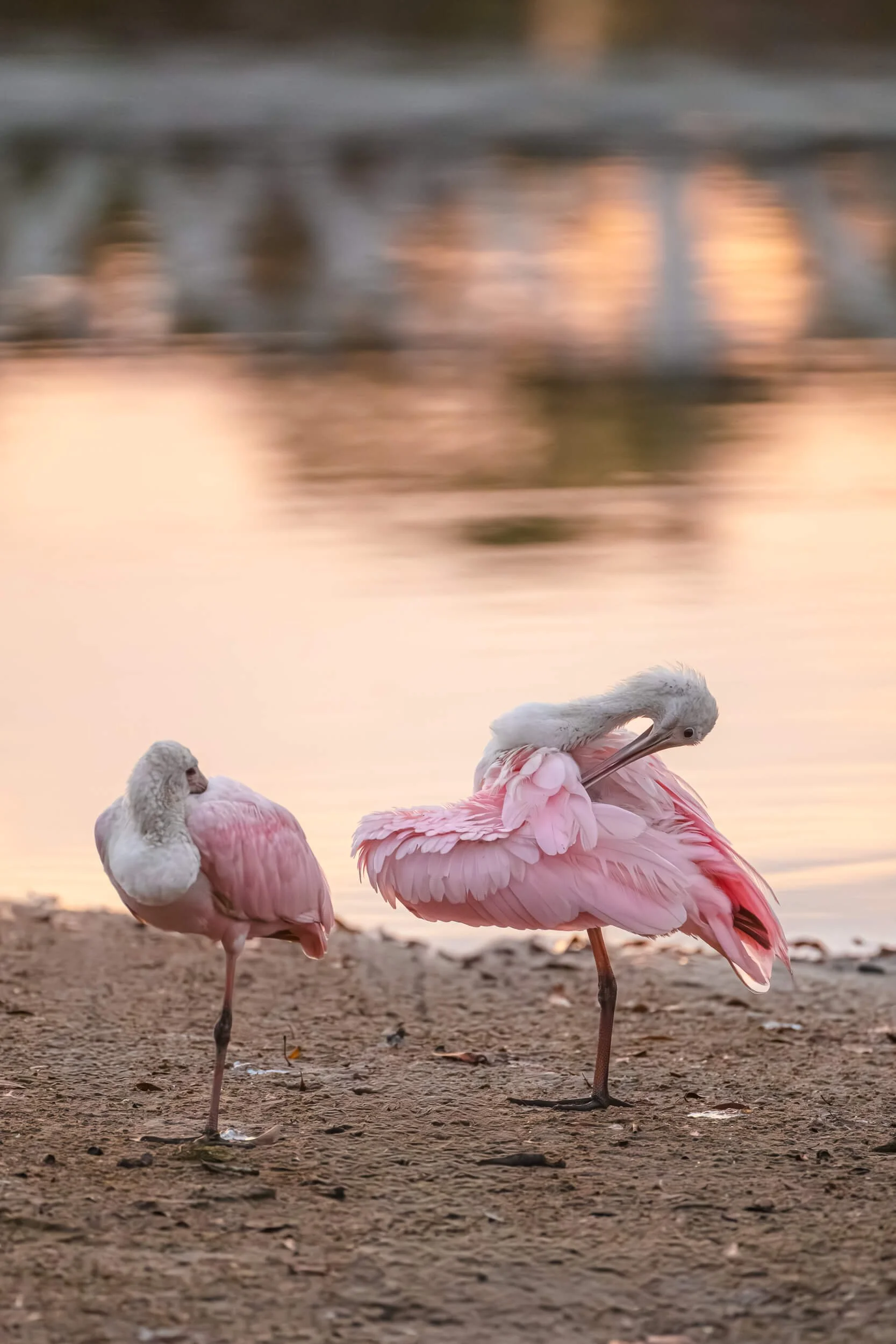
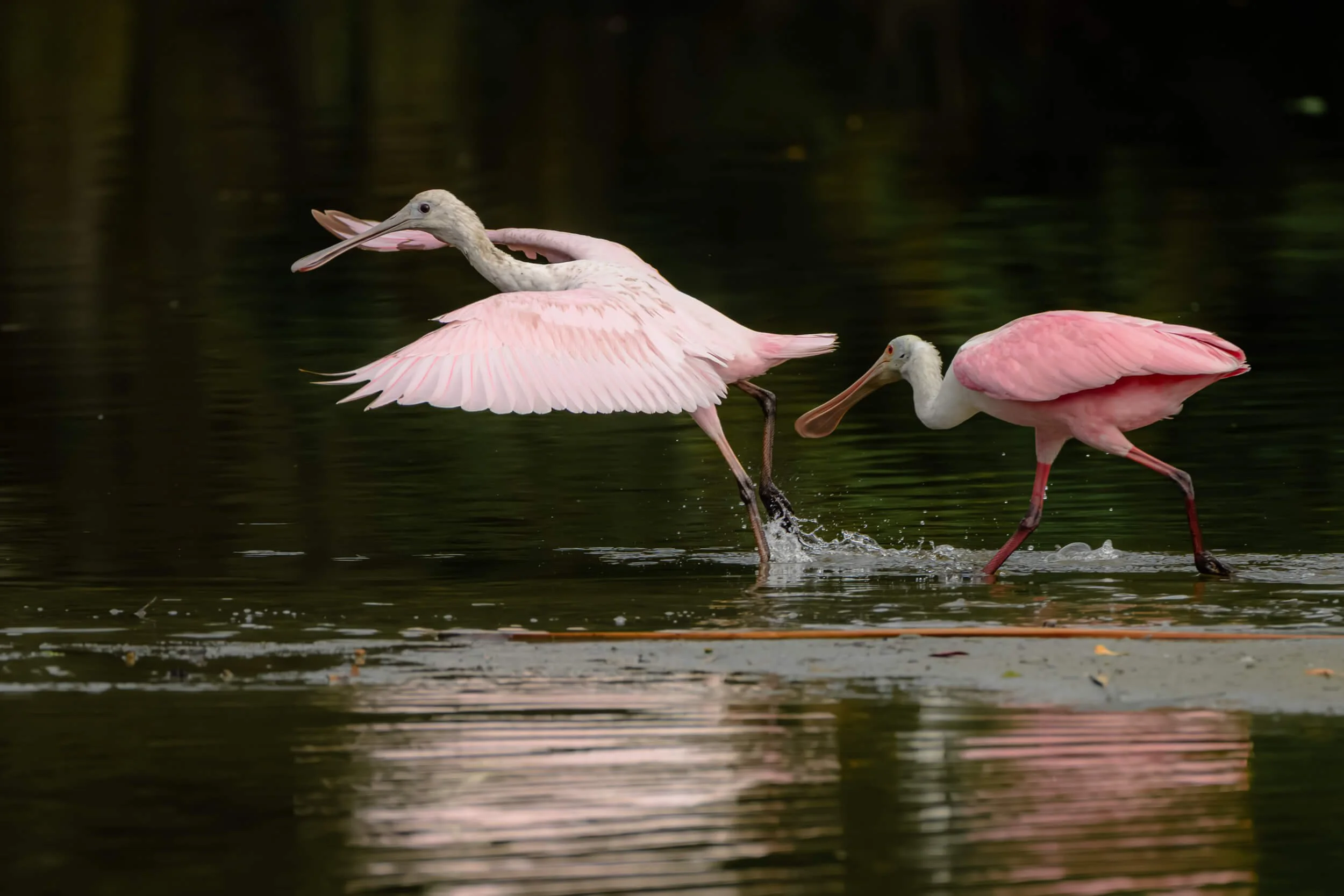
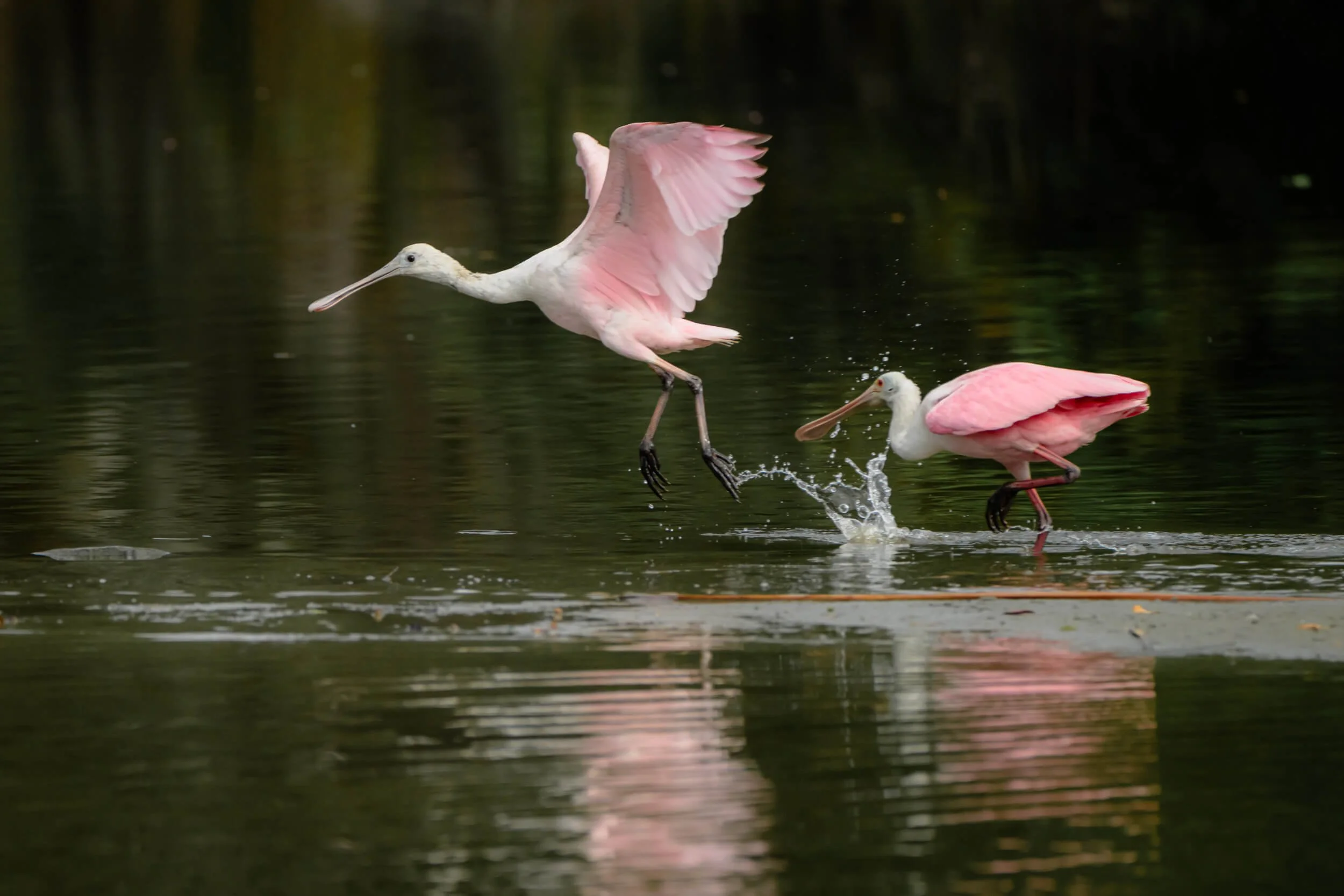
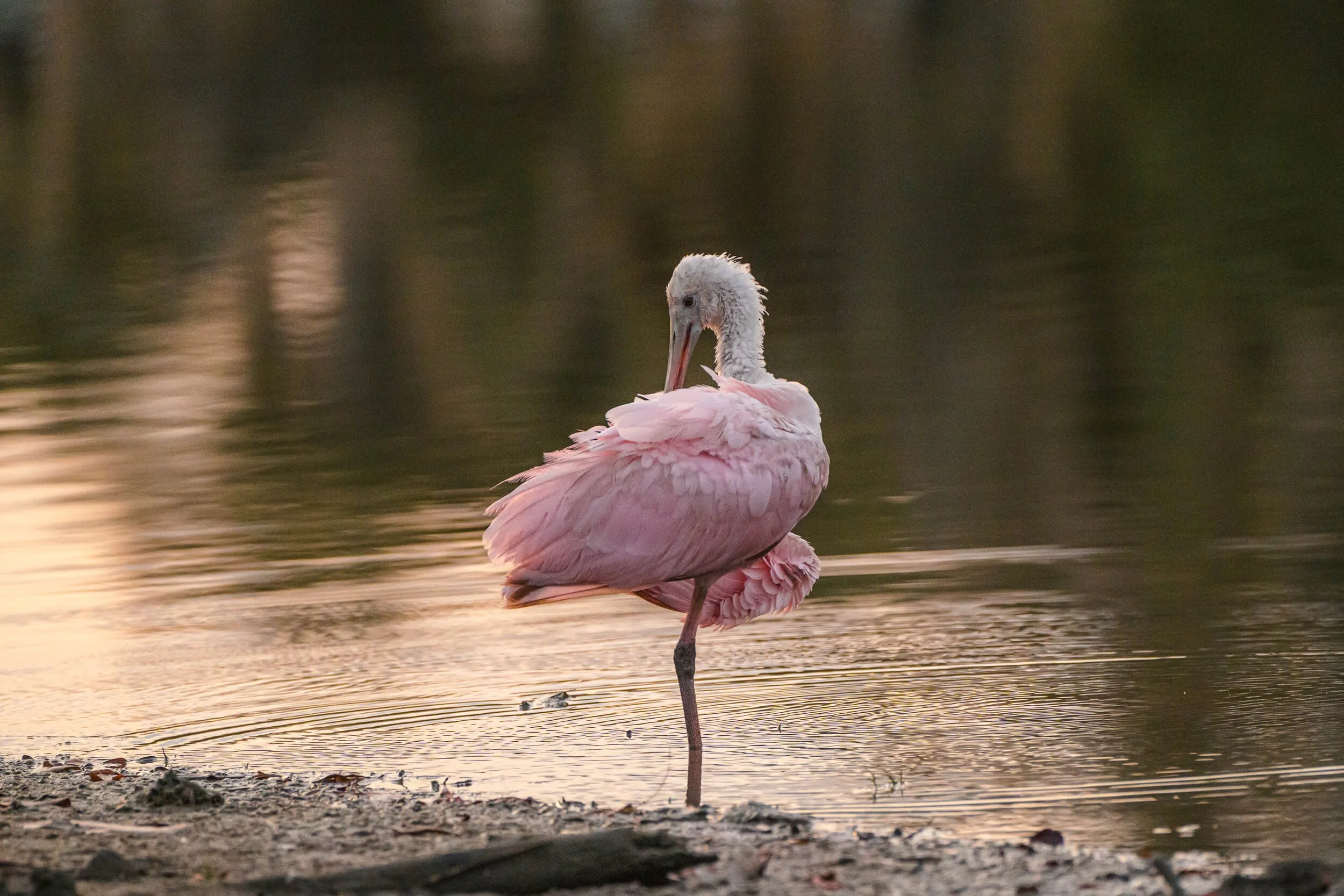
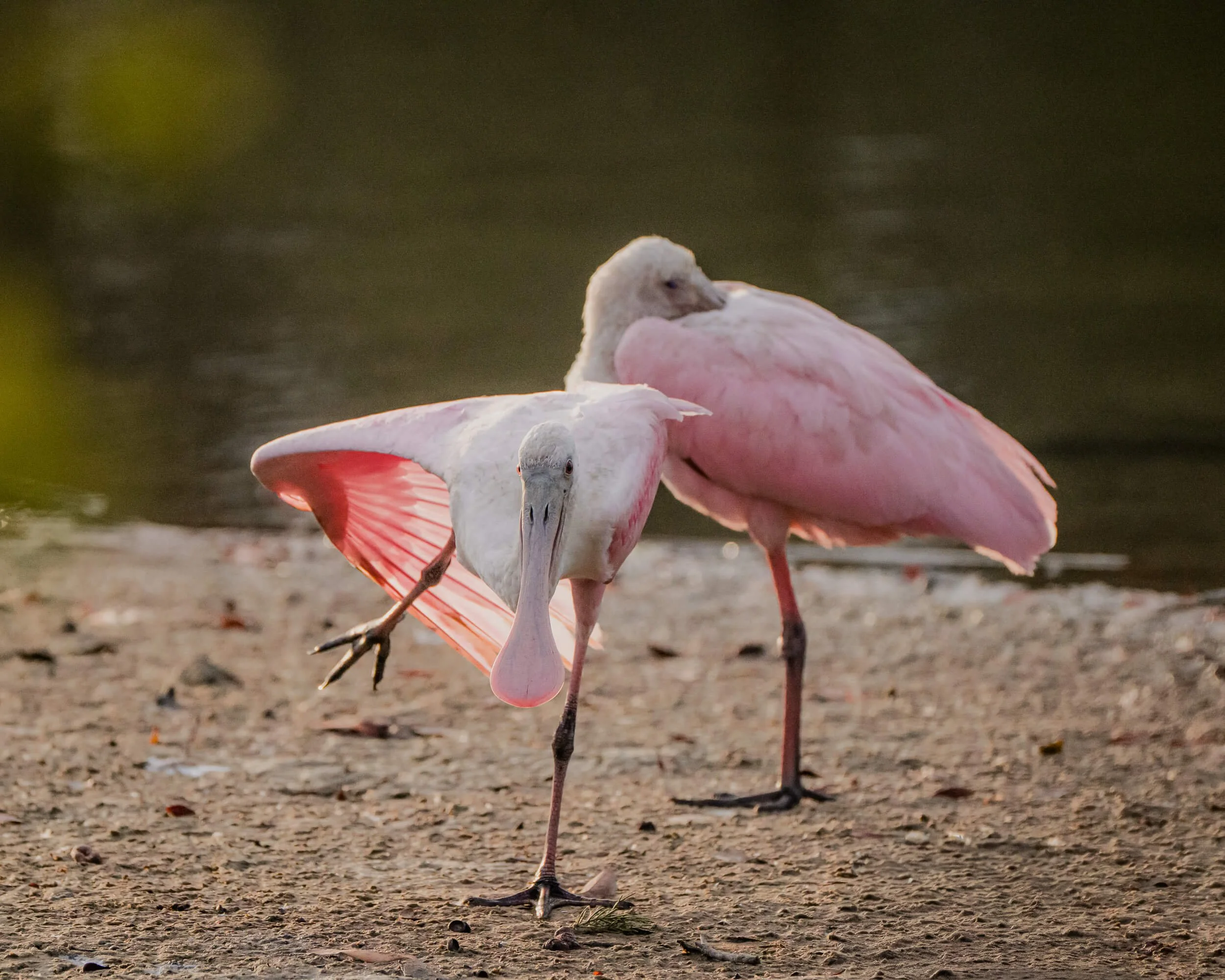
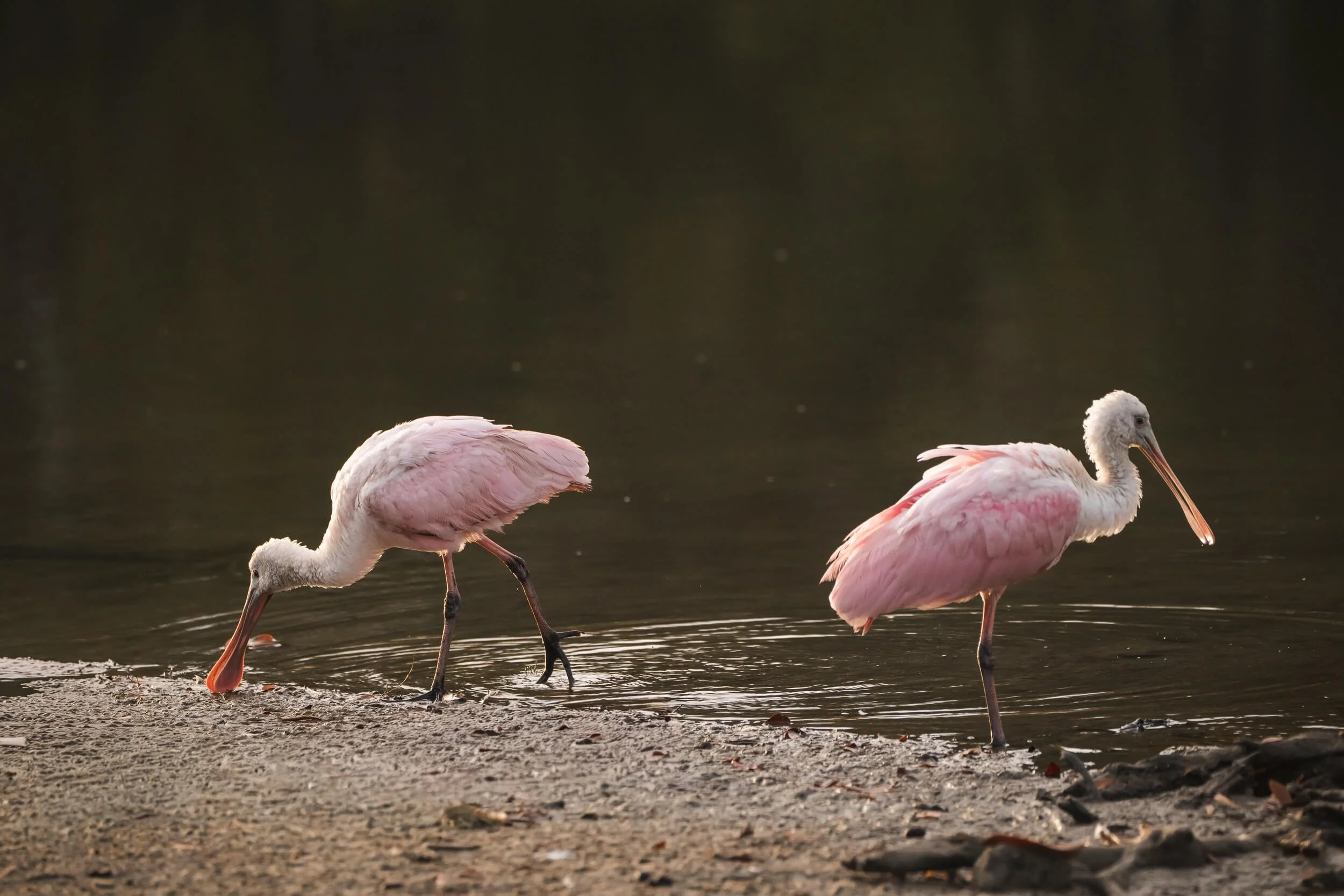
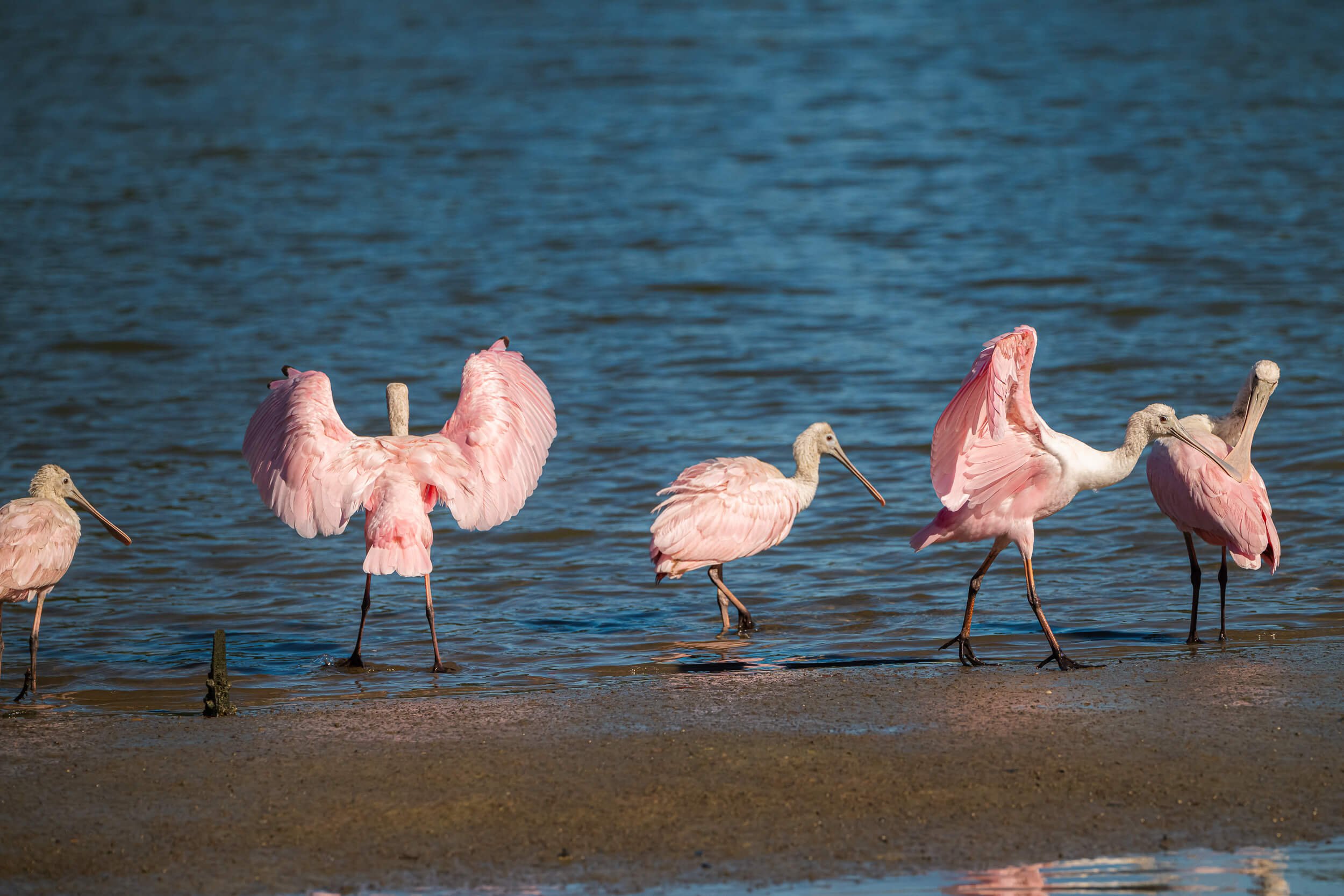
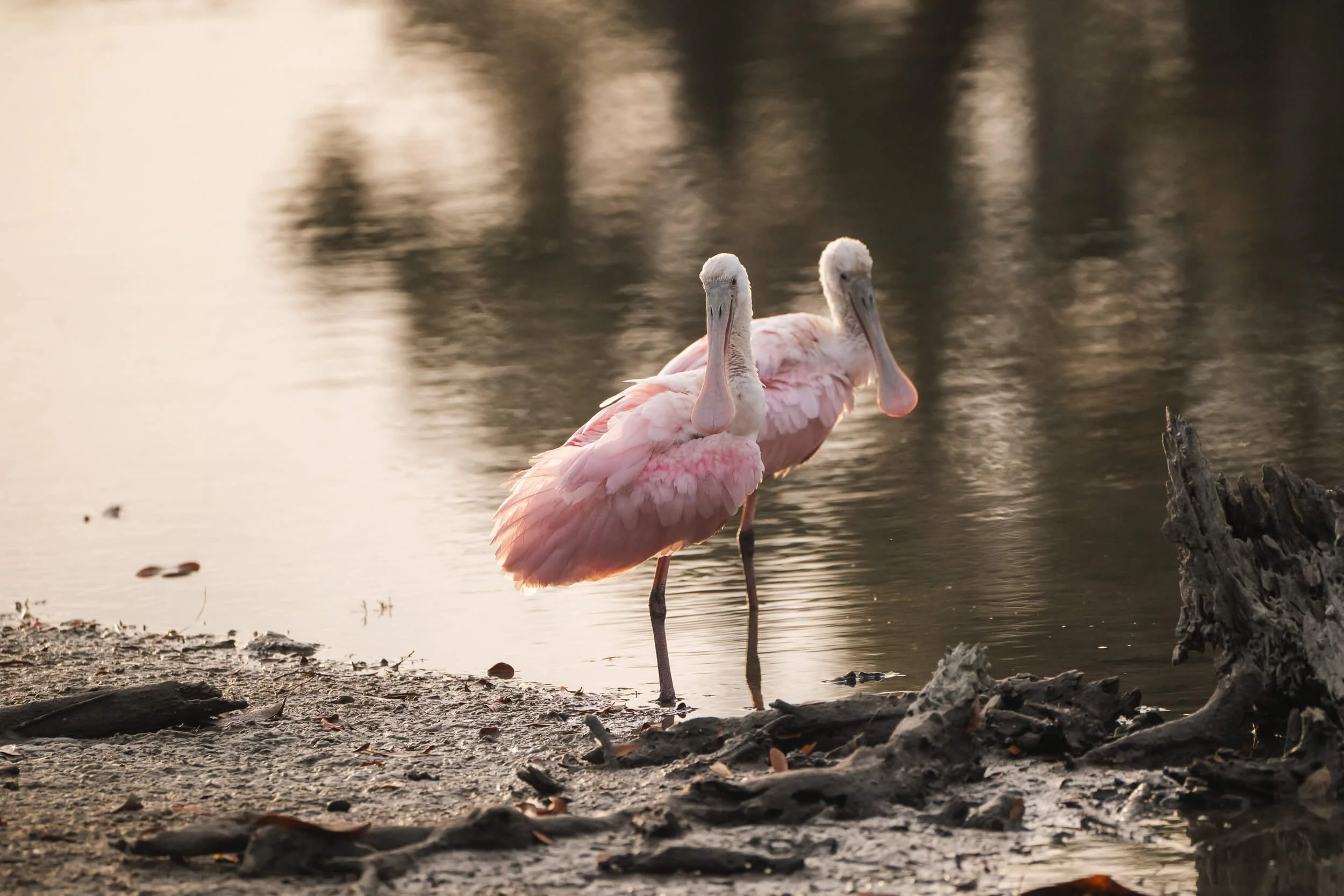
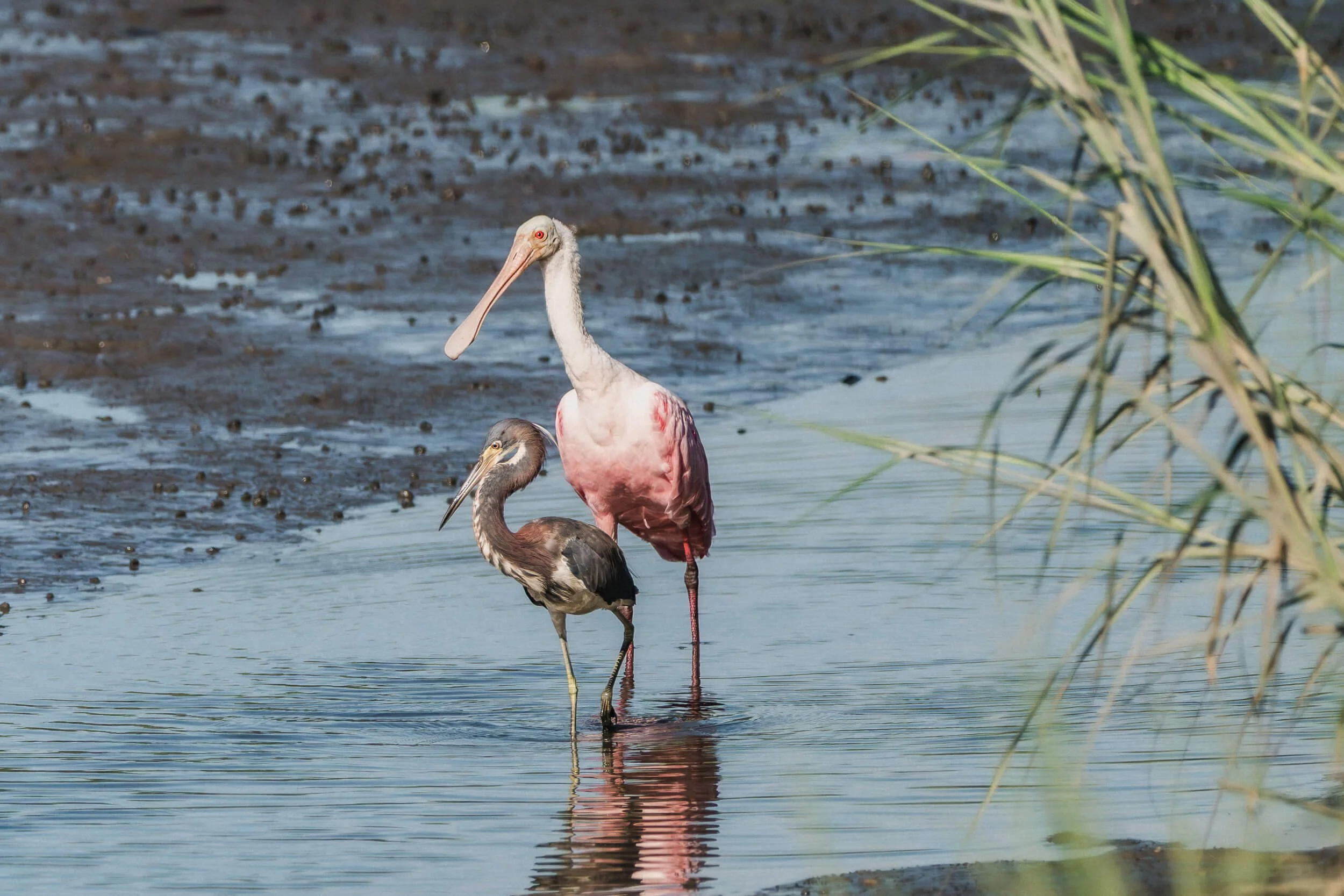
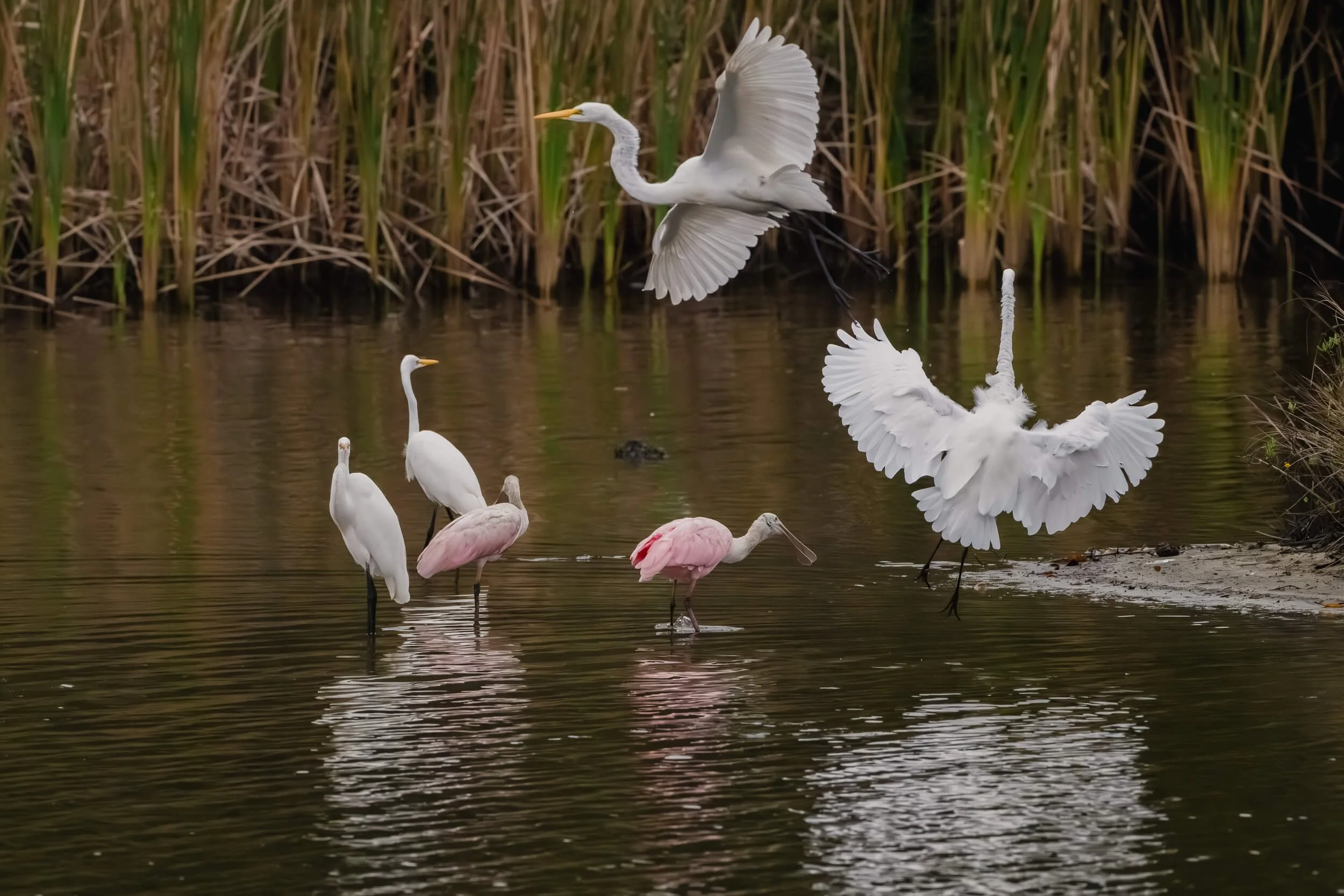
The Pink Icons: Roseate Spoonbills
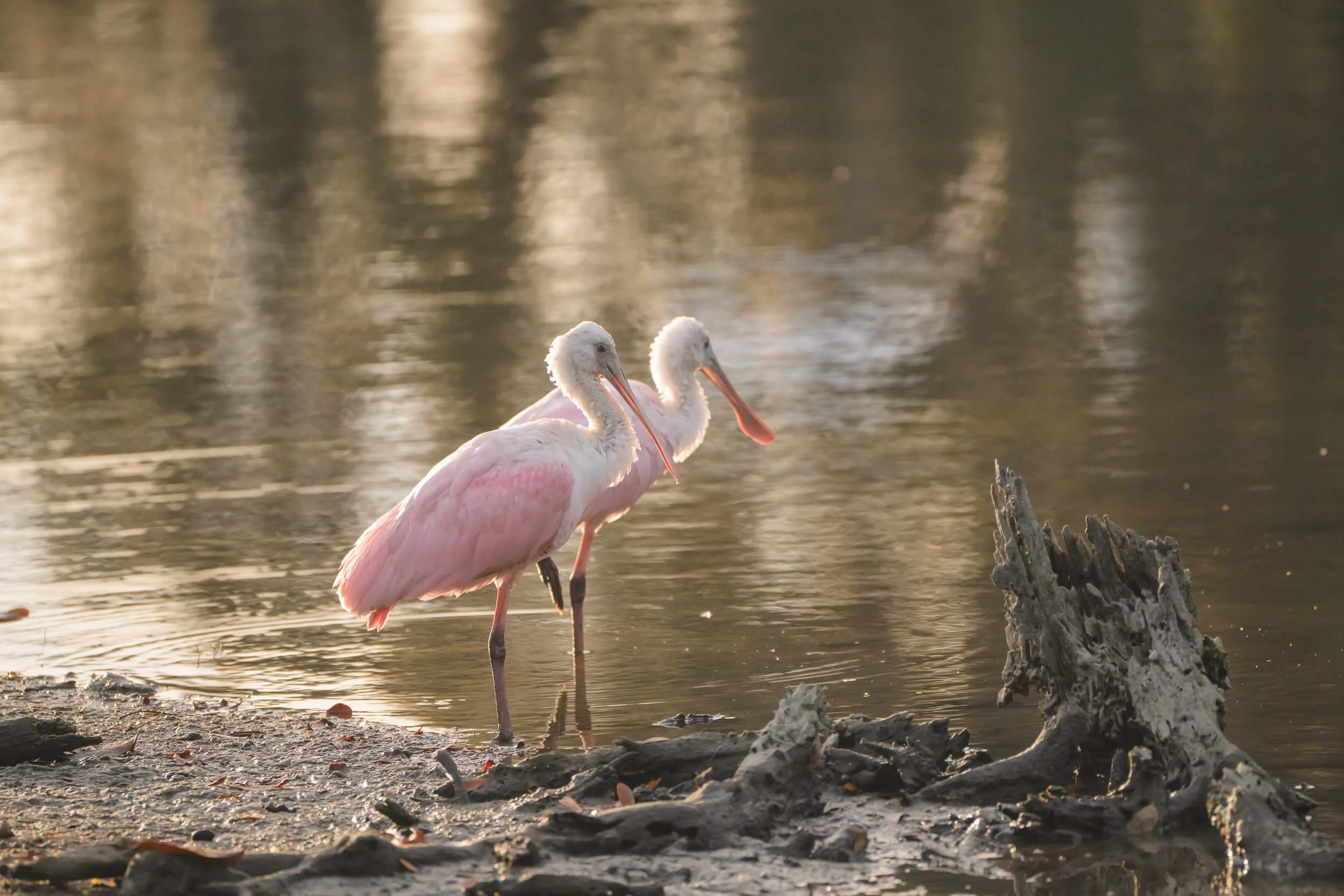
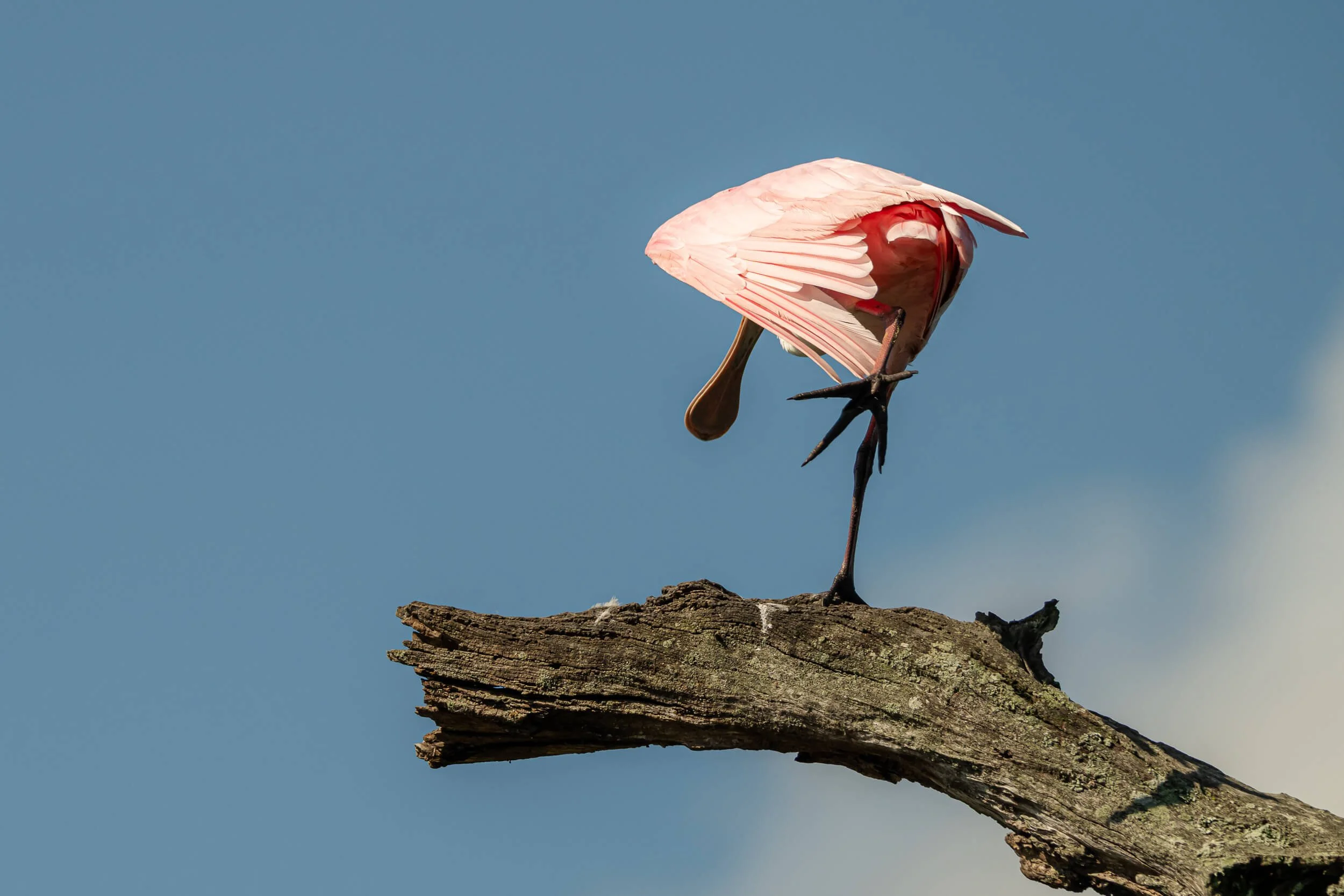
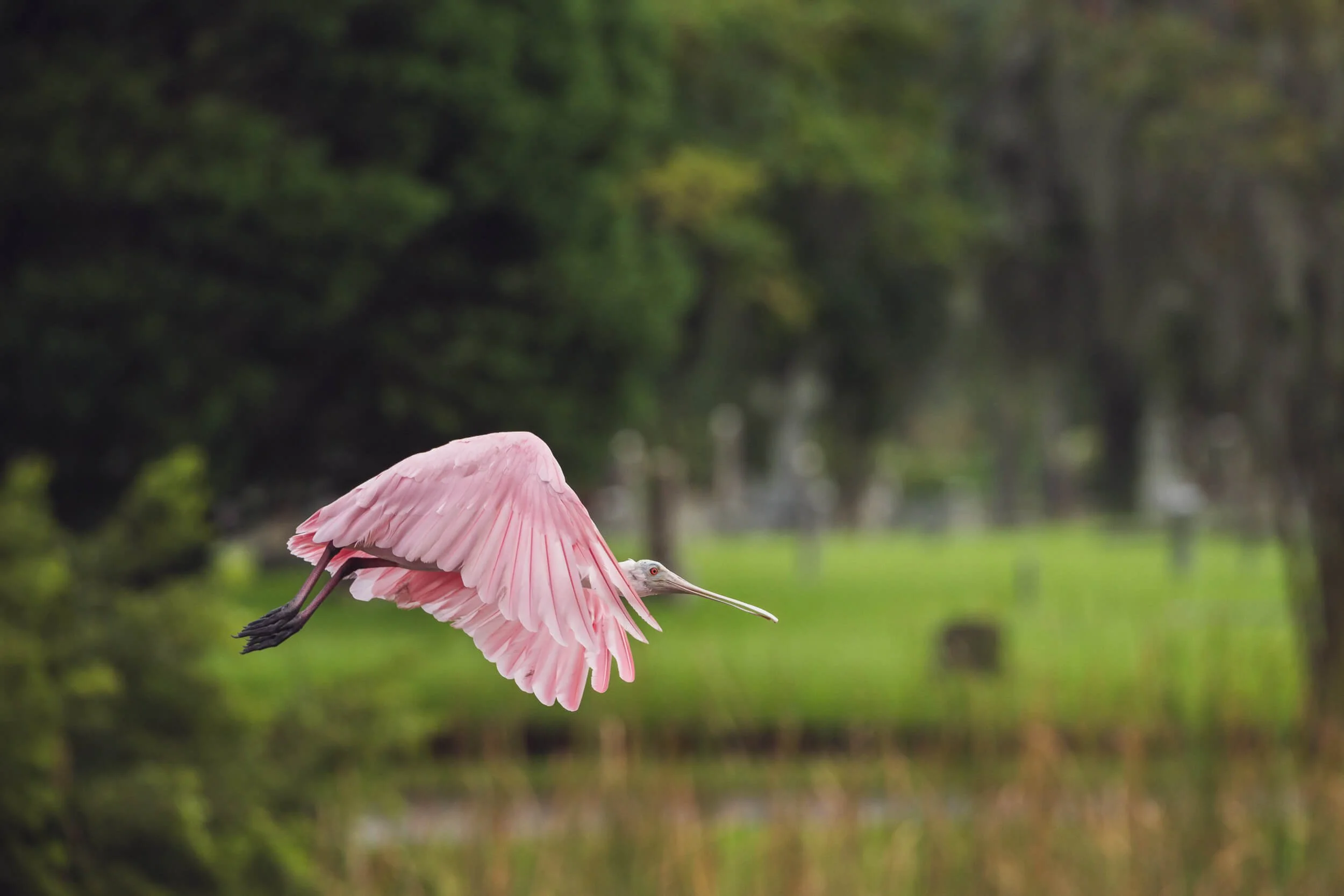
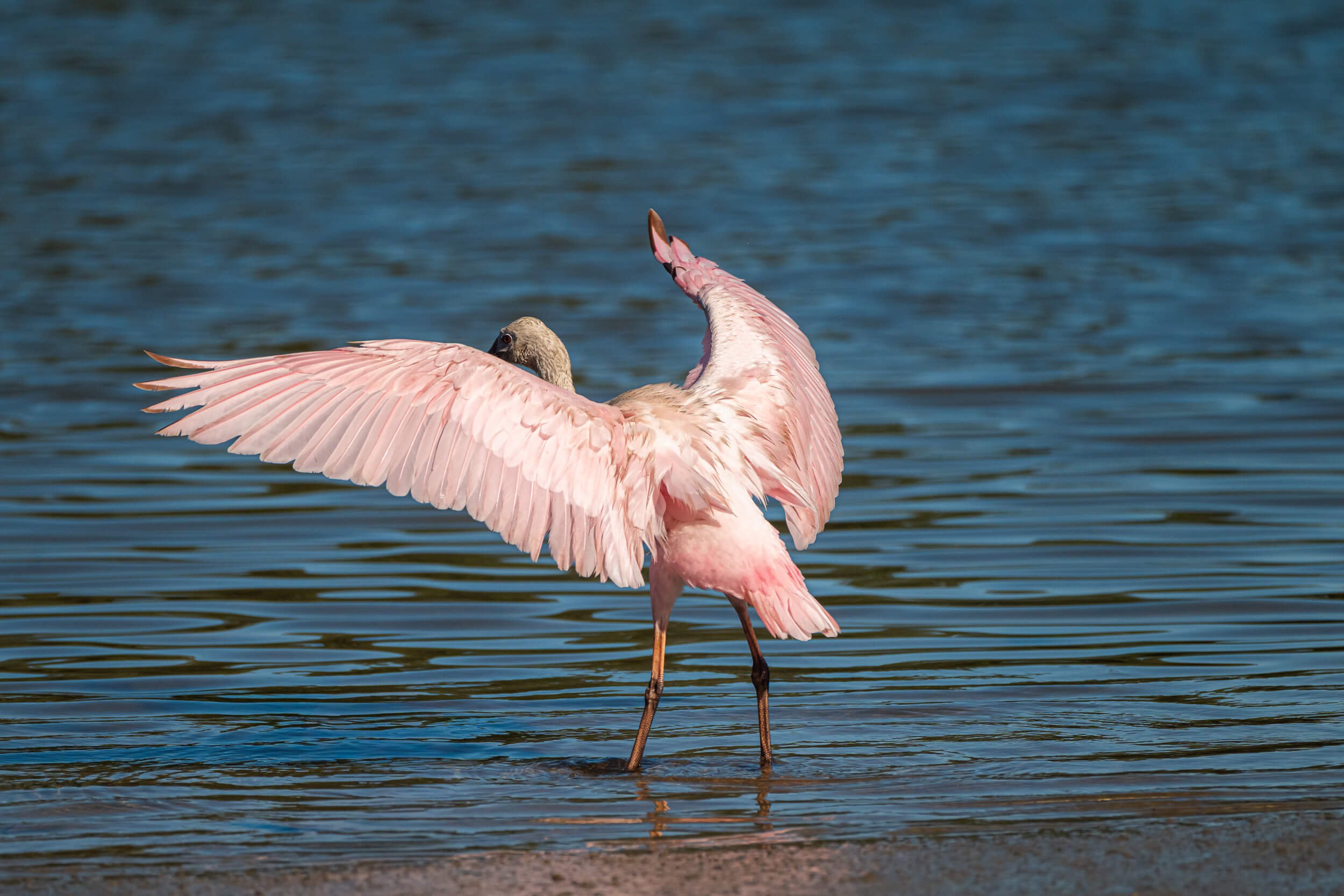
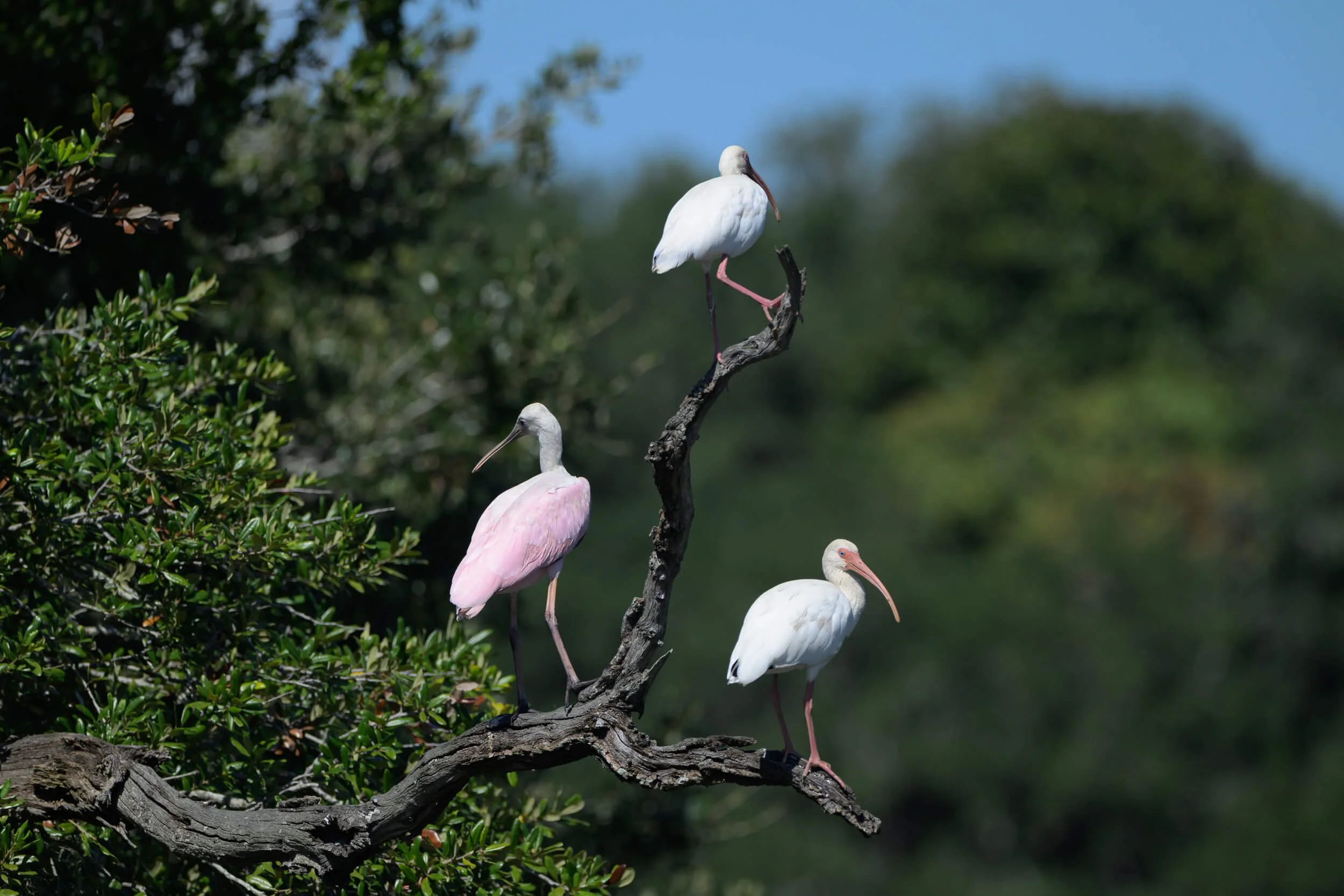
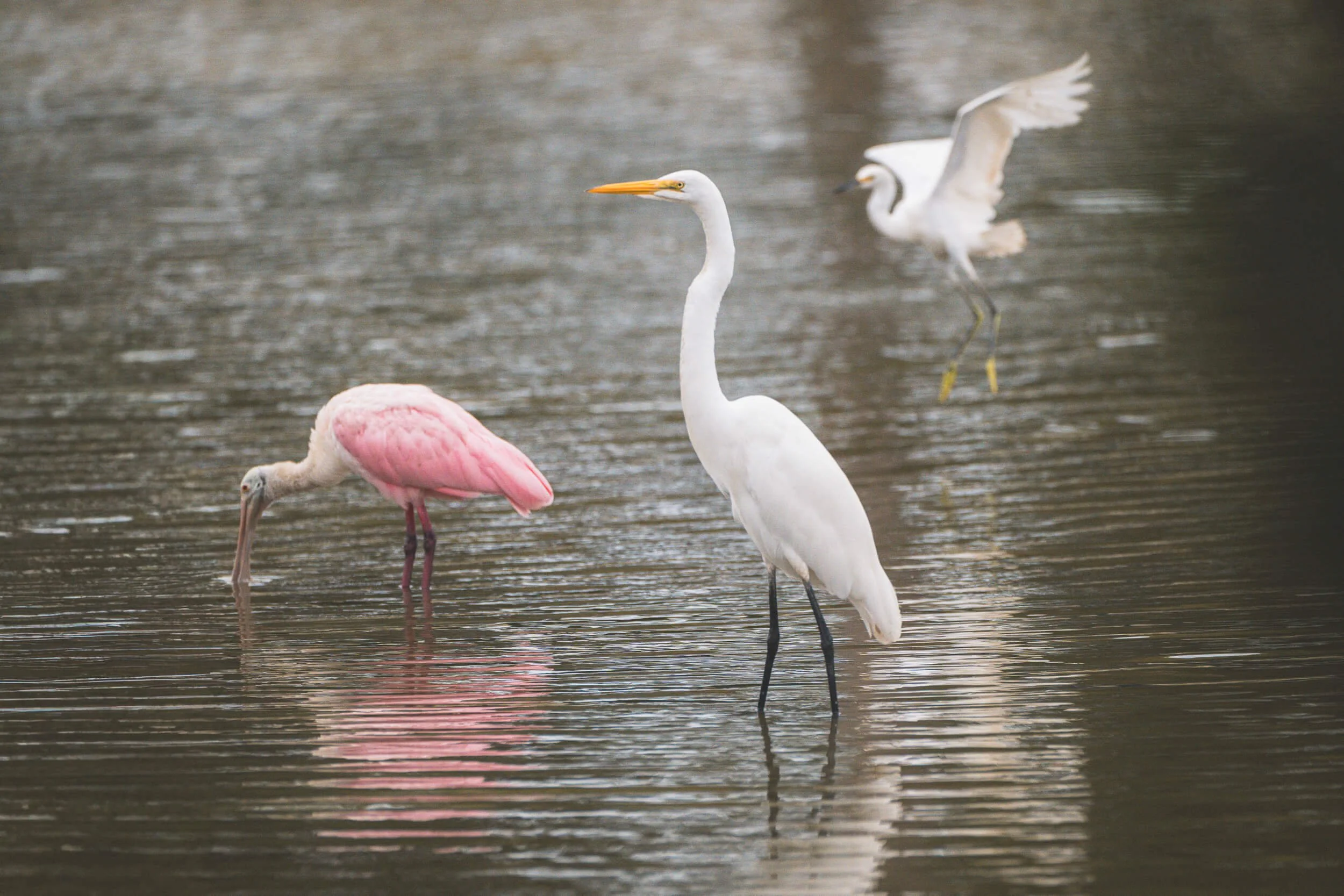
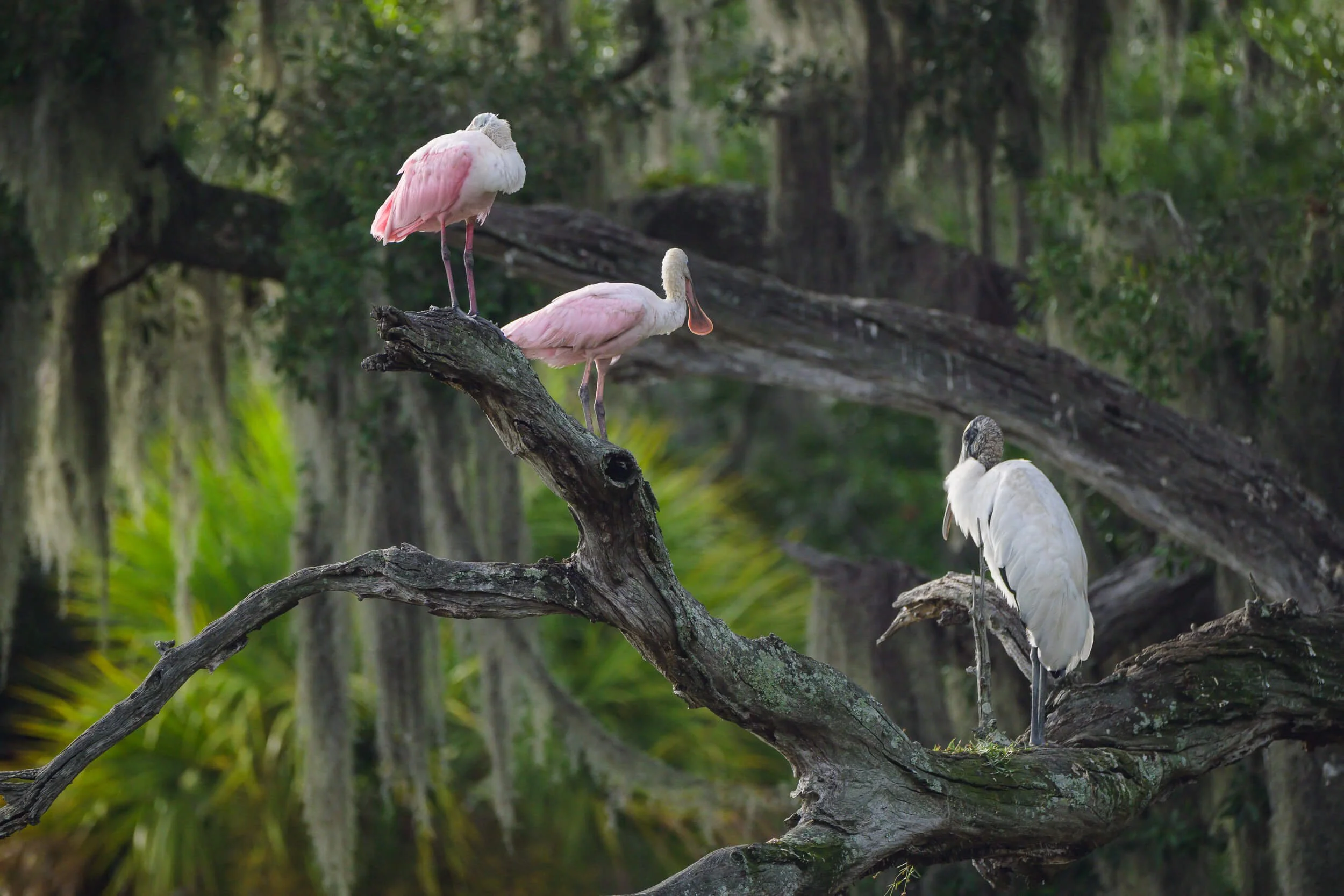
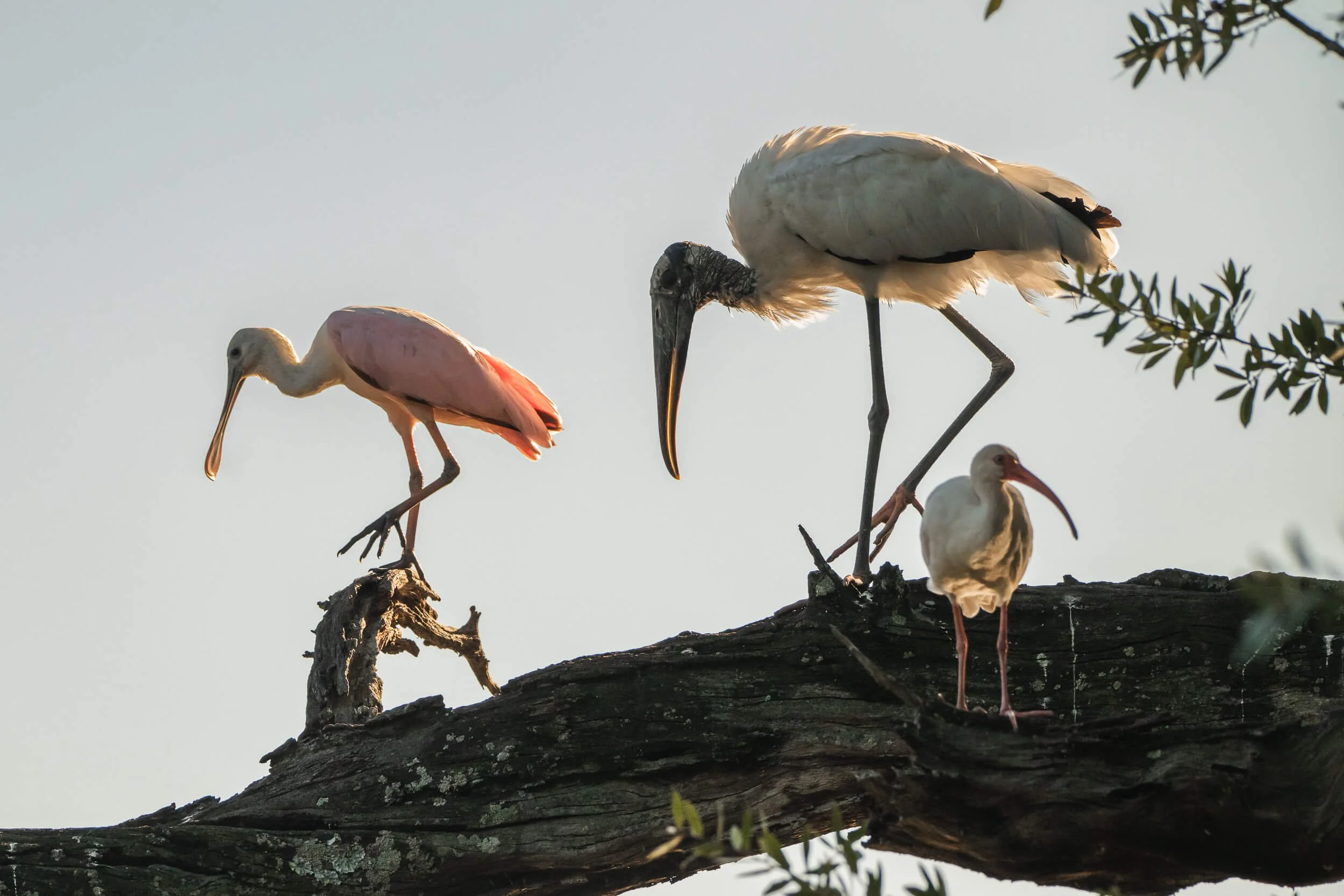
It’s been incredible to watch the Spoonbill population grow here. They are staying longer and longer each year—arriving in the spring and often sticking around straight through January. While they’re sometimes confused for flamingos by visitors, they’ve become a true favorite for local birders and photographers alike.
After all, who can resist that pink plumage? They are just so uniquely built, especially that prehistoric-looking, spatula-shaped bill that they sweep through the water to feed. They’ve quickly become the stars of the Charleston marsh.
Coastal Movement: IOP, Sullivan’s, and the Creeks
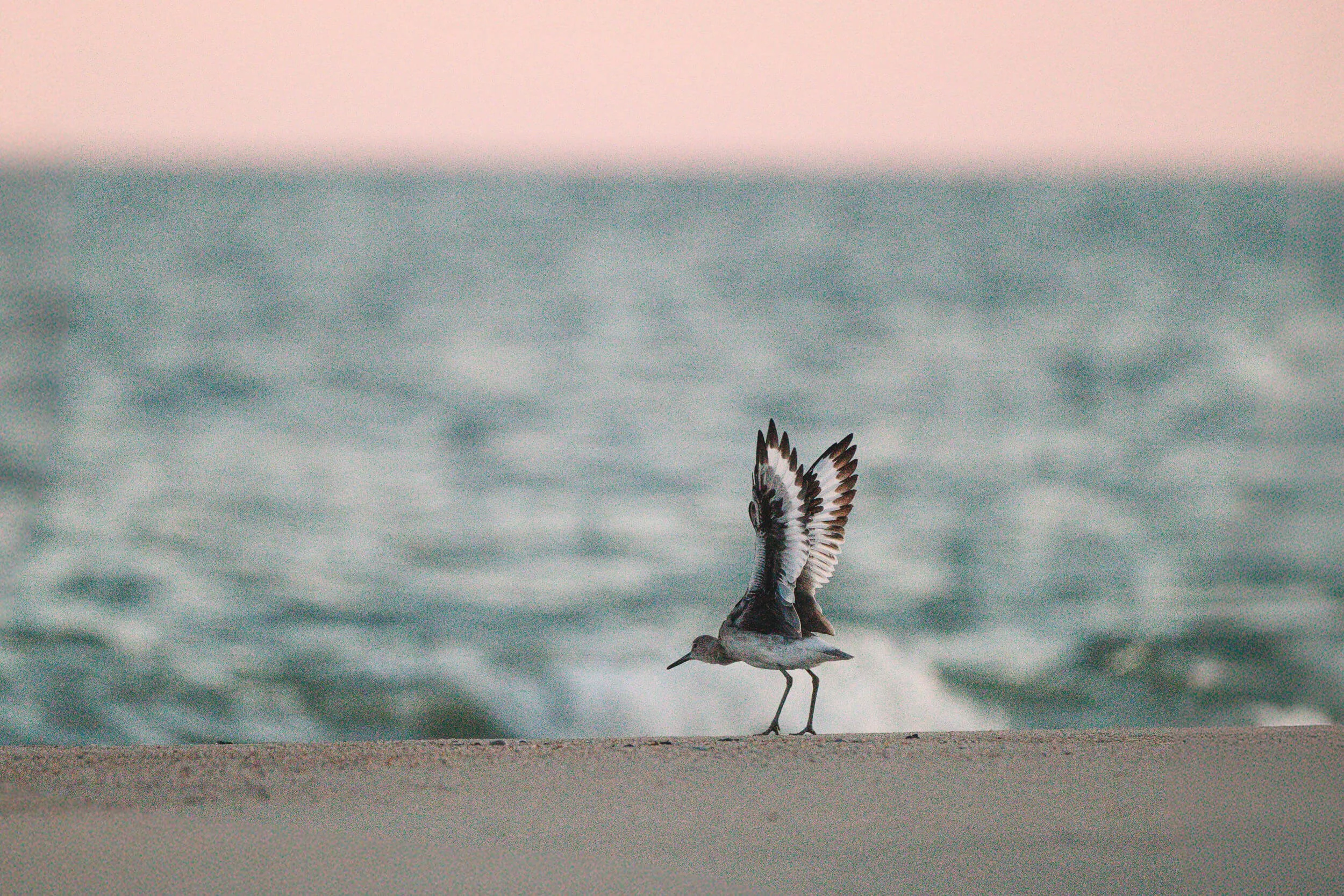
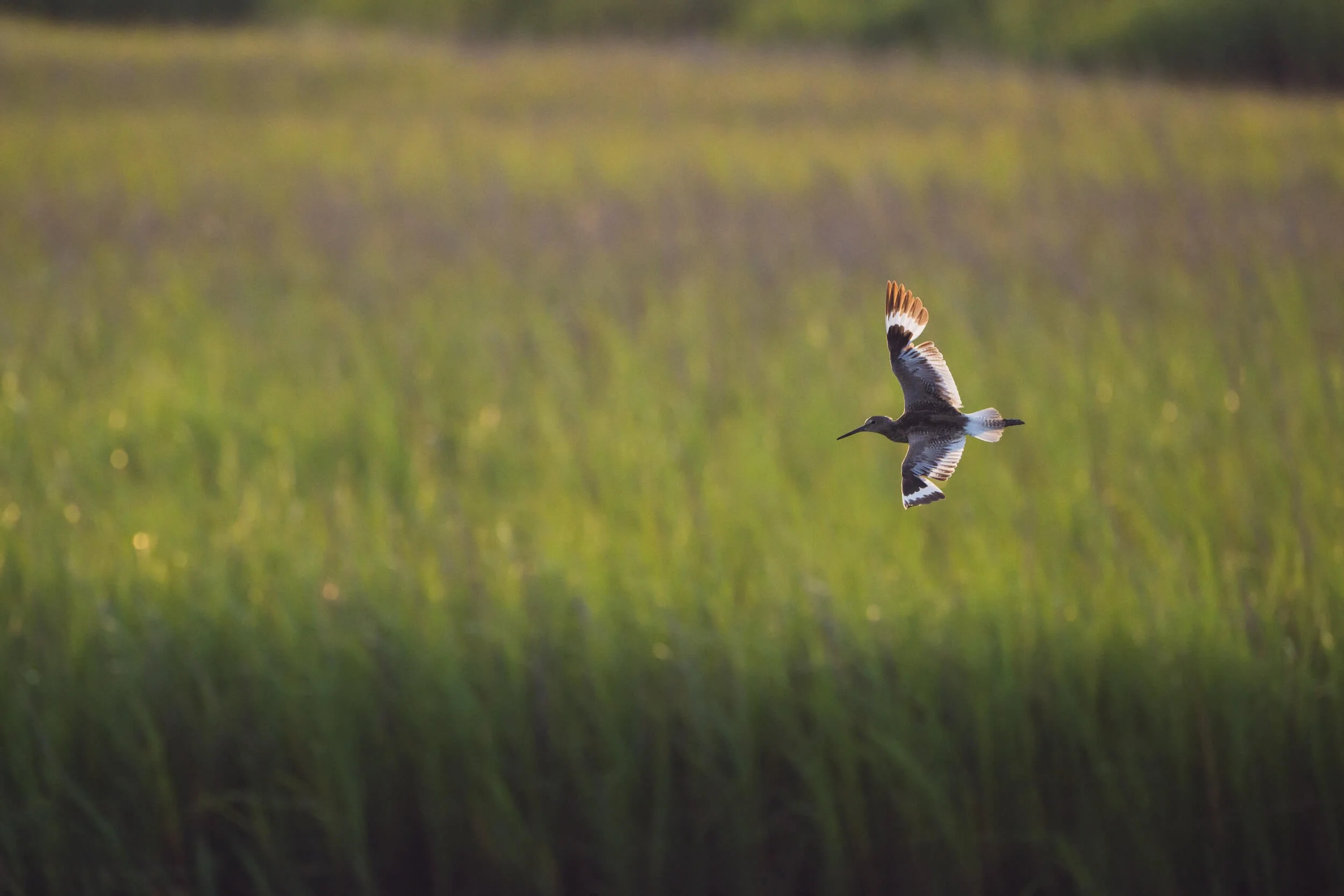
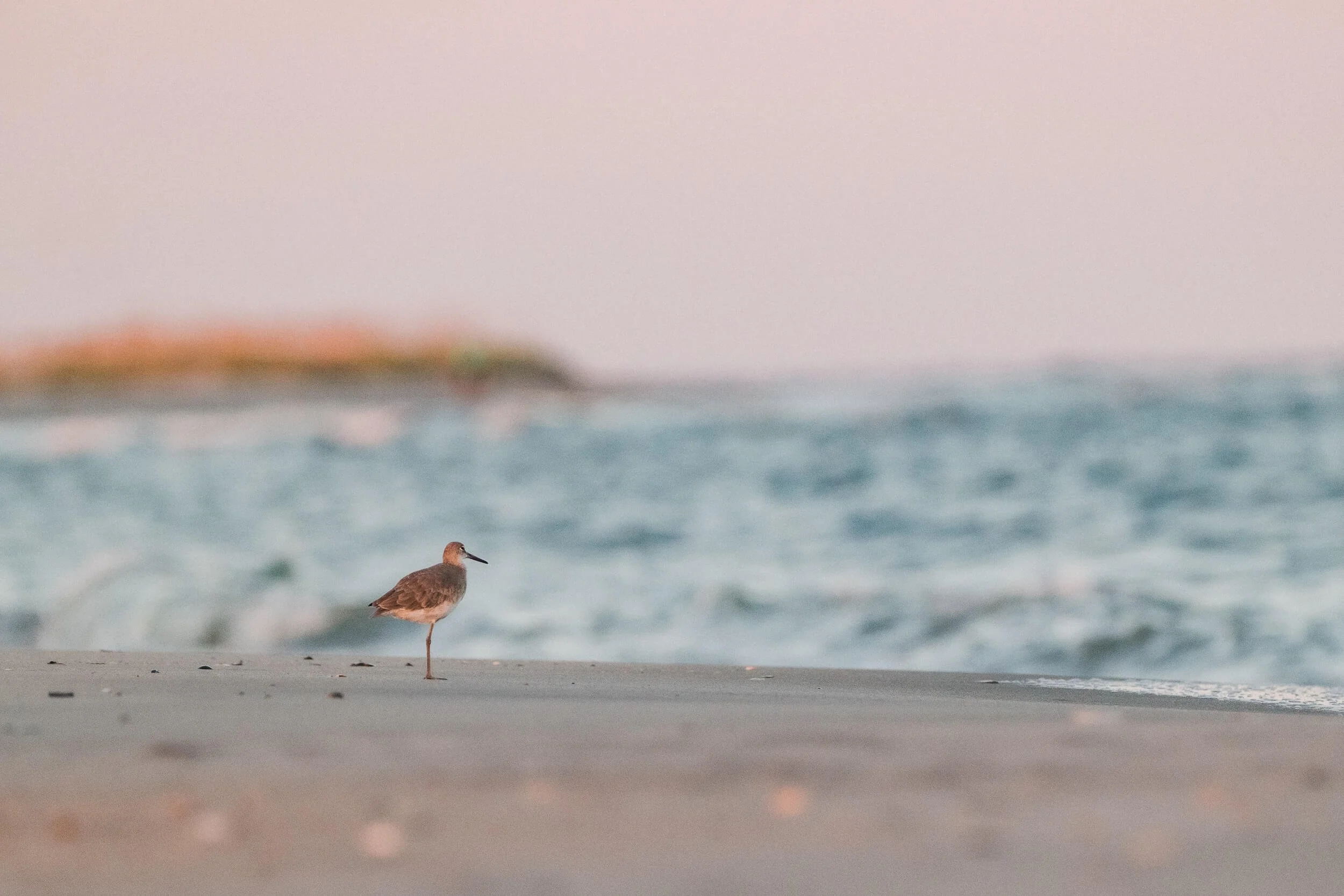
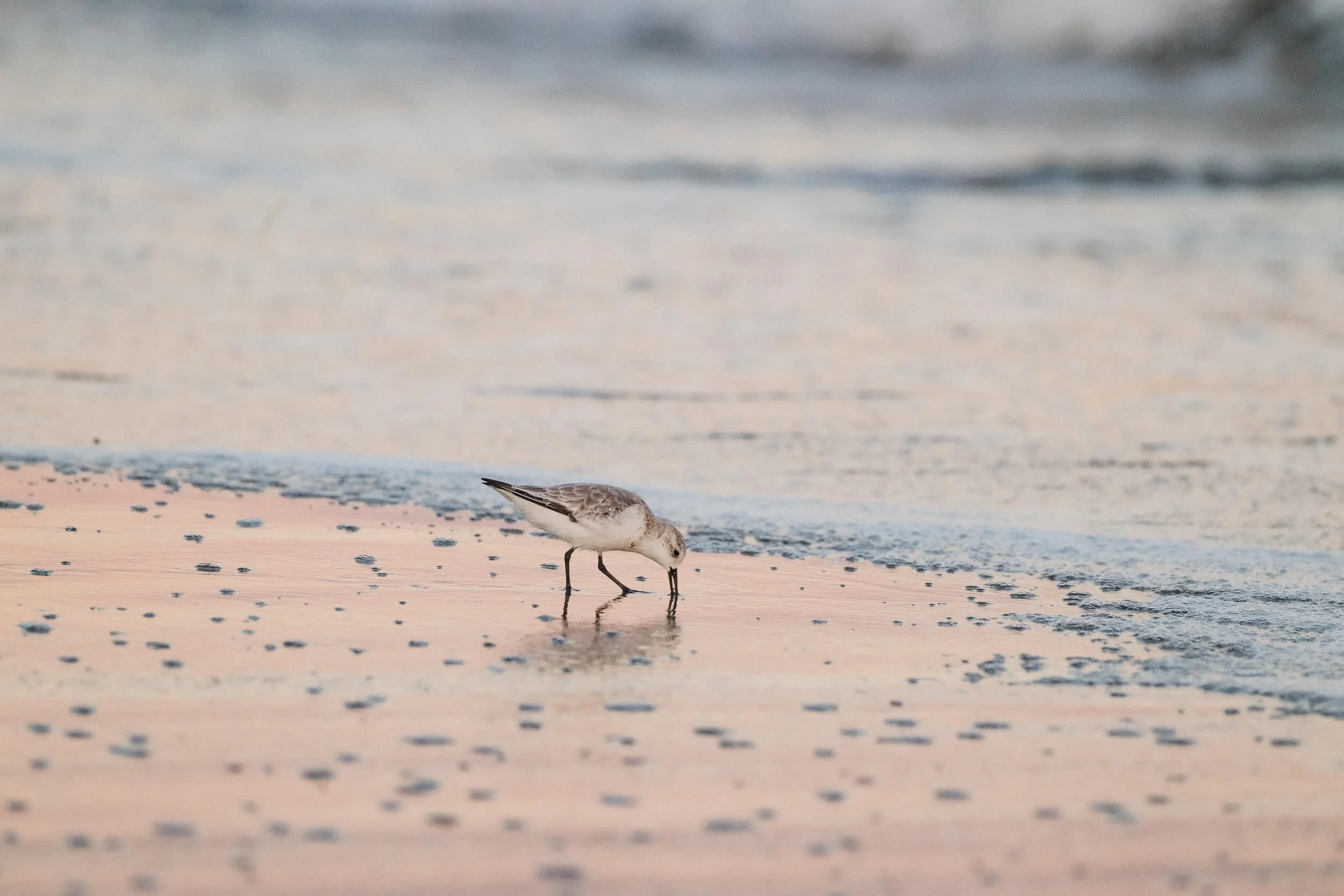
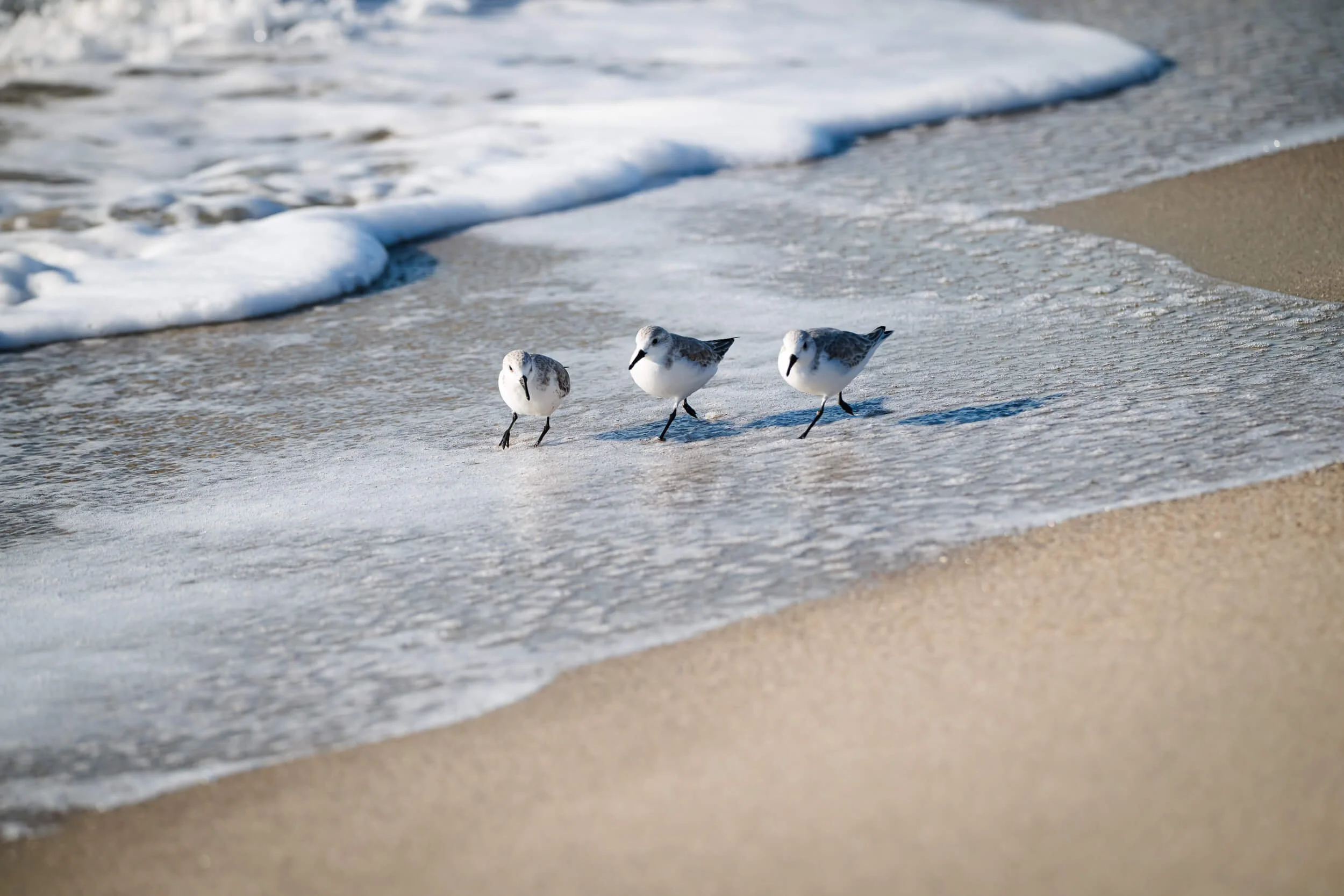
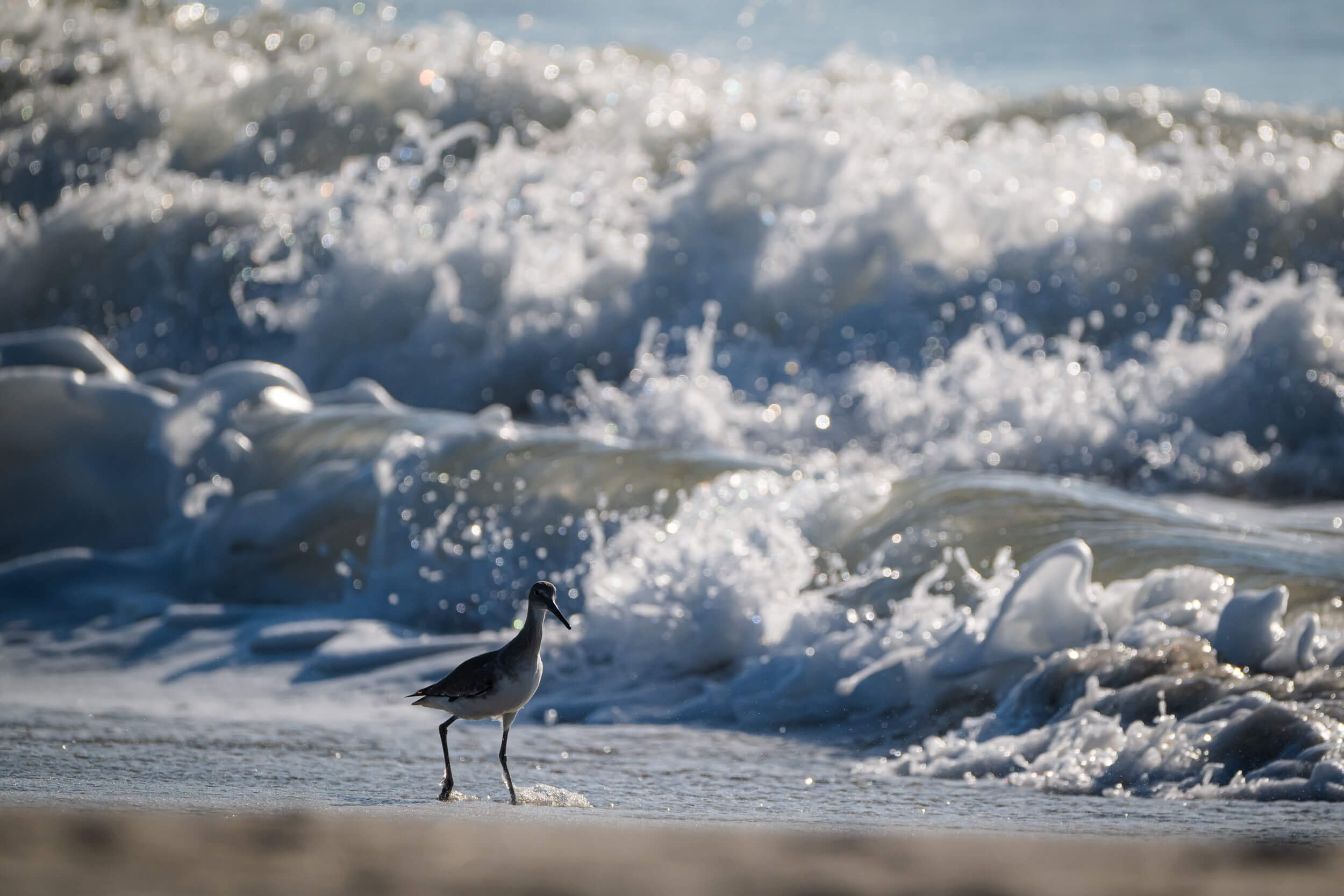
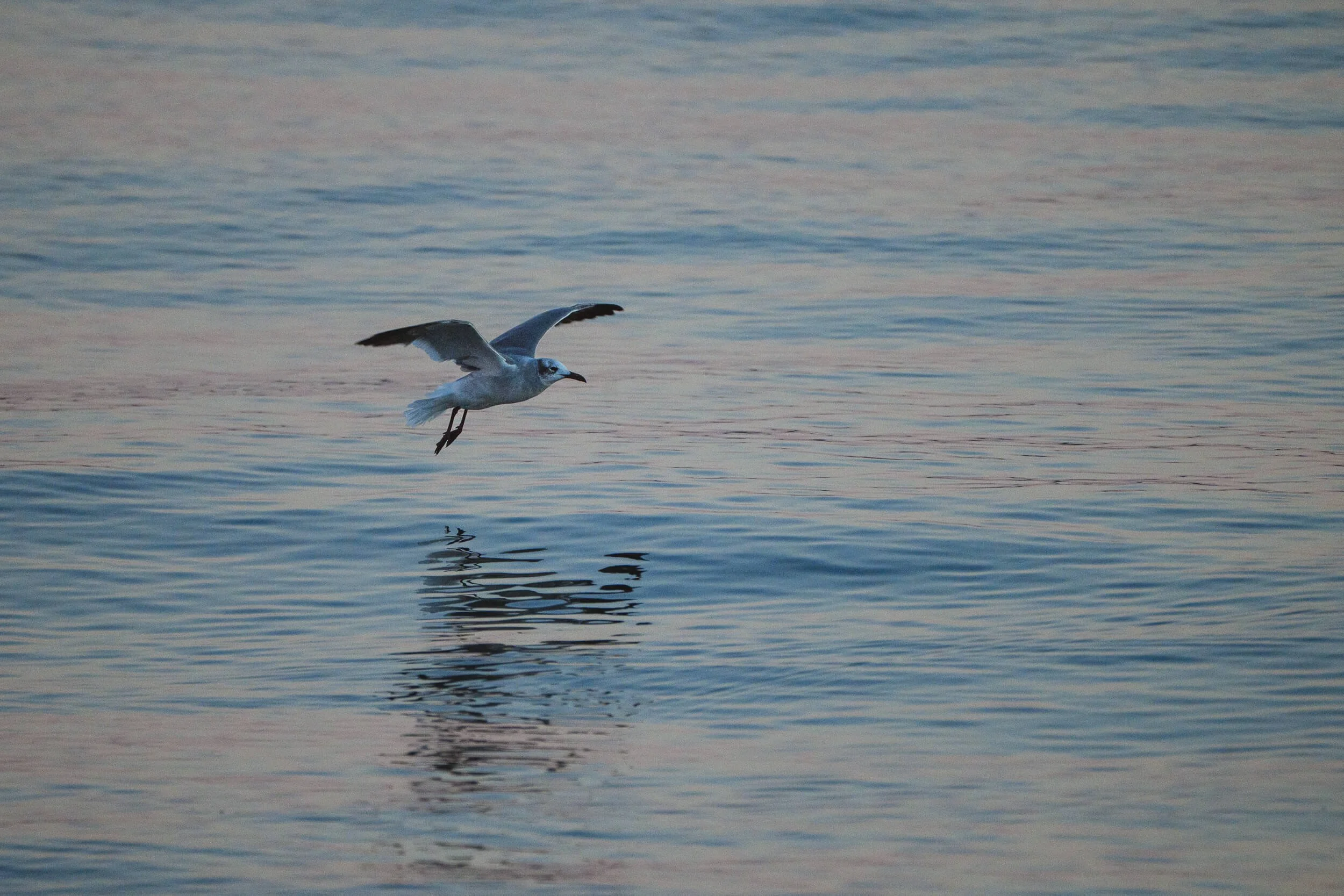
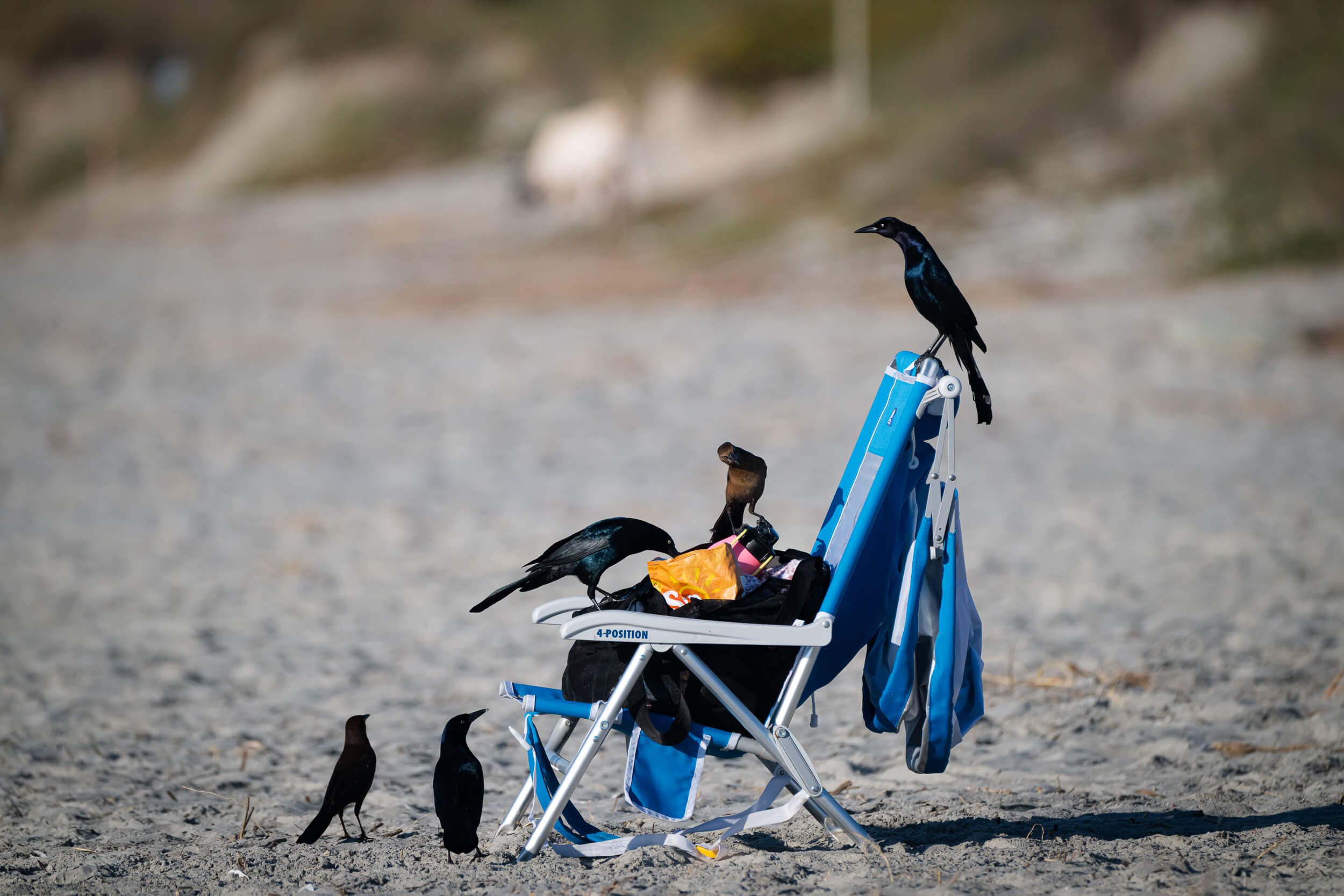
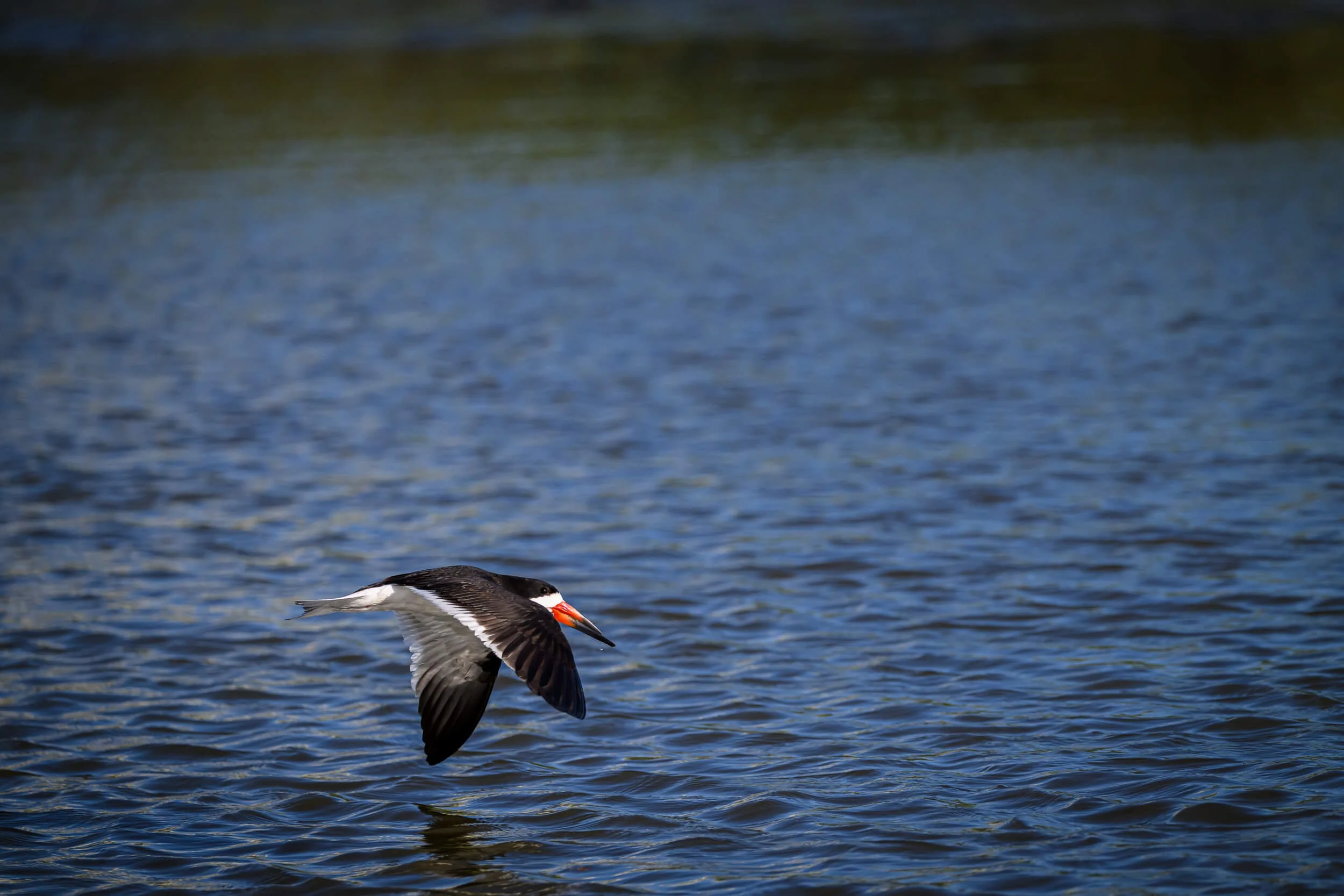
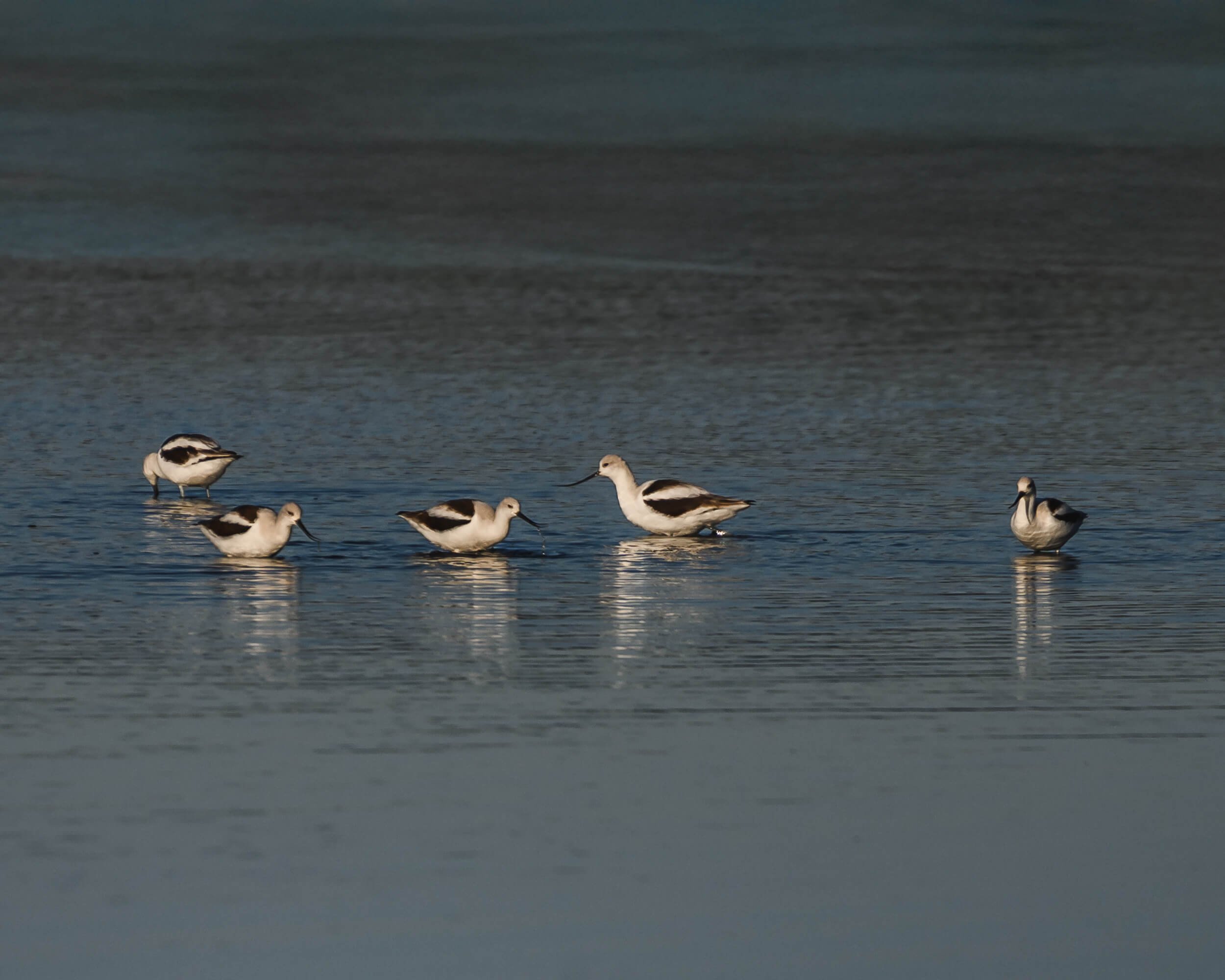
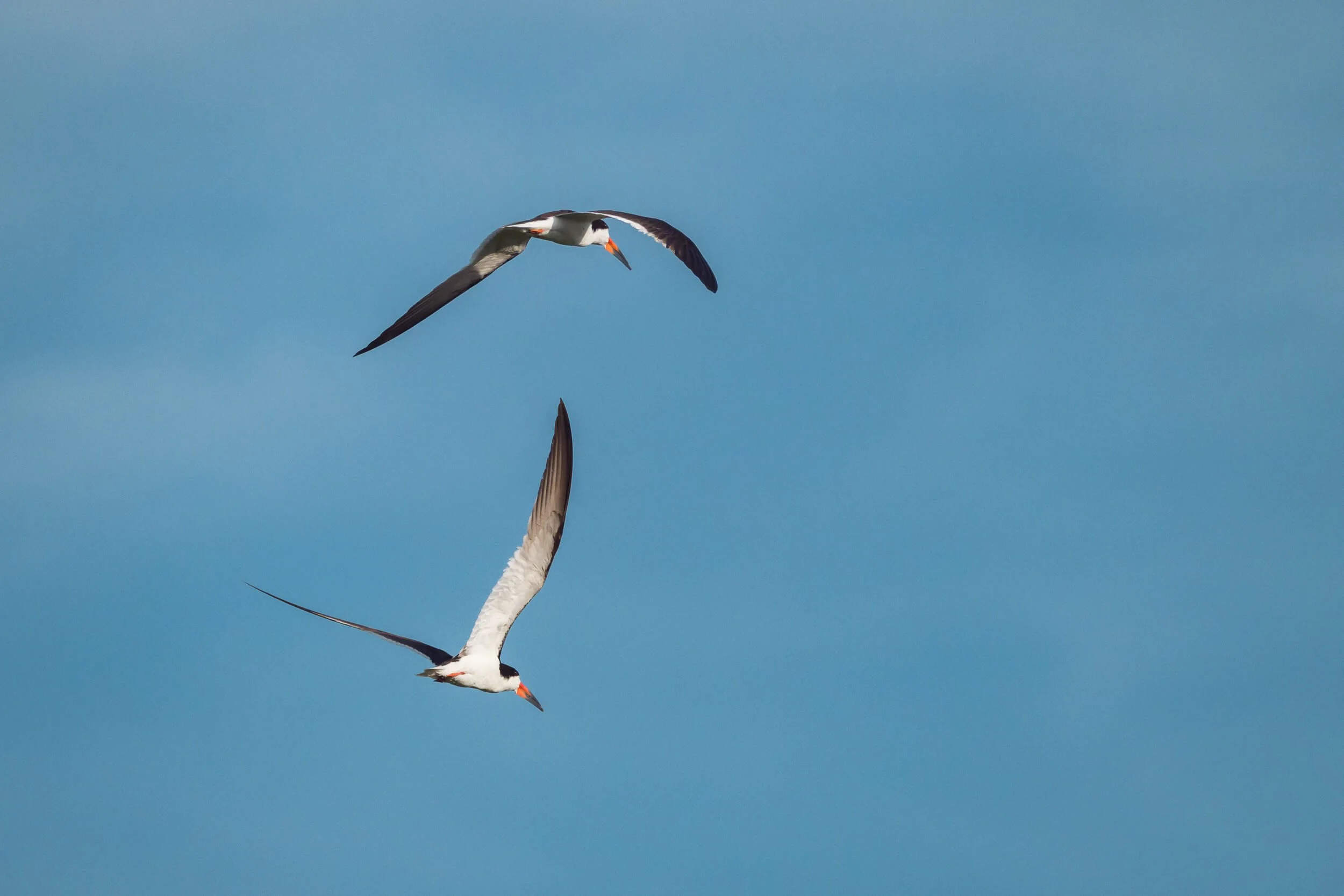
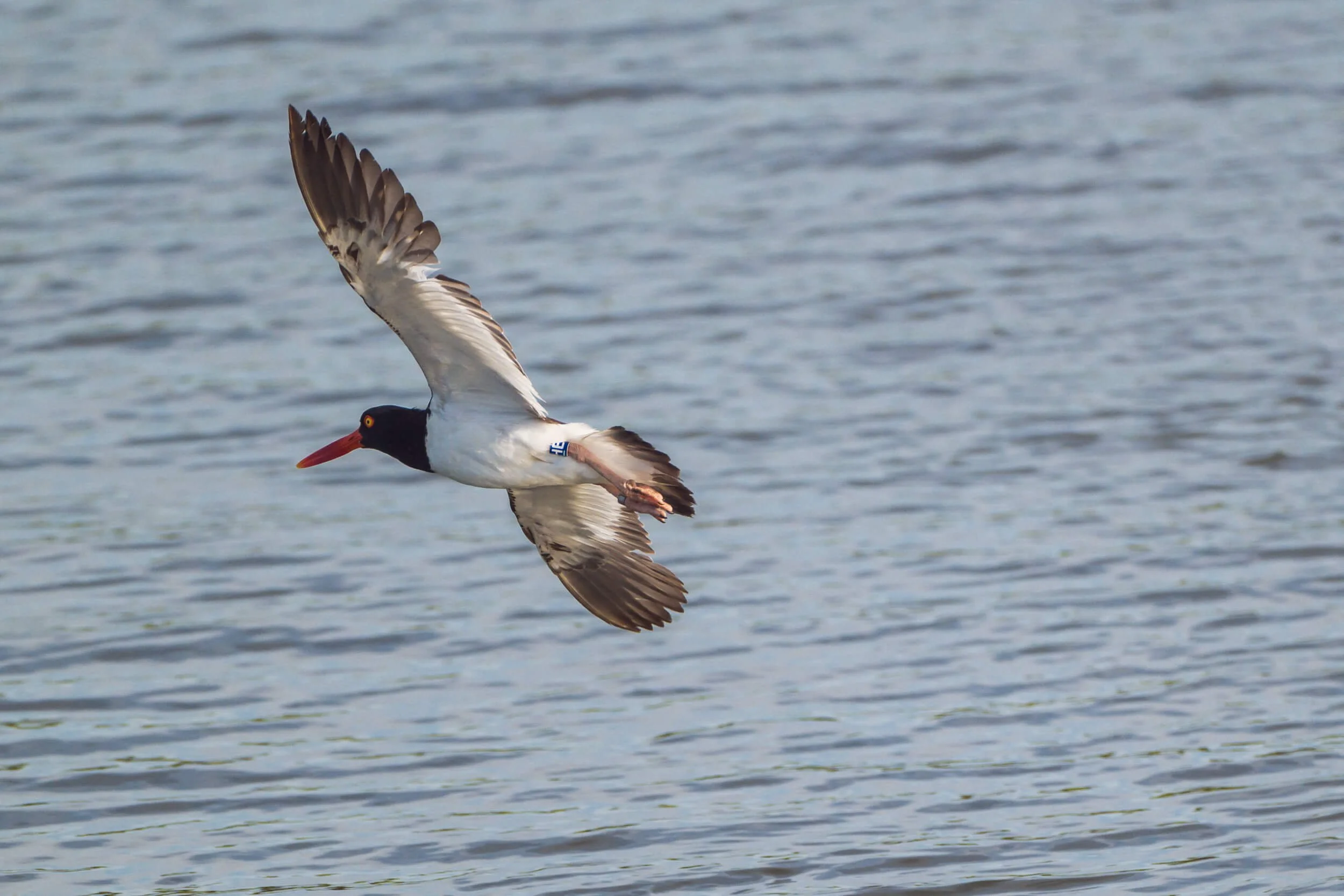
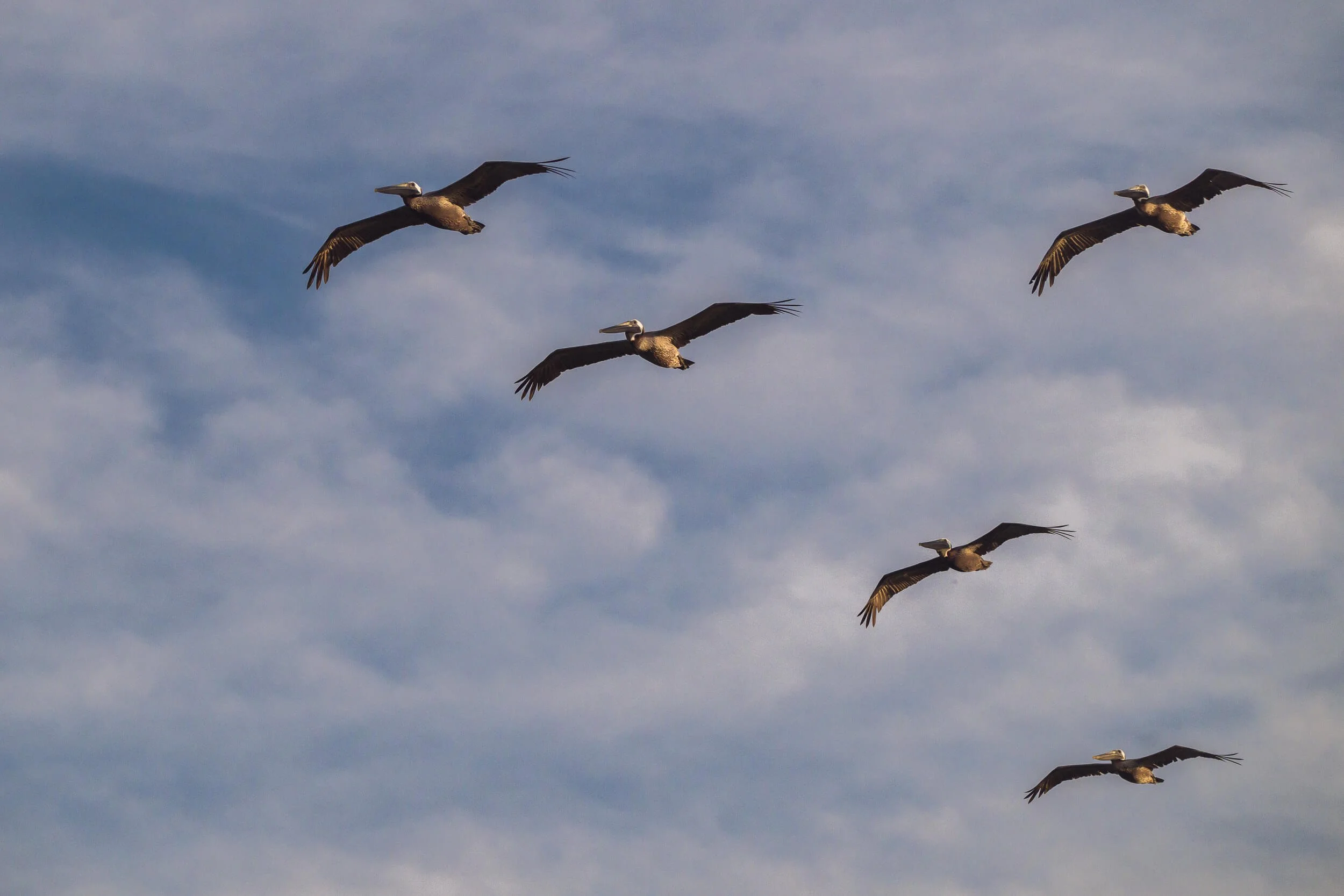
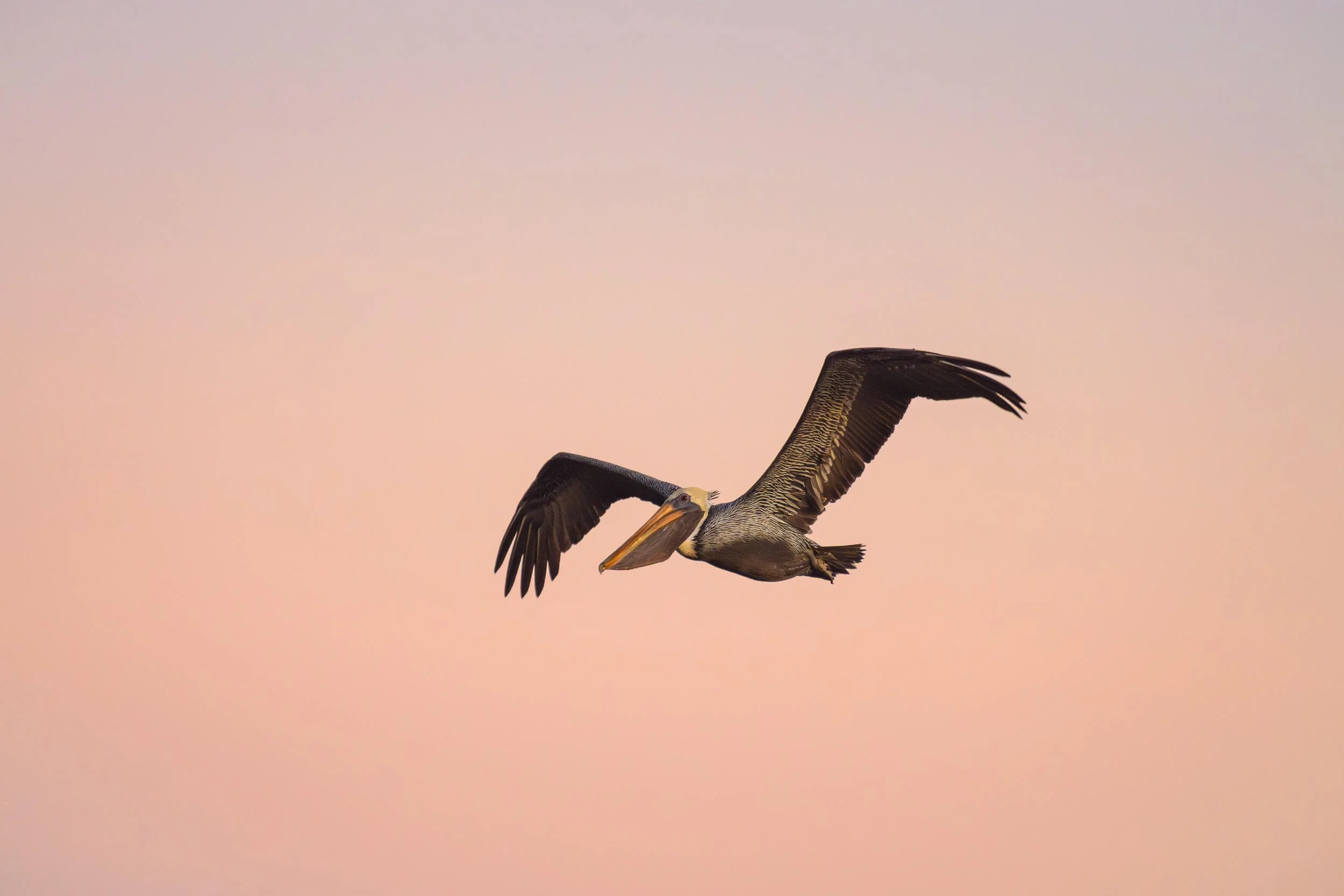
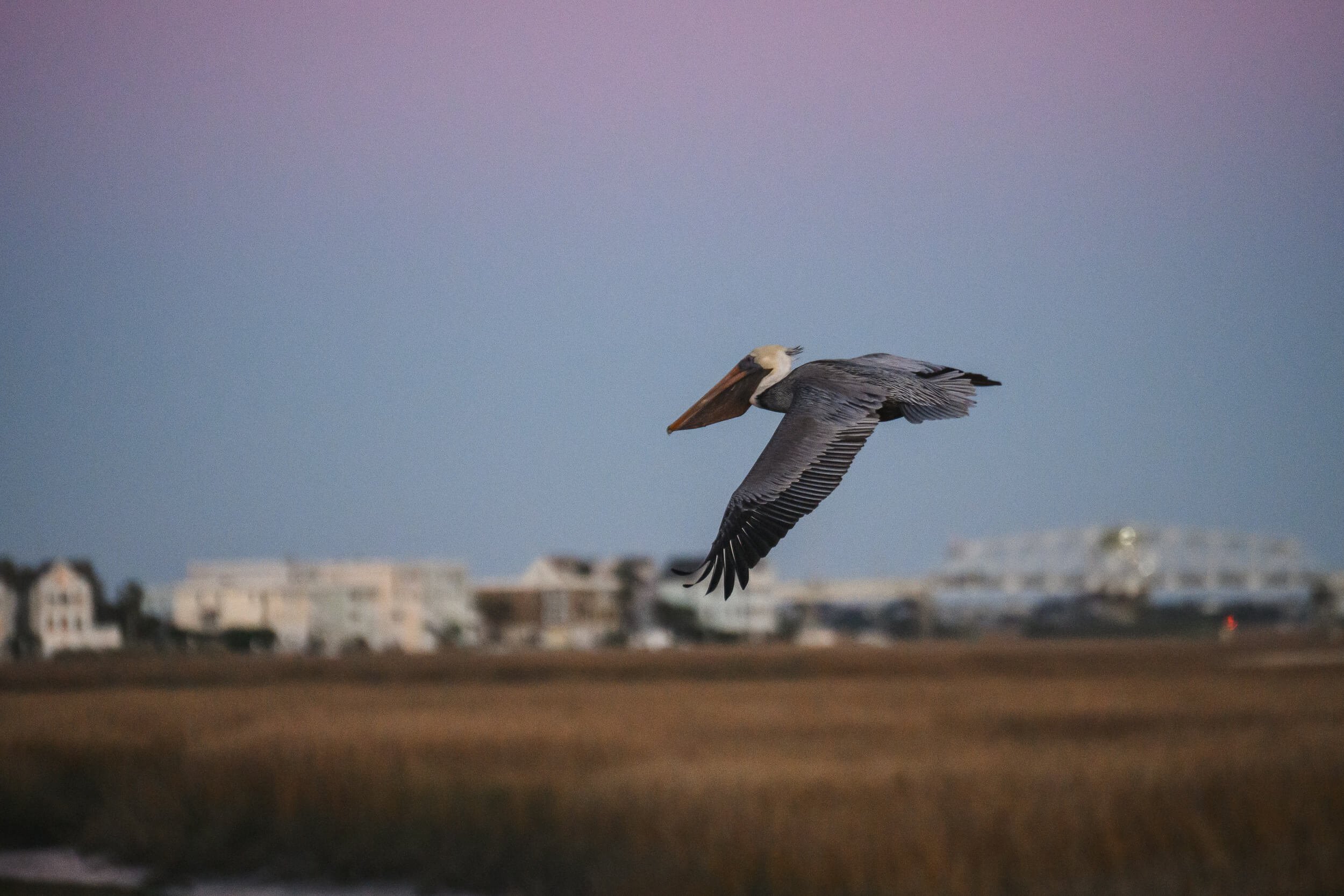
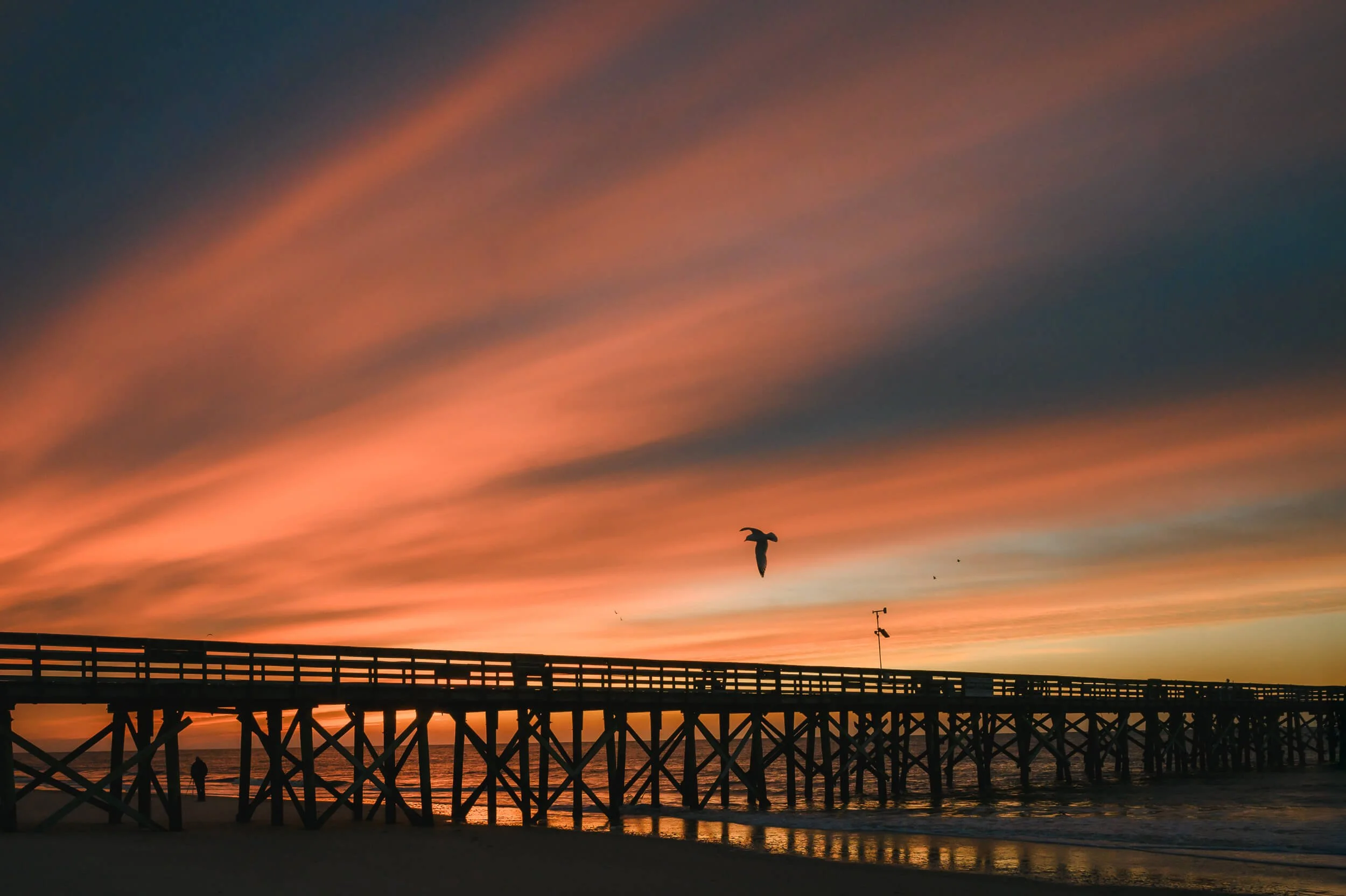
A huge part of this year was spent around the water—from the edges of IOP and Sullivan’s Island to the busy docks of Shem Creek and the mudflats at Pitt Street Bridge. These spots are like a crossroads for our coastal birds. You'll see the Black Skimmers and Oystercatchers working the harbor, and Willets darting along the shorelines. They might be smaller than the Herons, but these shorebirds have just as much personality if you take the time to look.
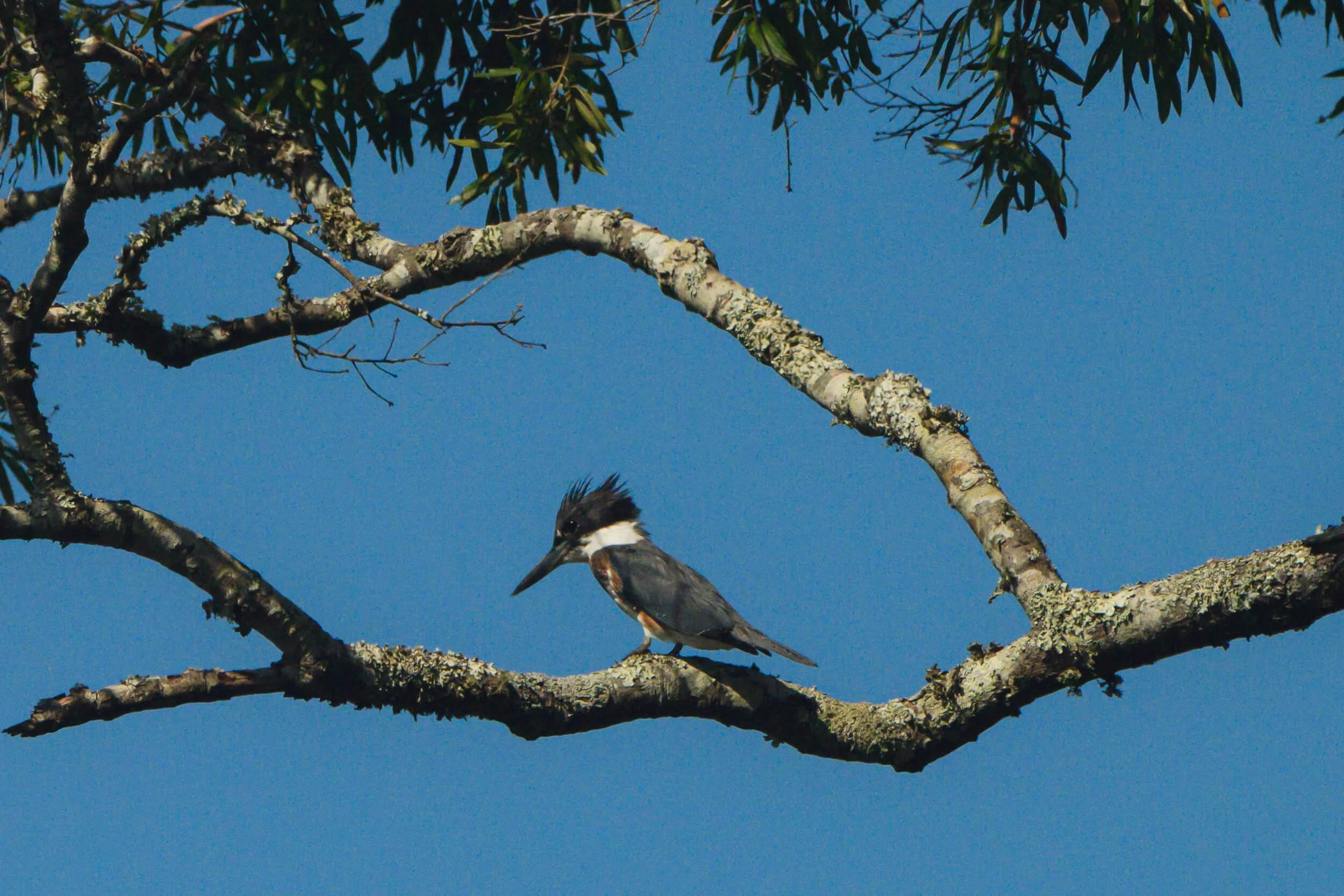
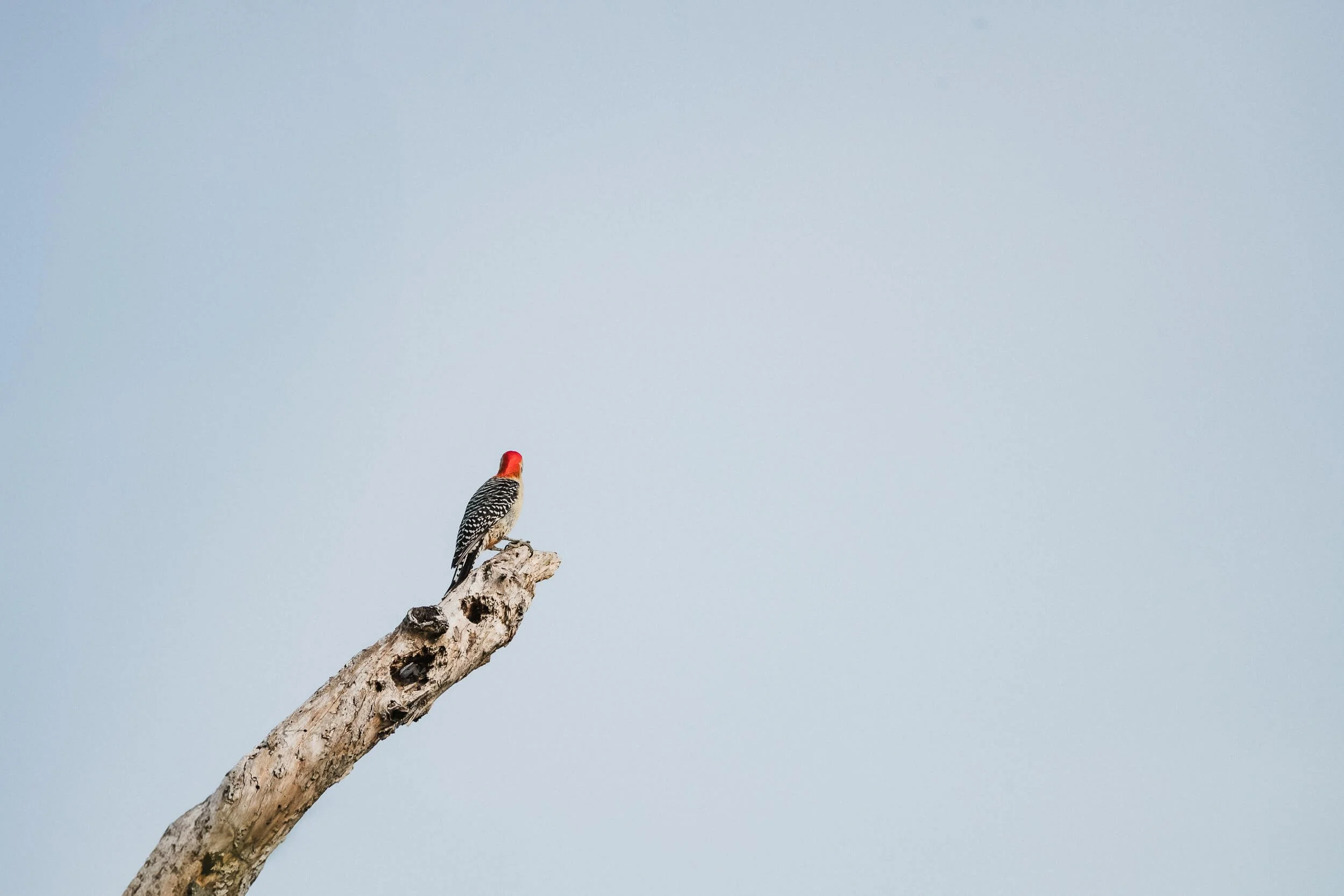
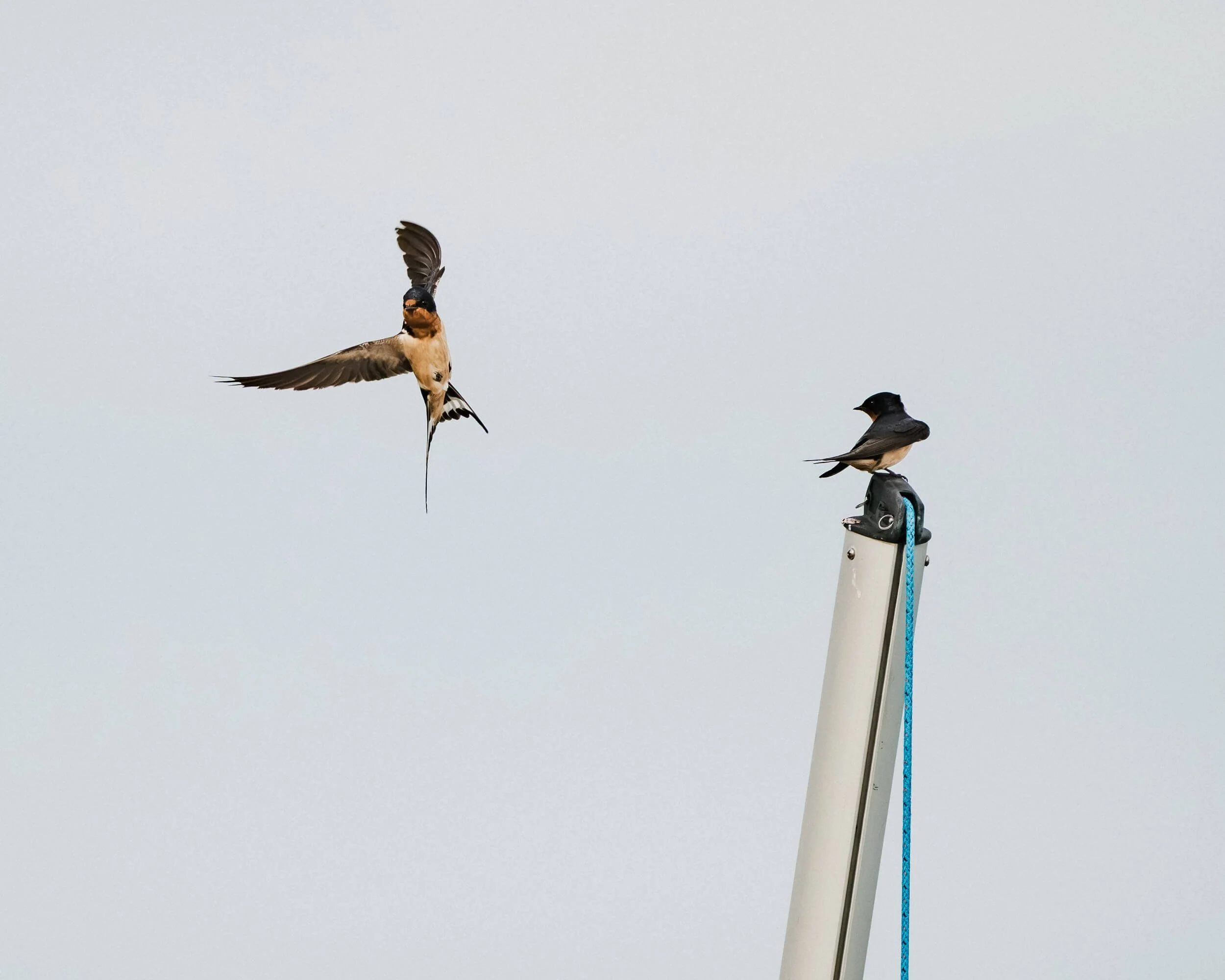
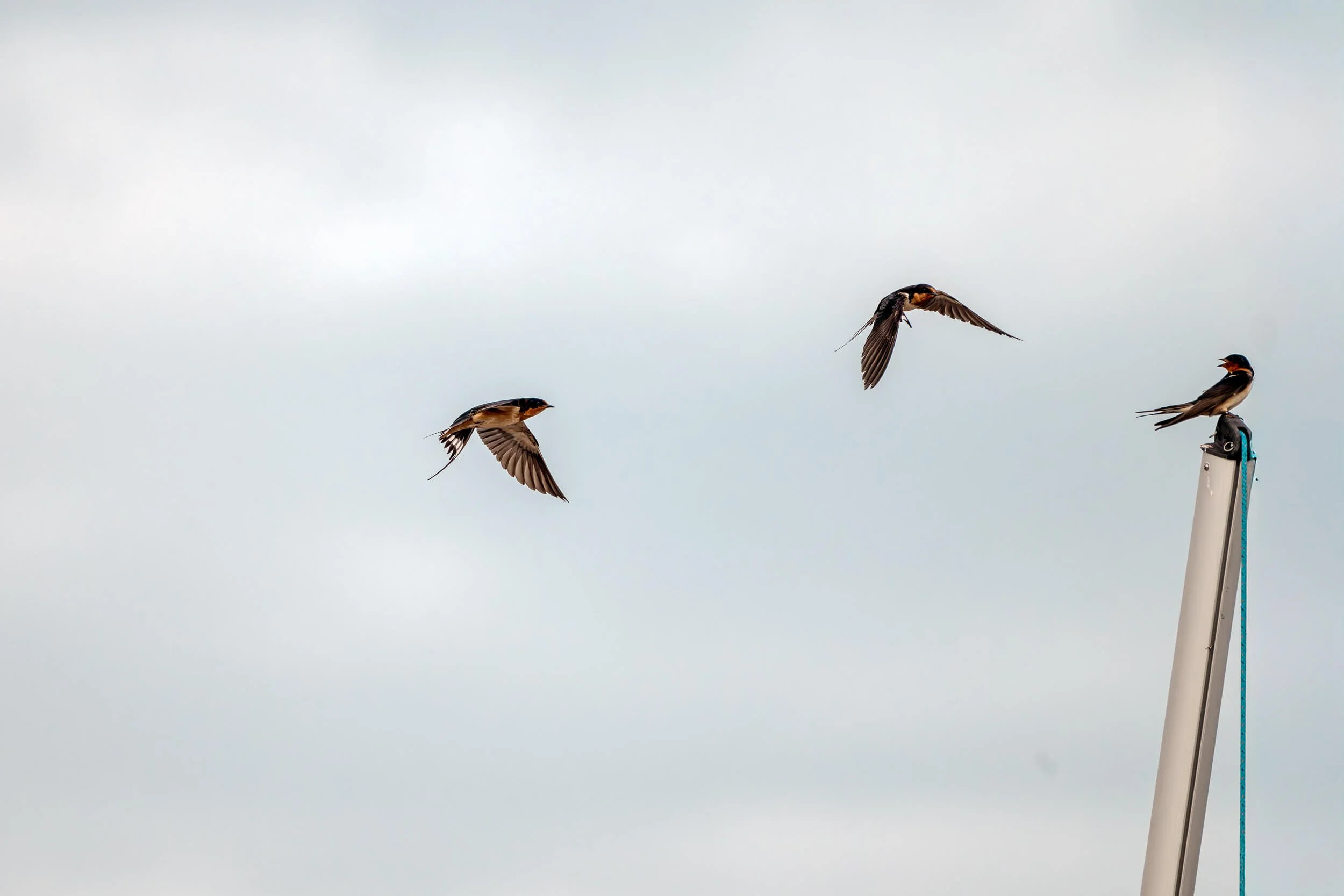
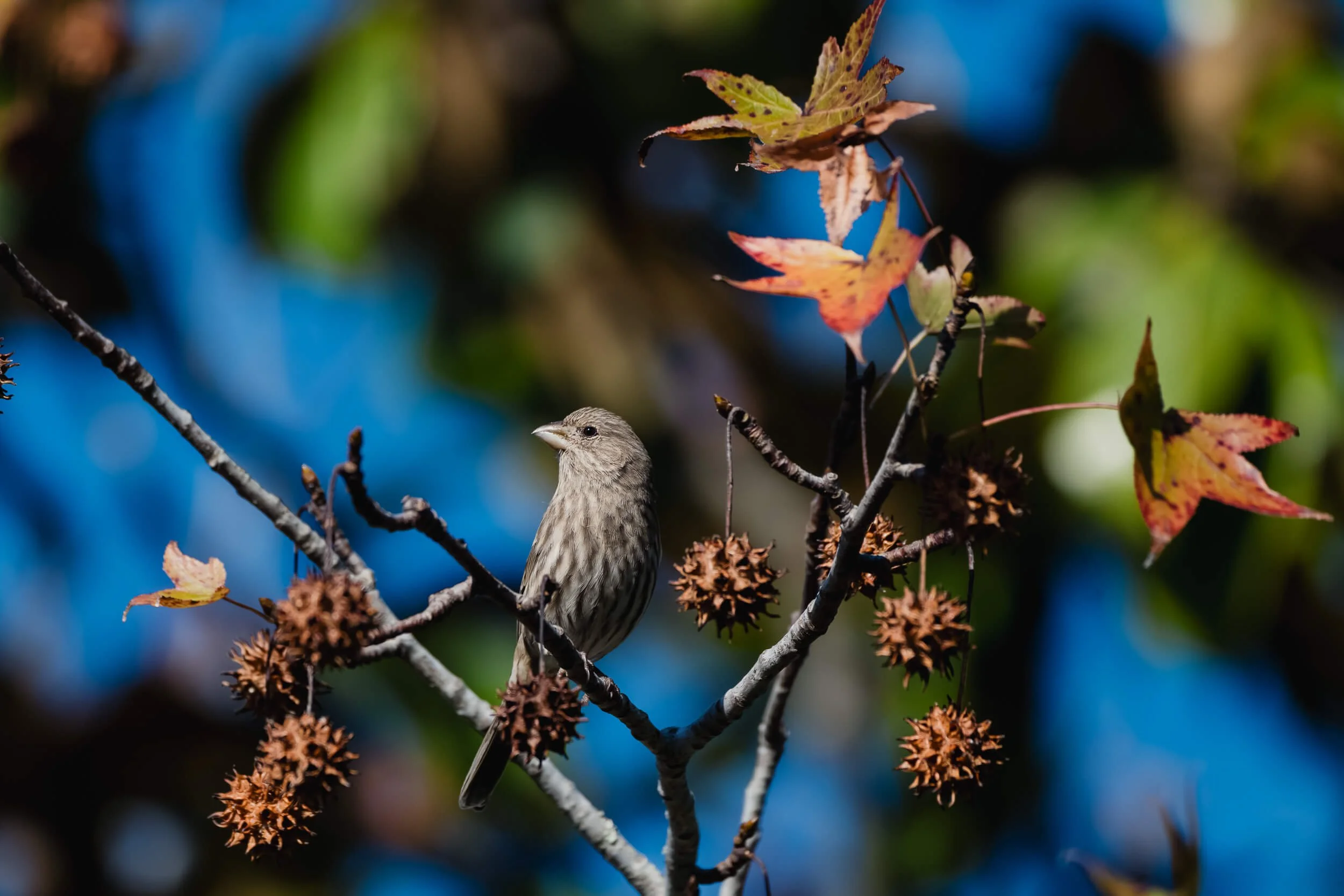
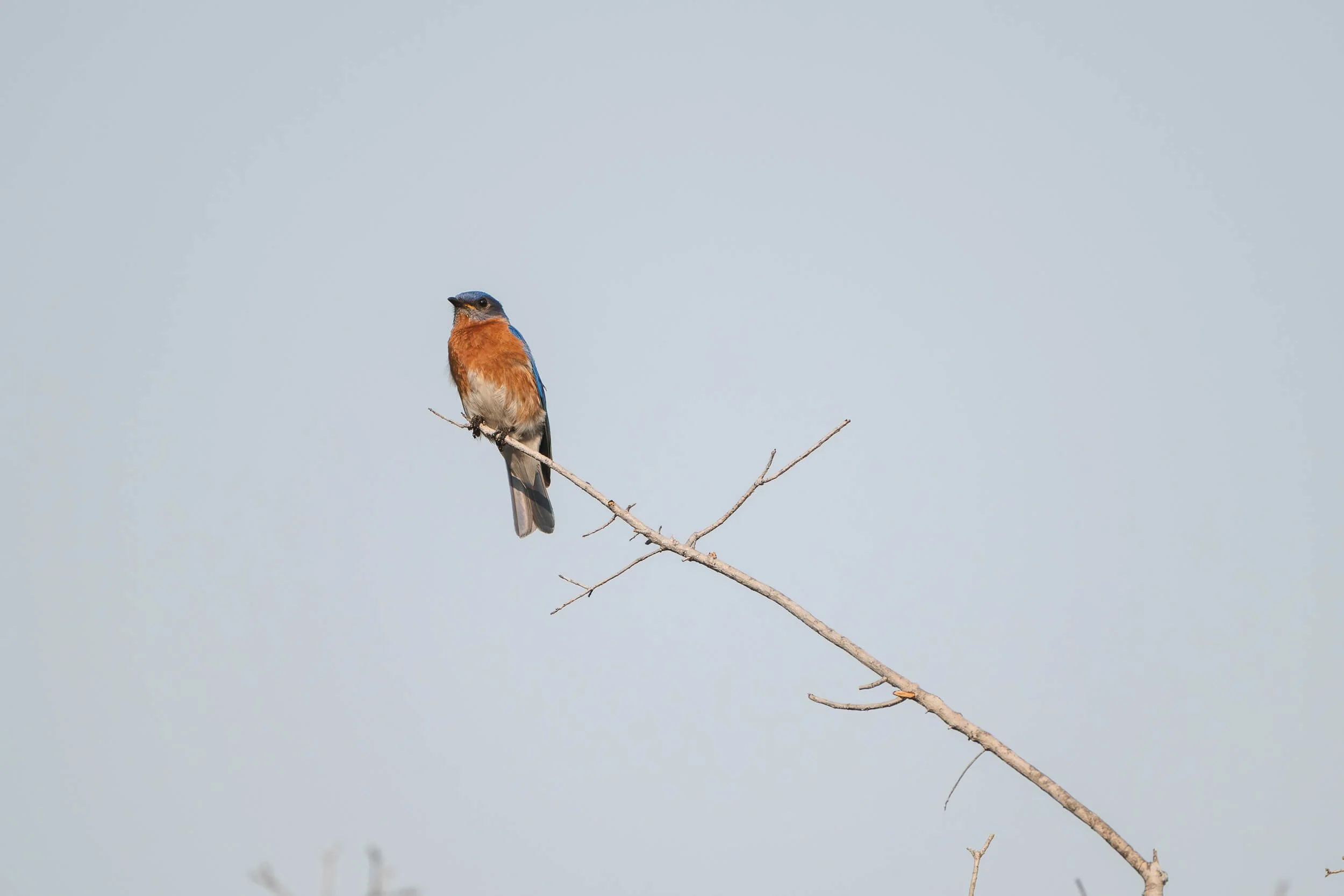
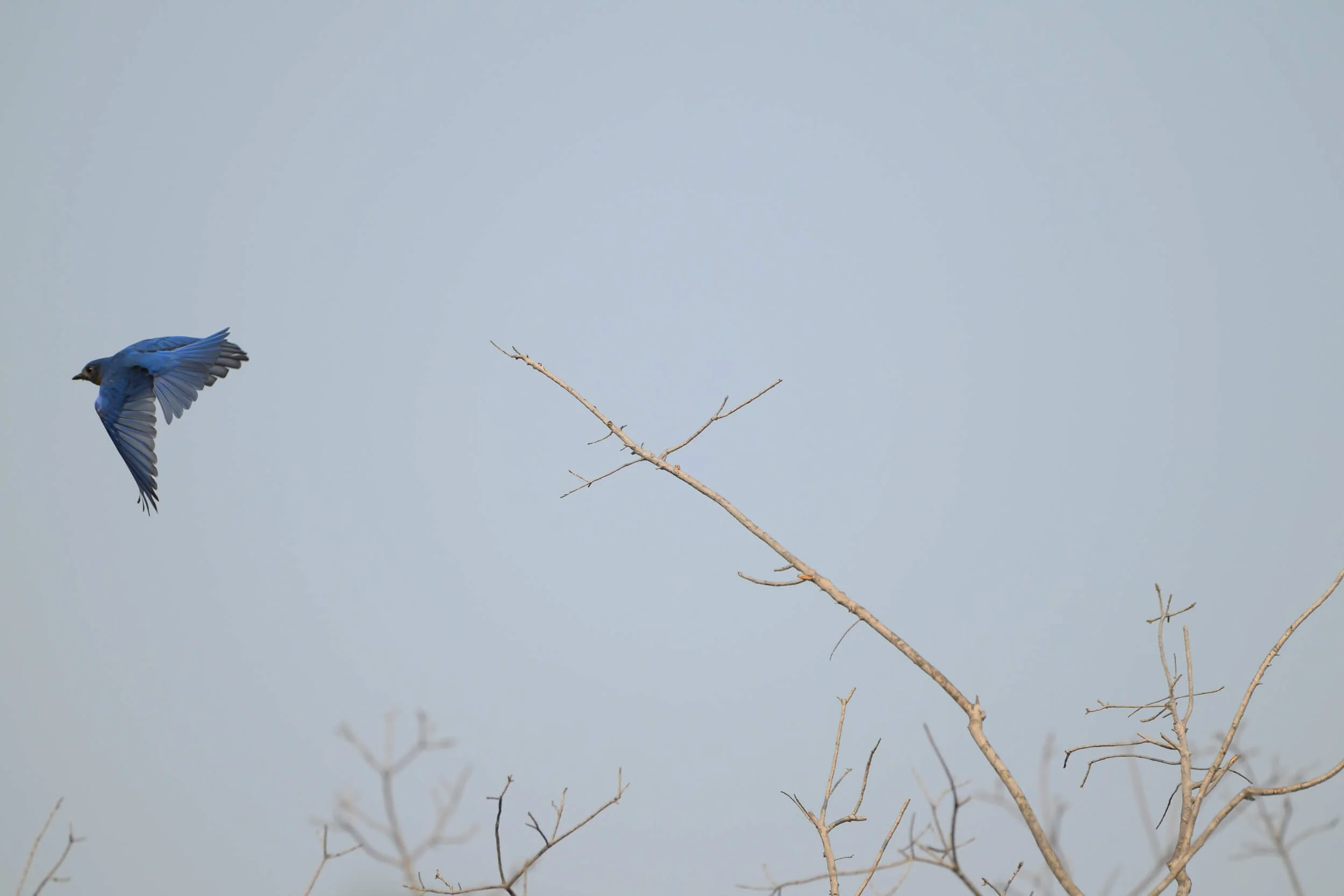
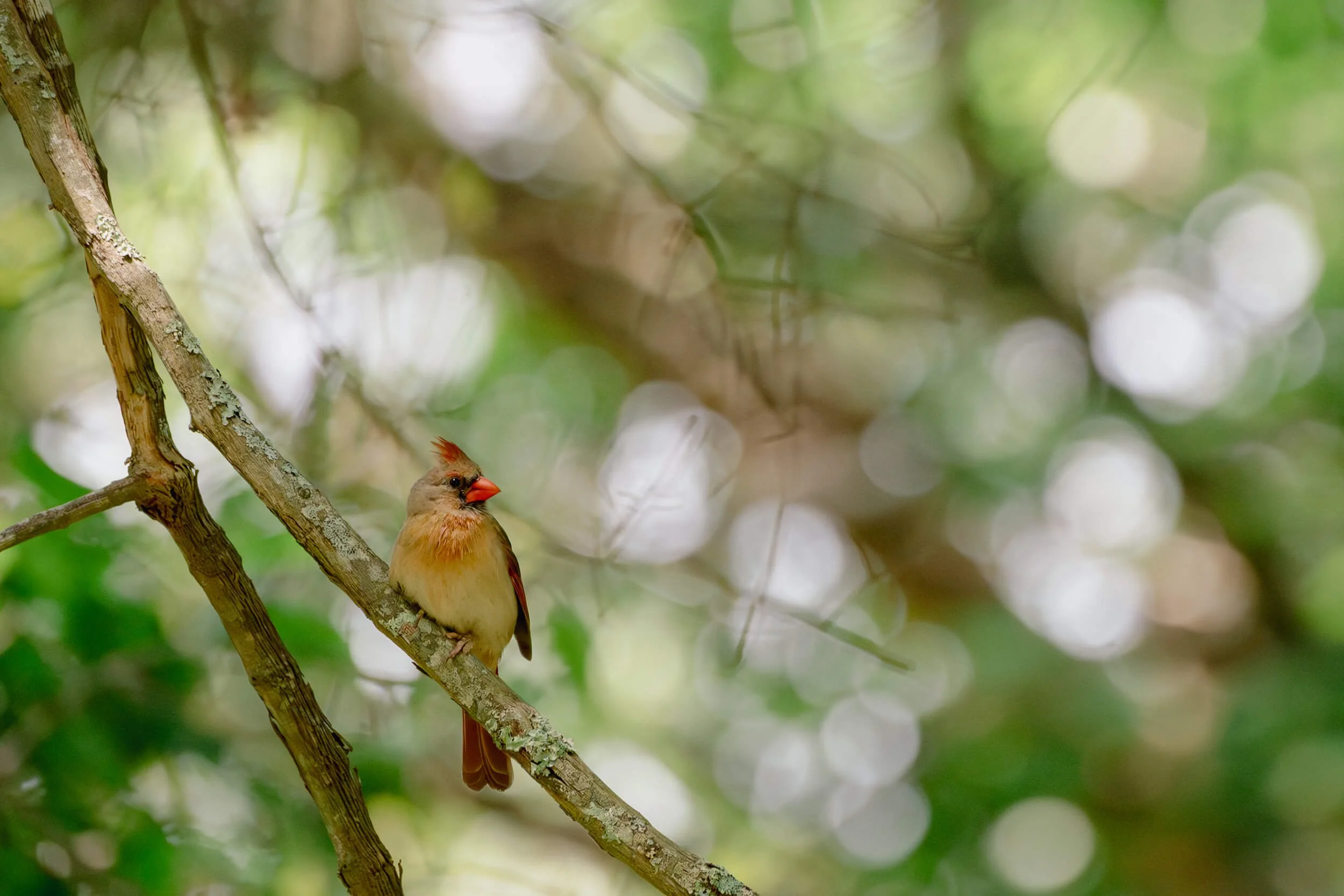
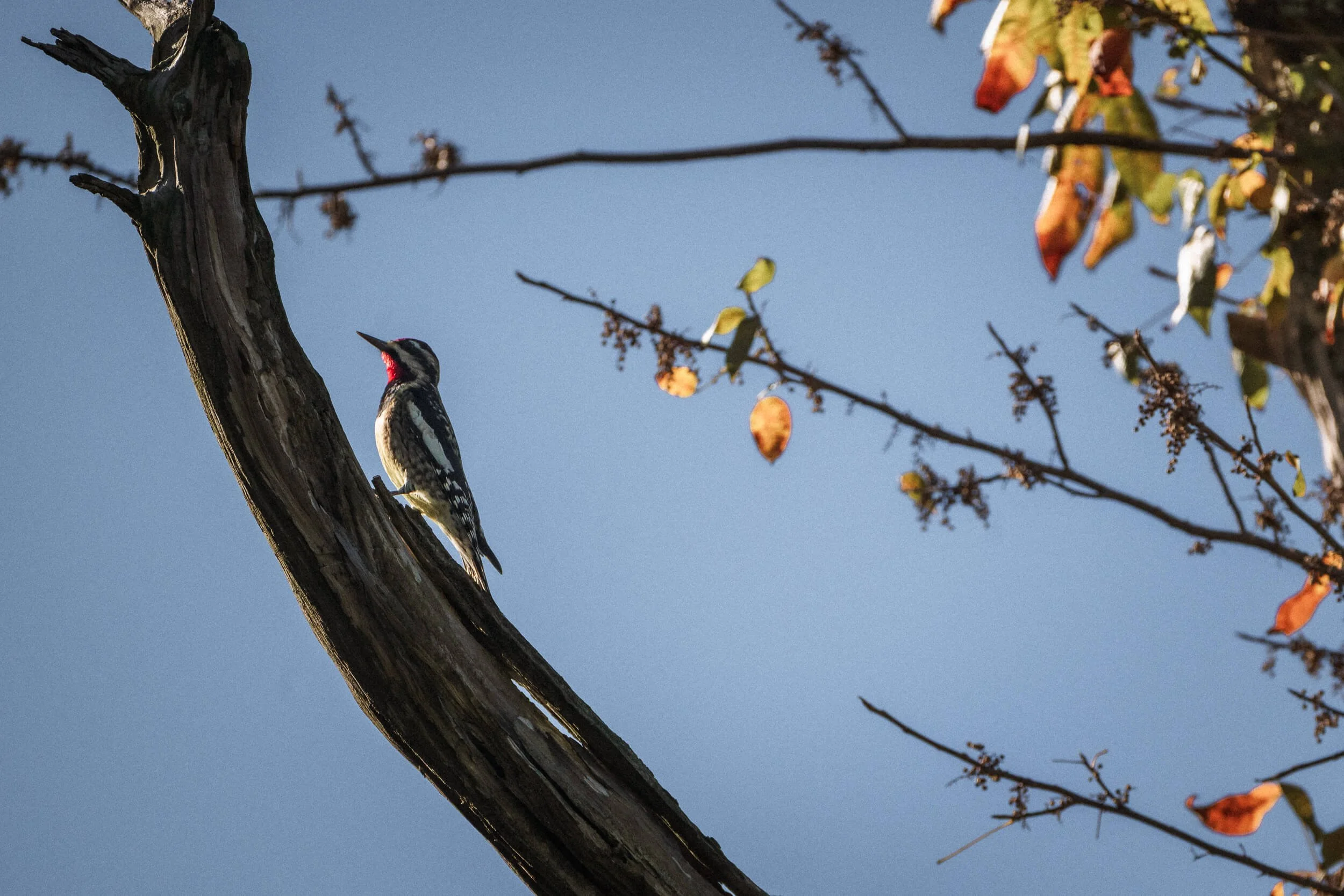
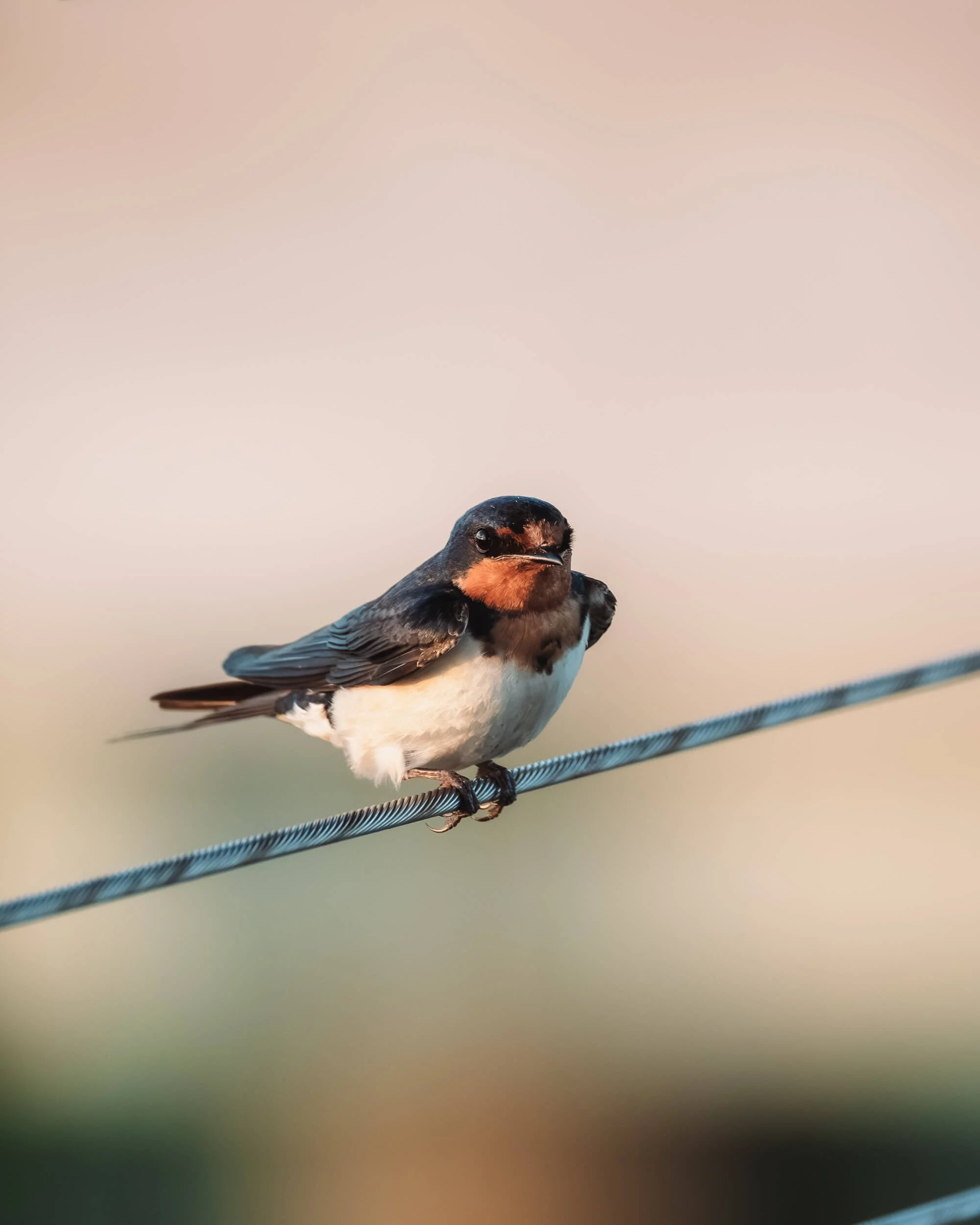
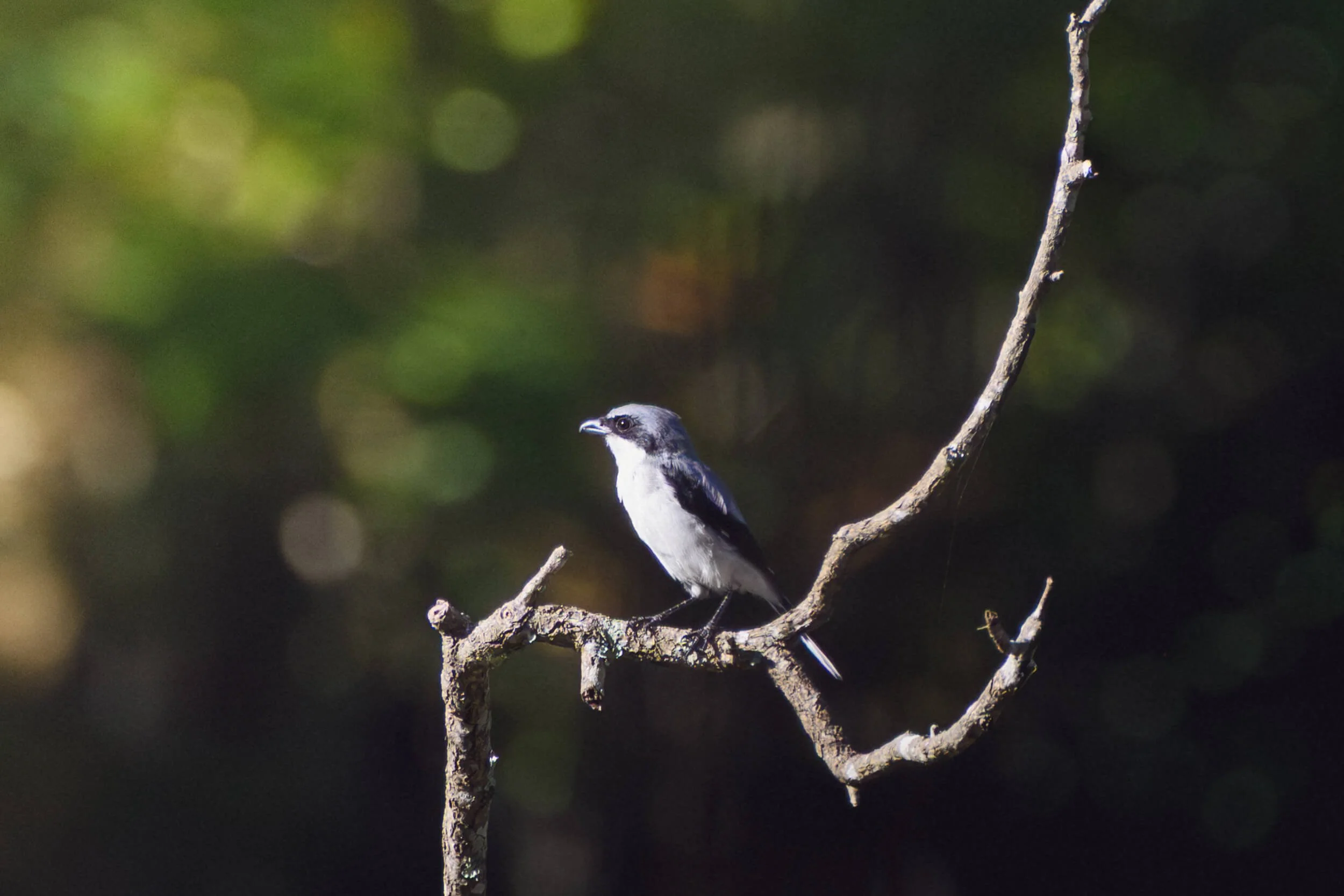
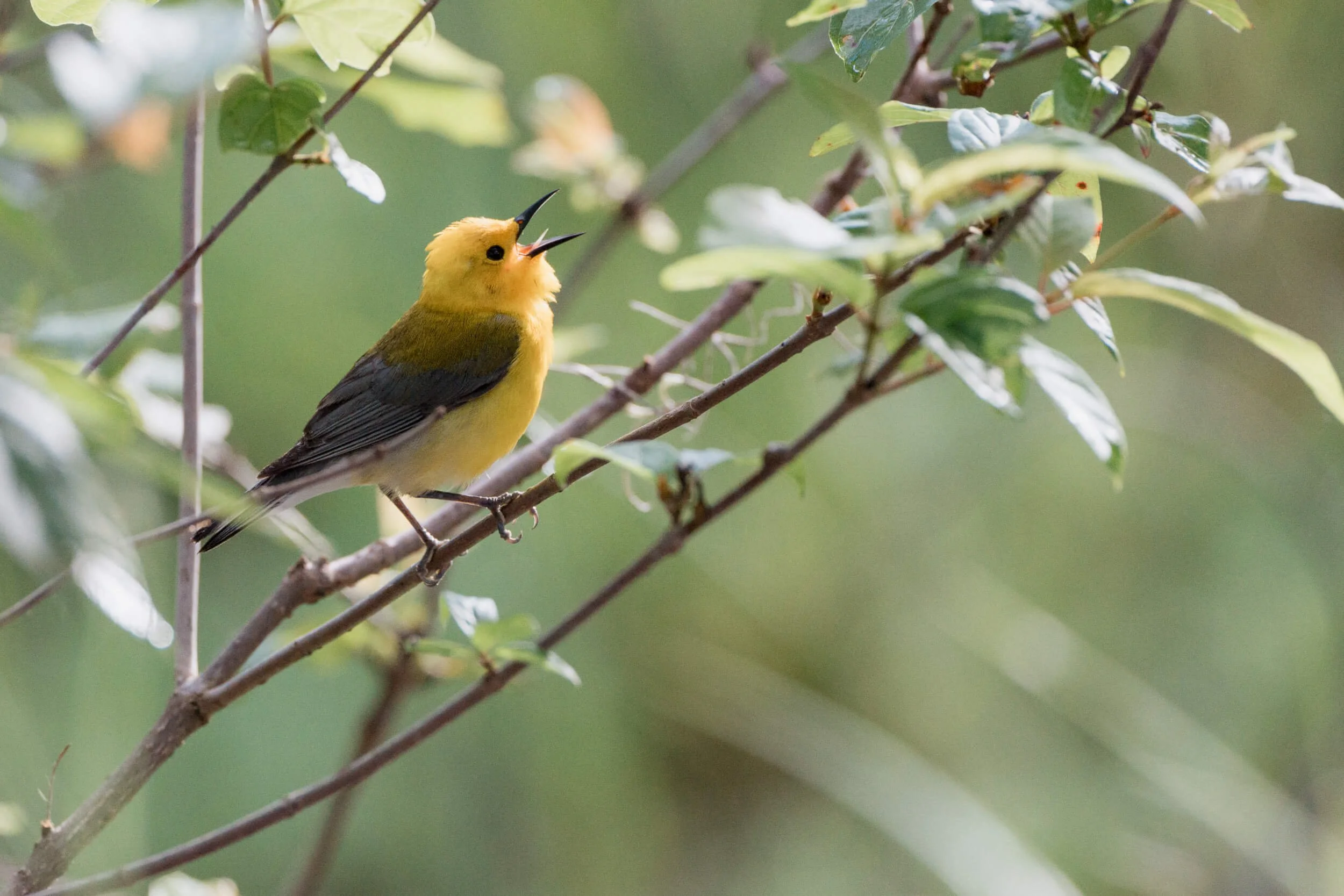
Songbirds, Kingfishers, and Woodpeckers
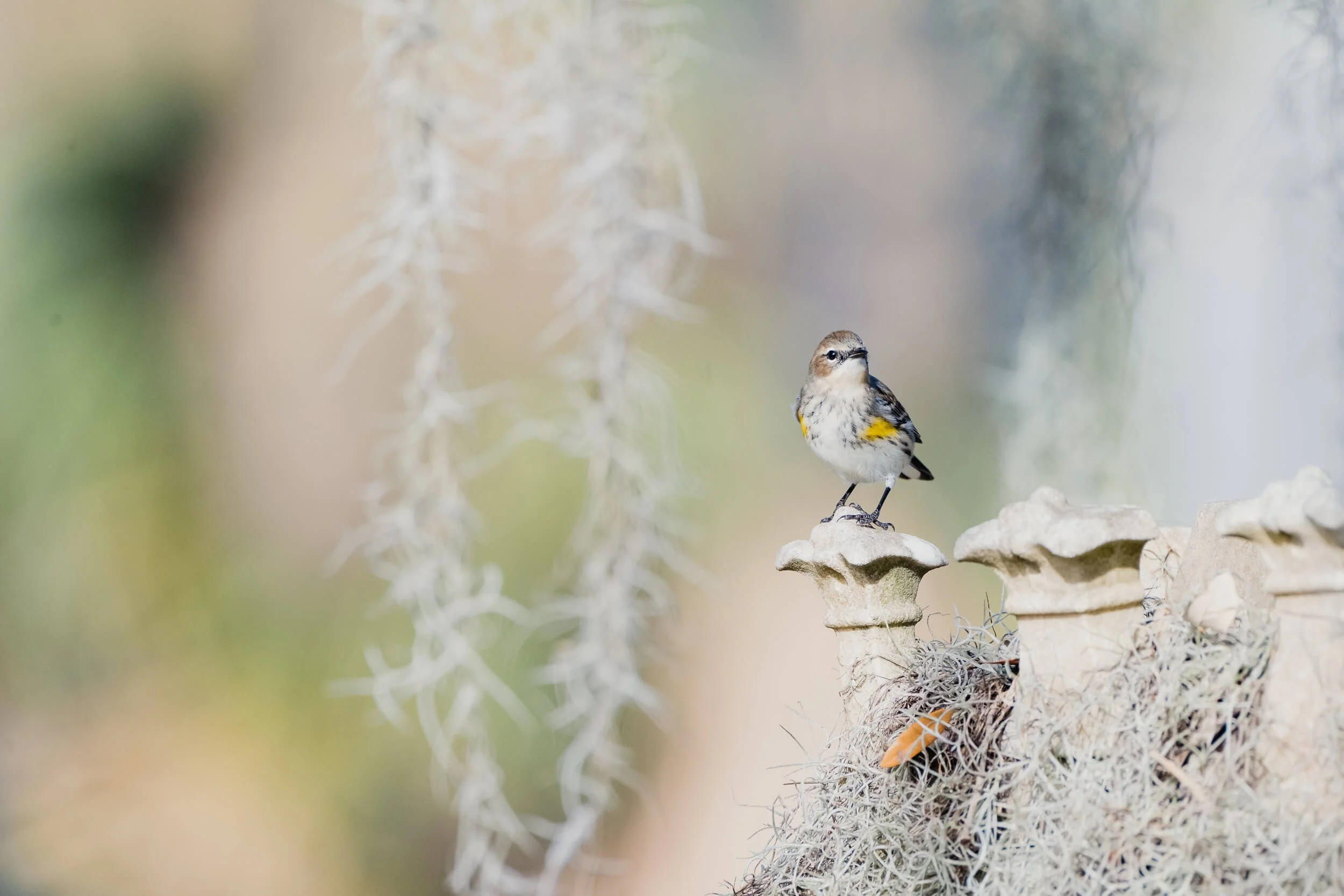
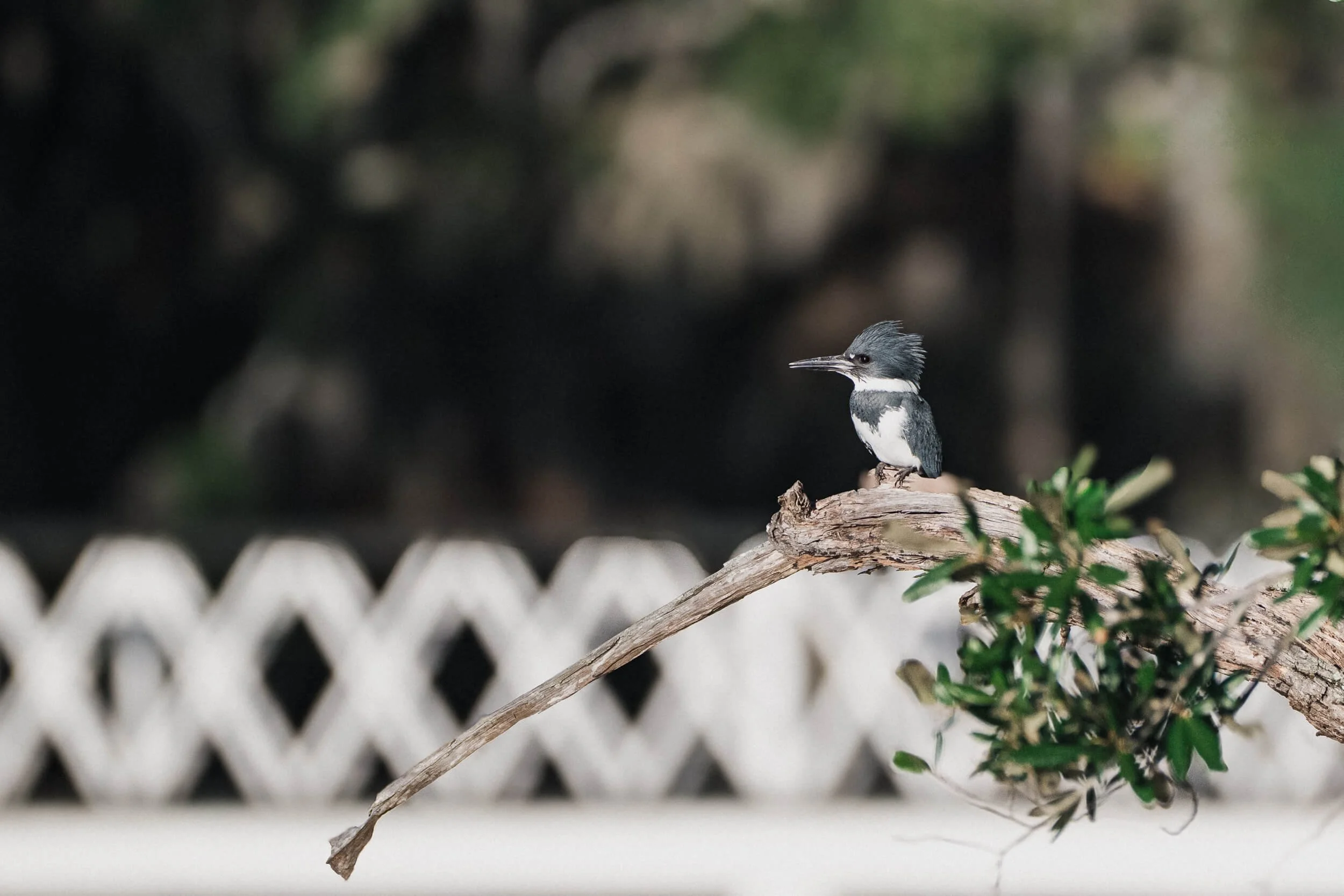
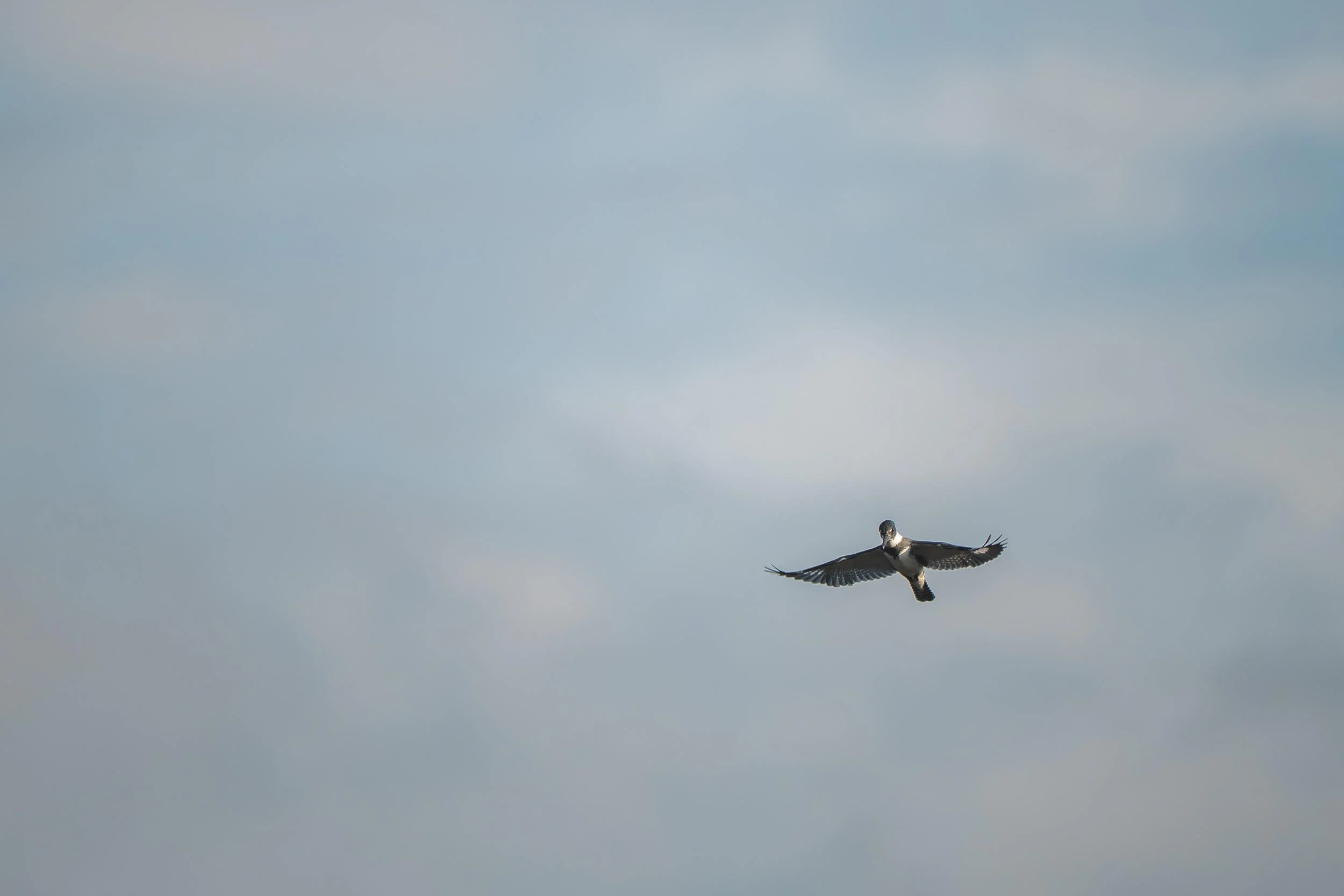
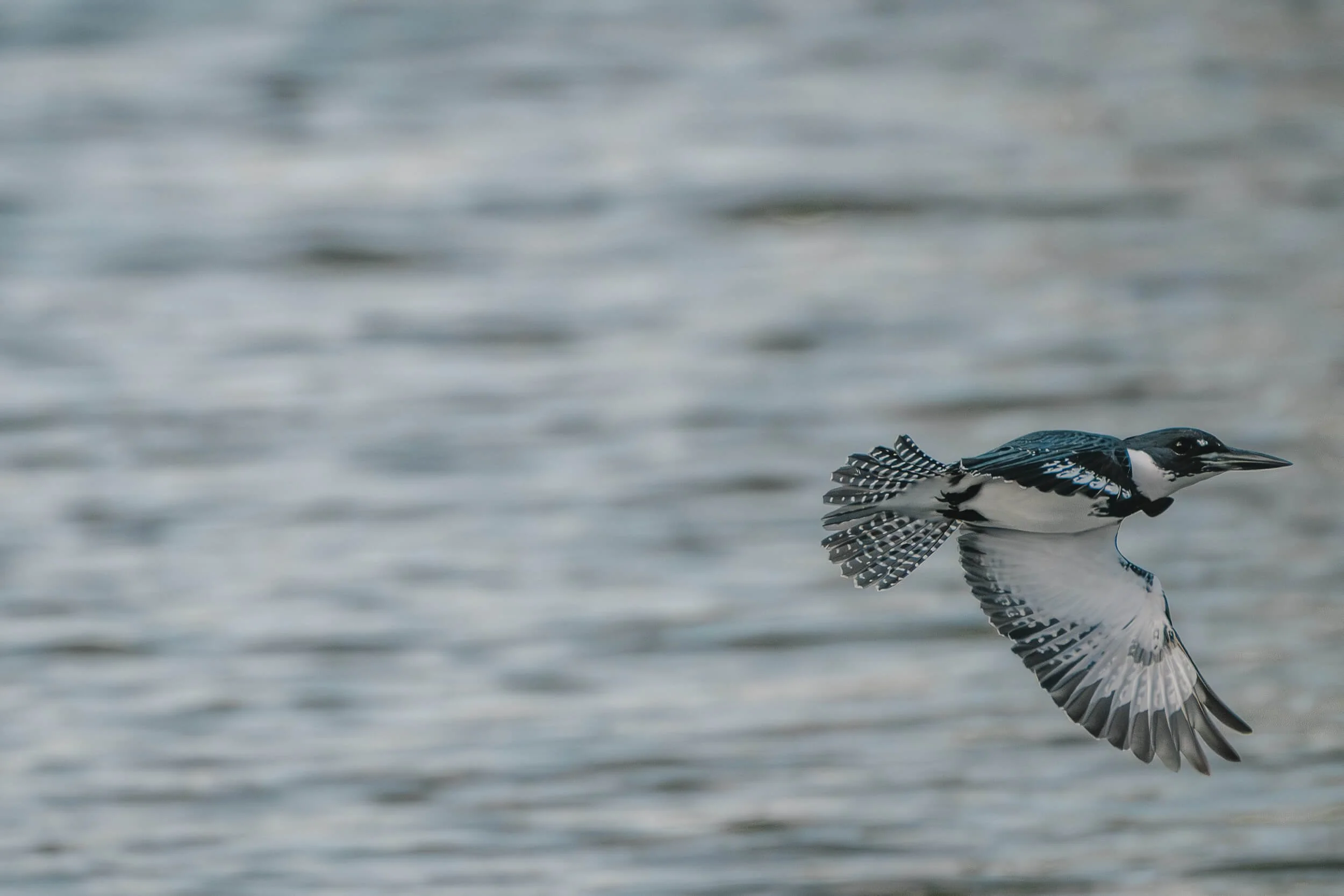
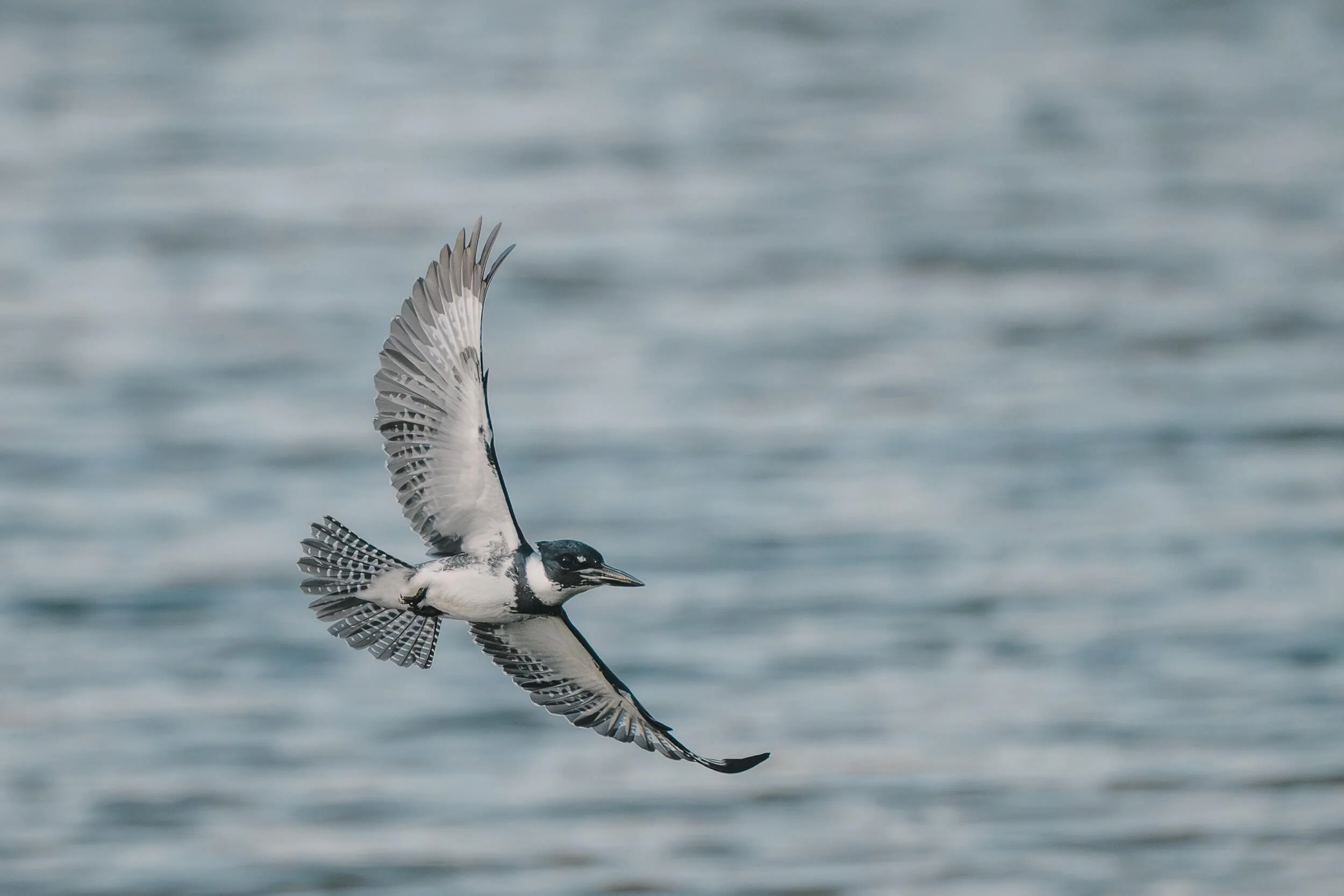
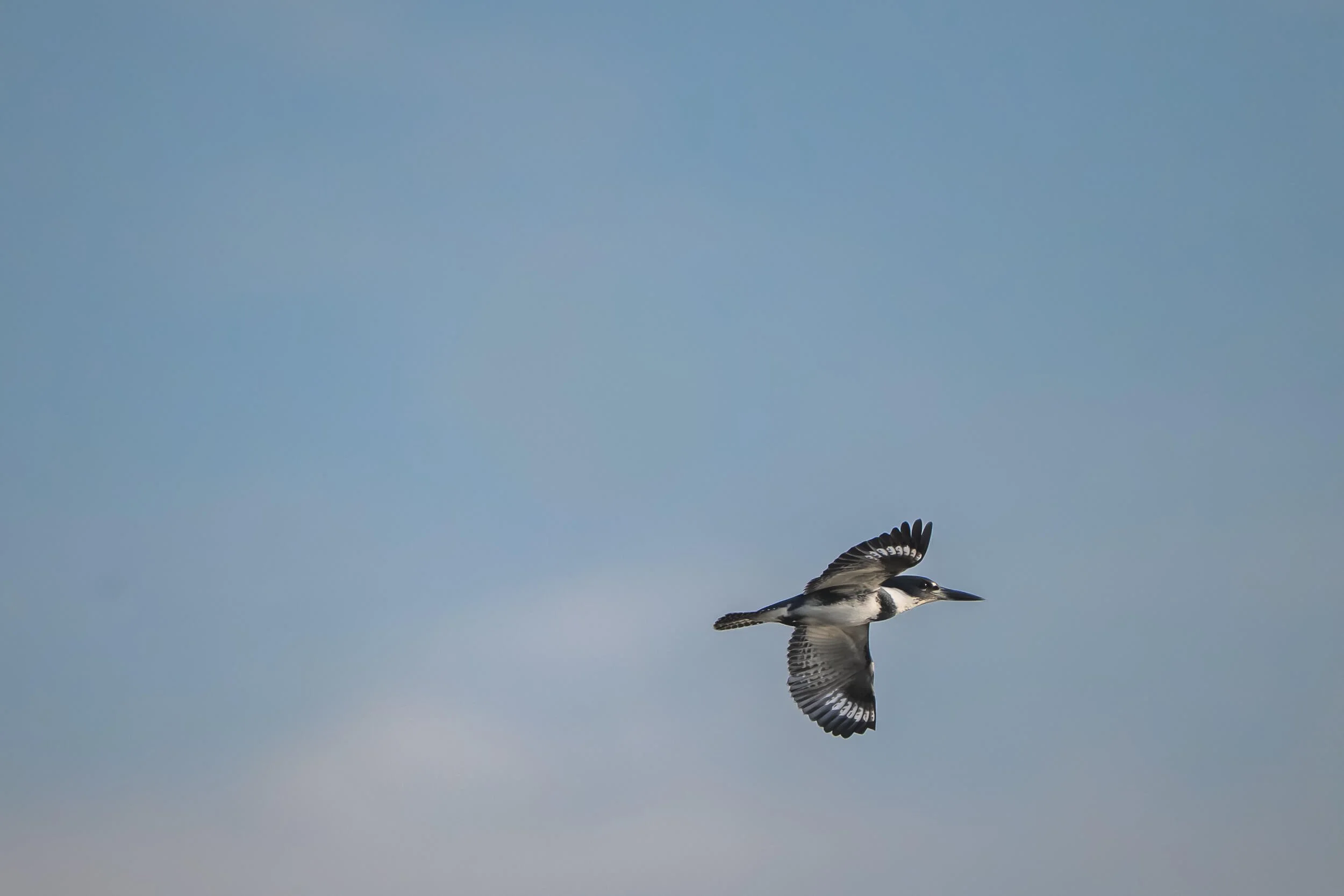
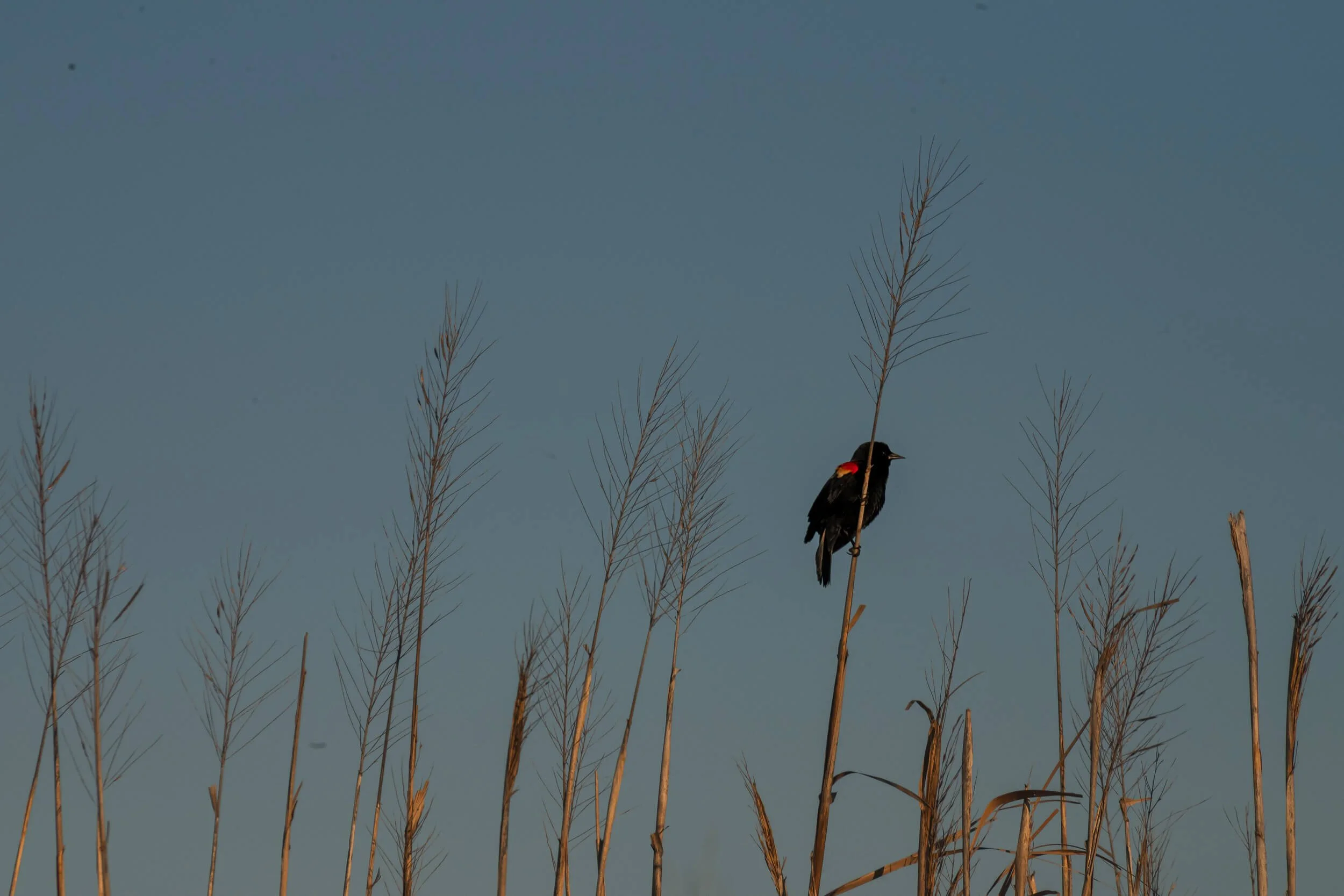
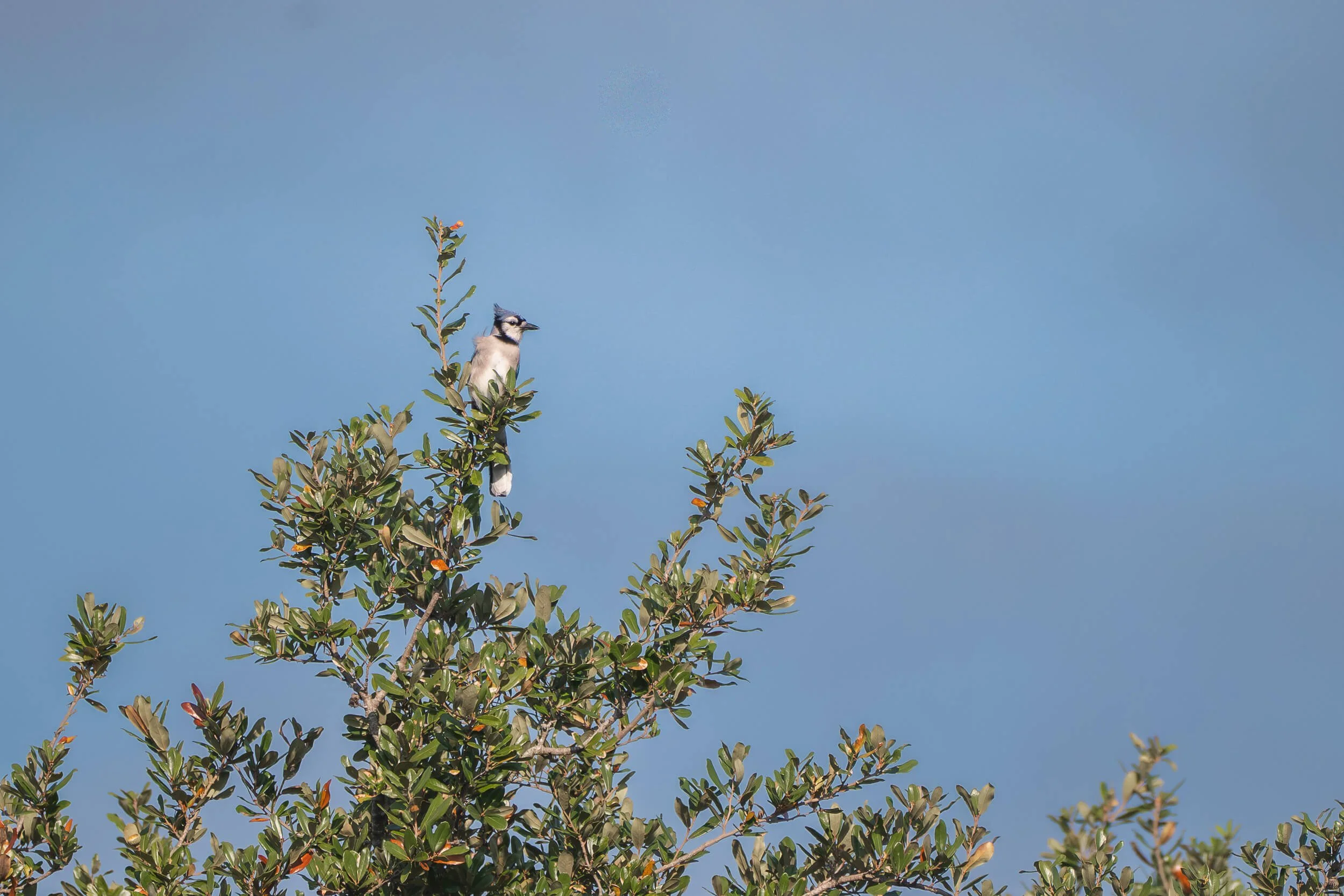
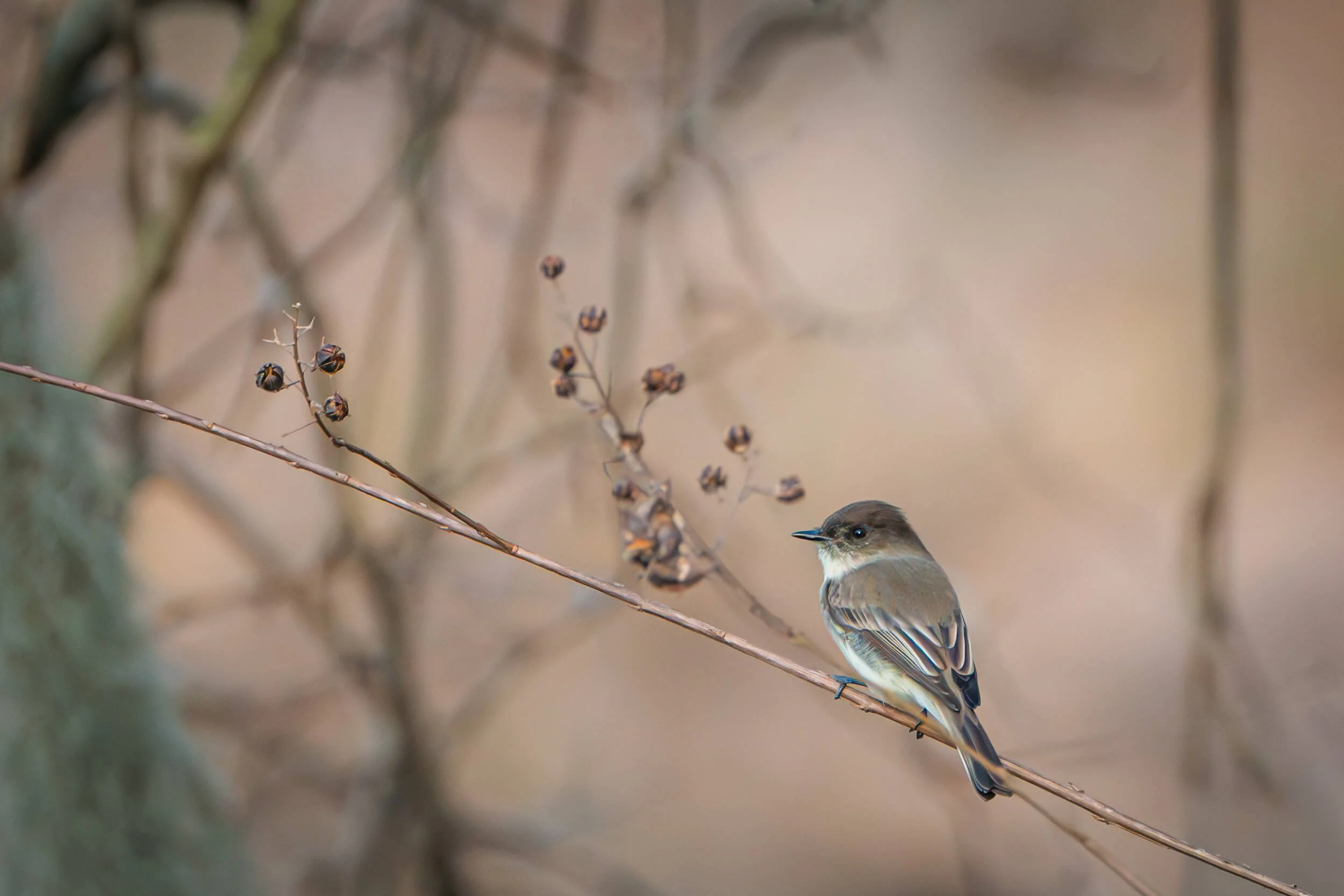
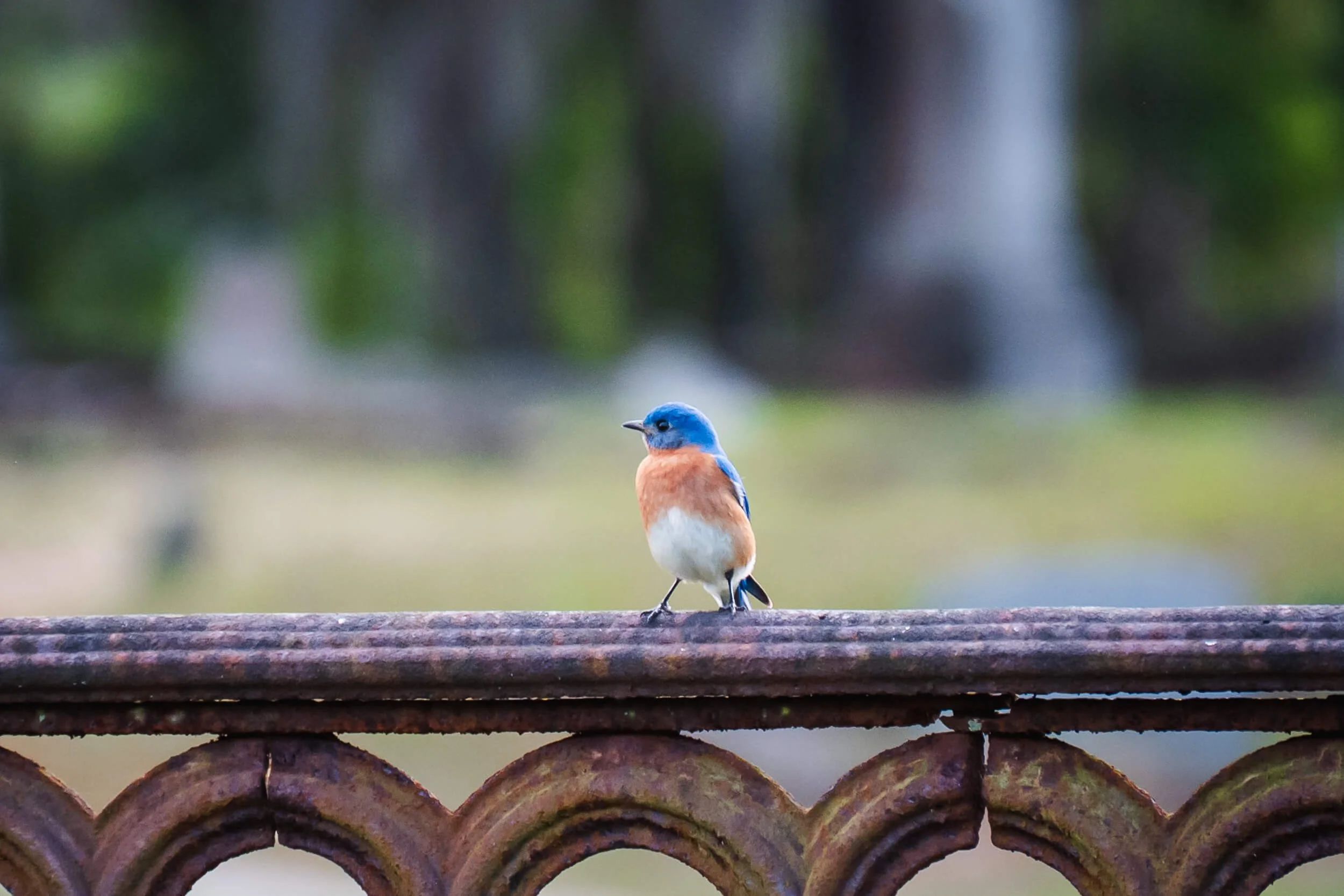
You have to be fast to catch these guys. This section is a mix of the birds that bring the most noise and movement to our local parks and backyards. I love the challenge of tracking the sudden, blue darts of a Kingfisher over the water or catching the rhythmic drumming of a Woodpecker deep in the woods. Whether it’s a tiny songbird tucked in the brush or a bird of prey’s smaller cousin, they represent that constant, lively energy that’s happening all around us if you just take a second to listen.
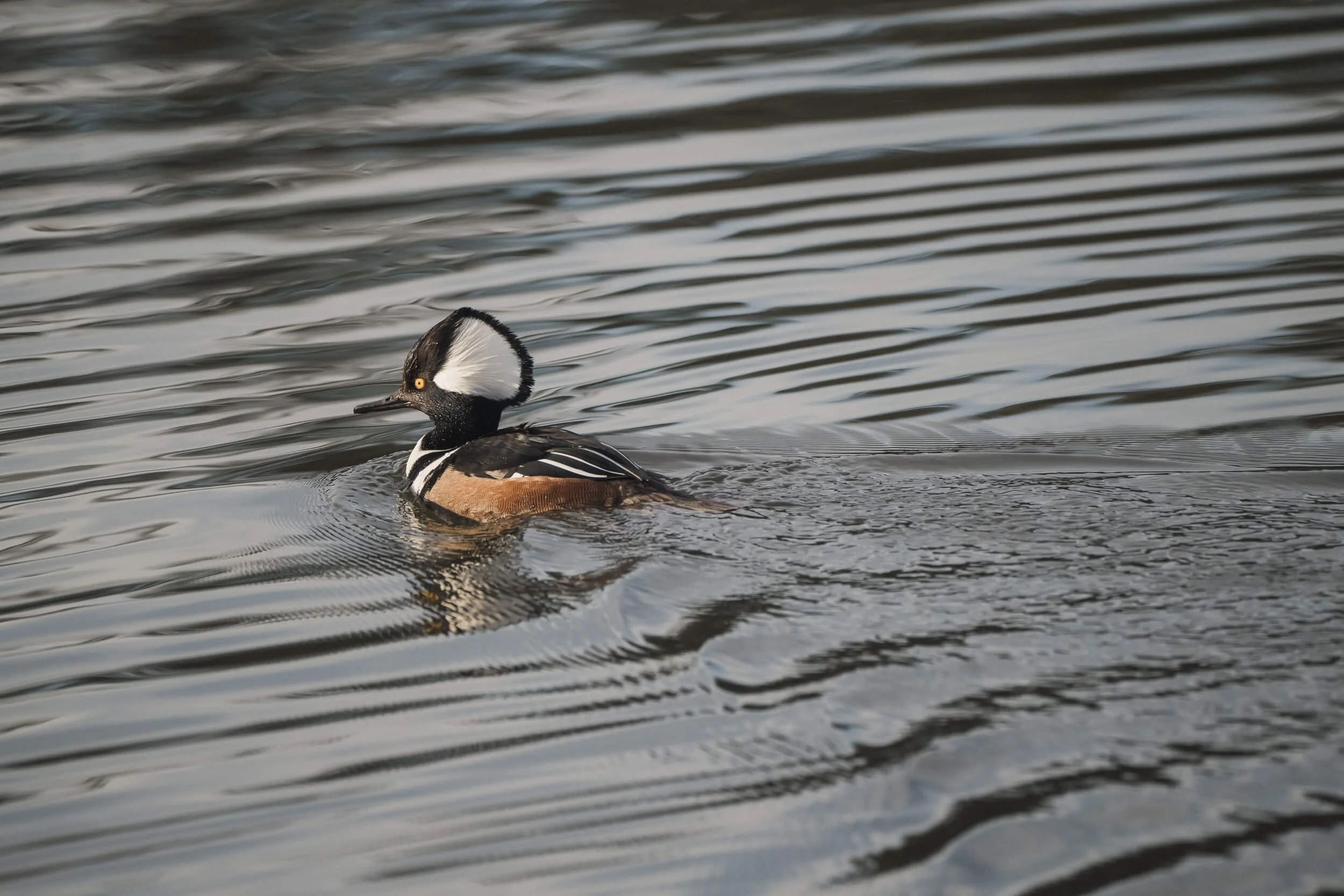
On the Water & In the Woods: Geese, Divers, and Surprise Guests
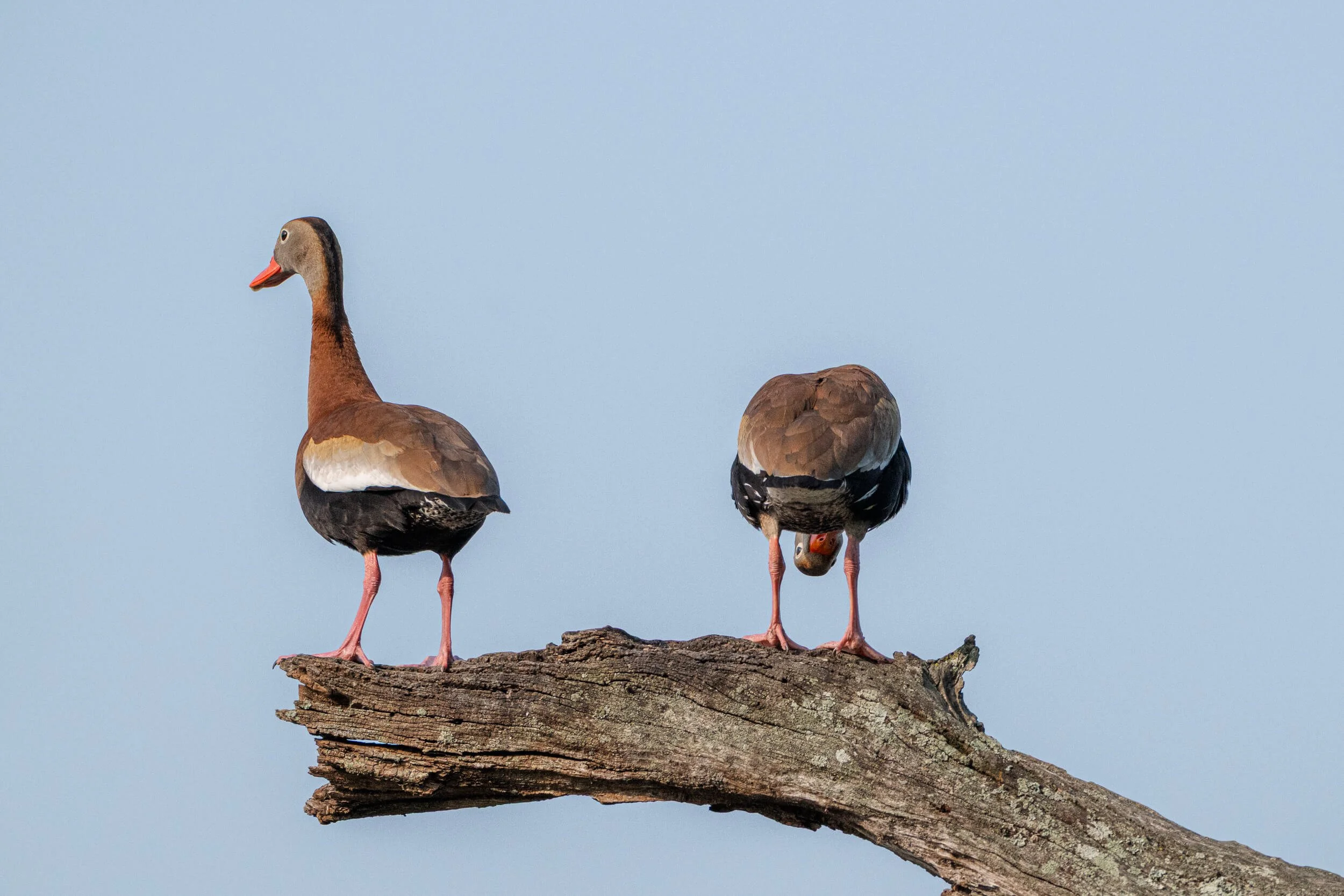
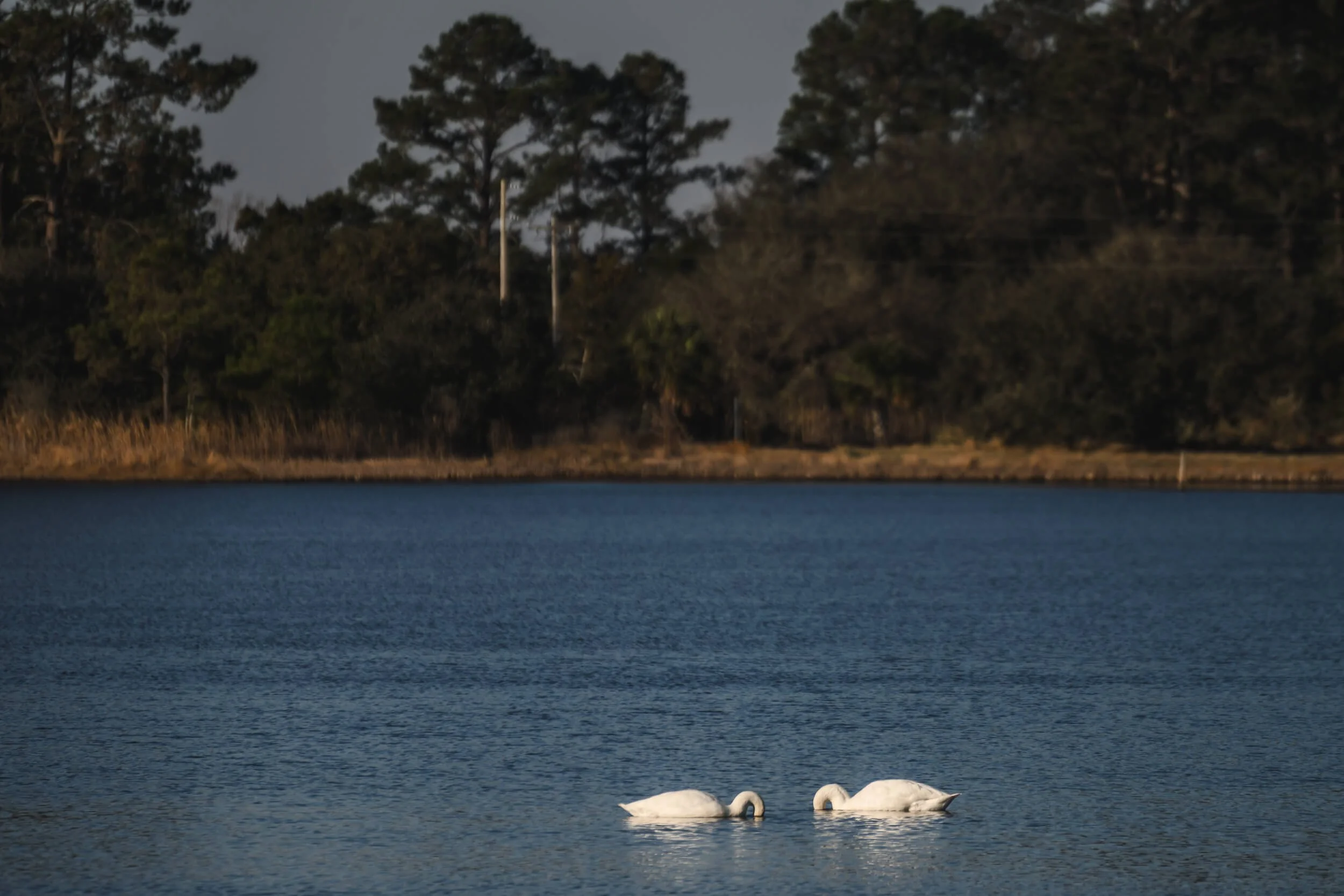
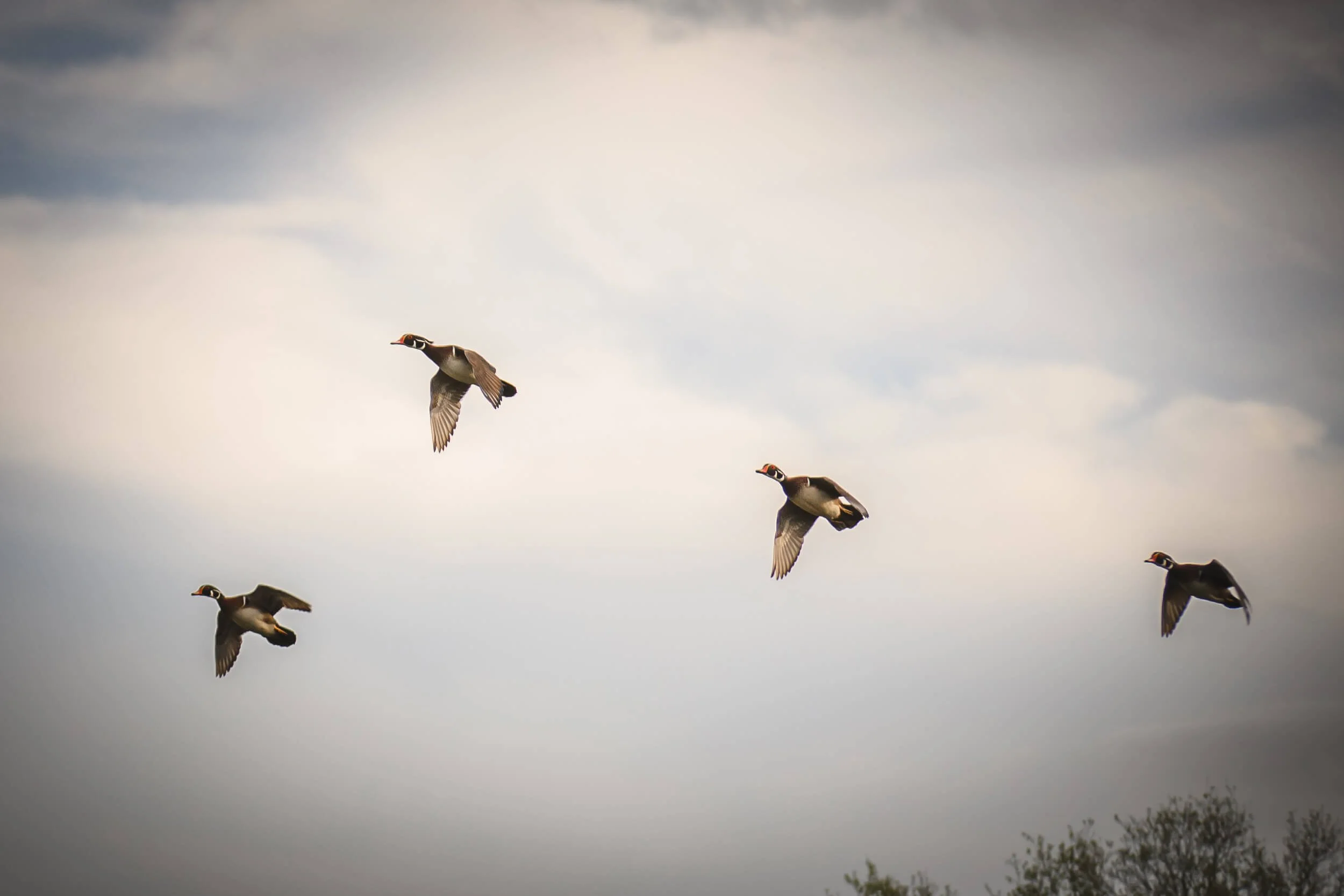
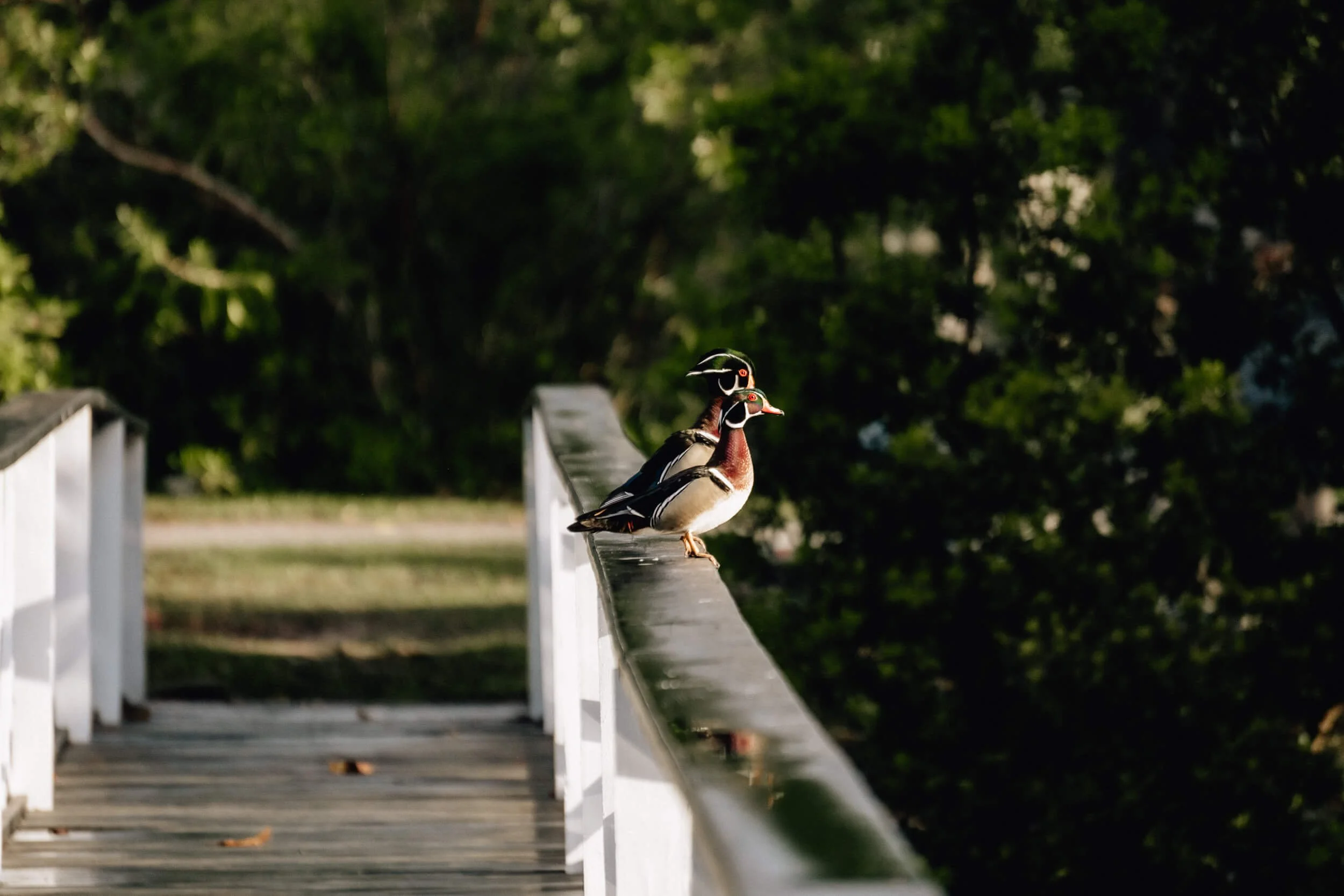
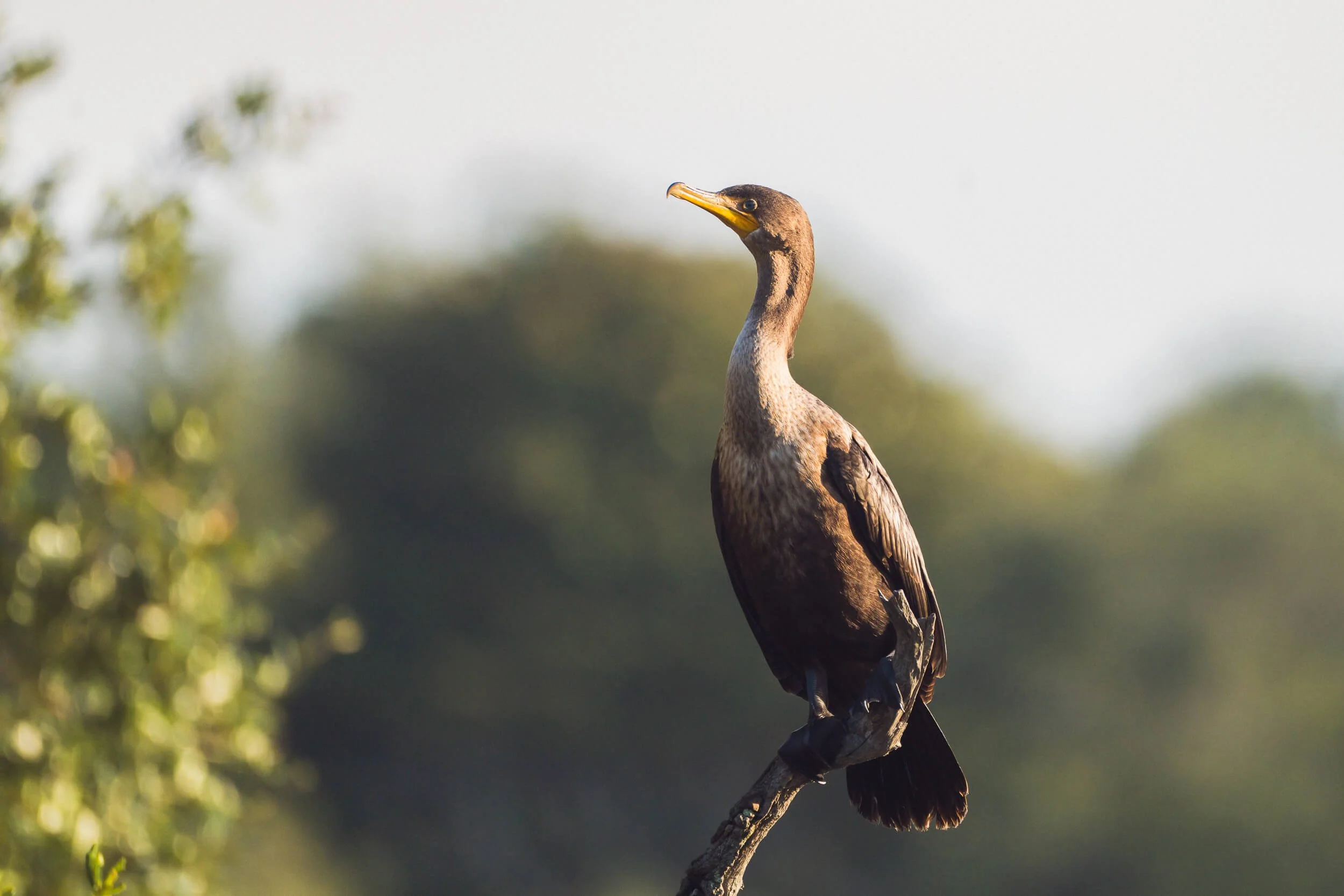
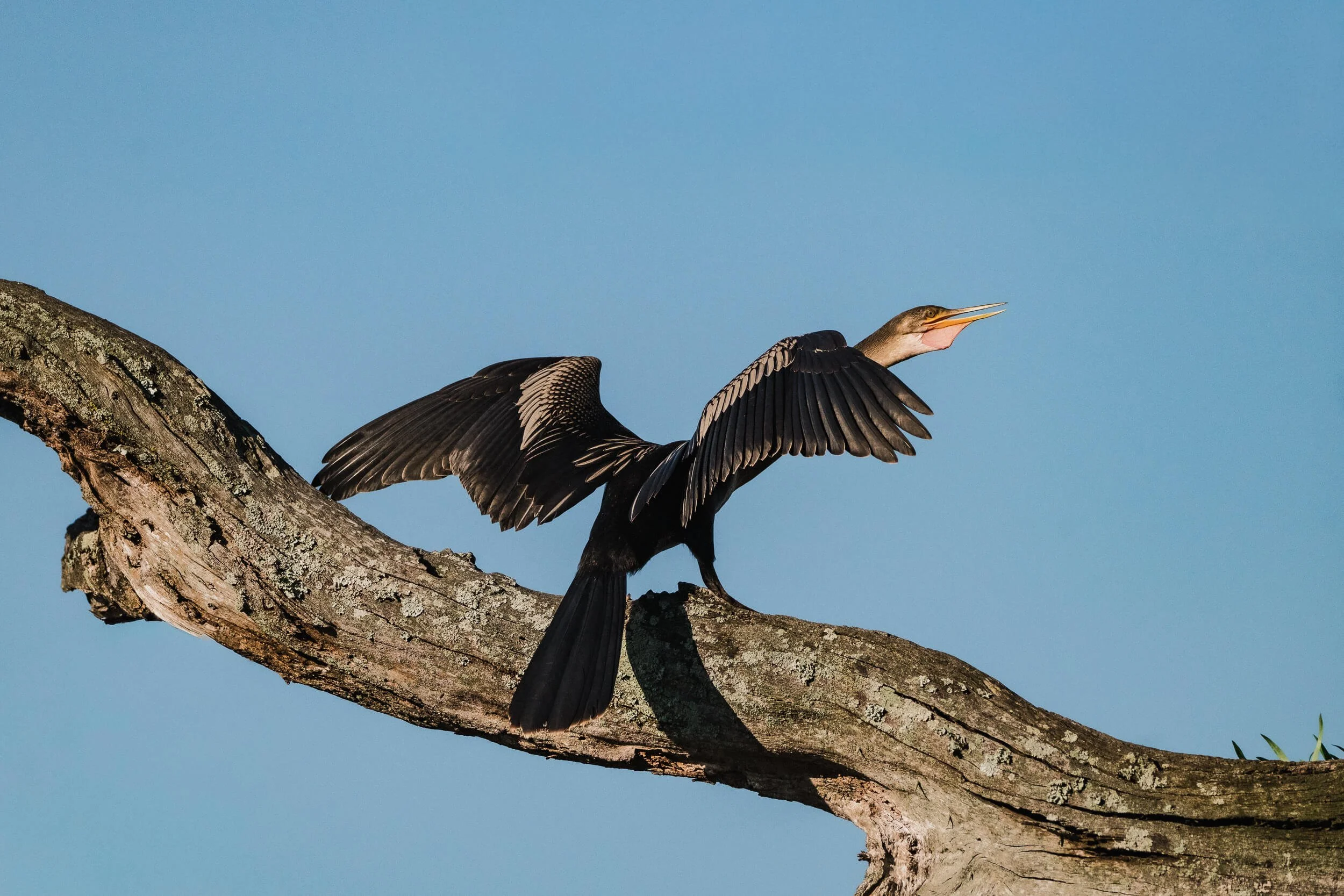
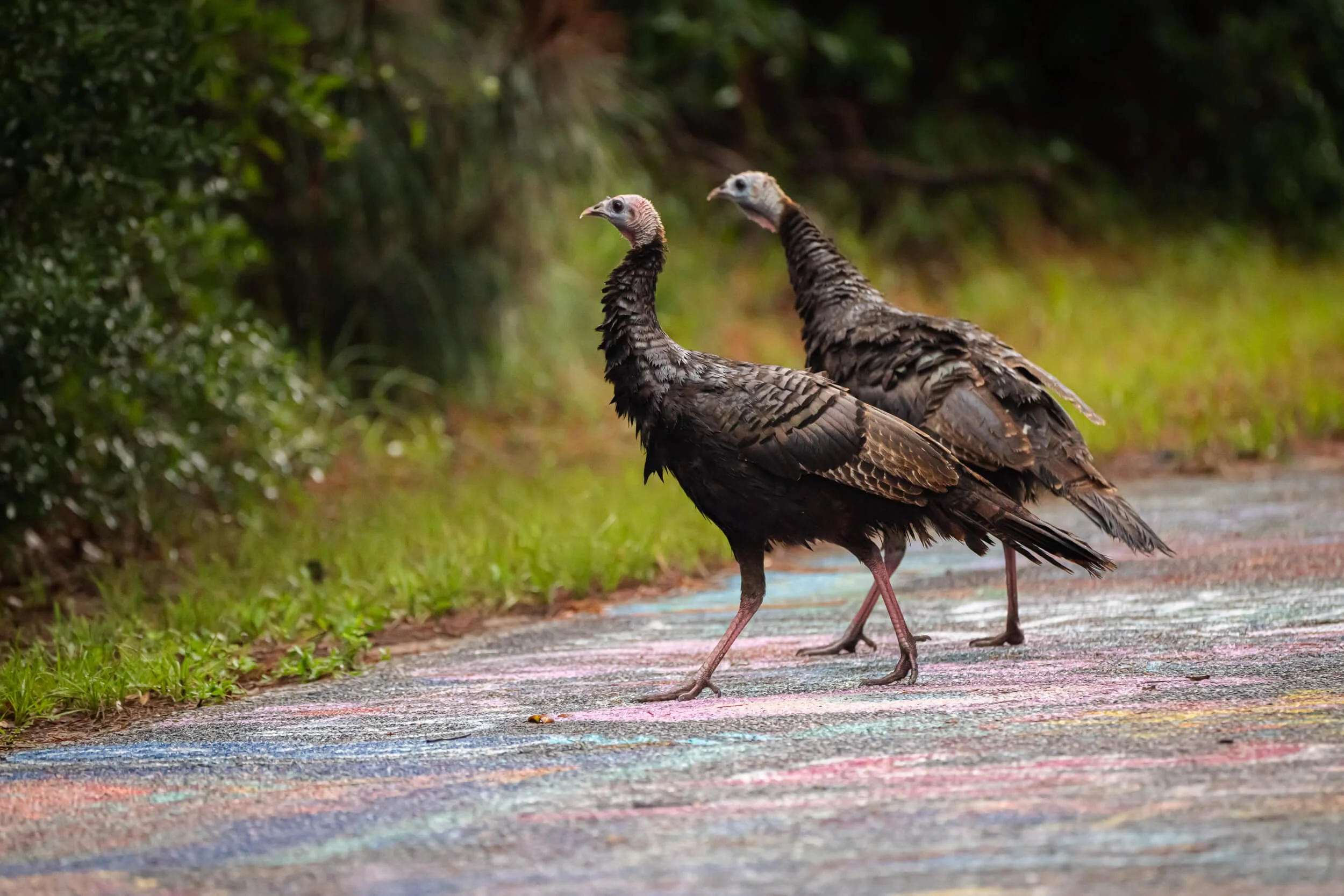
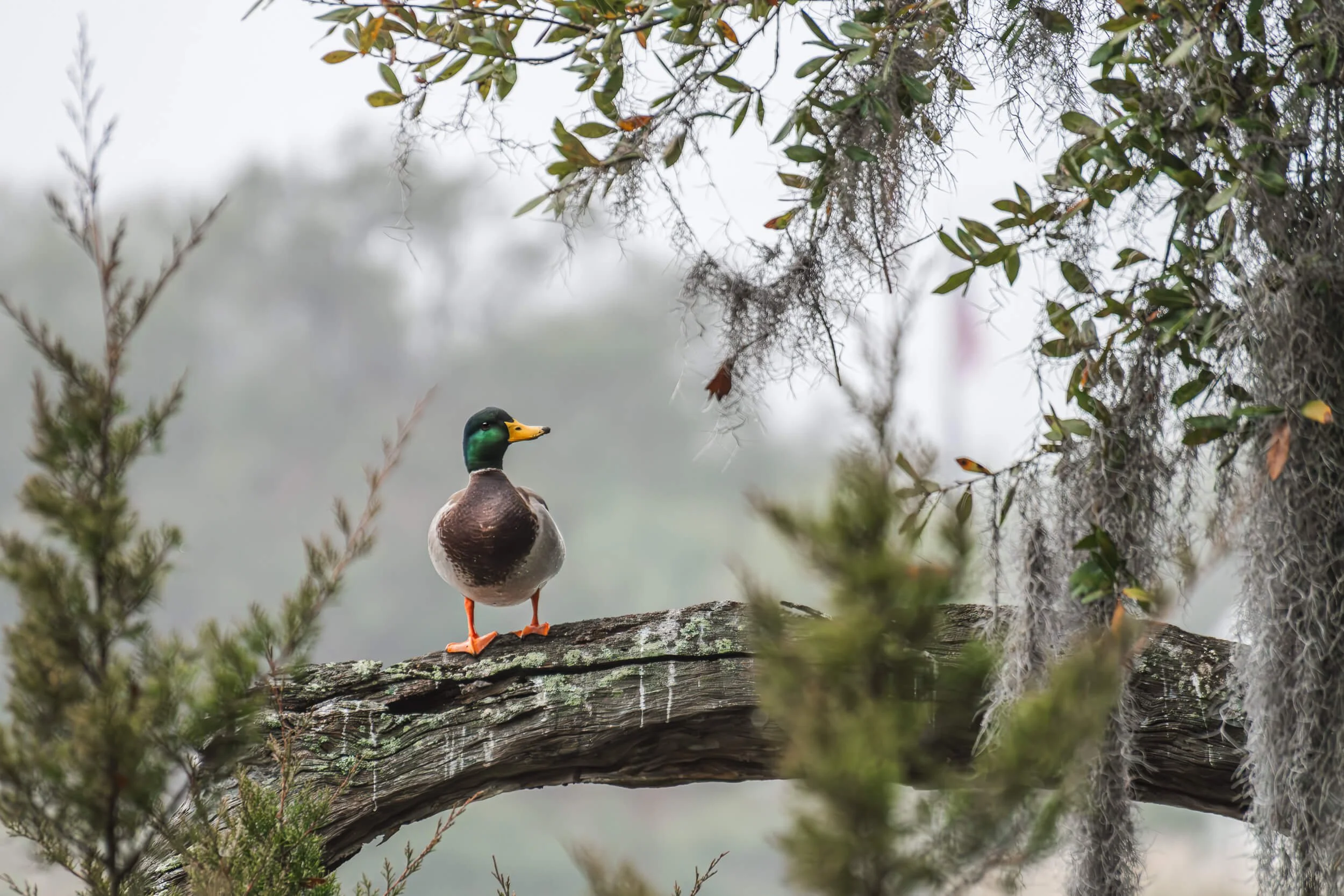
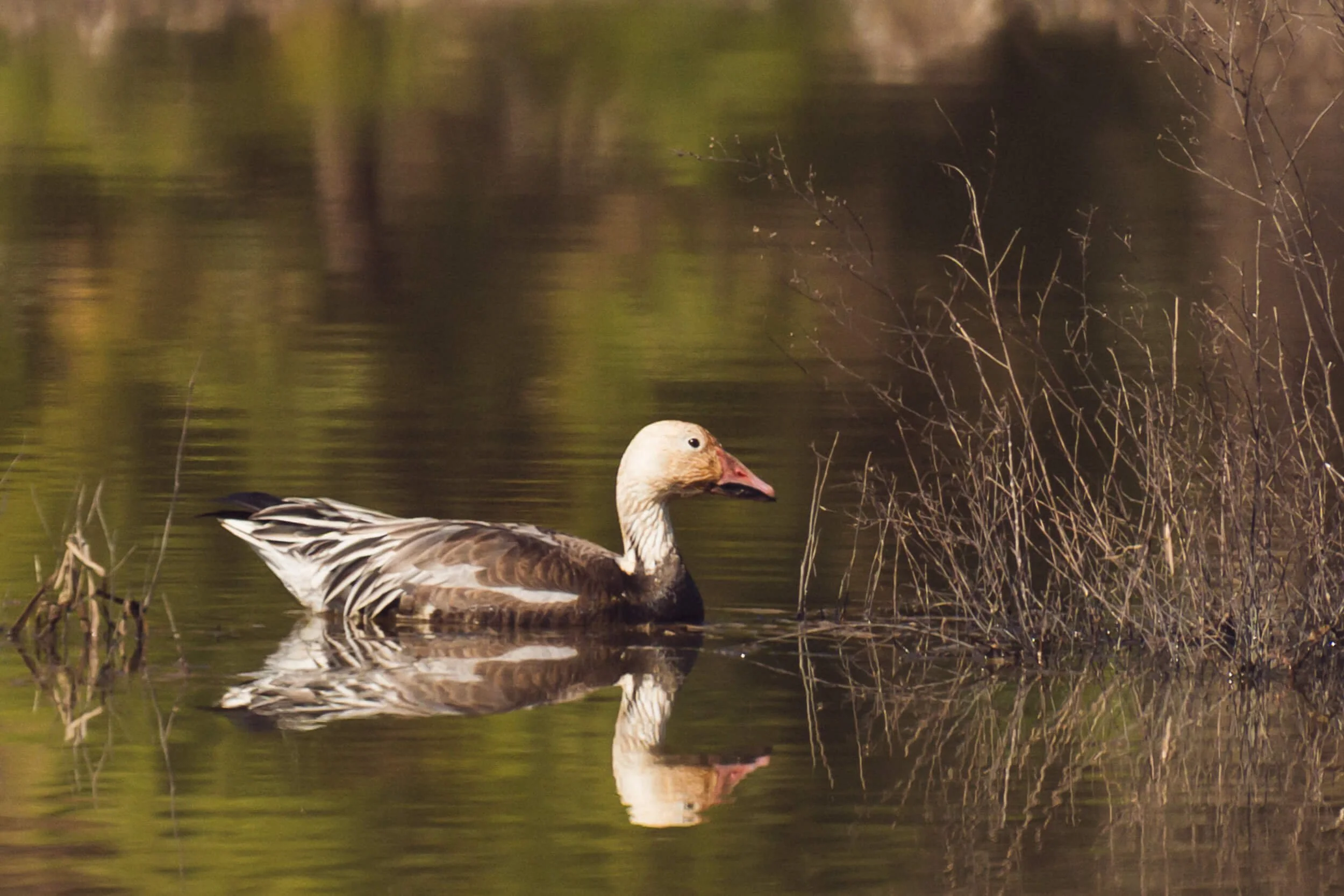
This group is a mix of forest forage and pond life. A major highlight was trekking to the ACE Basin to catch the majestic Tundra Swans during their winter visit. It was also a treat catching the Wood Ducks perched on the bridge railings and the striking red bills of the Whistling-Ducks. From the rare 'Blue Morph' Snow Goose to Wild Turkeys on Folly Beach, these birds are full of character—especially when they're tipped 'tails to the sky' foraging in the shallows.
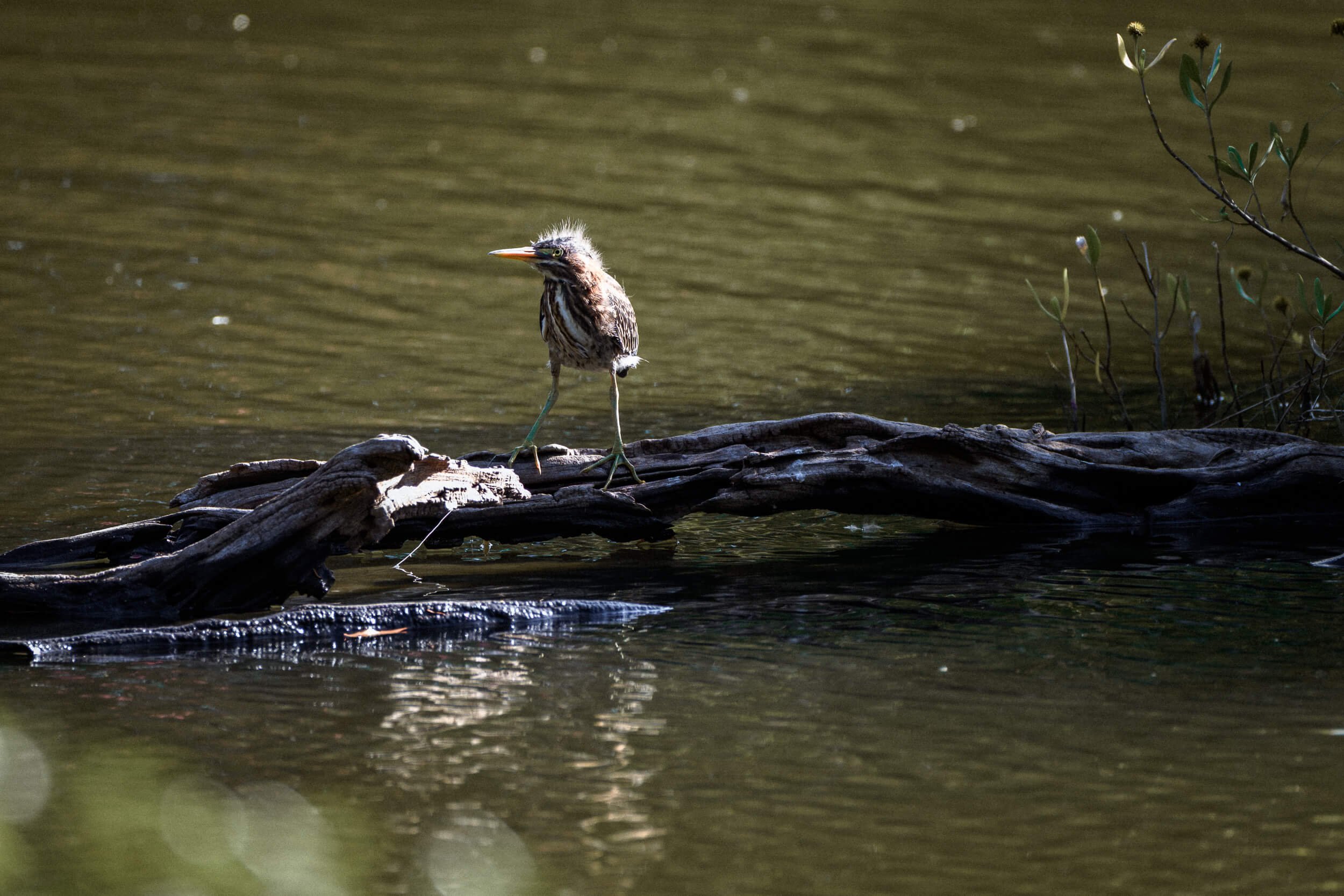
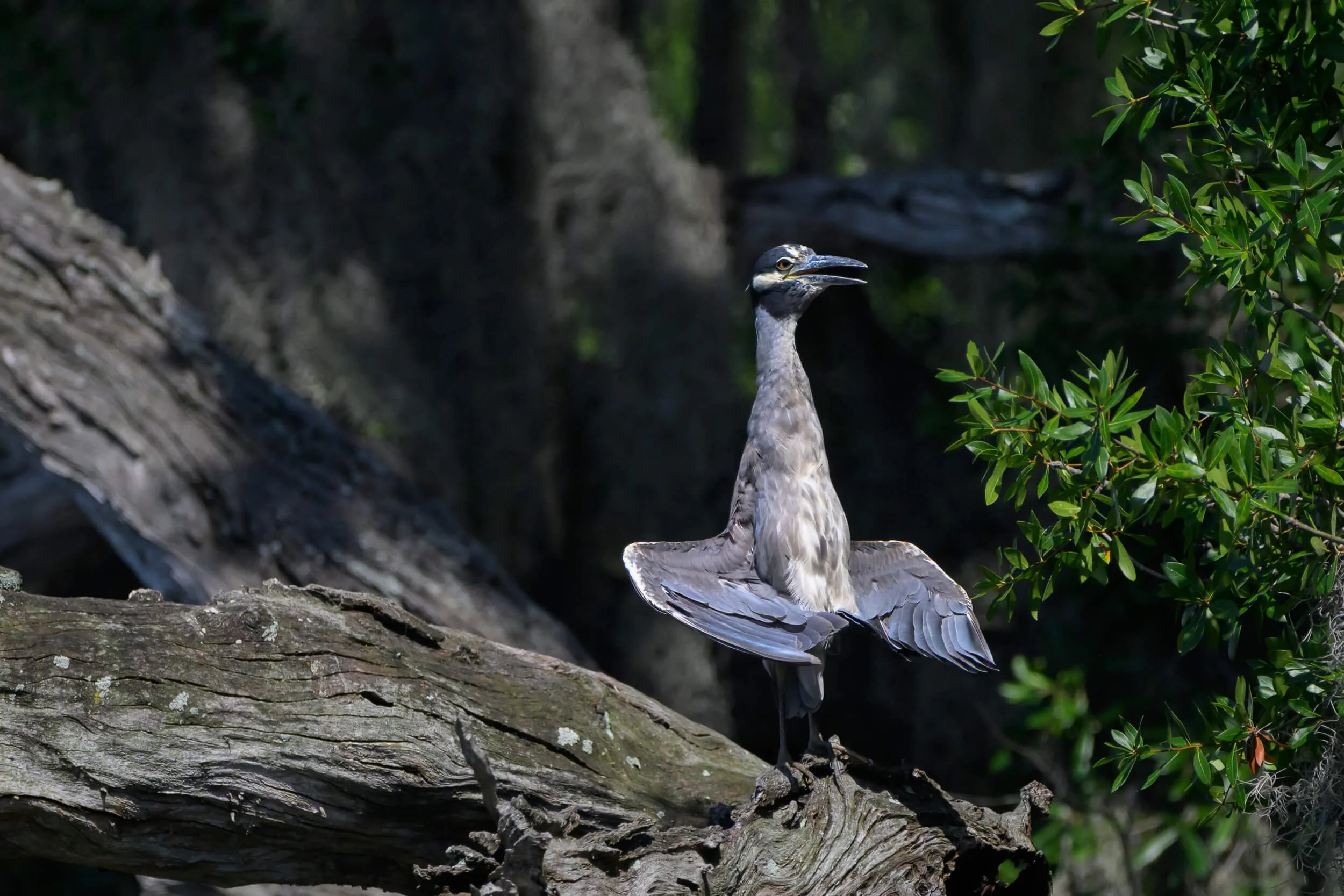
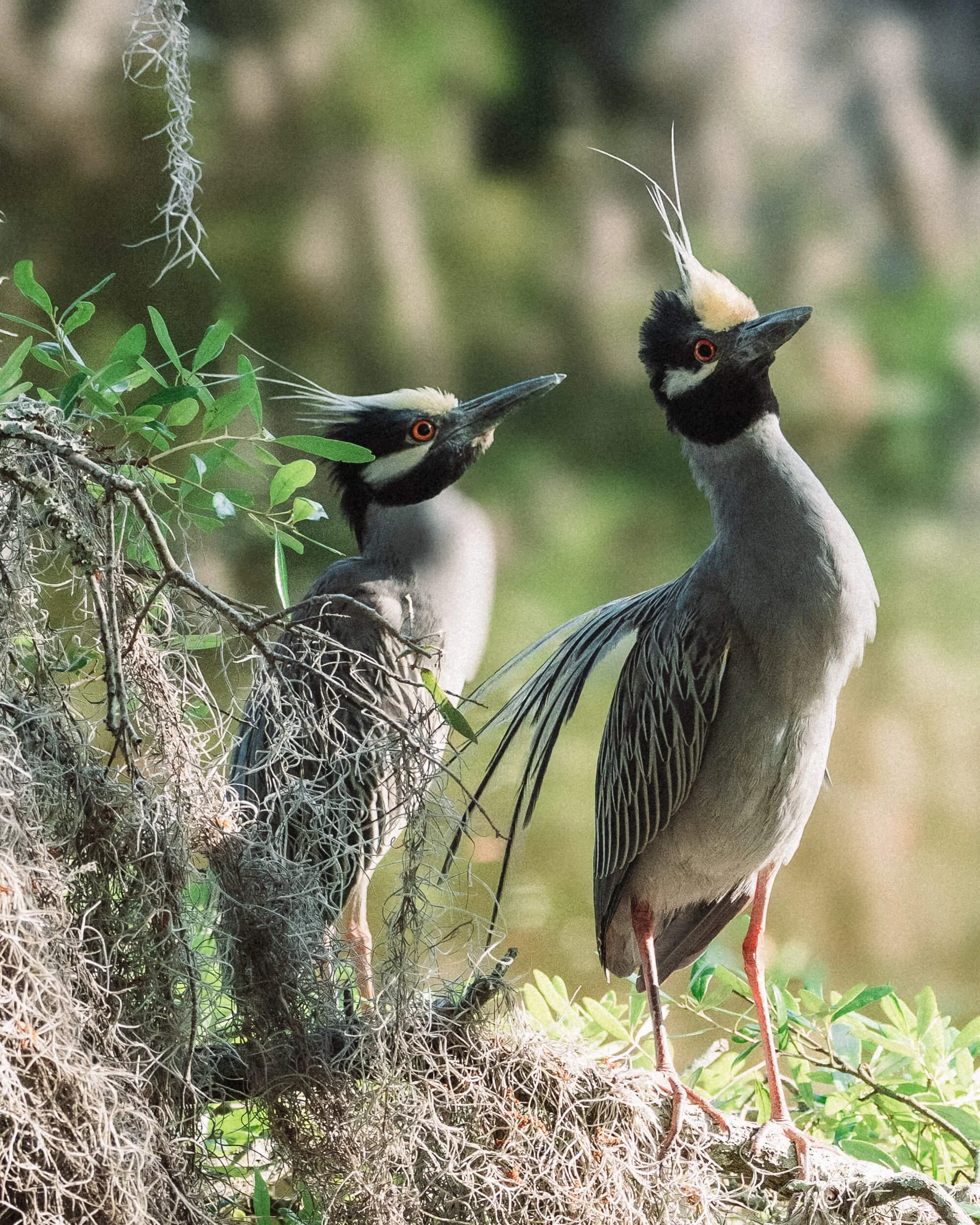
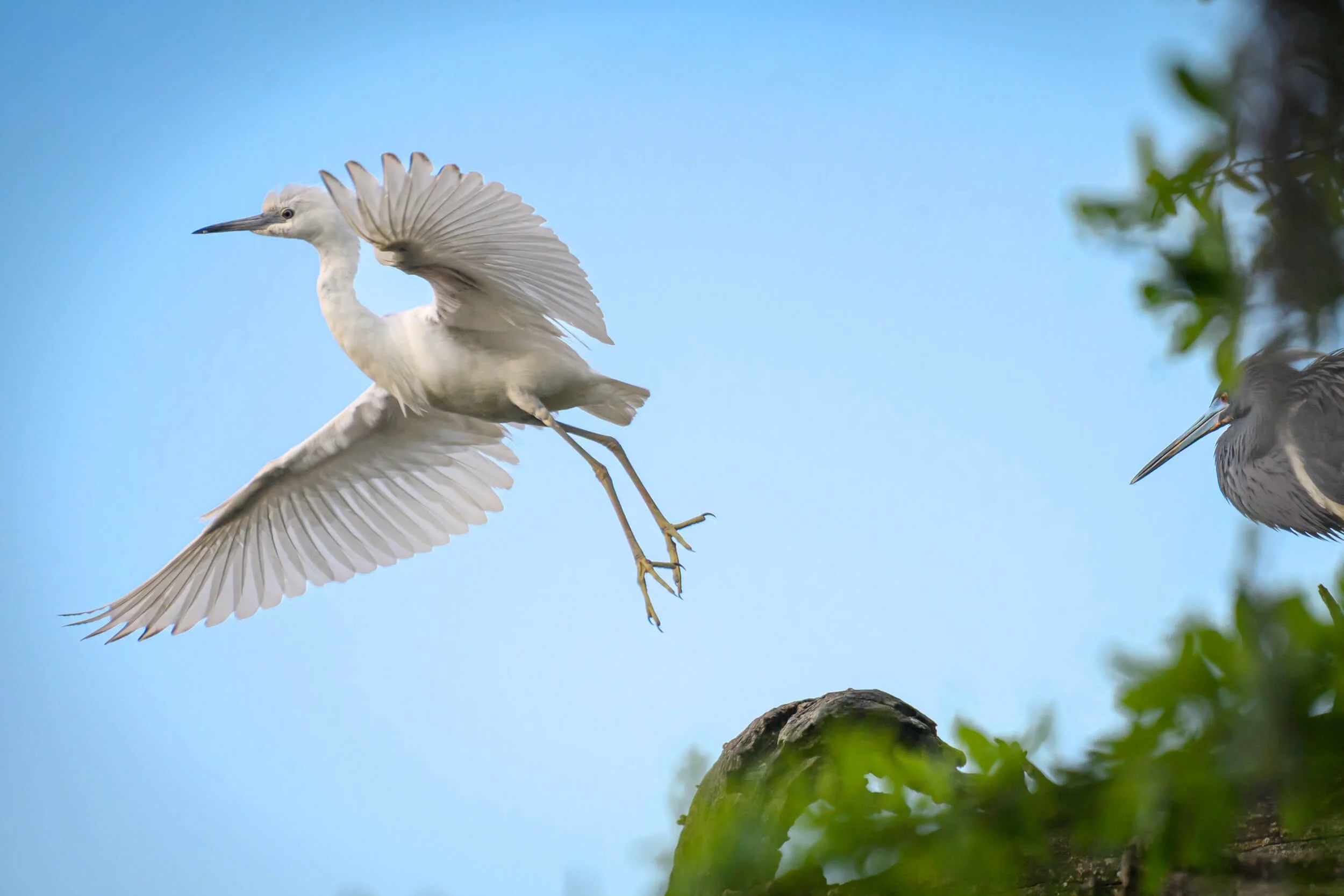
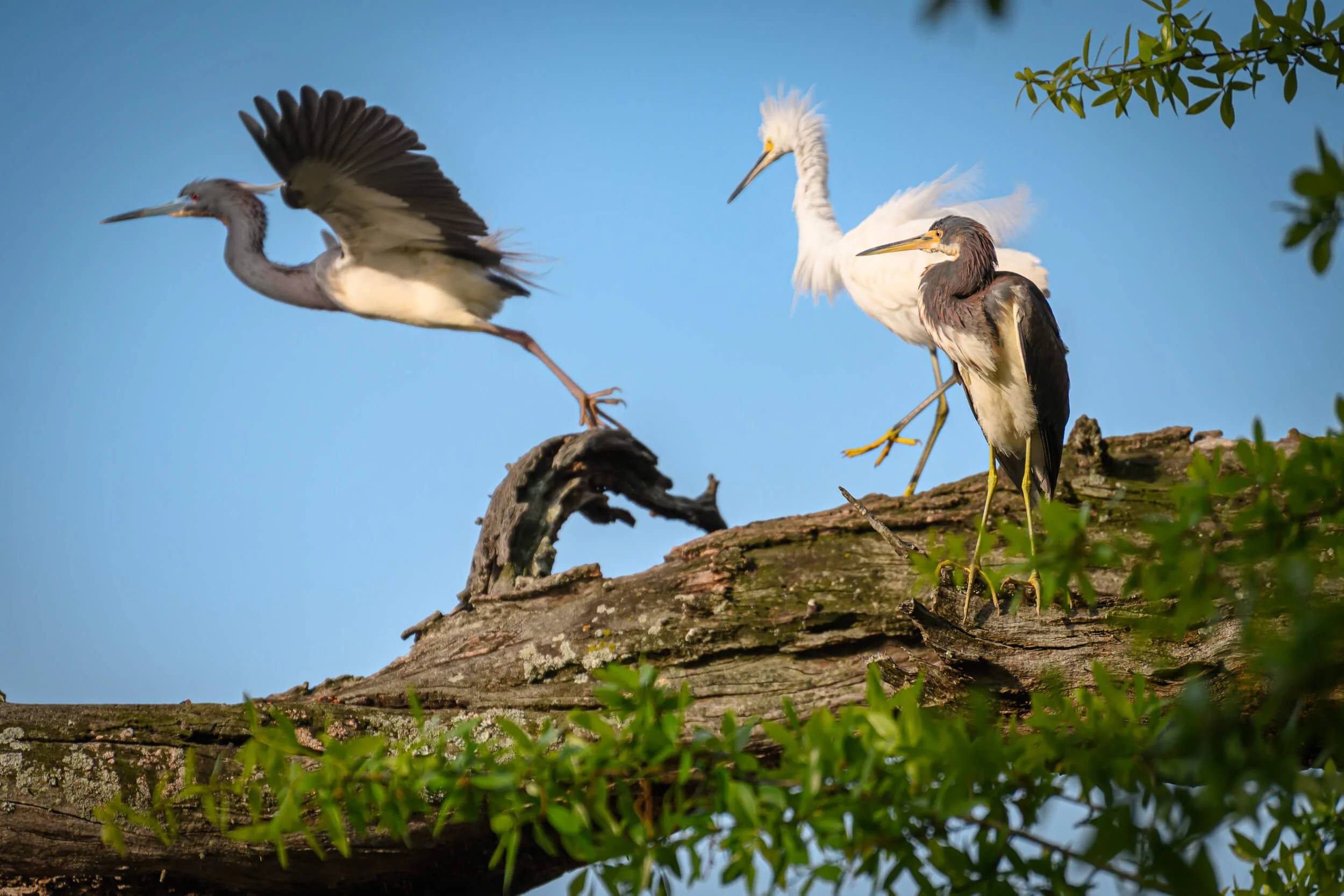
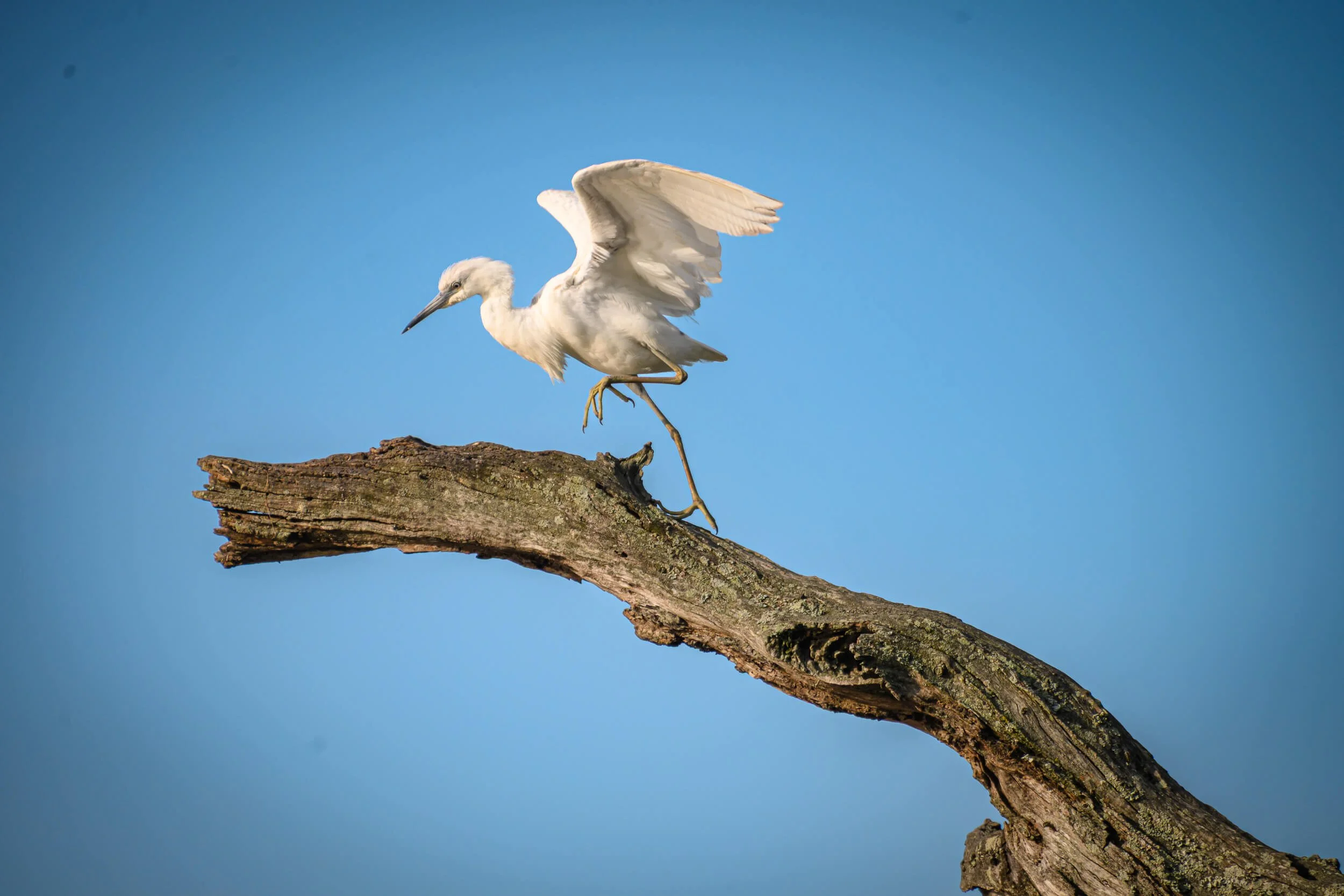
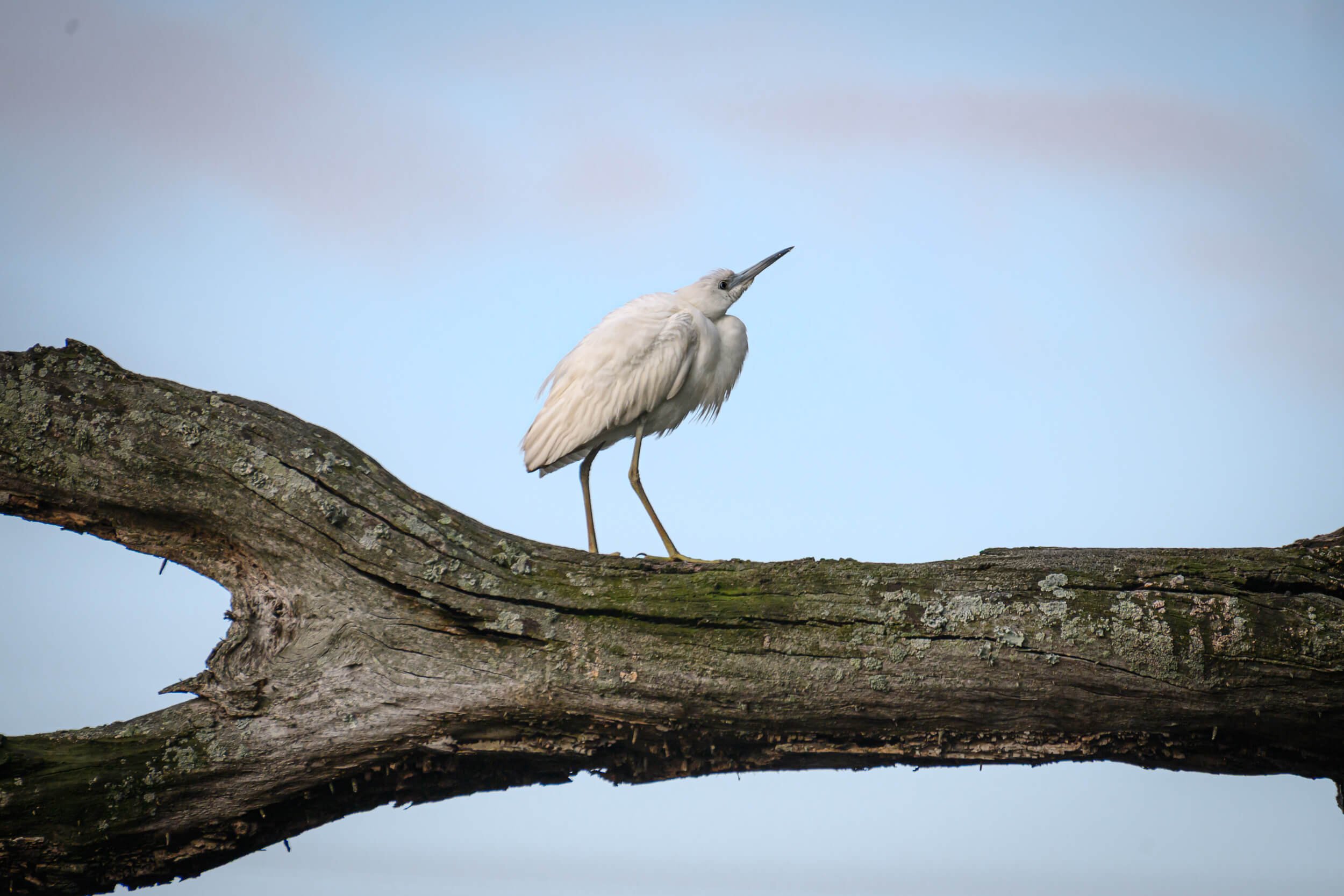
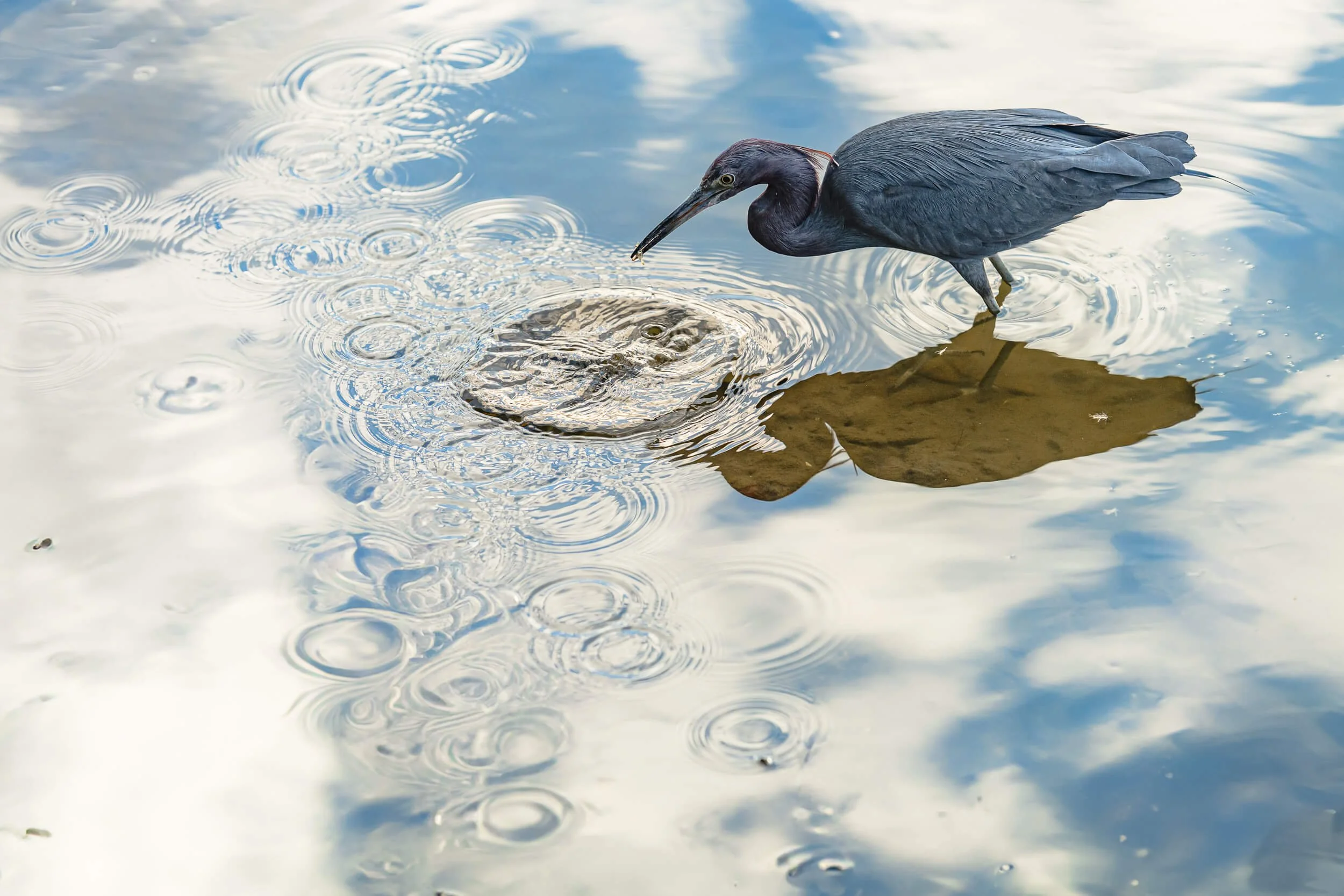
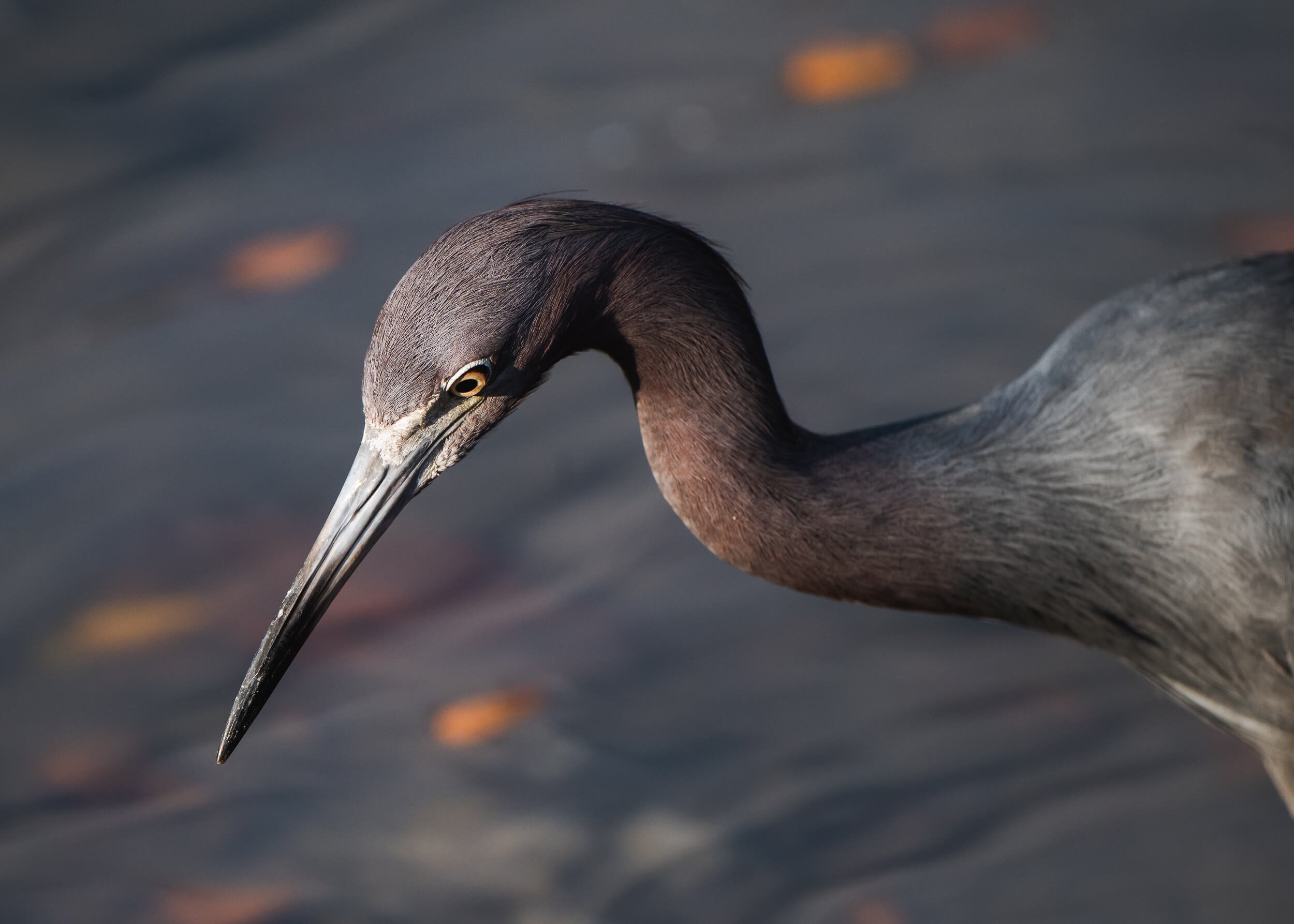
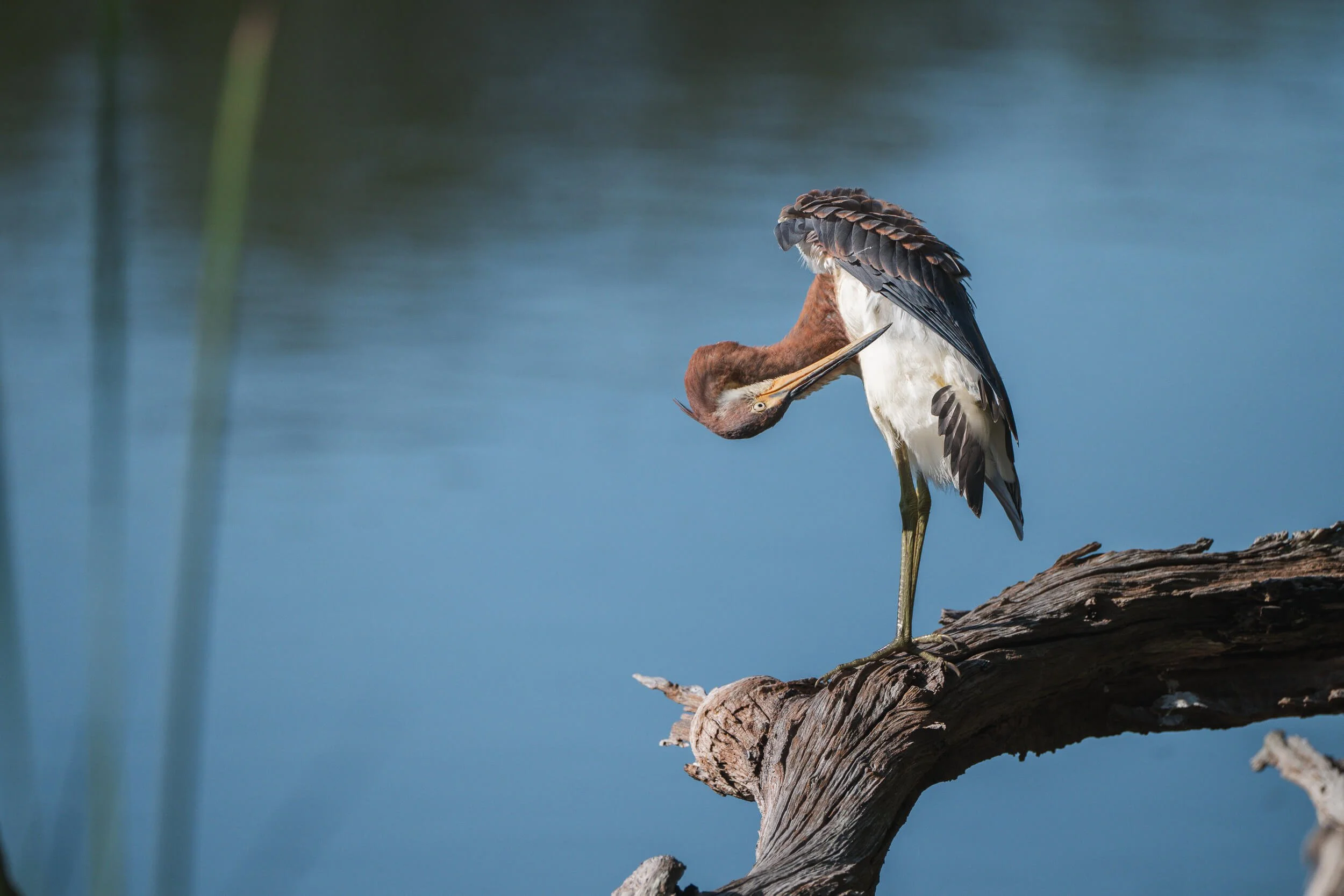
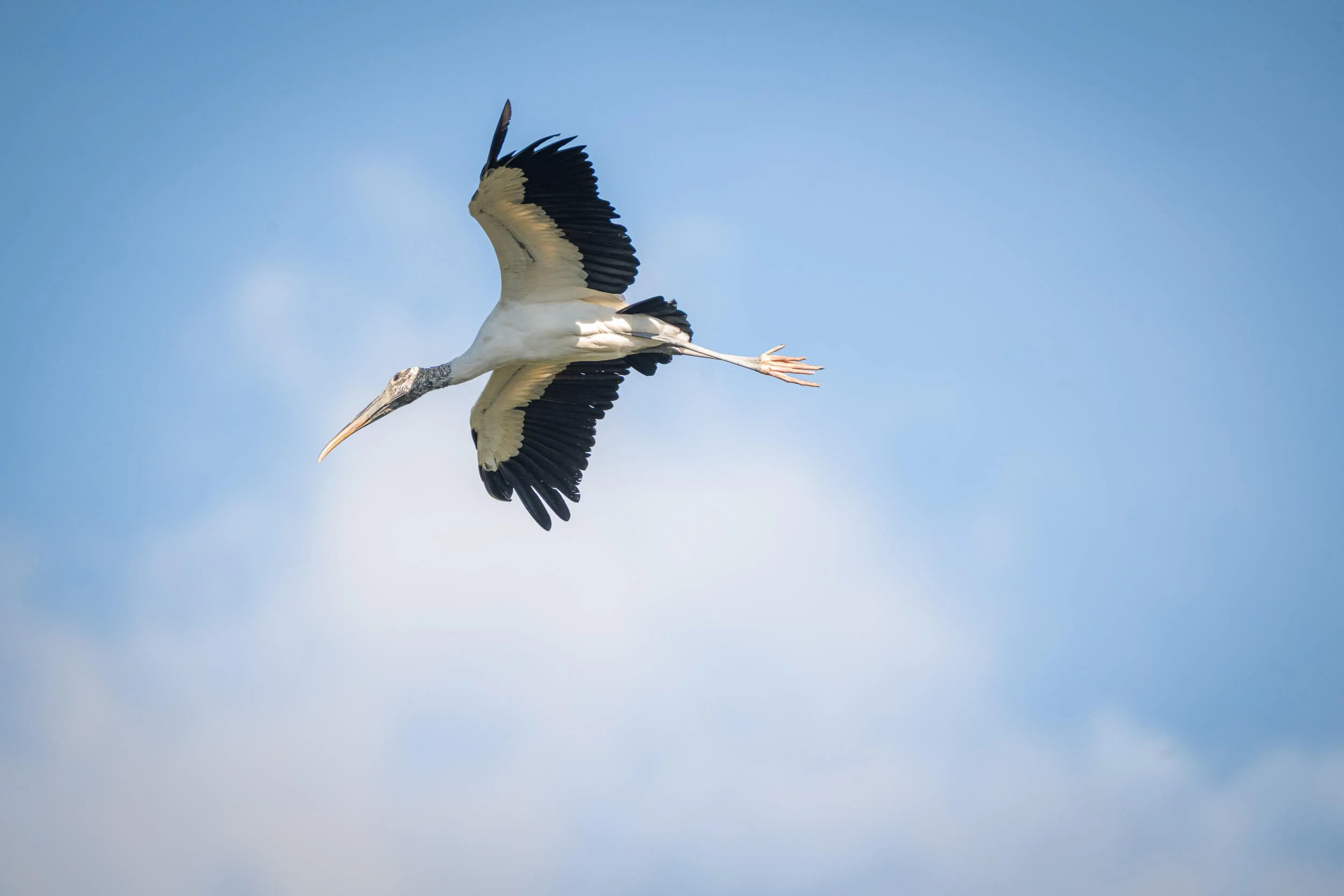
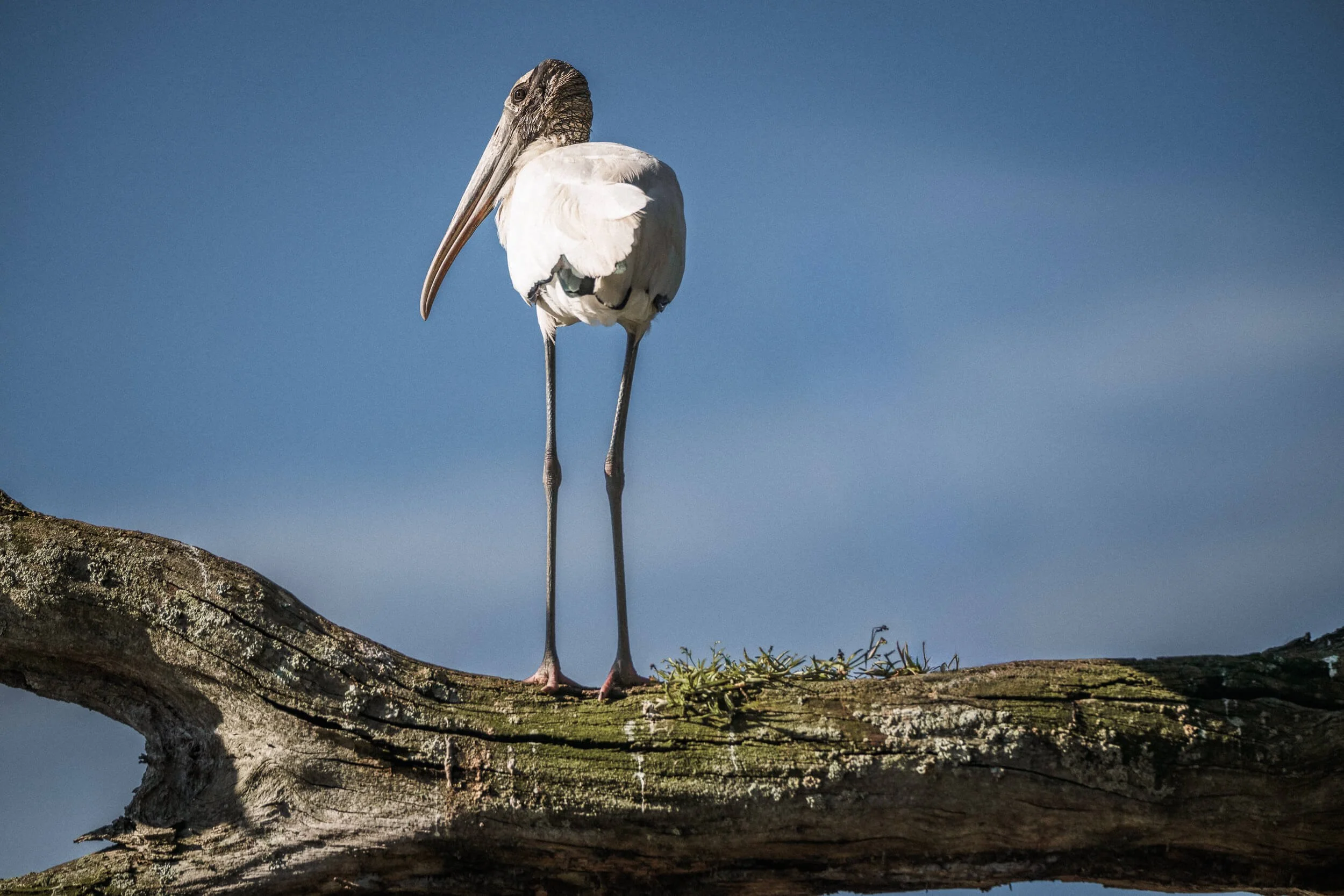
The Wading Birds
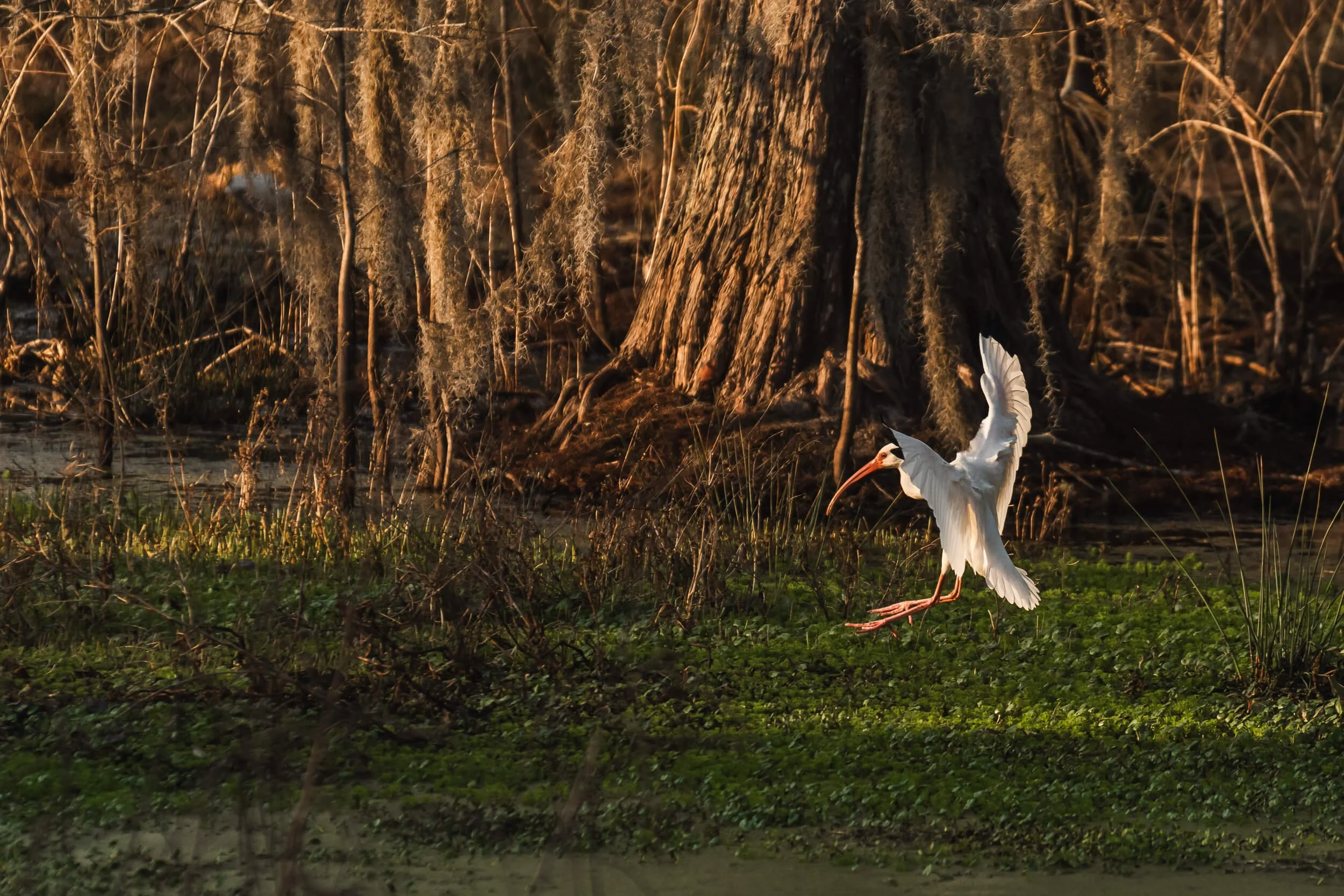
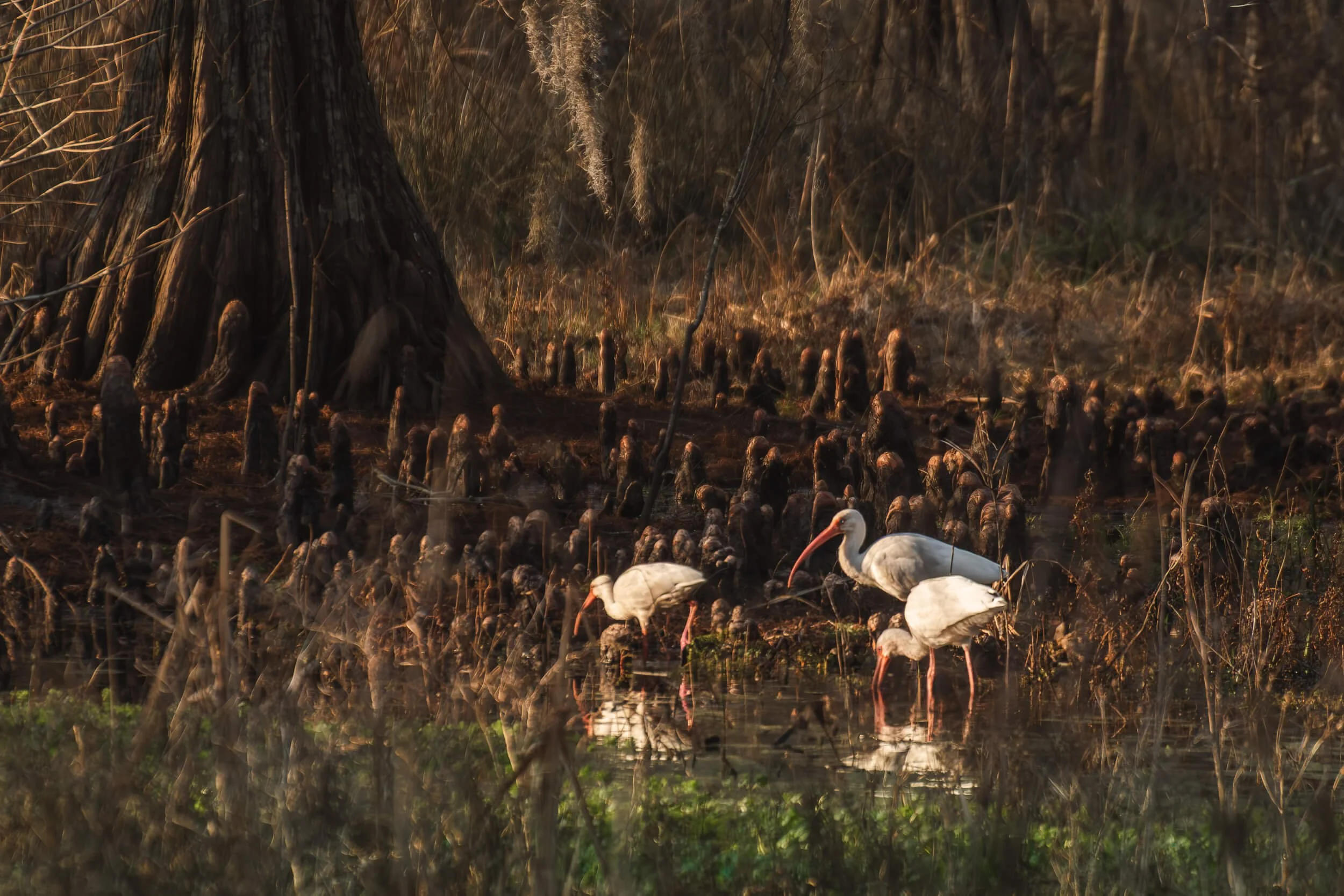
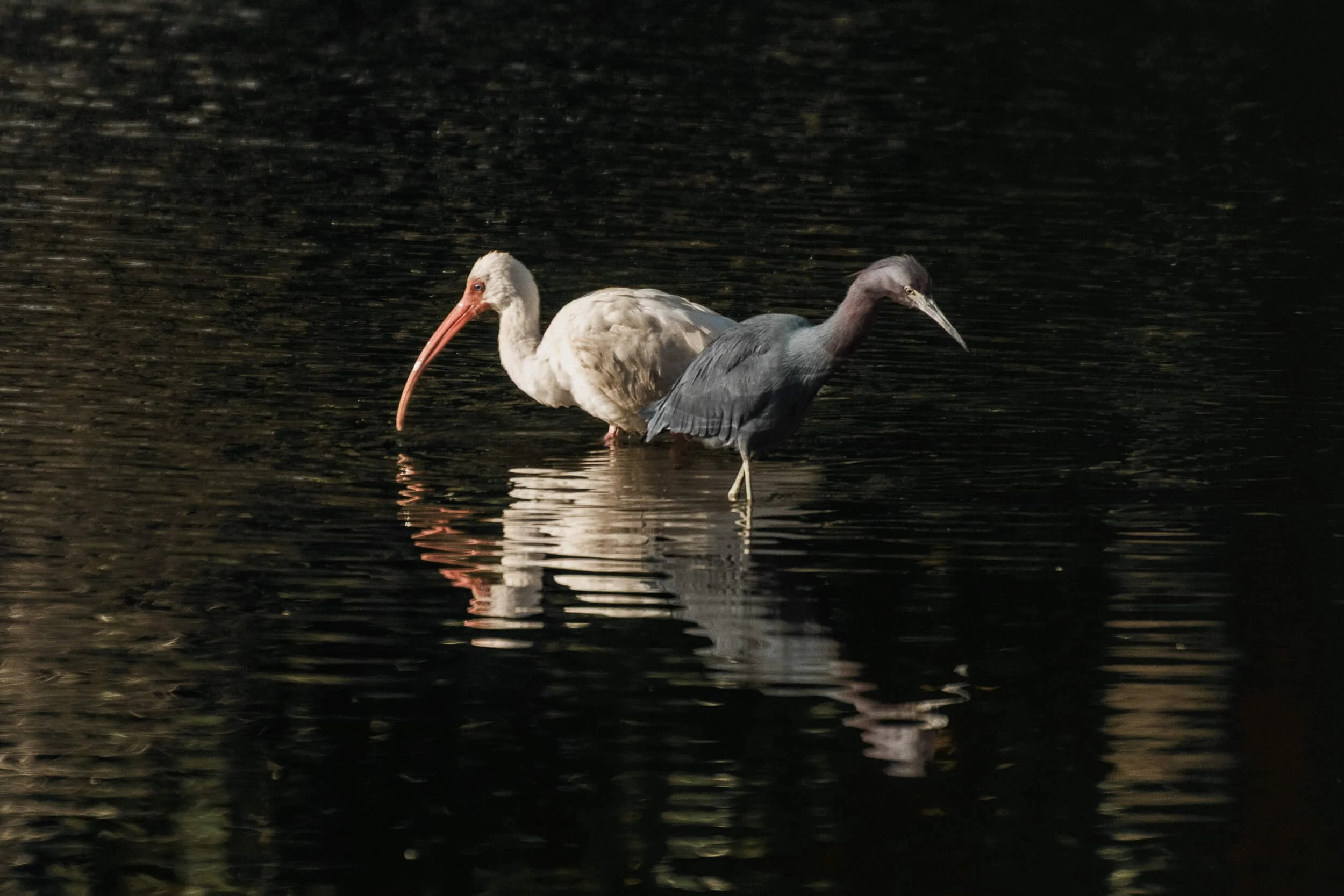
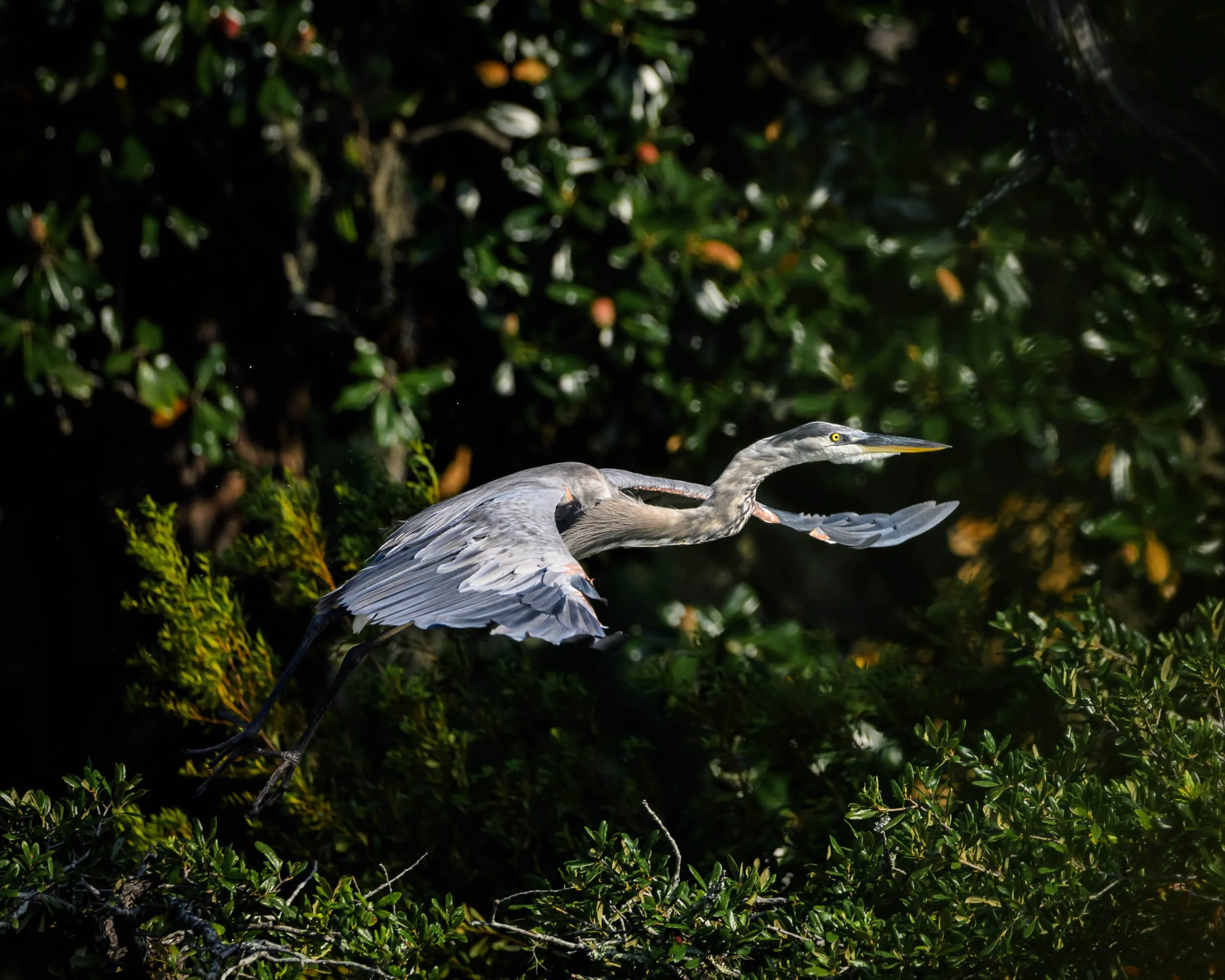
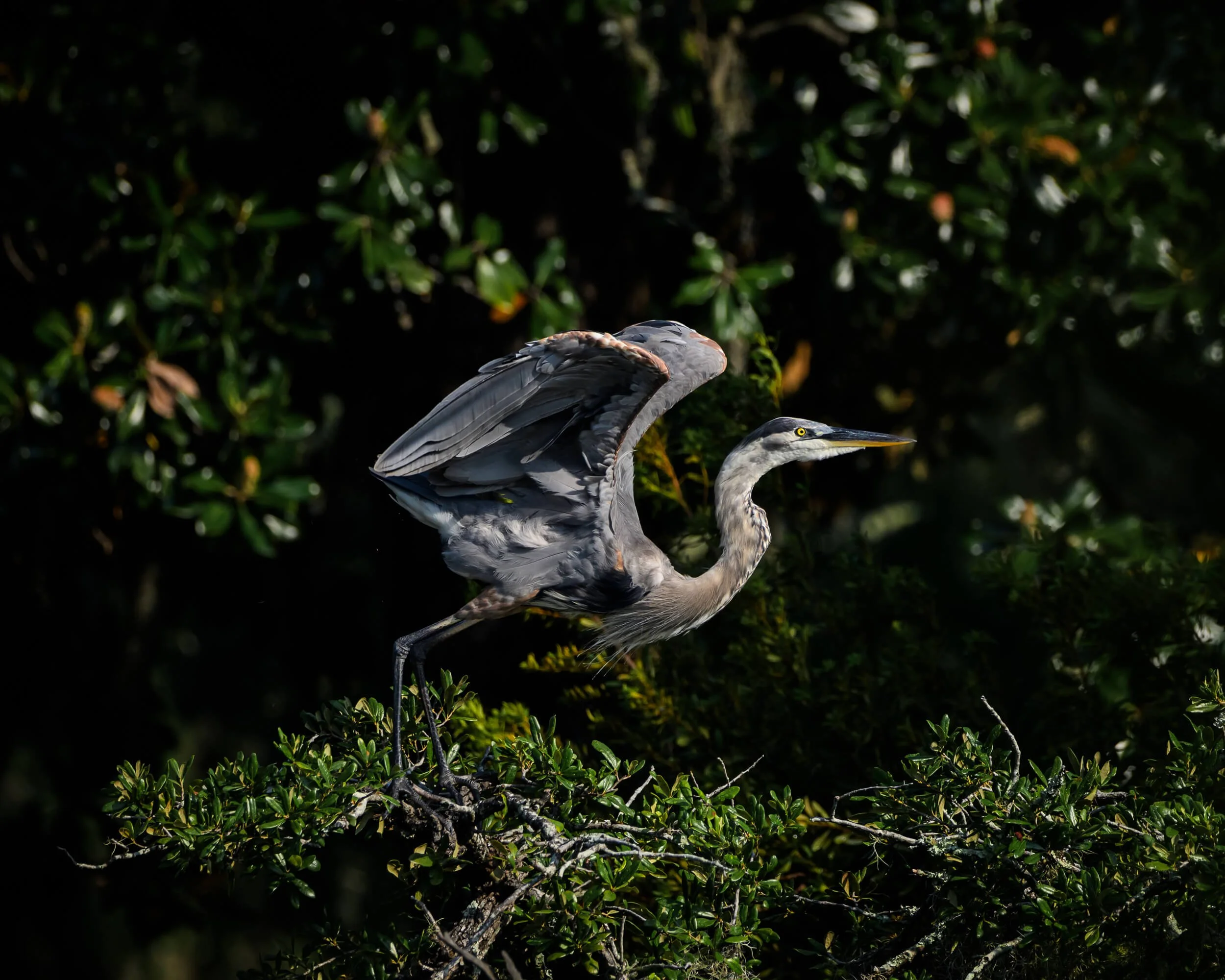
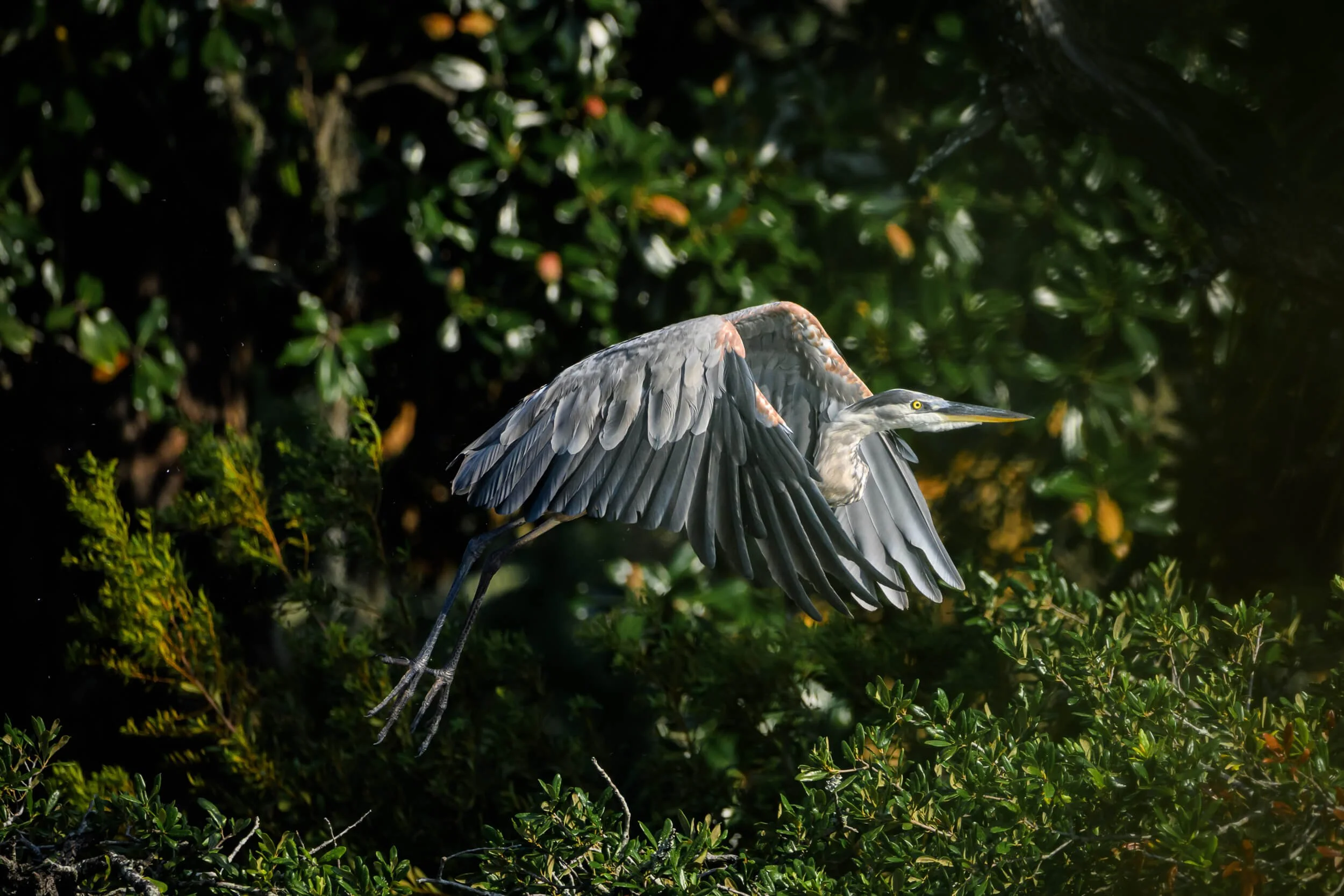
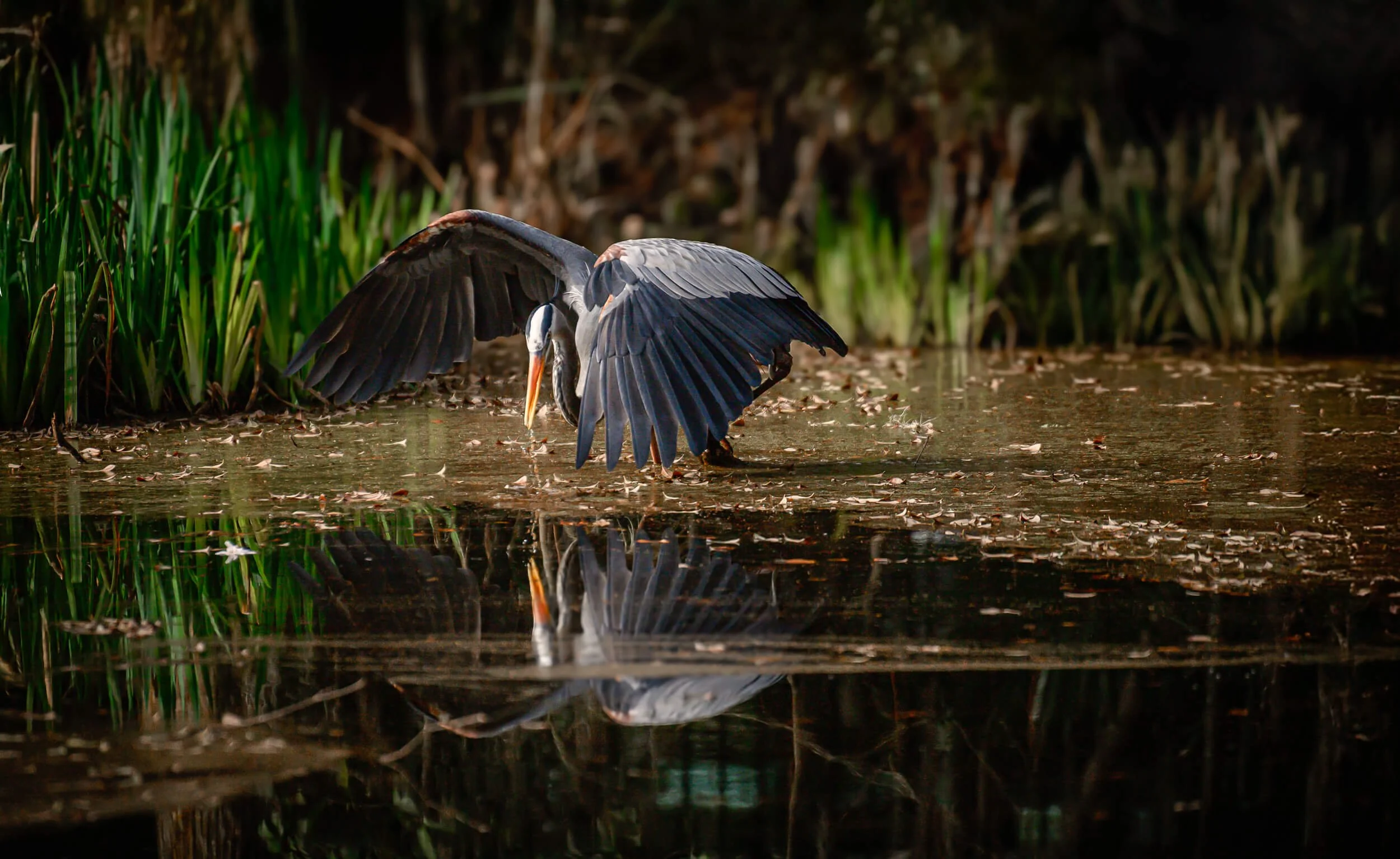
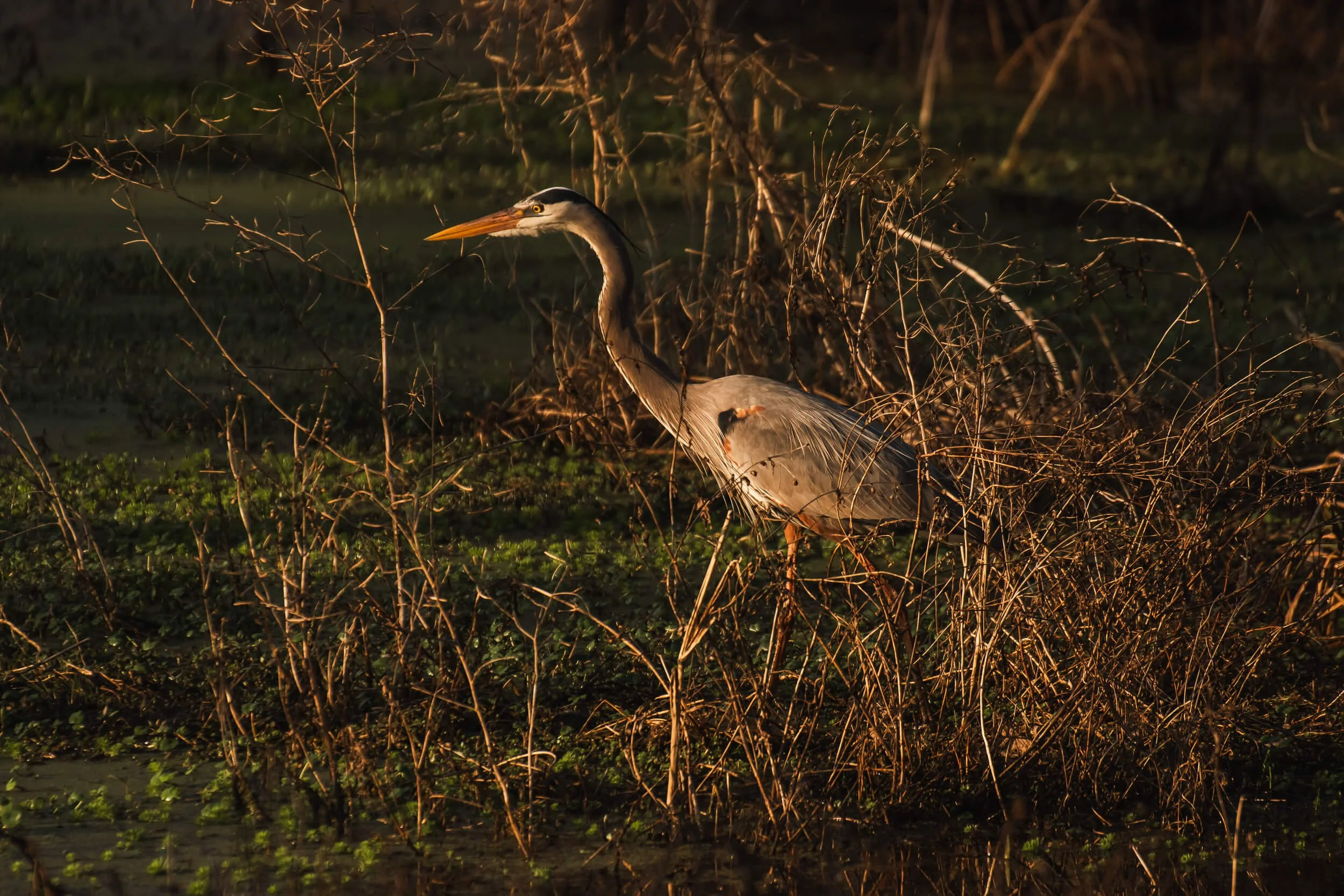
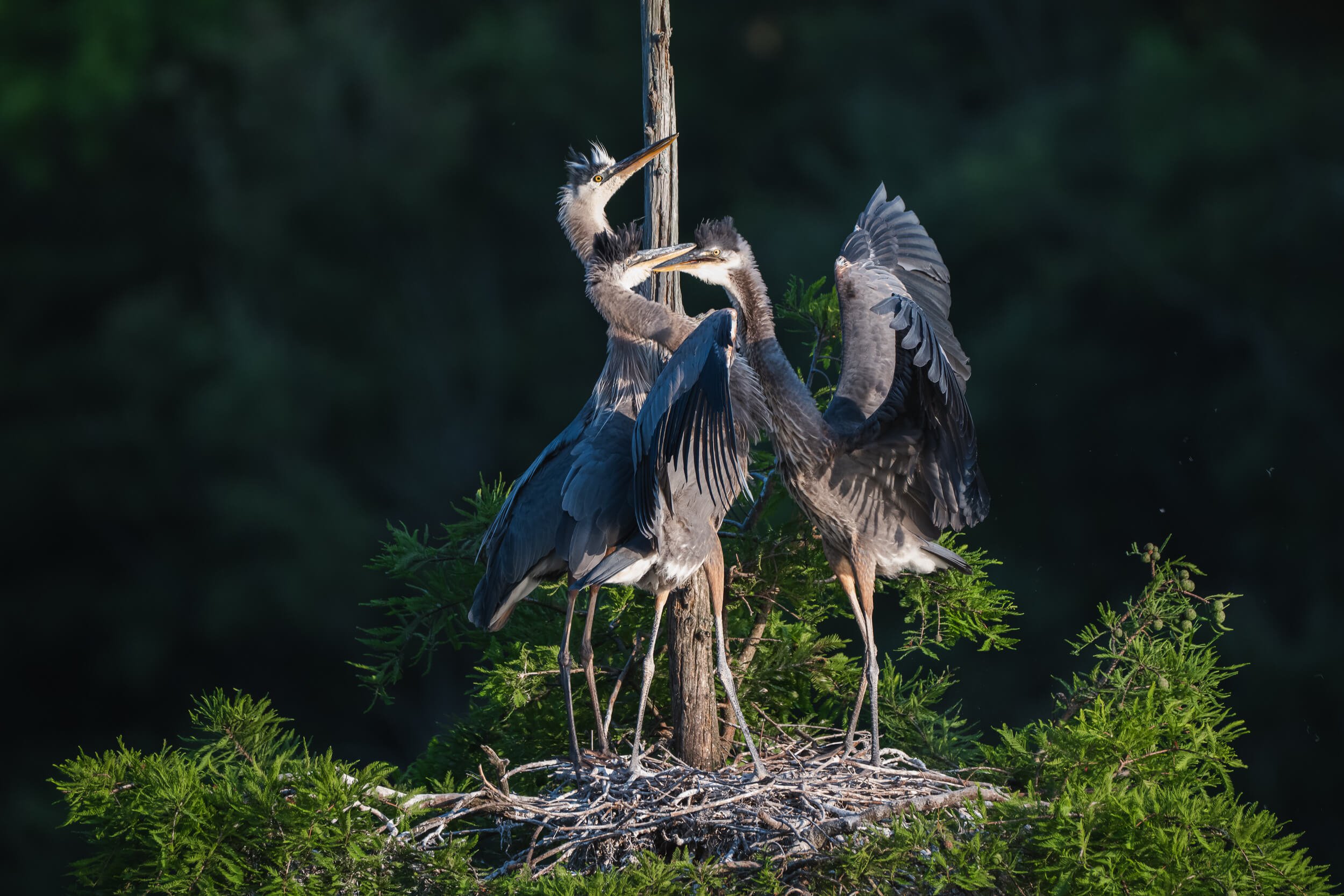
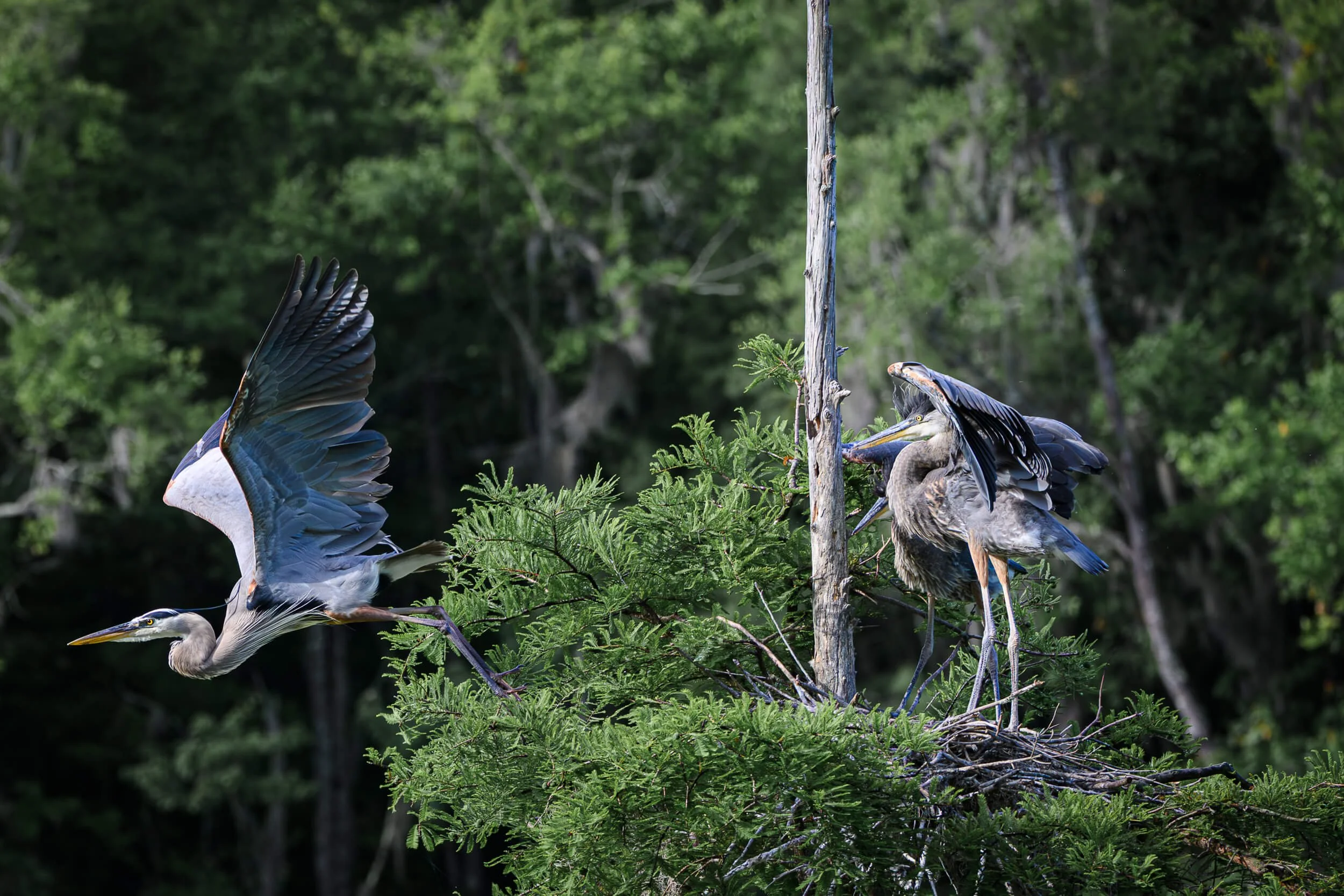
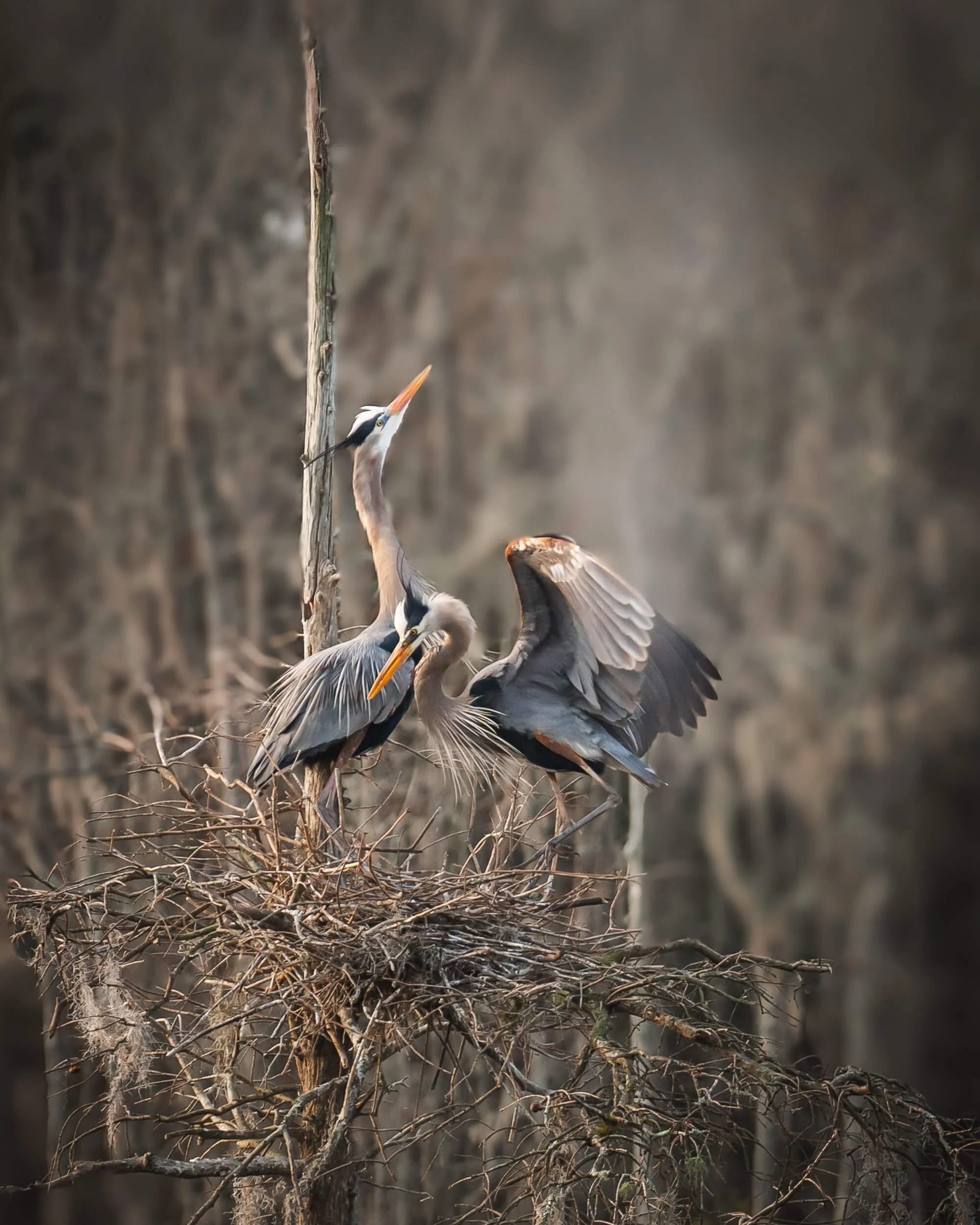
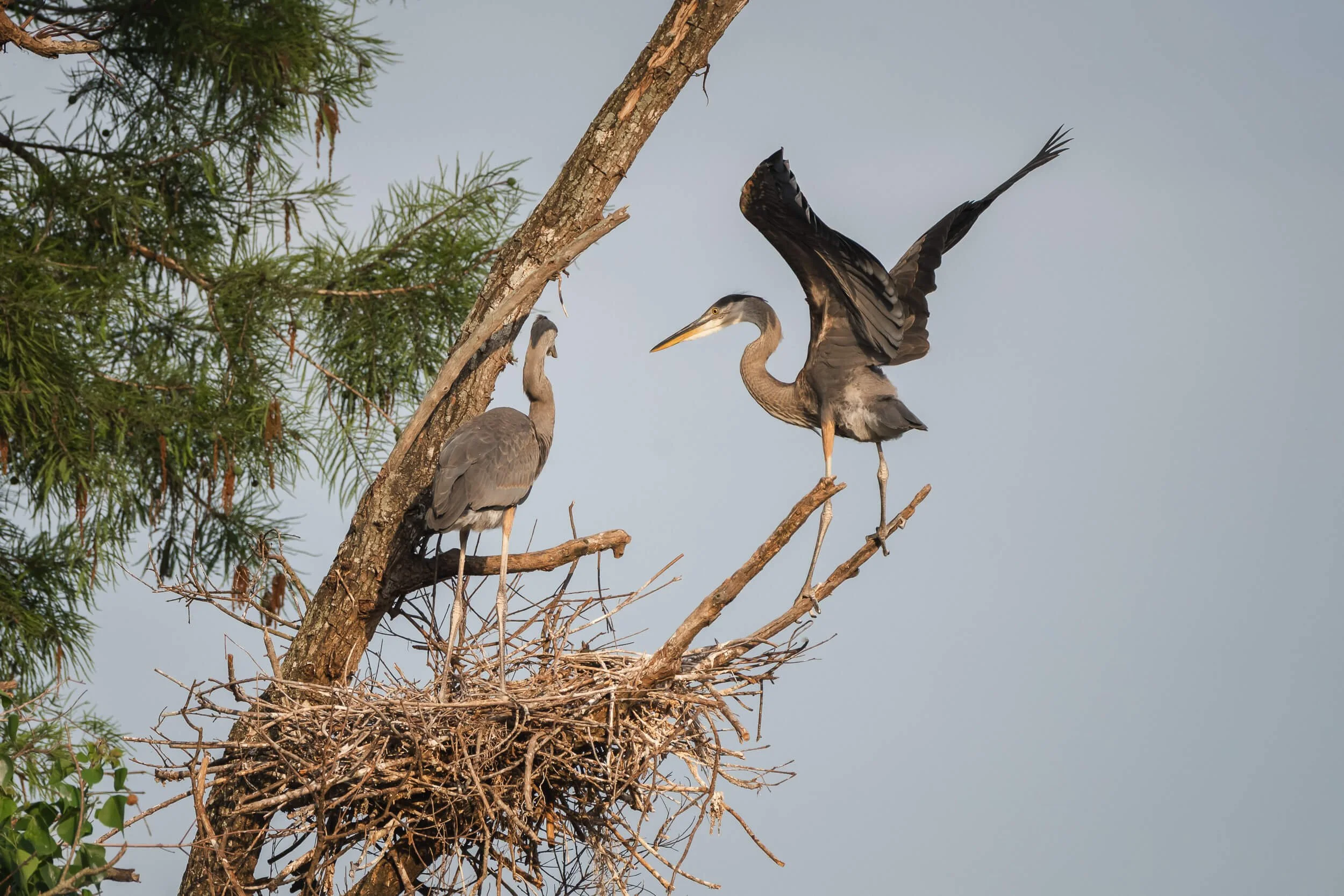
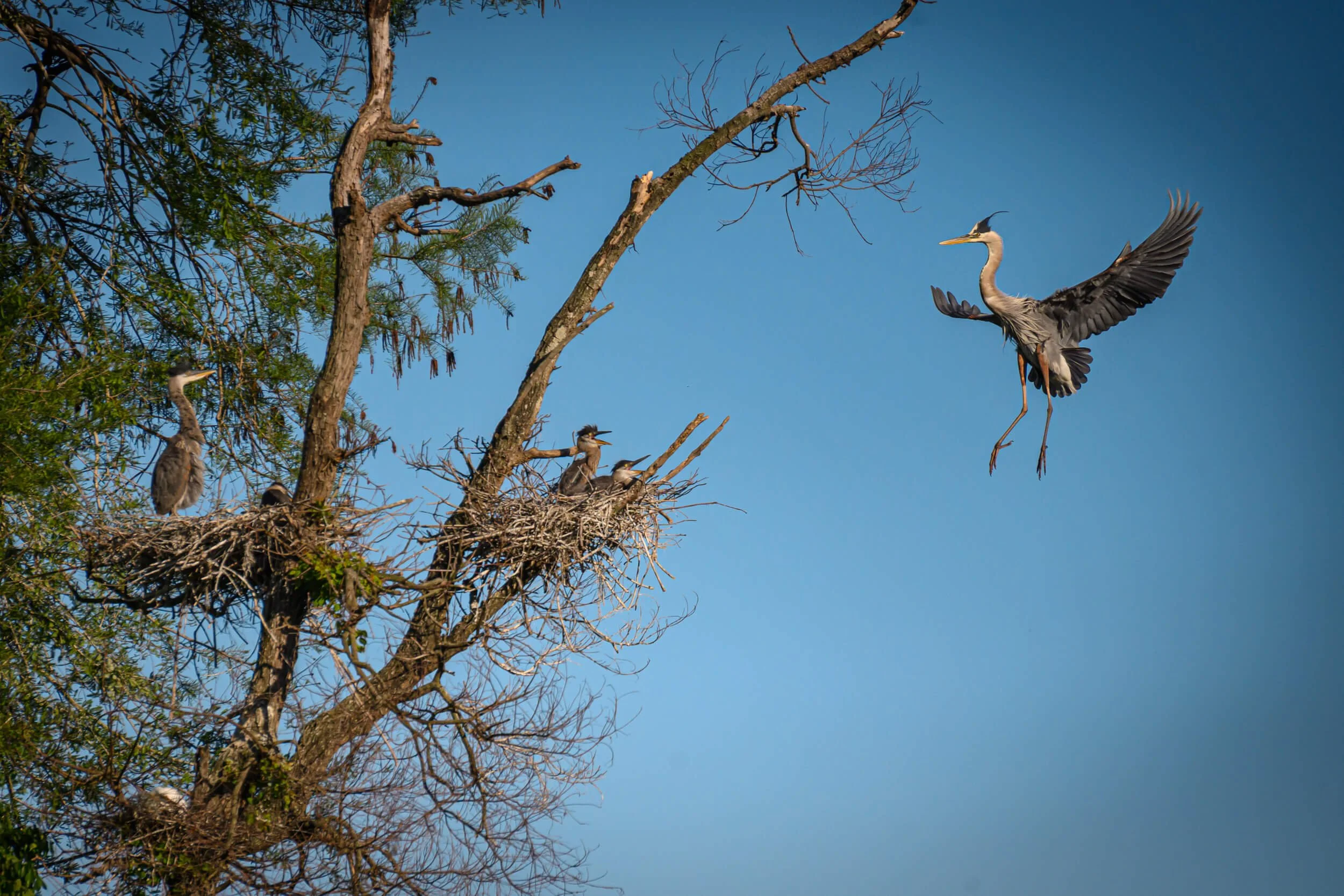
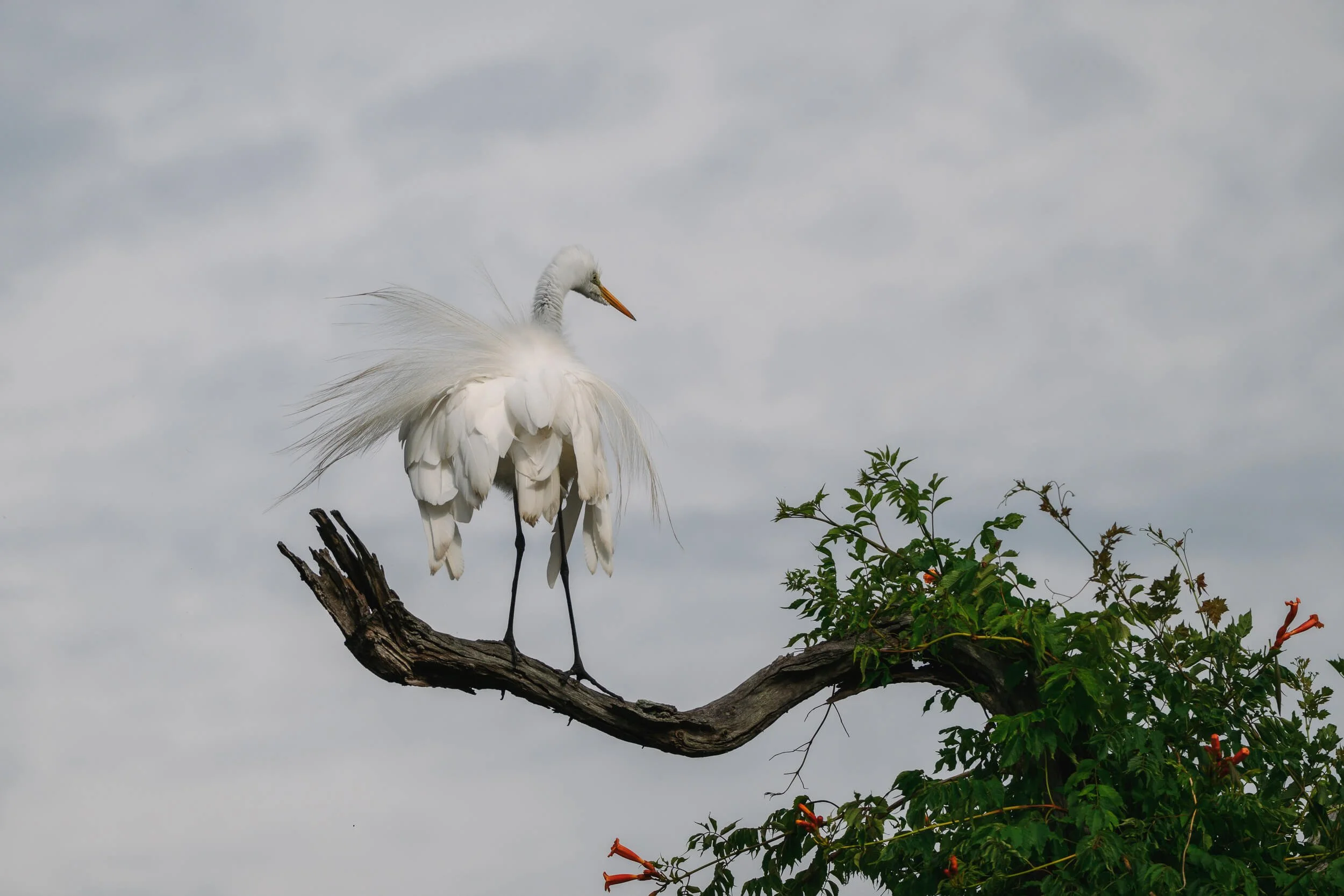
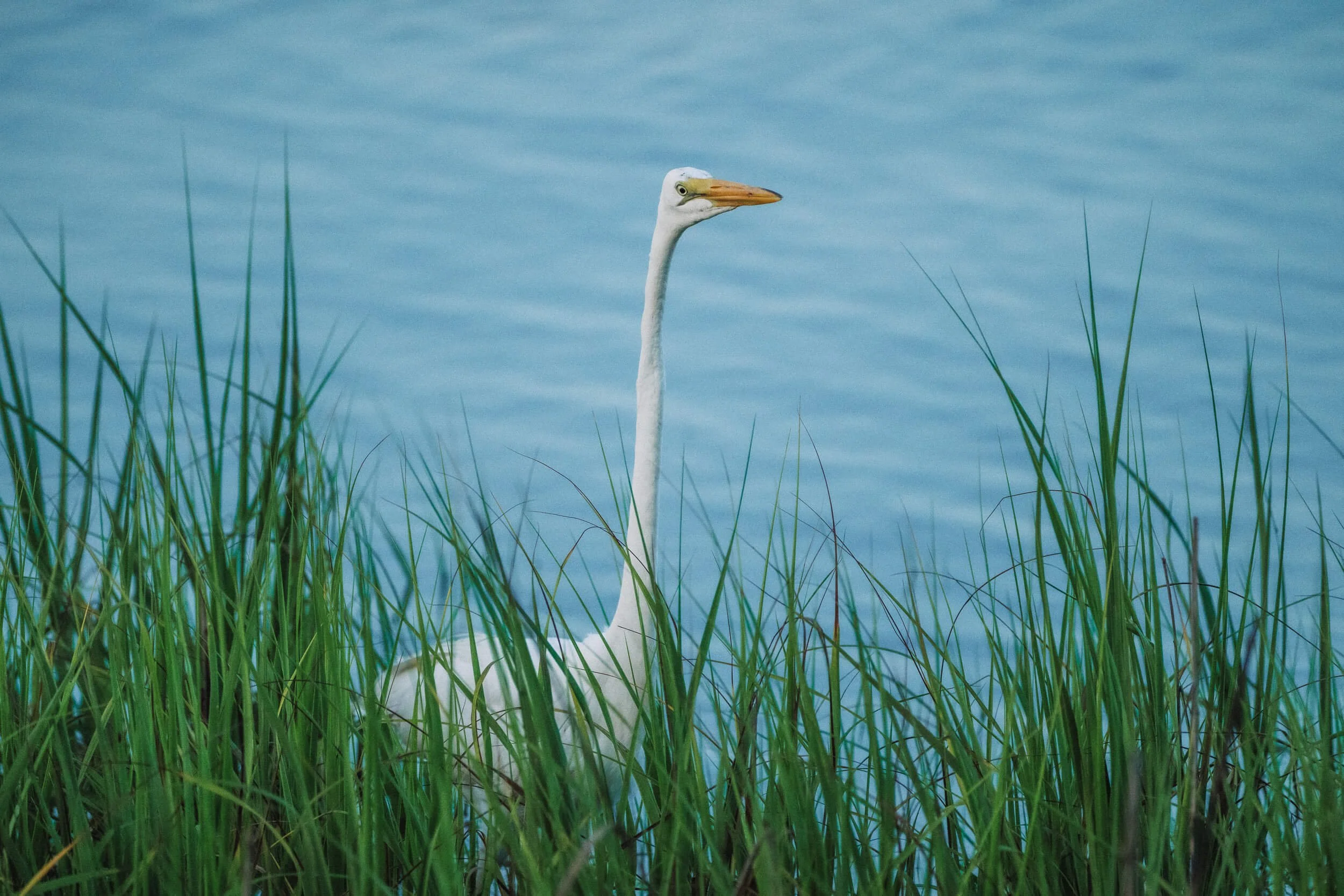
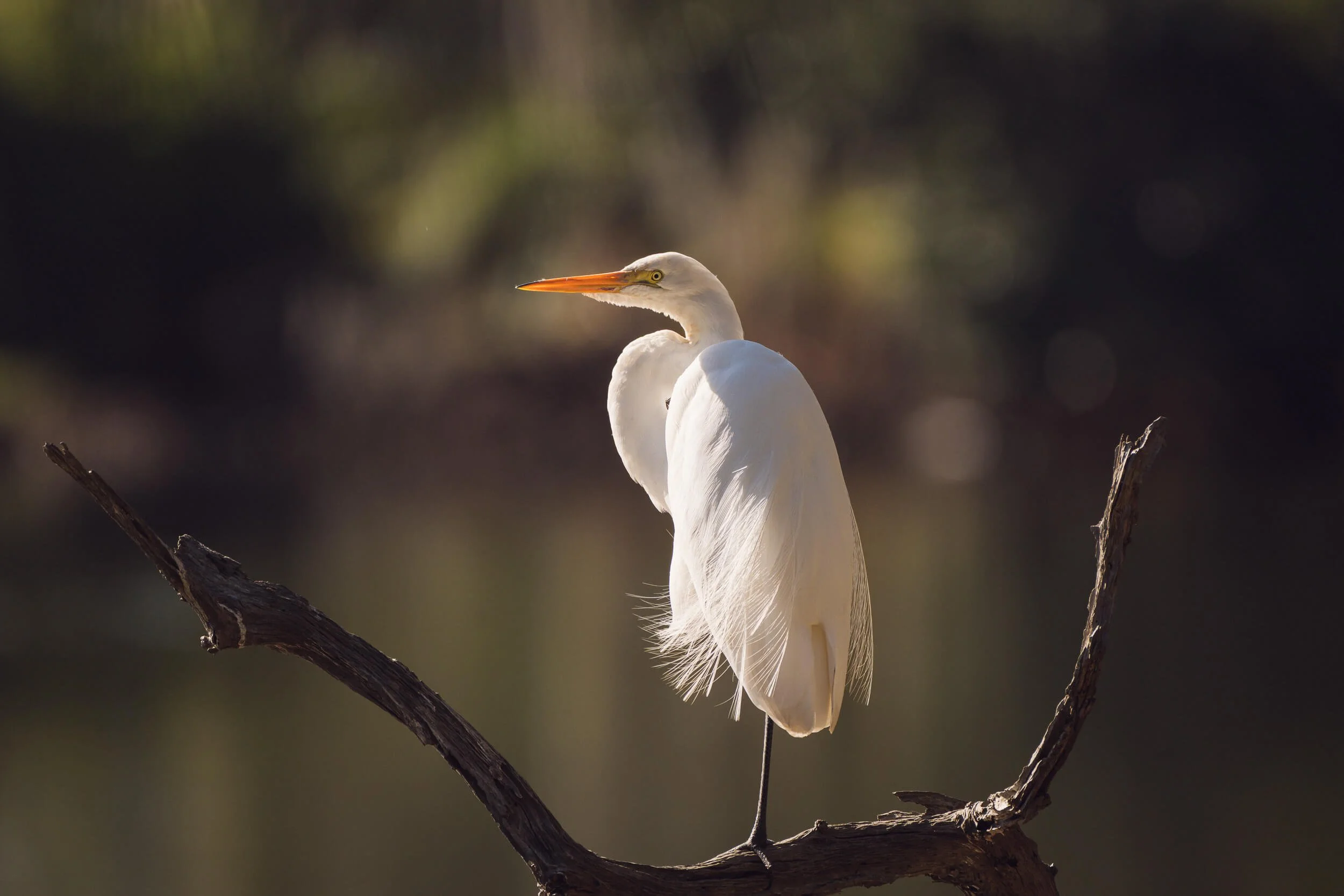
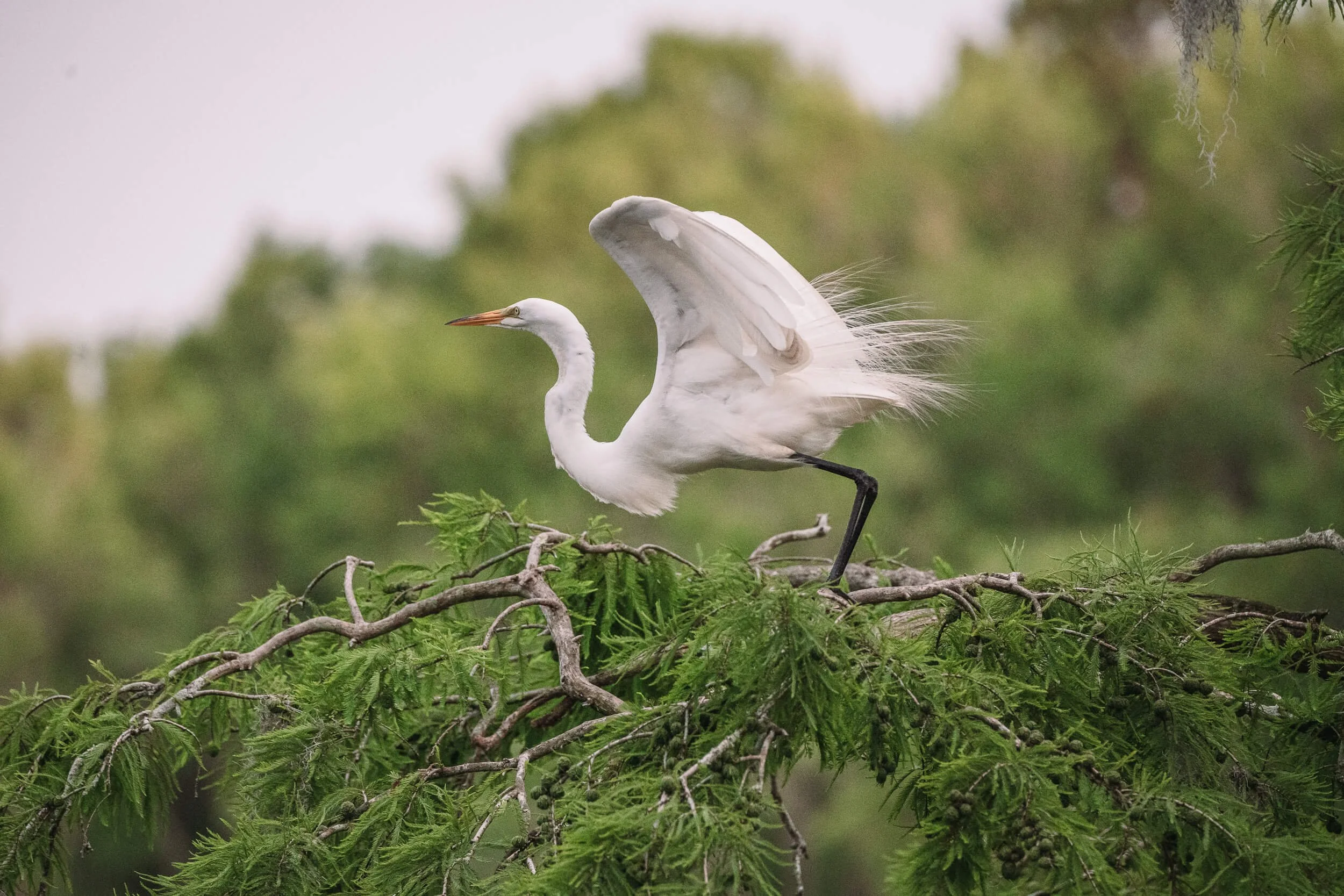
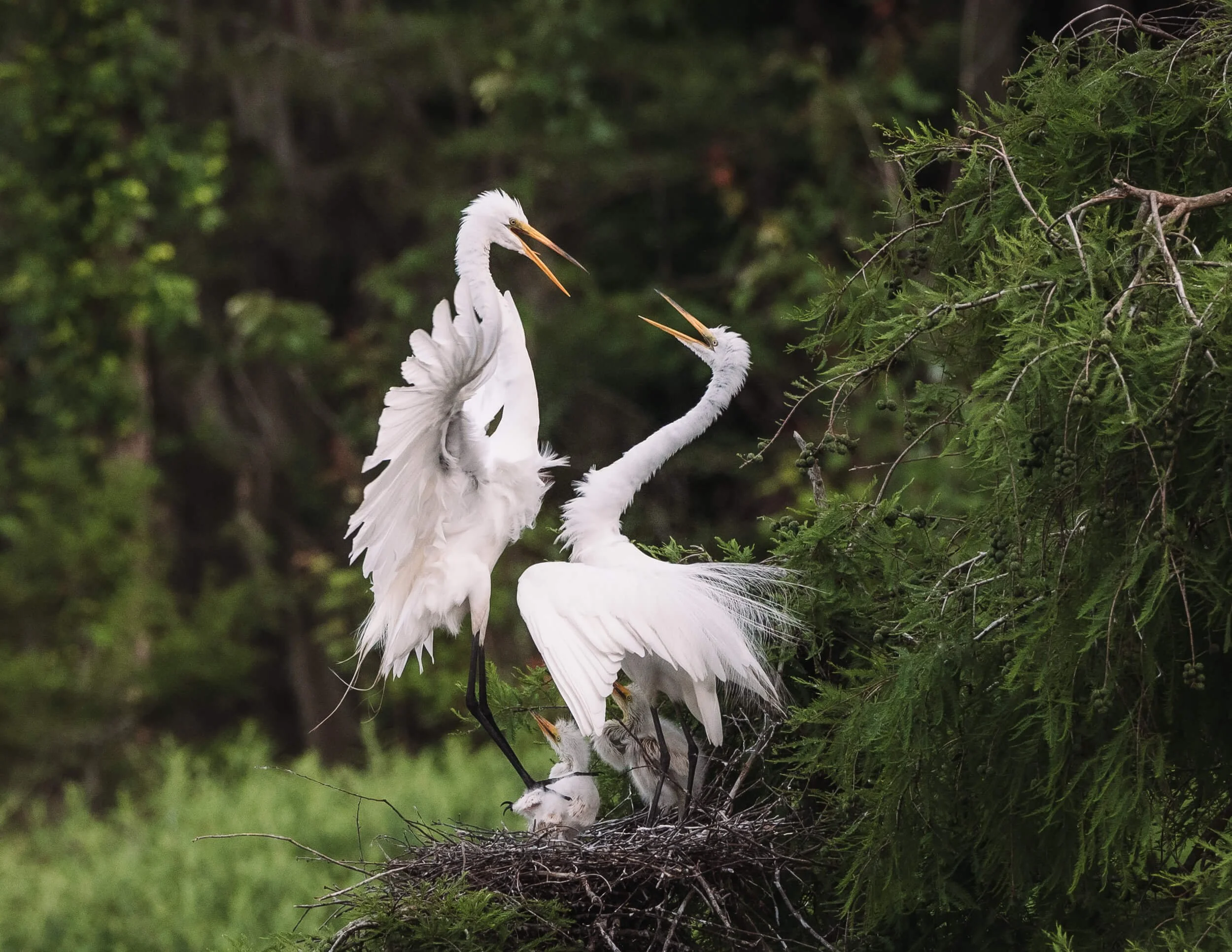
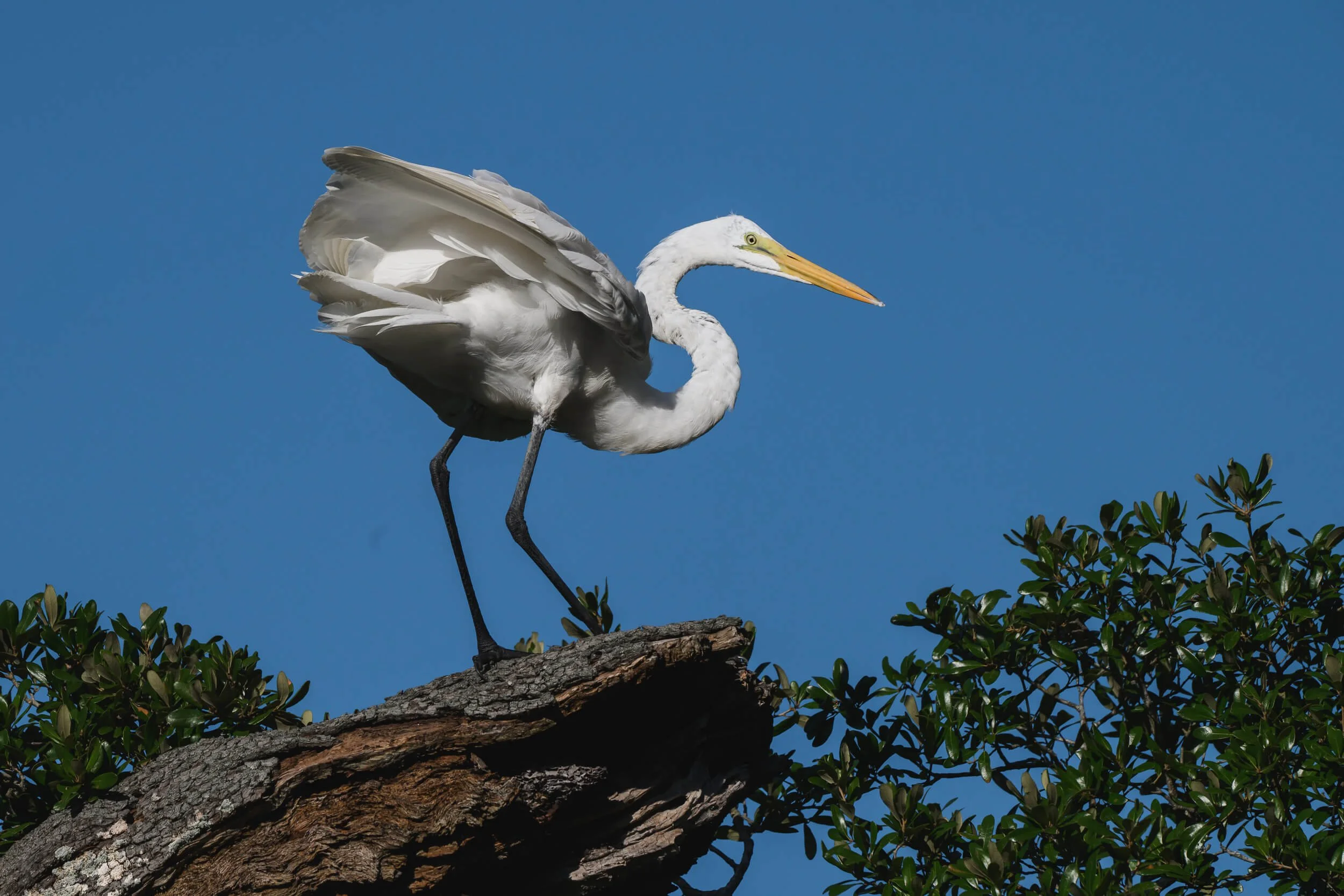
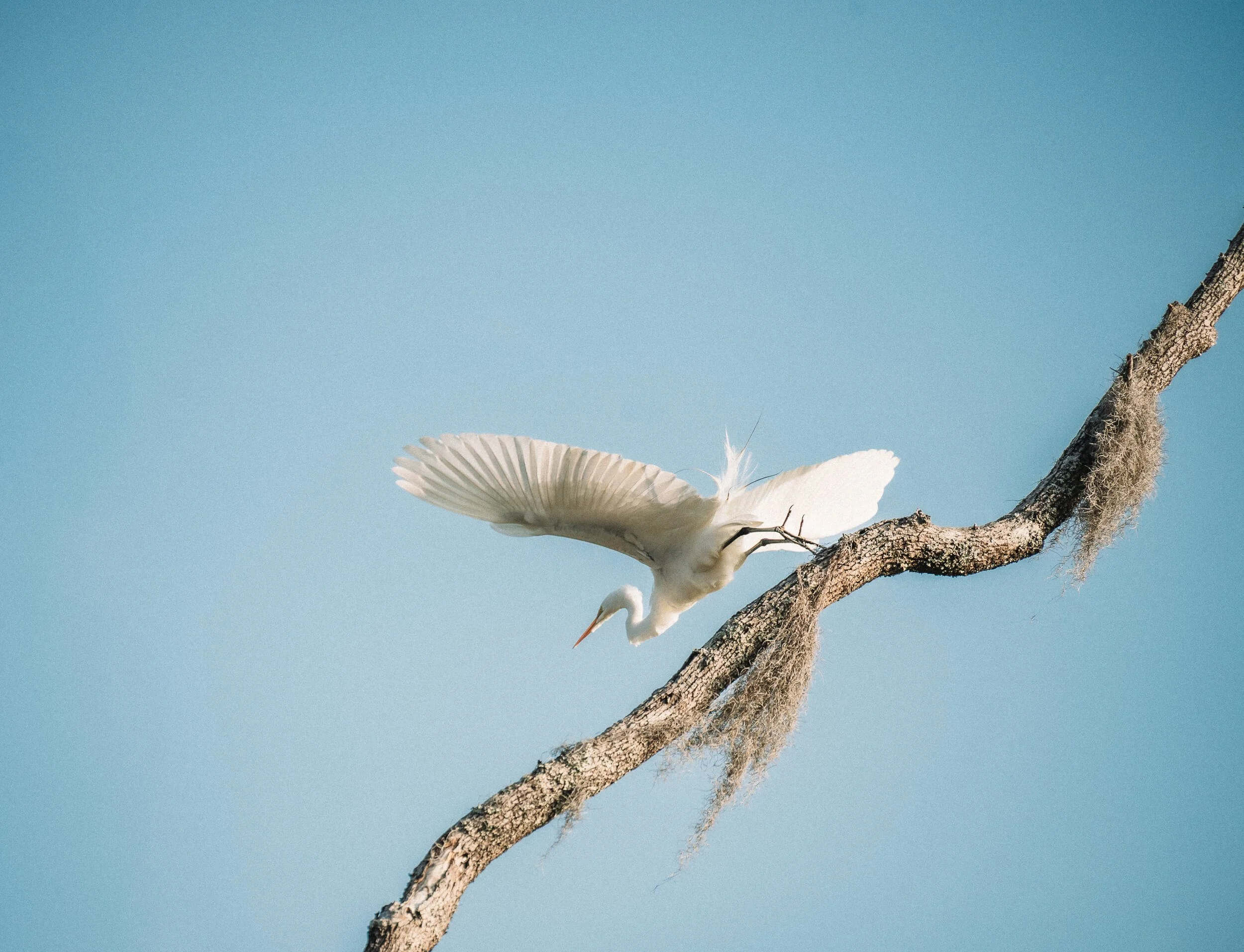
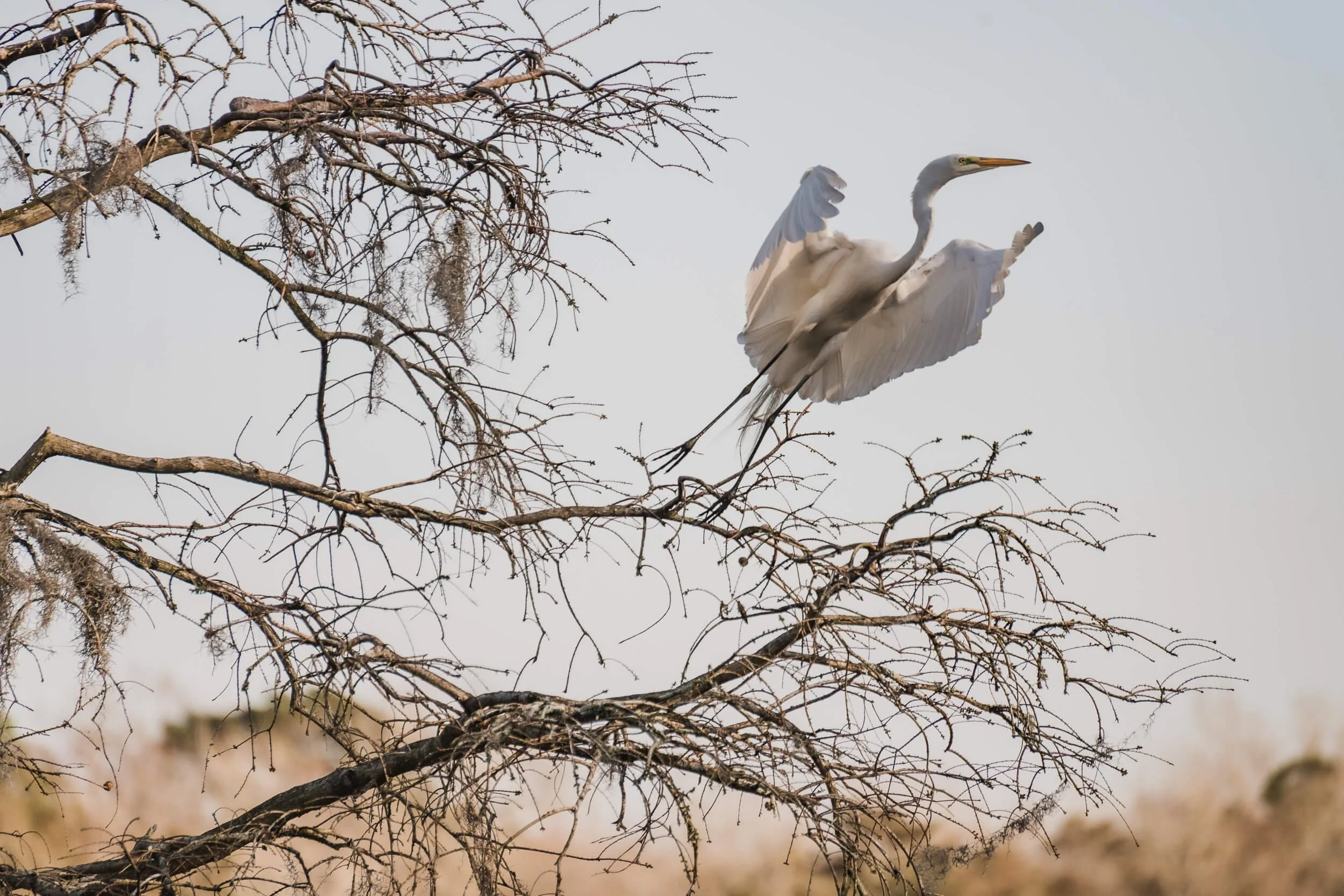
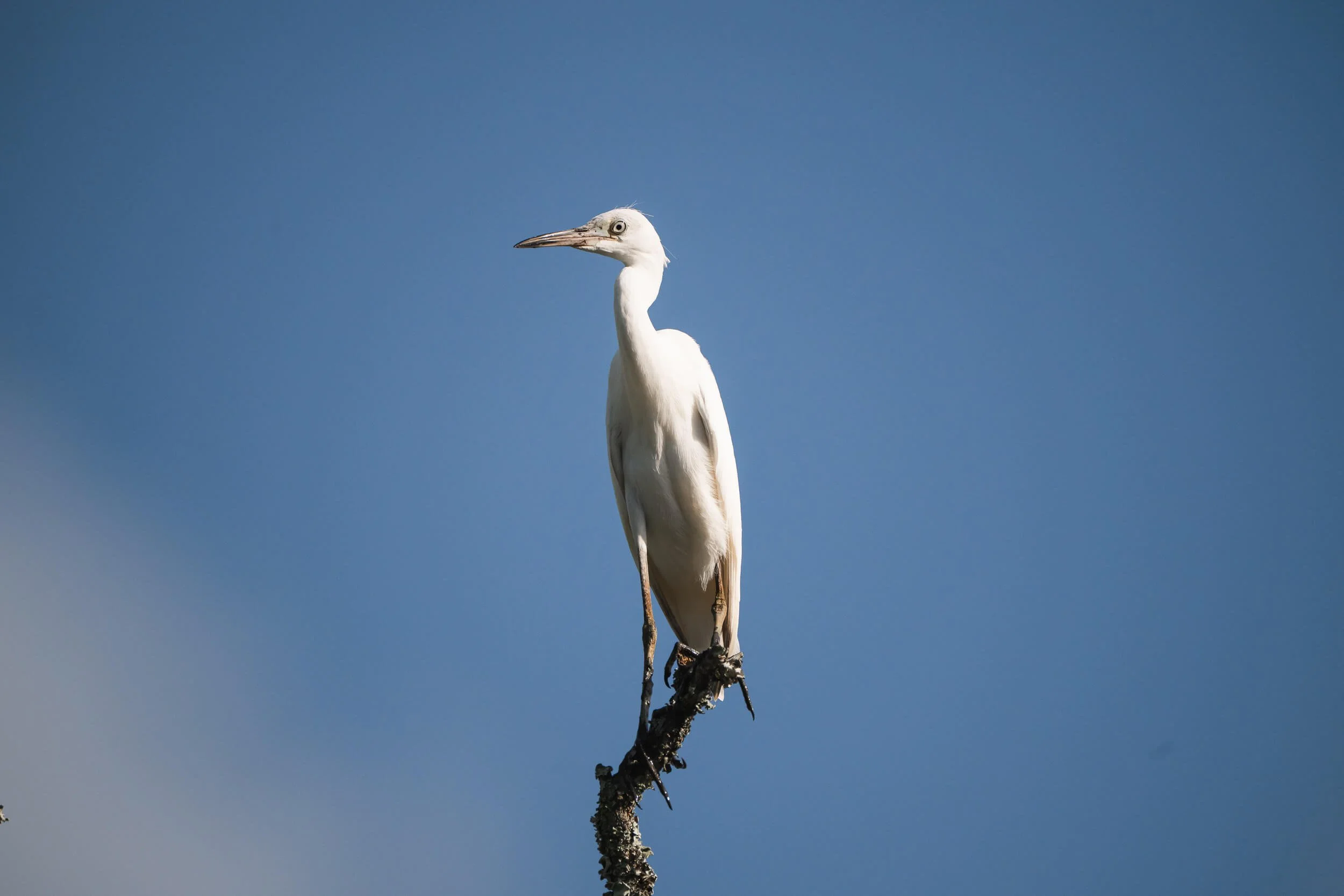
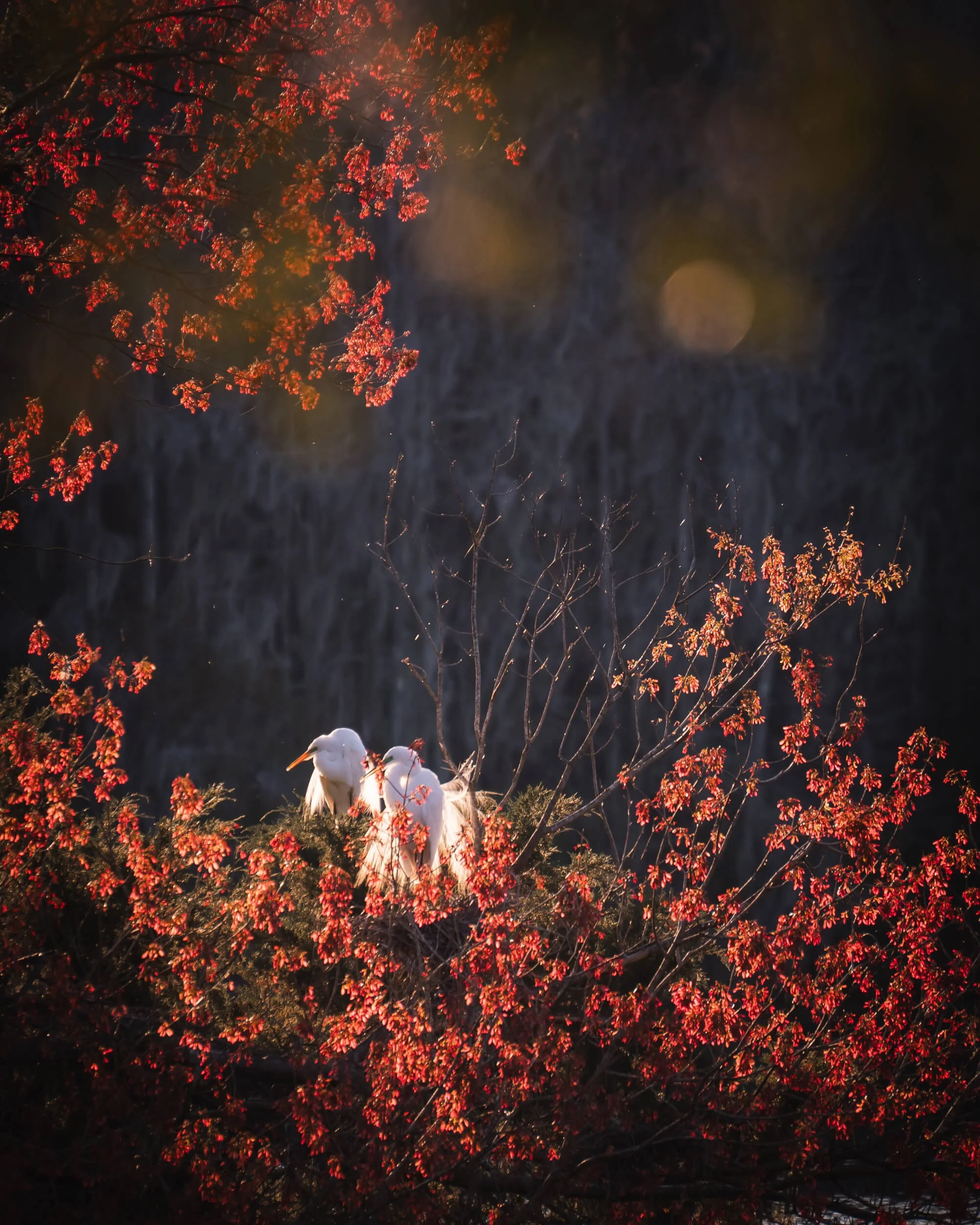
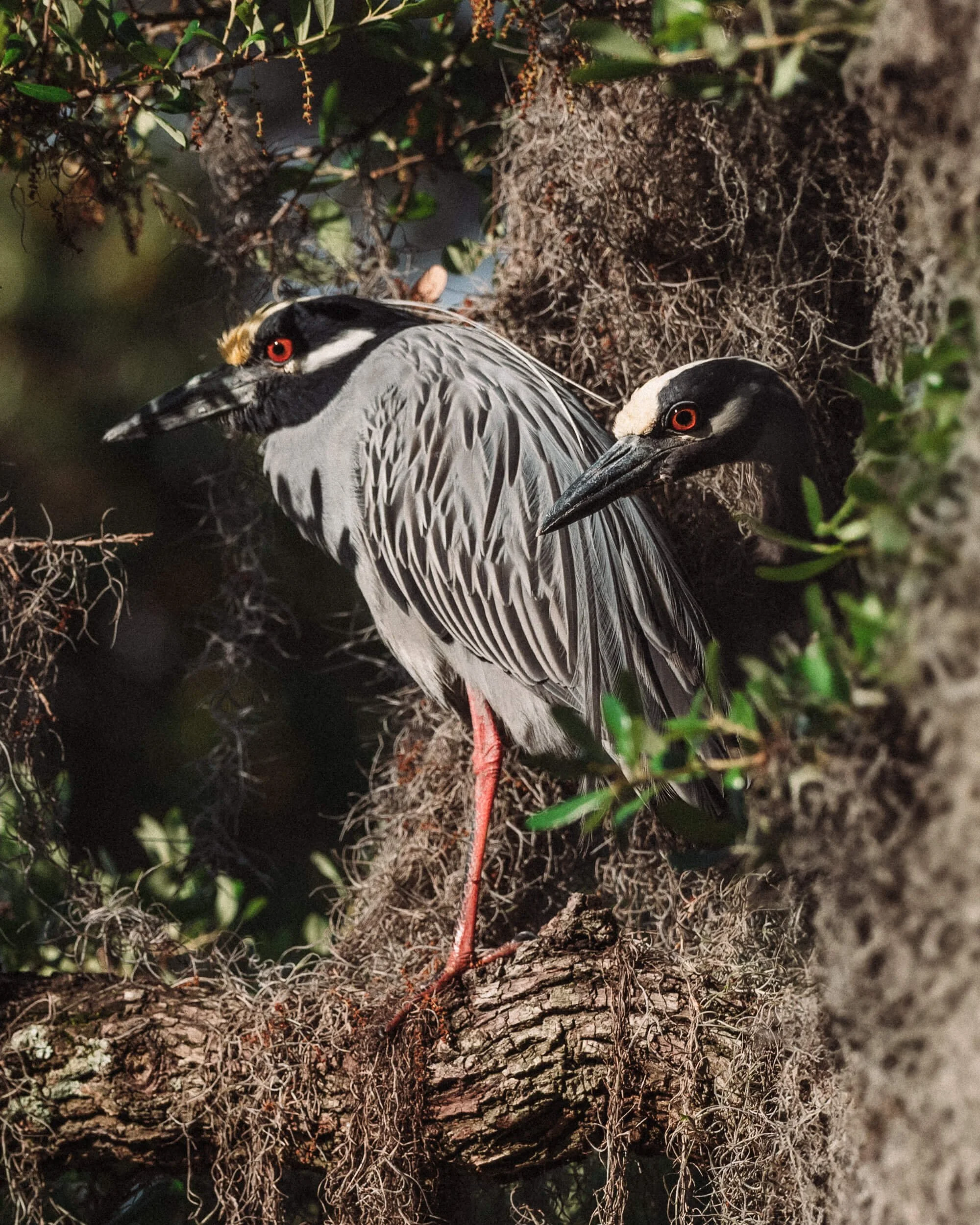
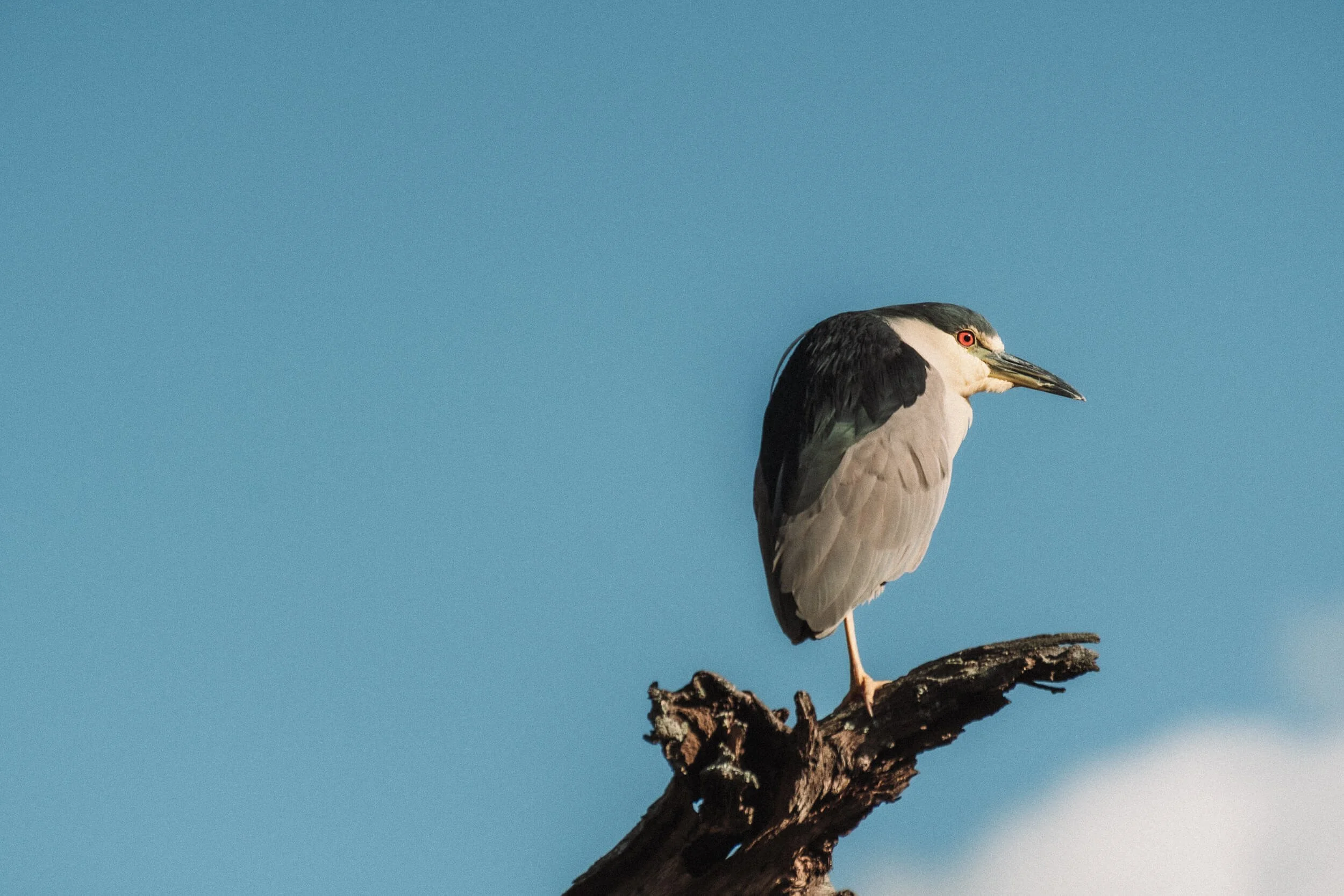
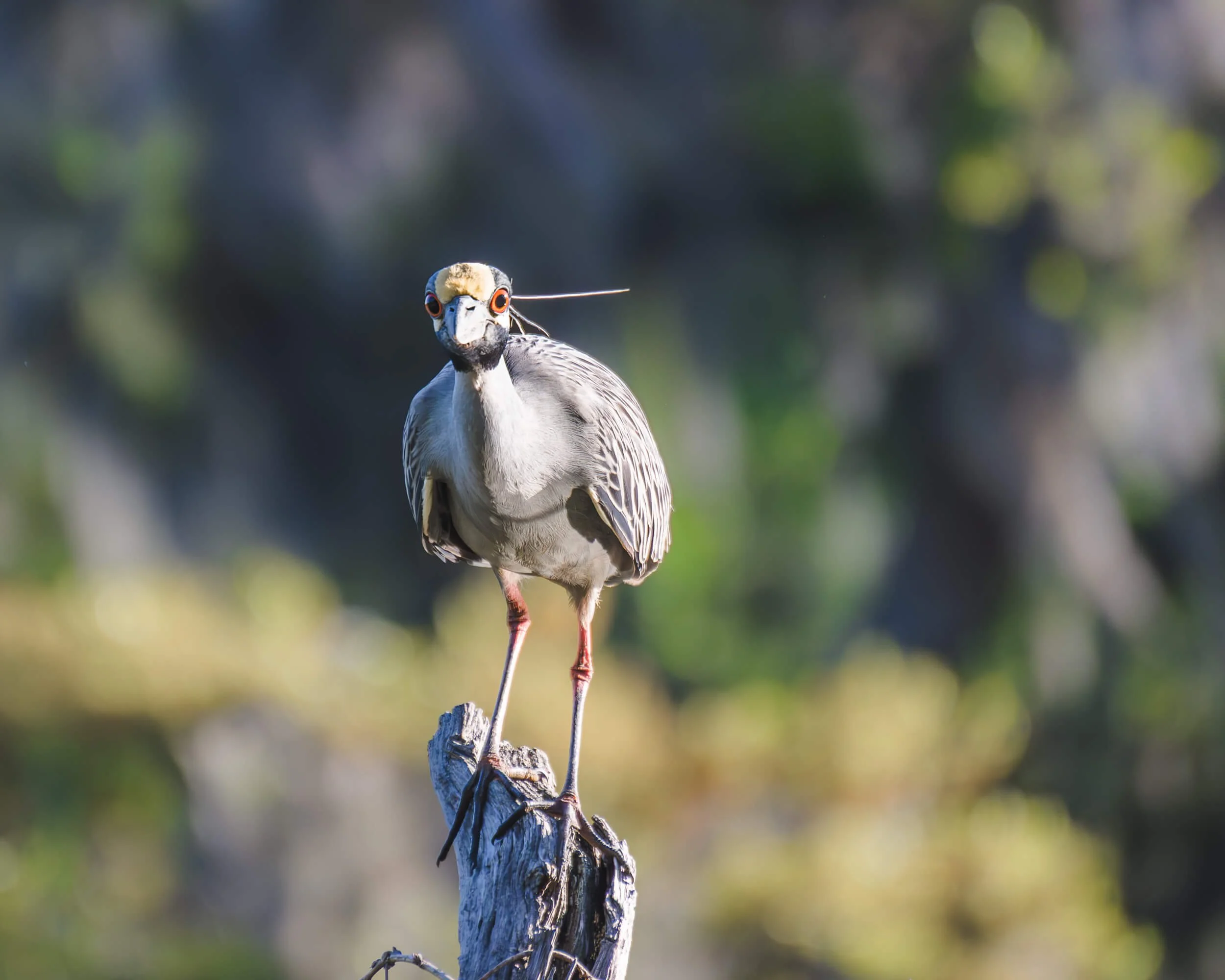
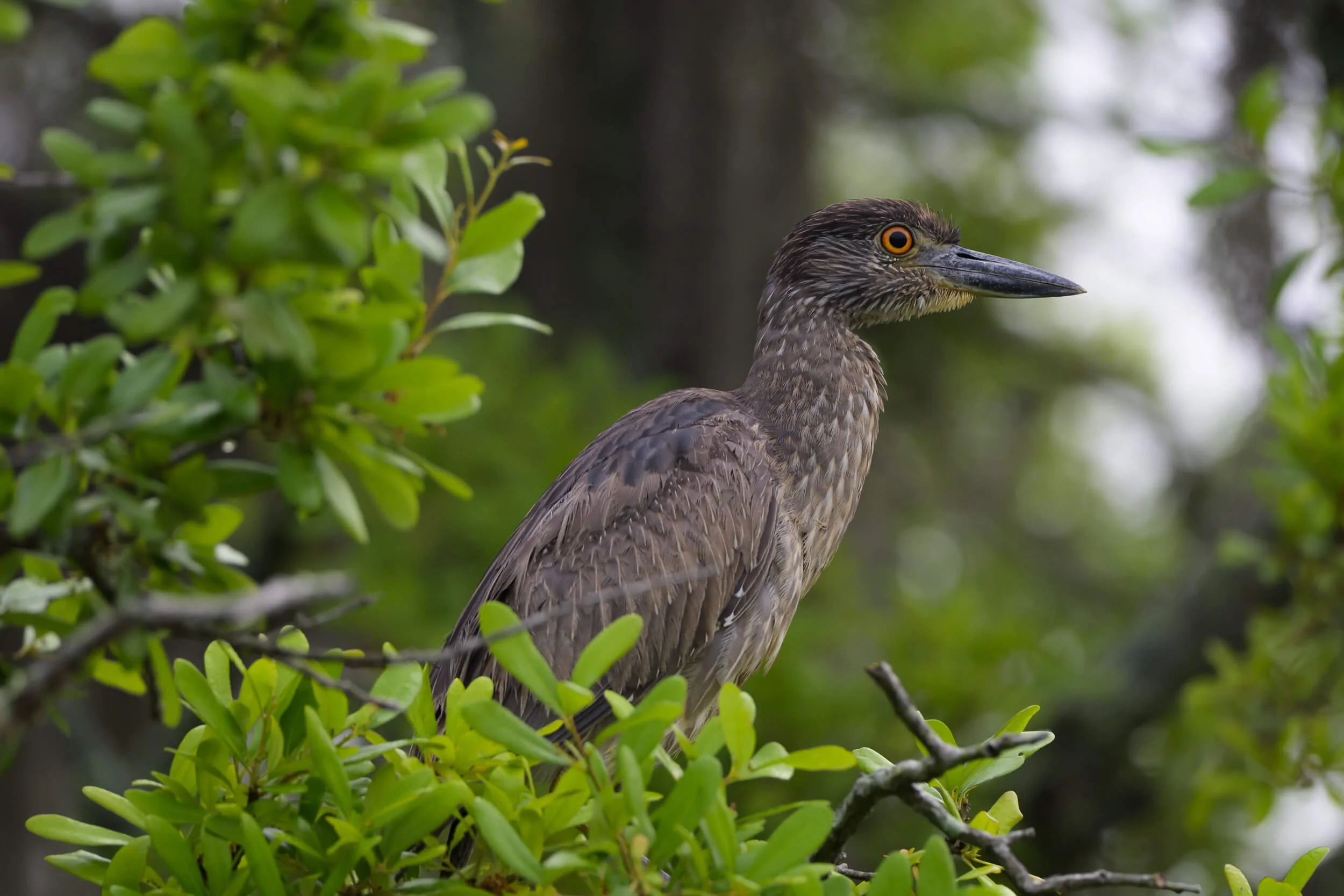
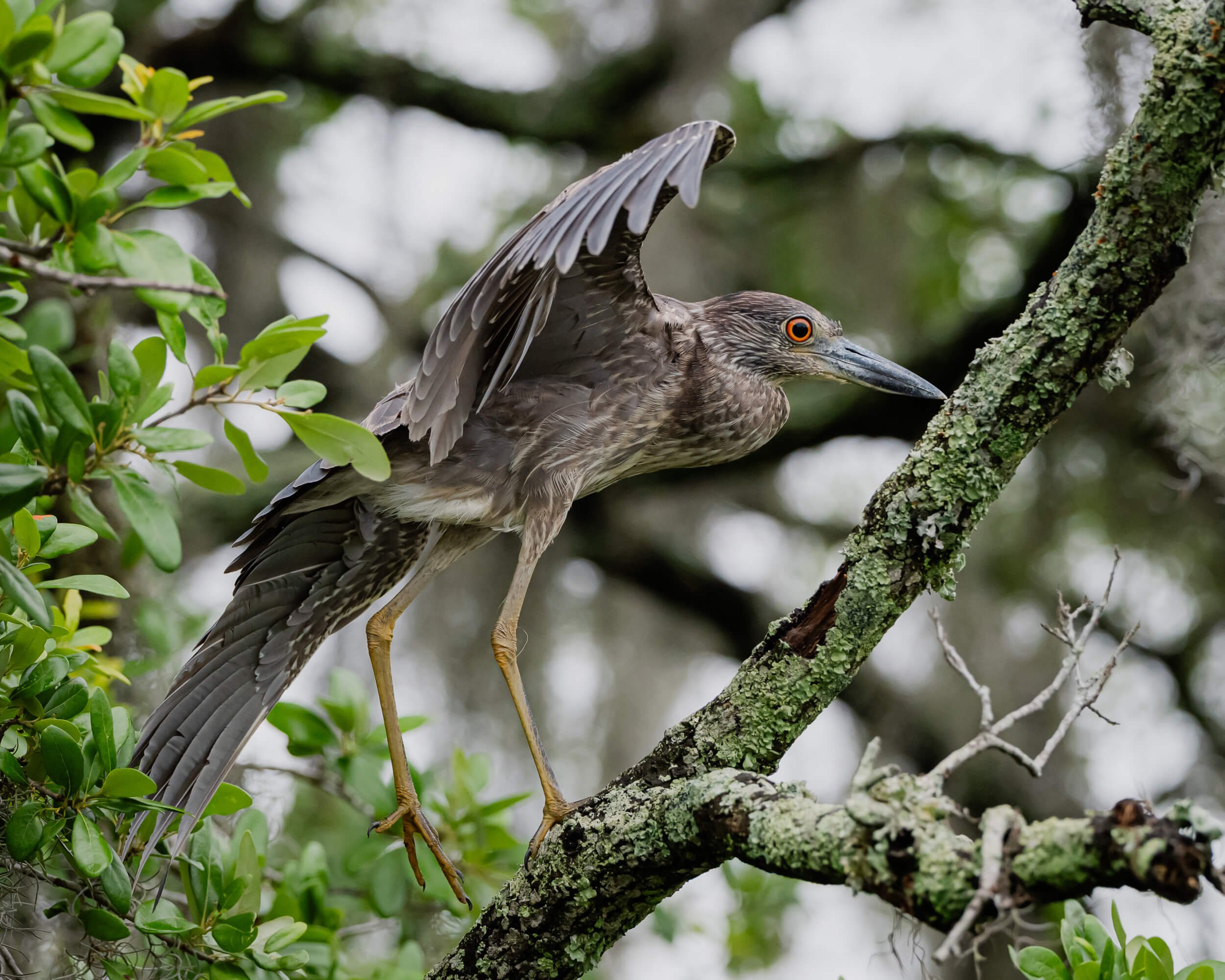
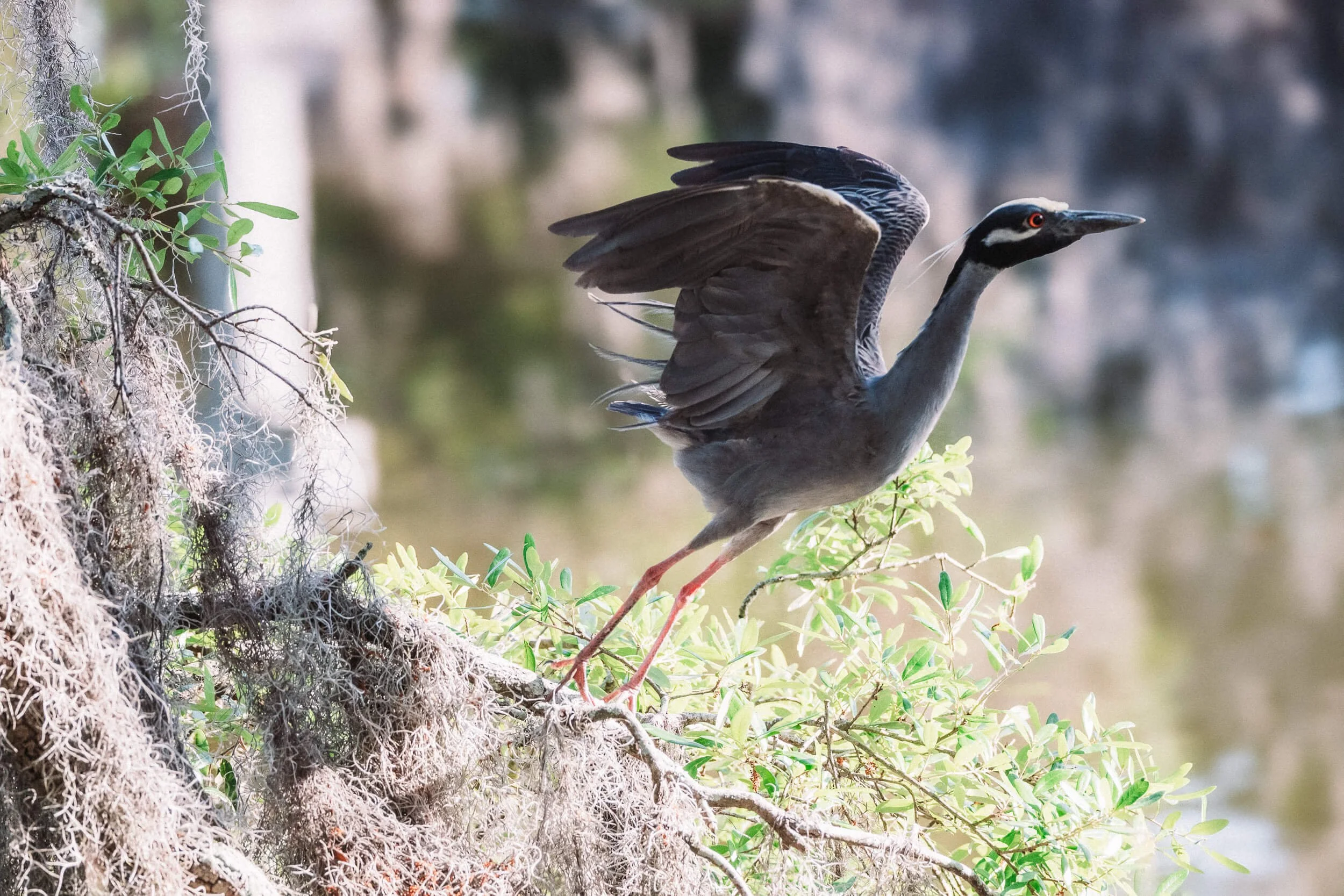
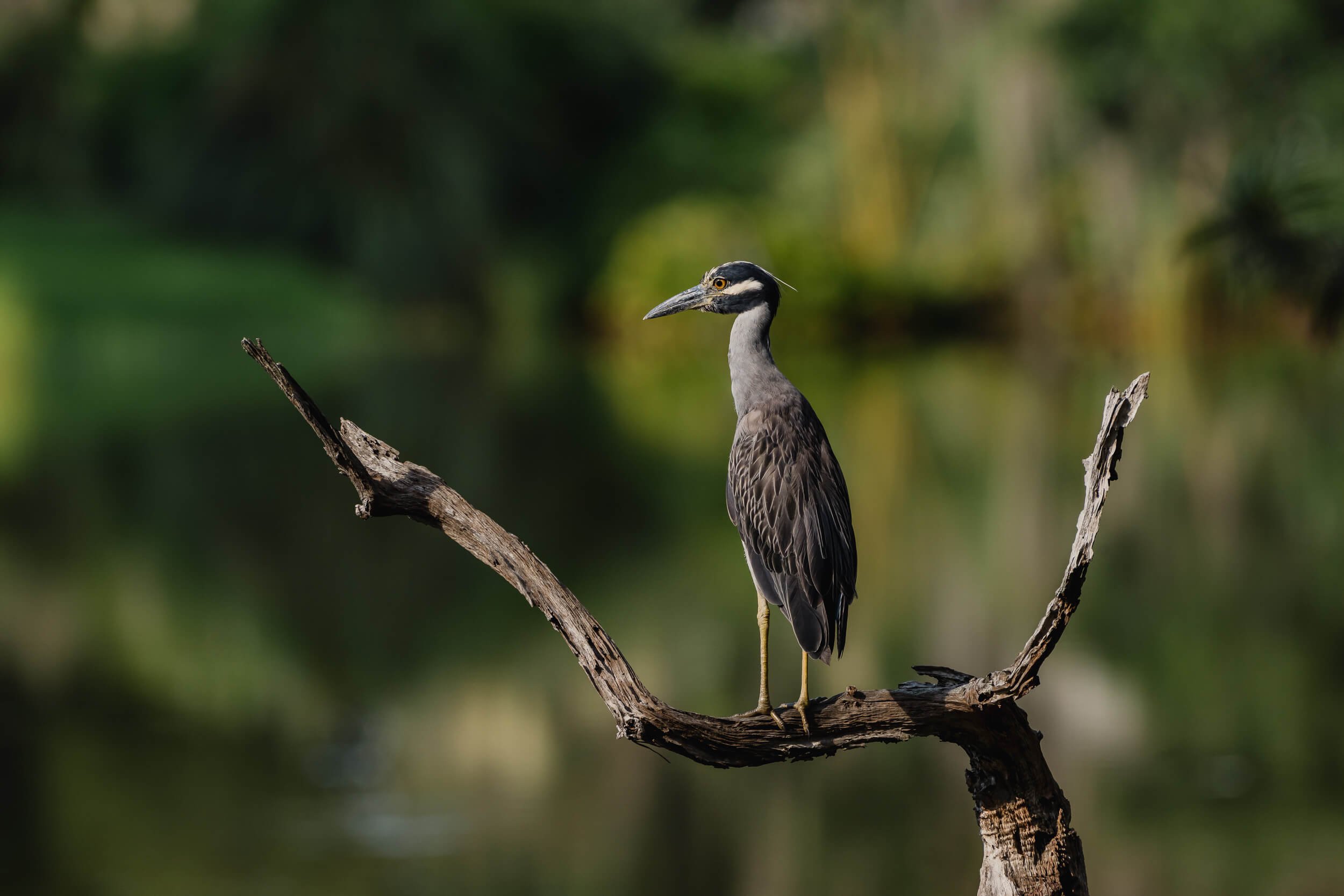
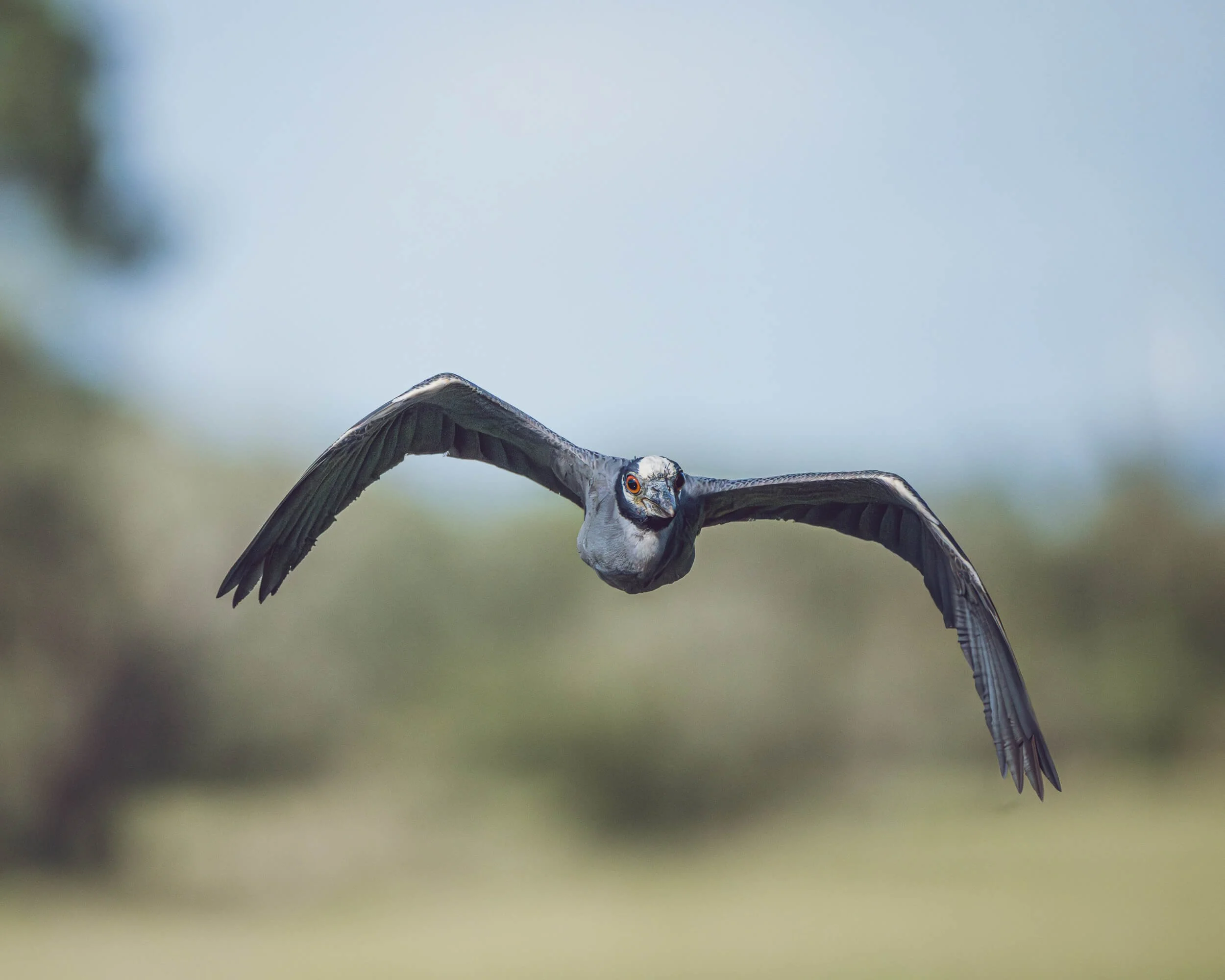
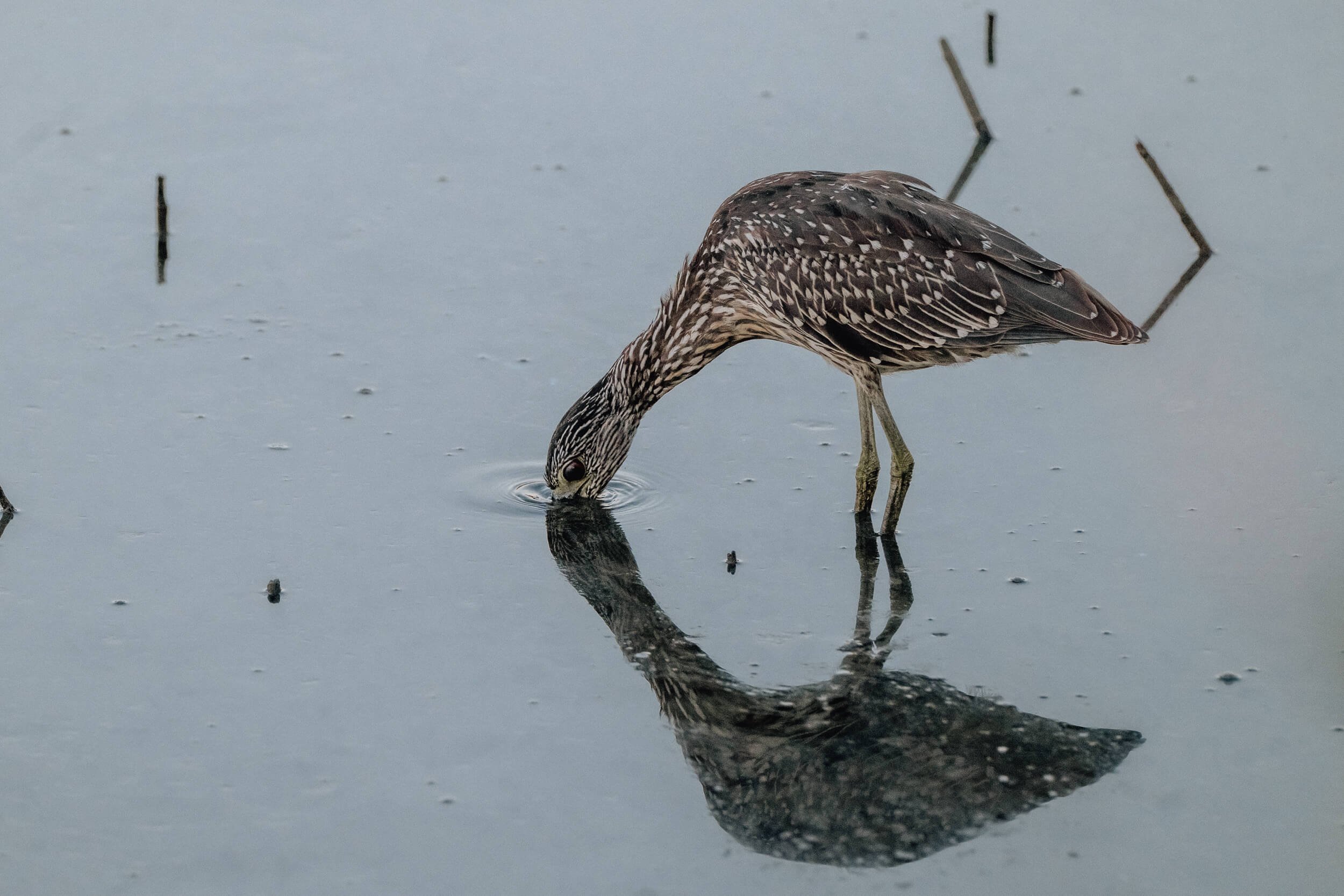
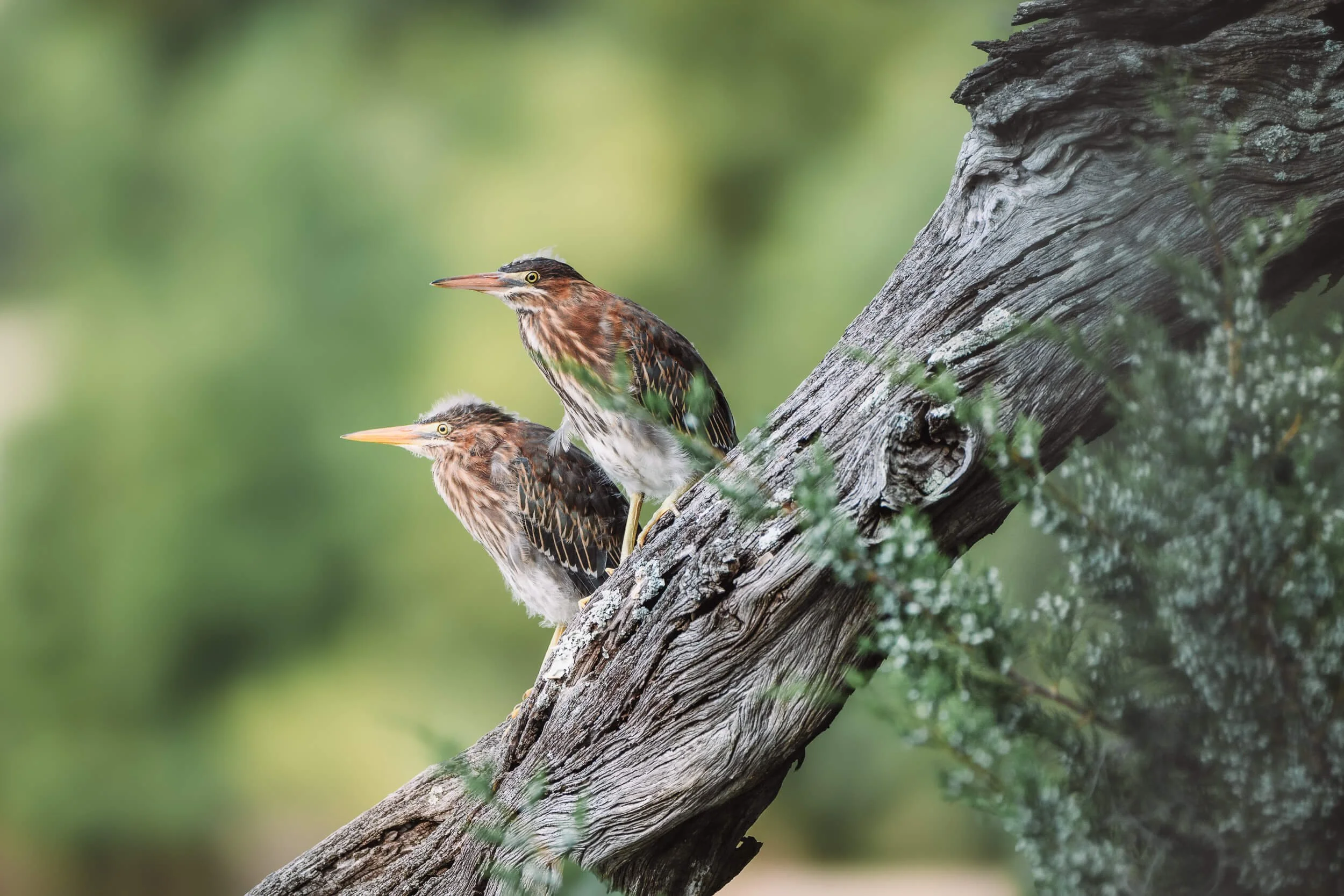
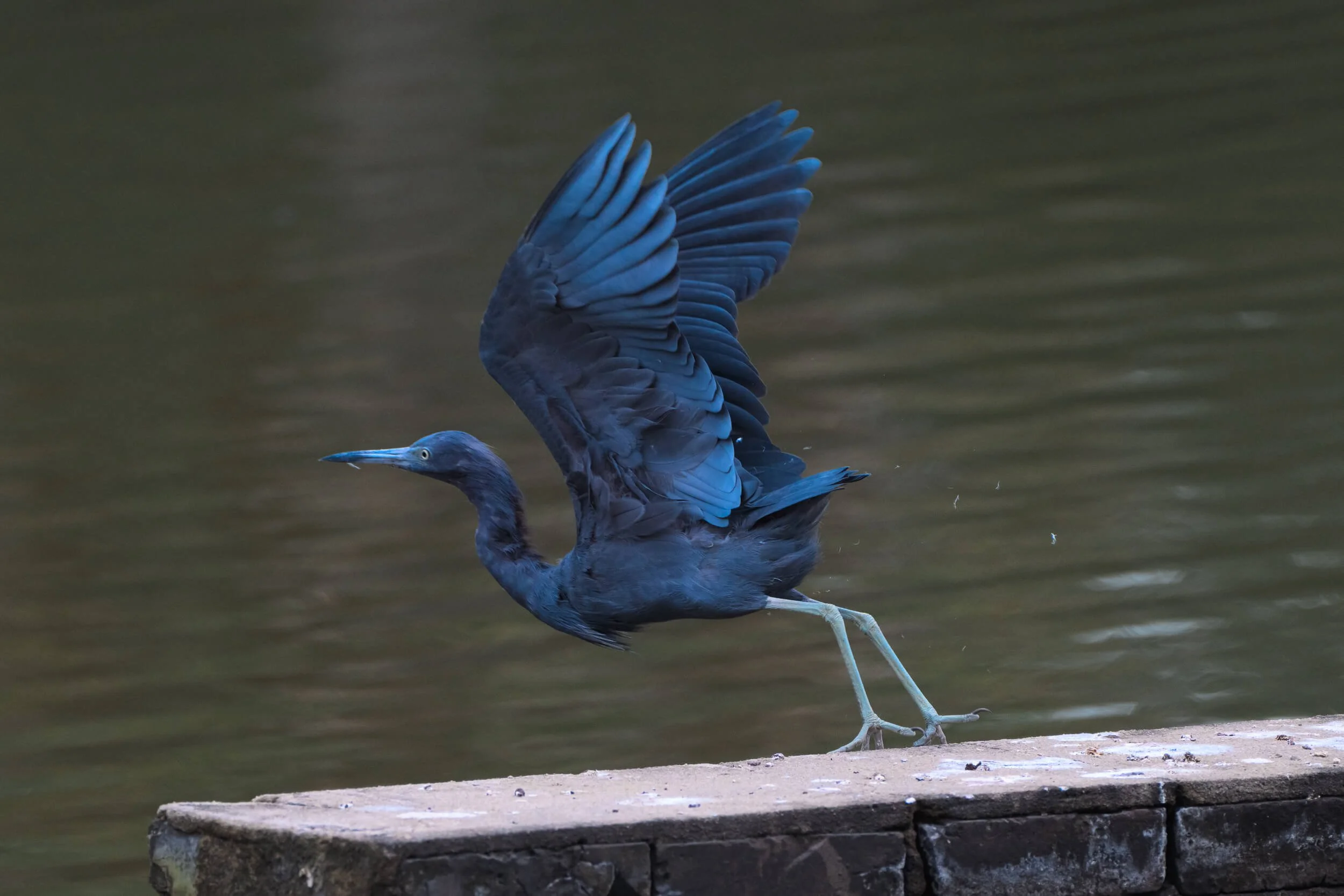
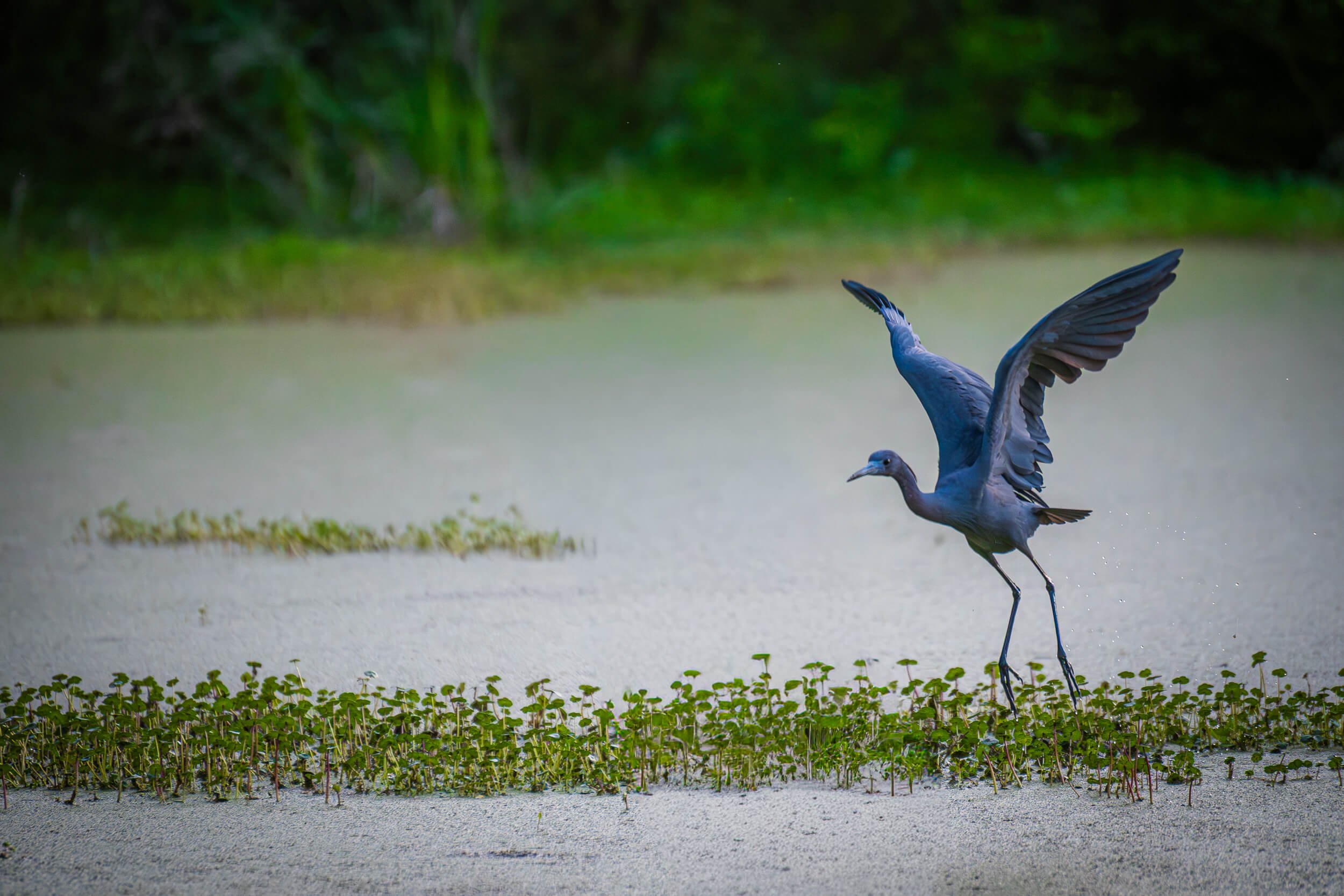
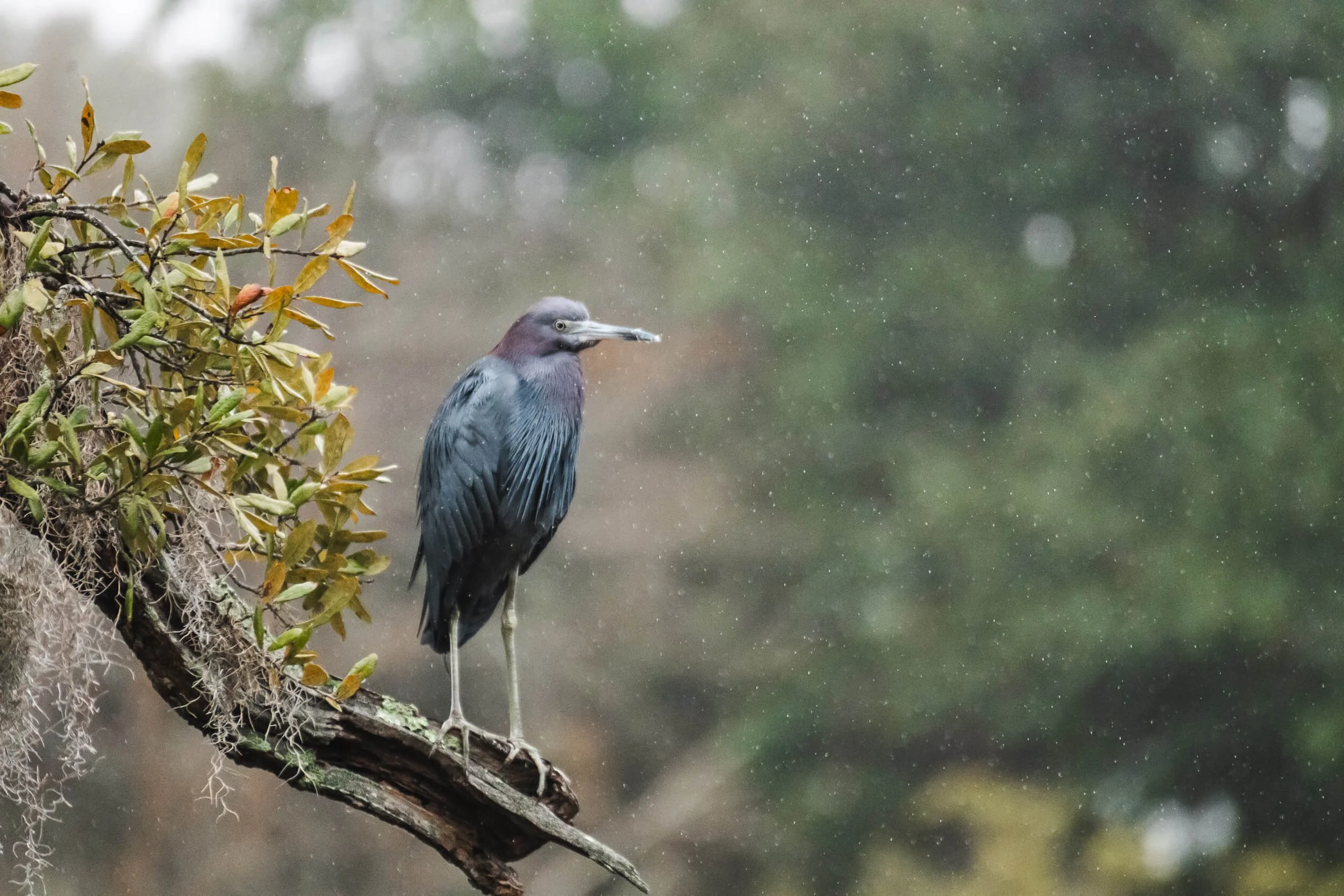
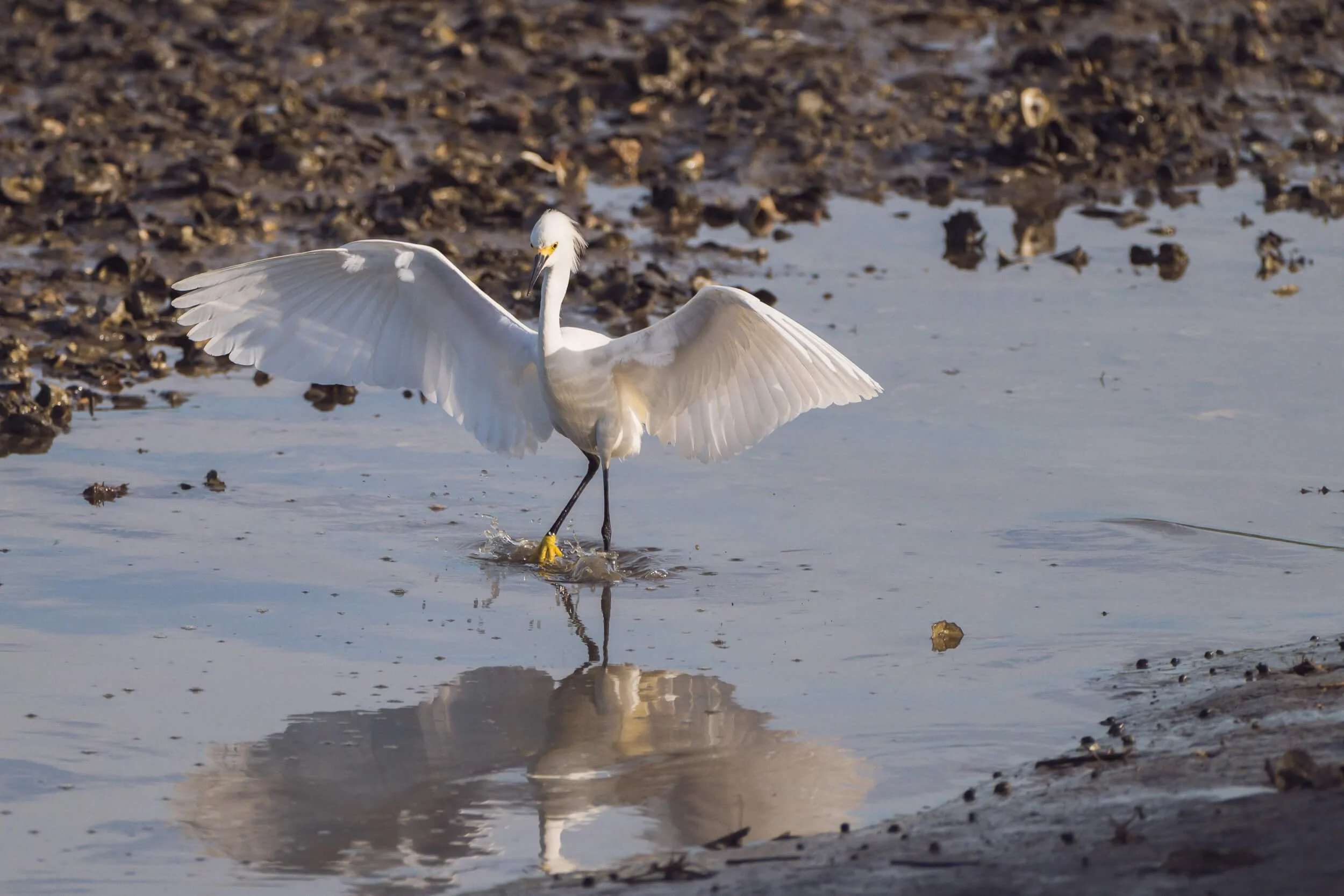
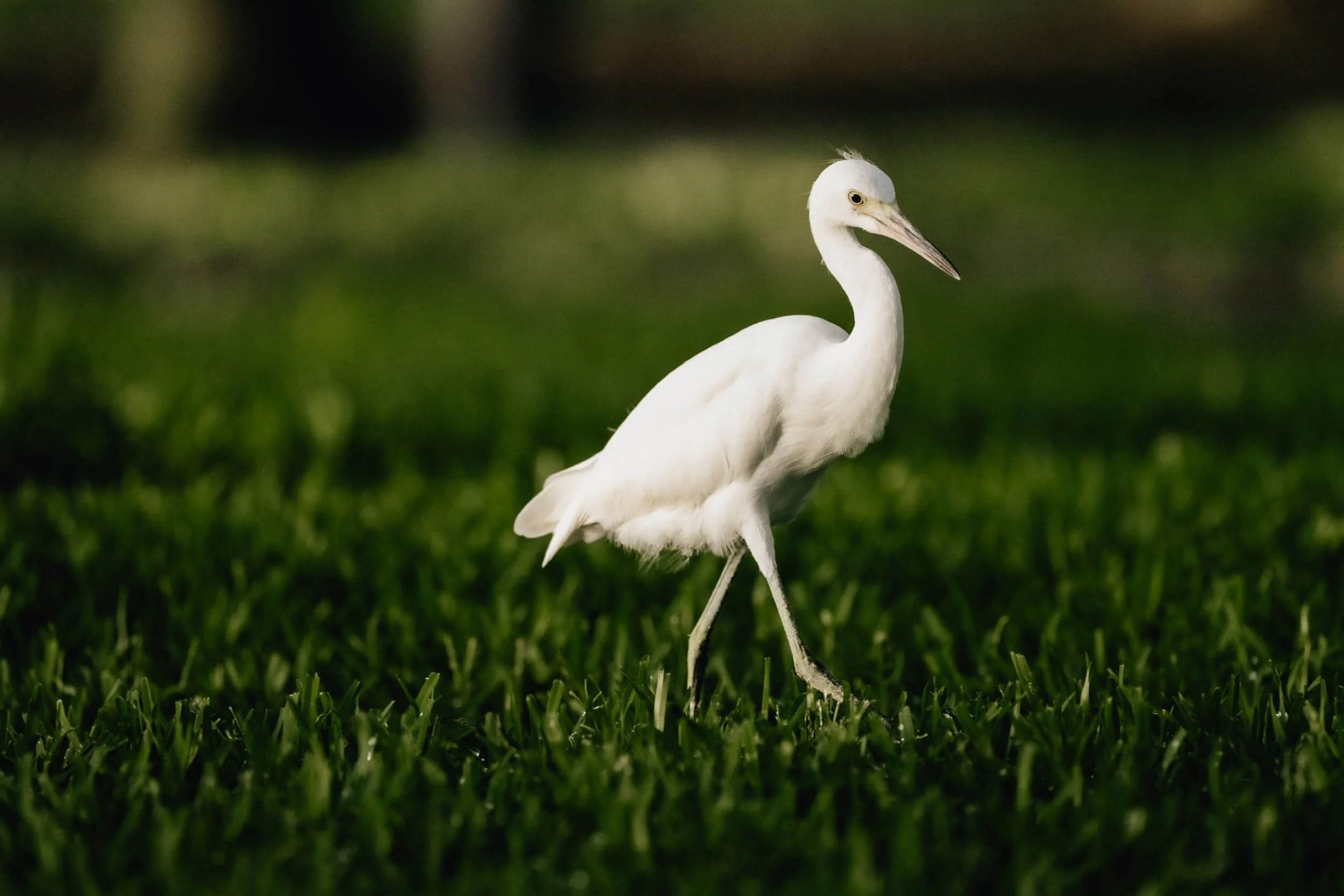
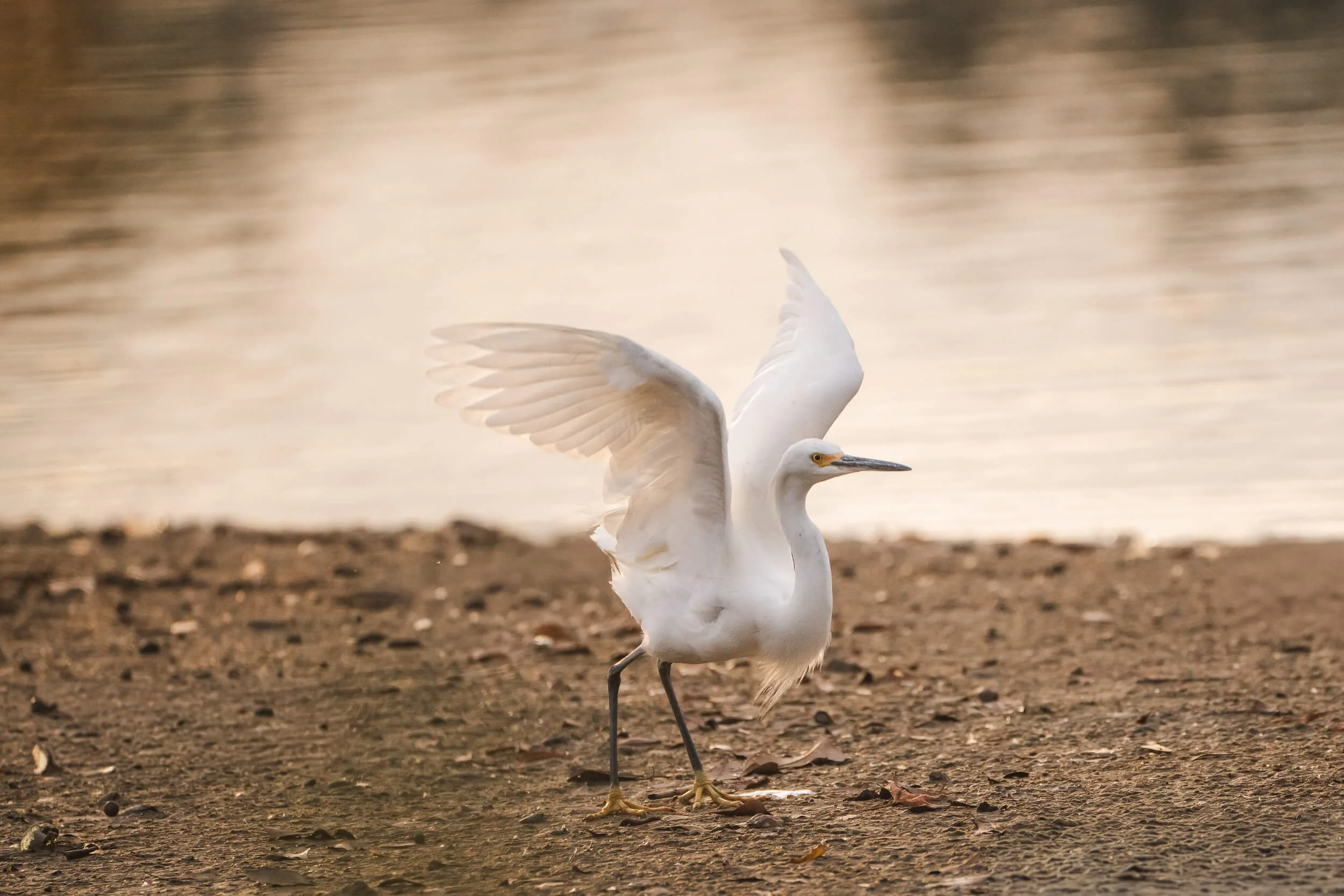
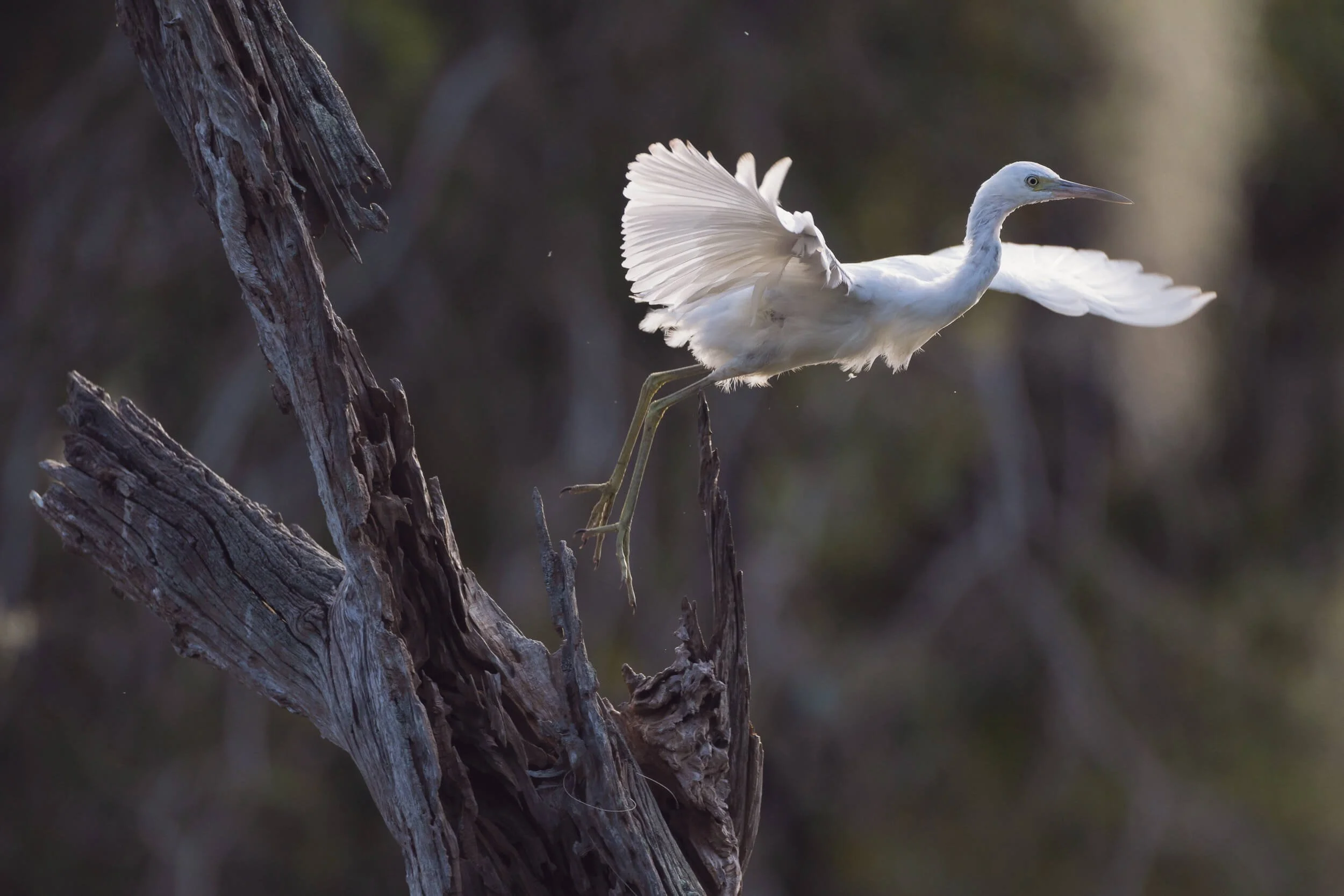
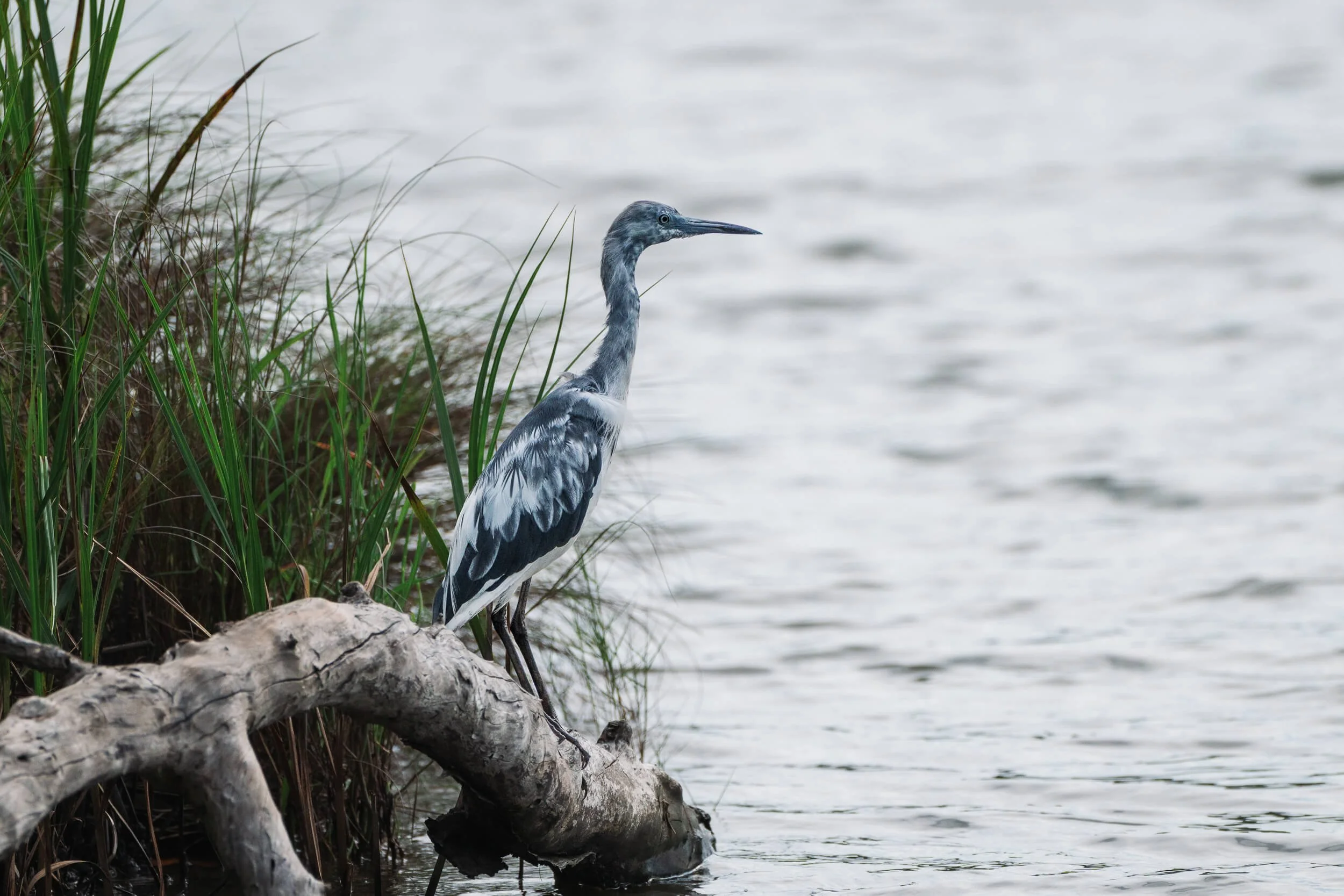
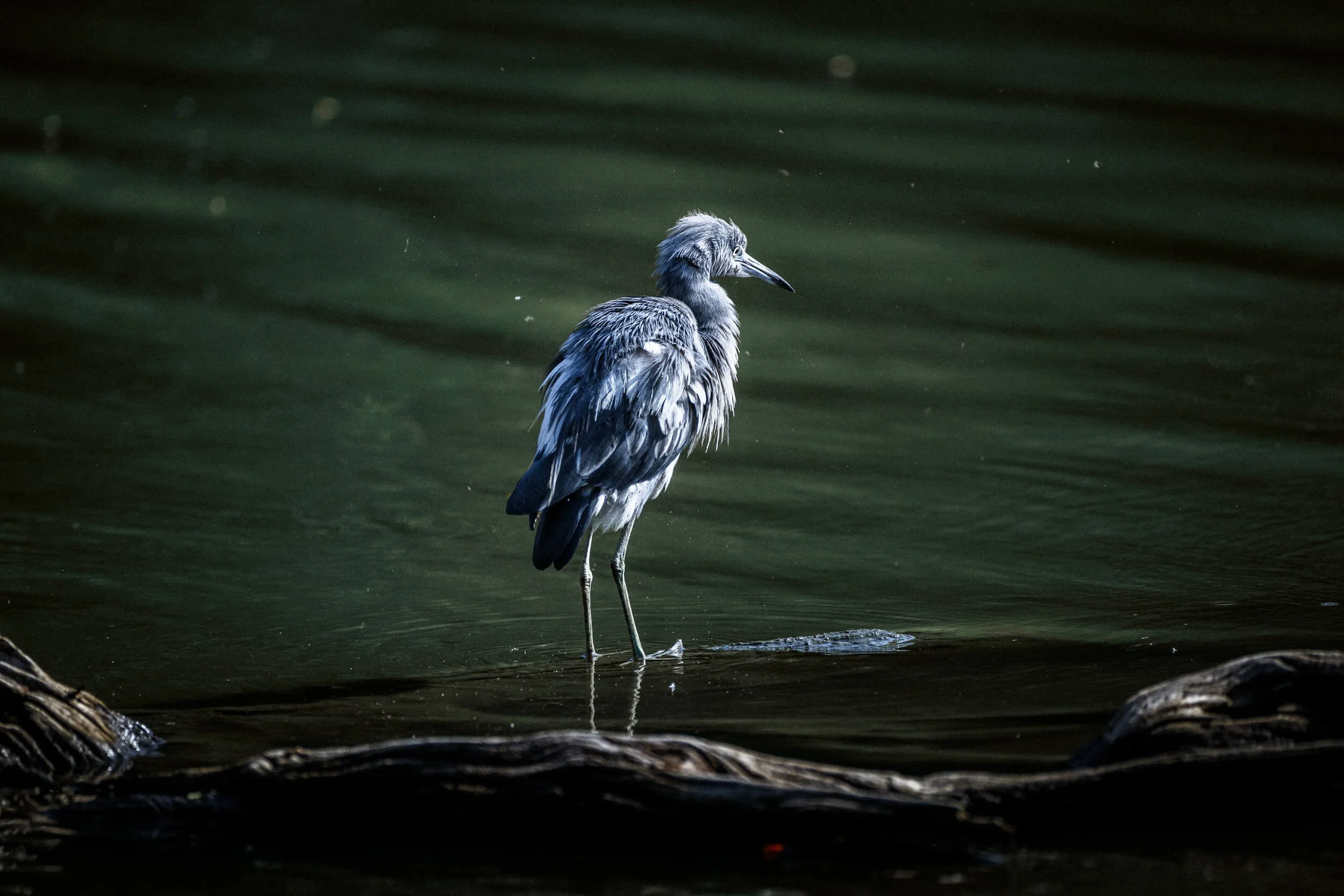
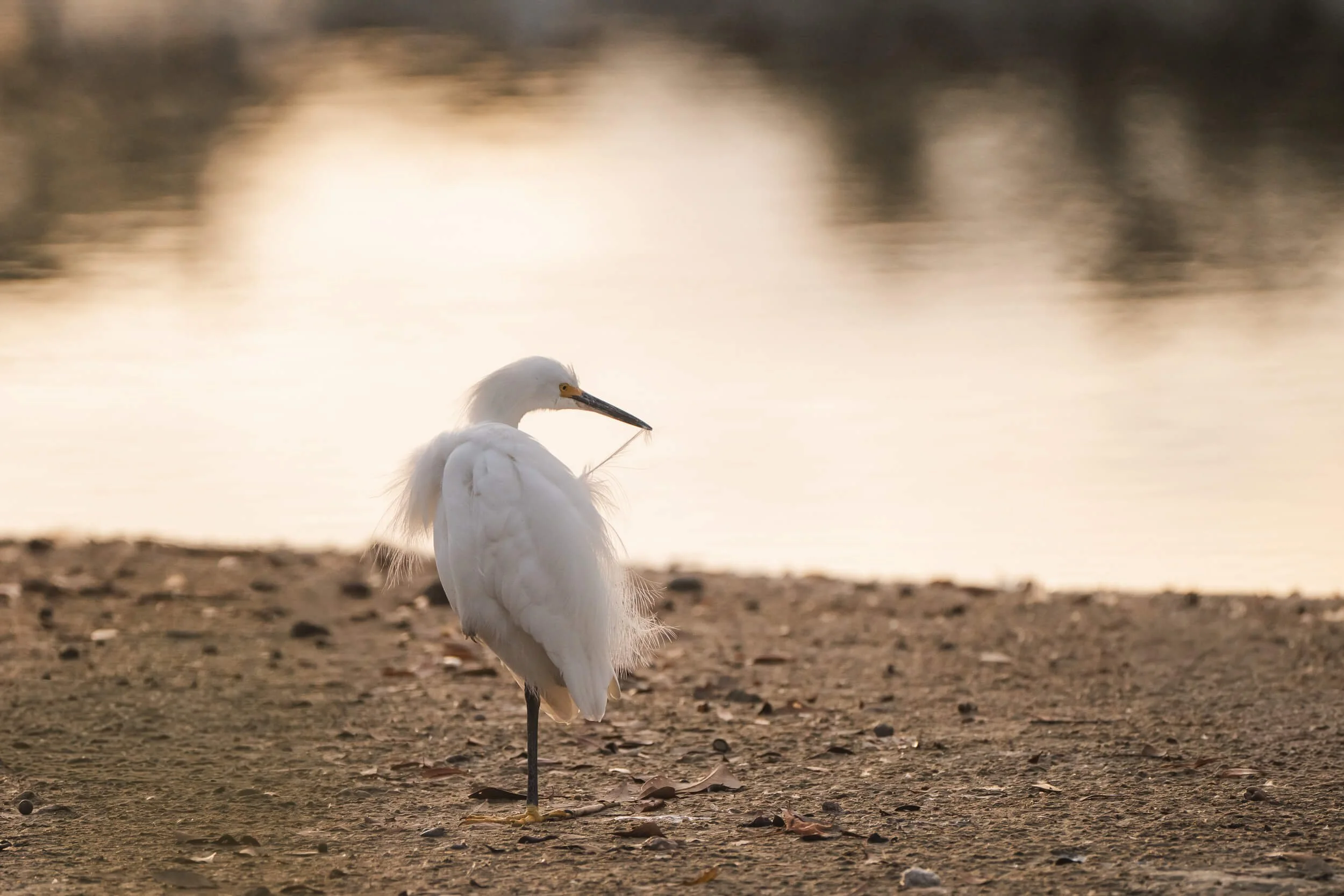
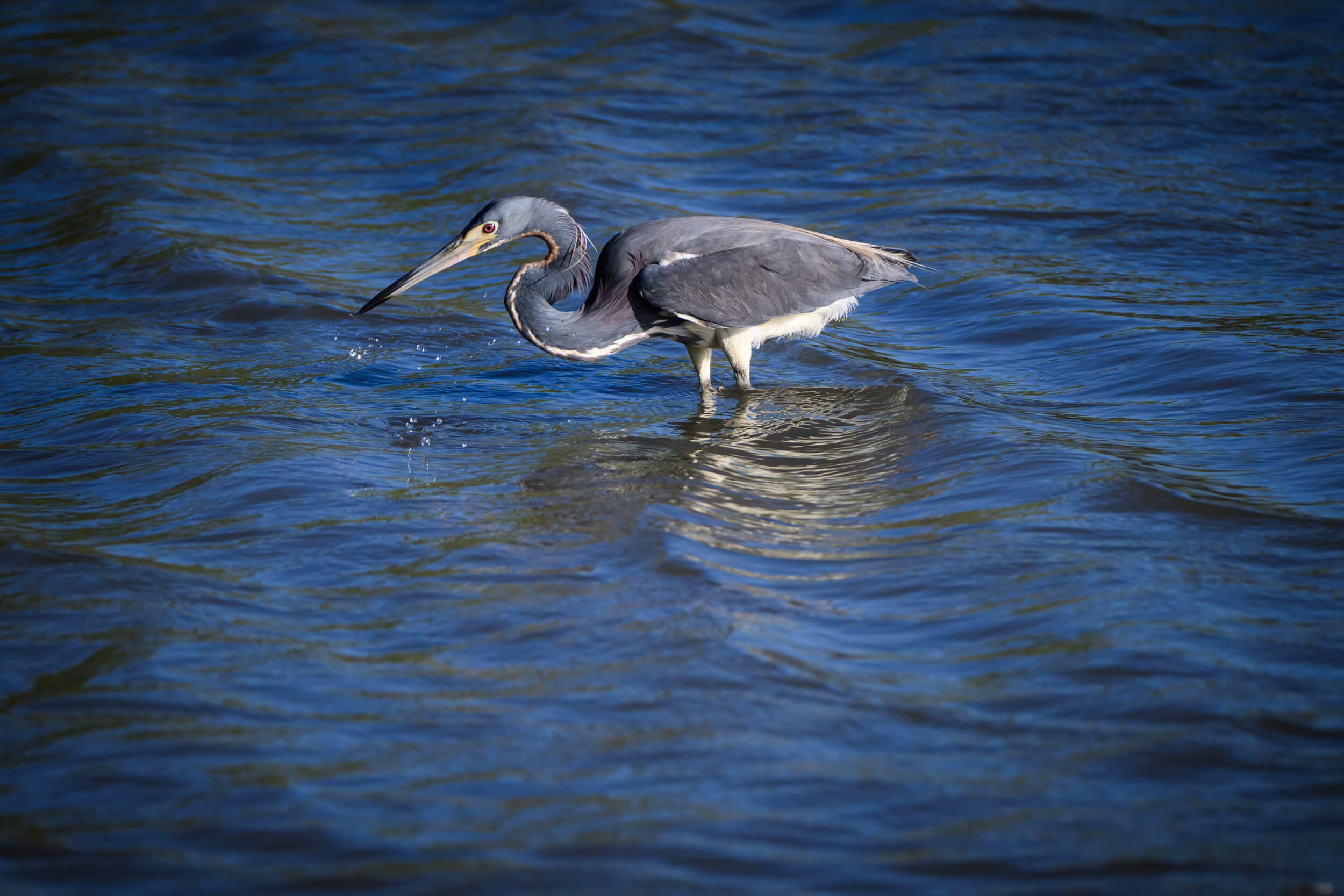
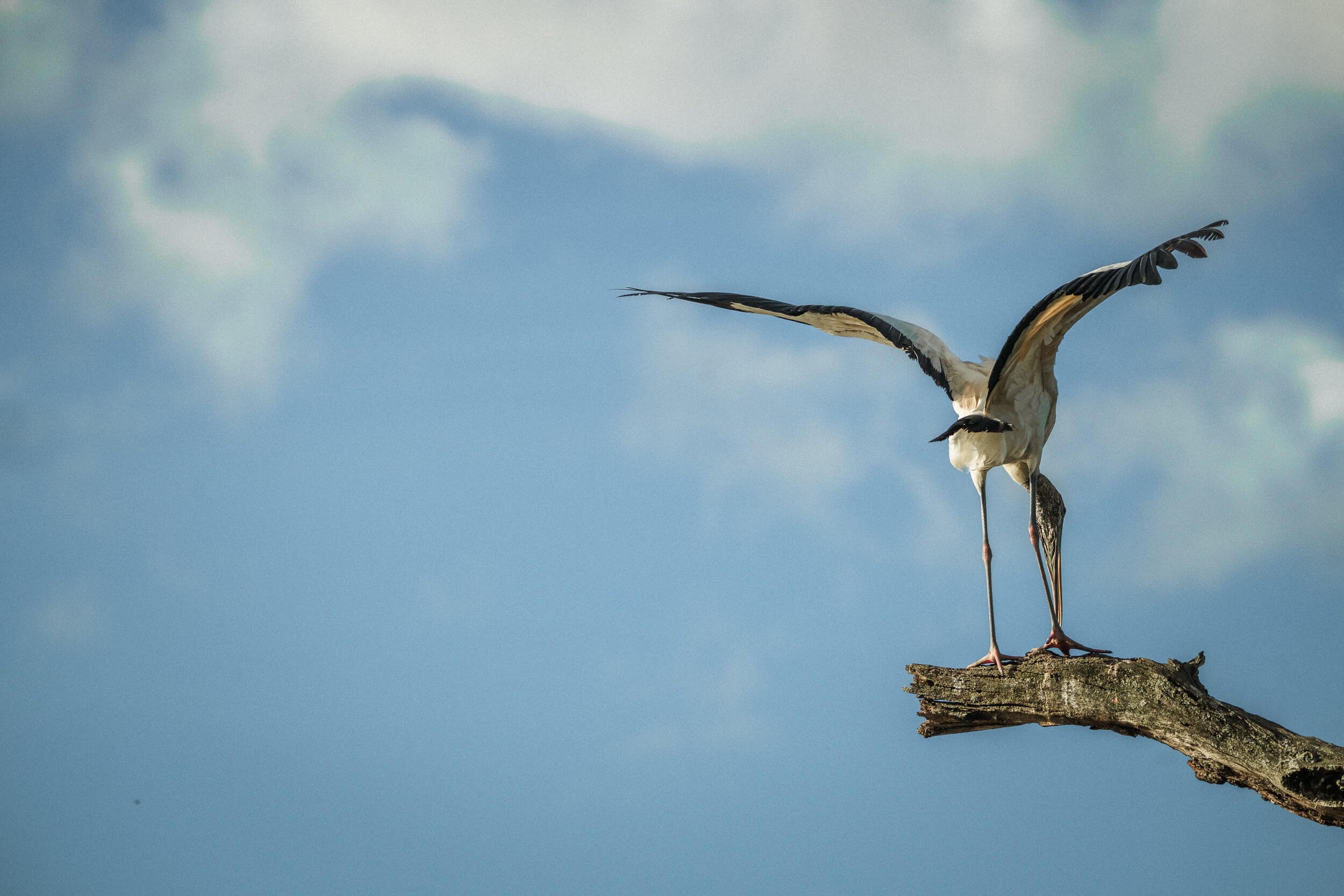
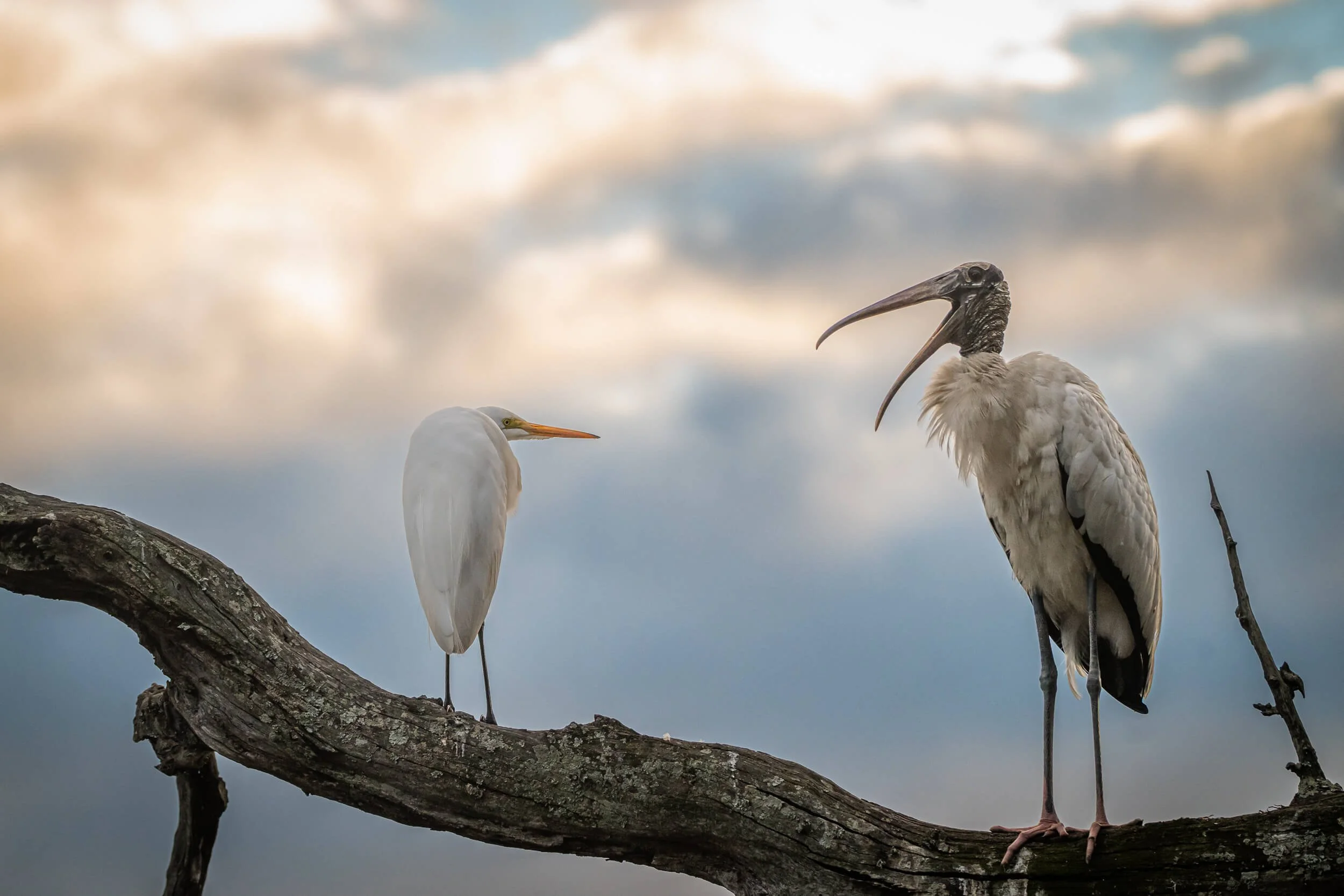
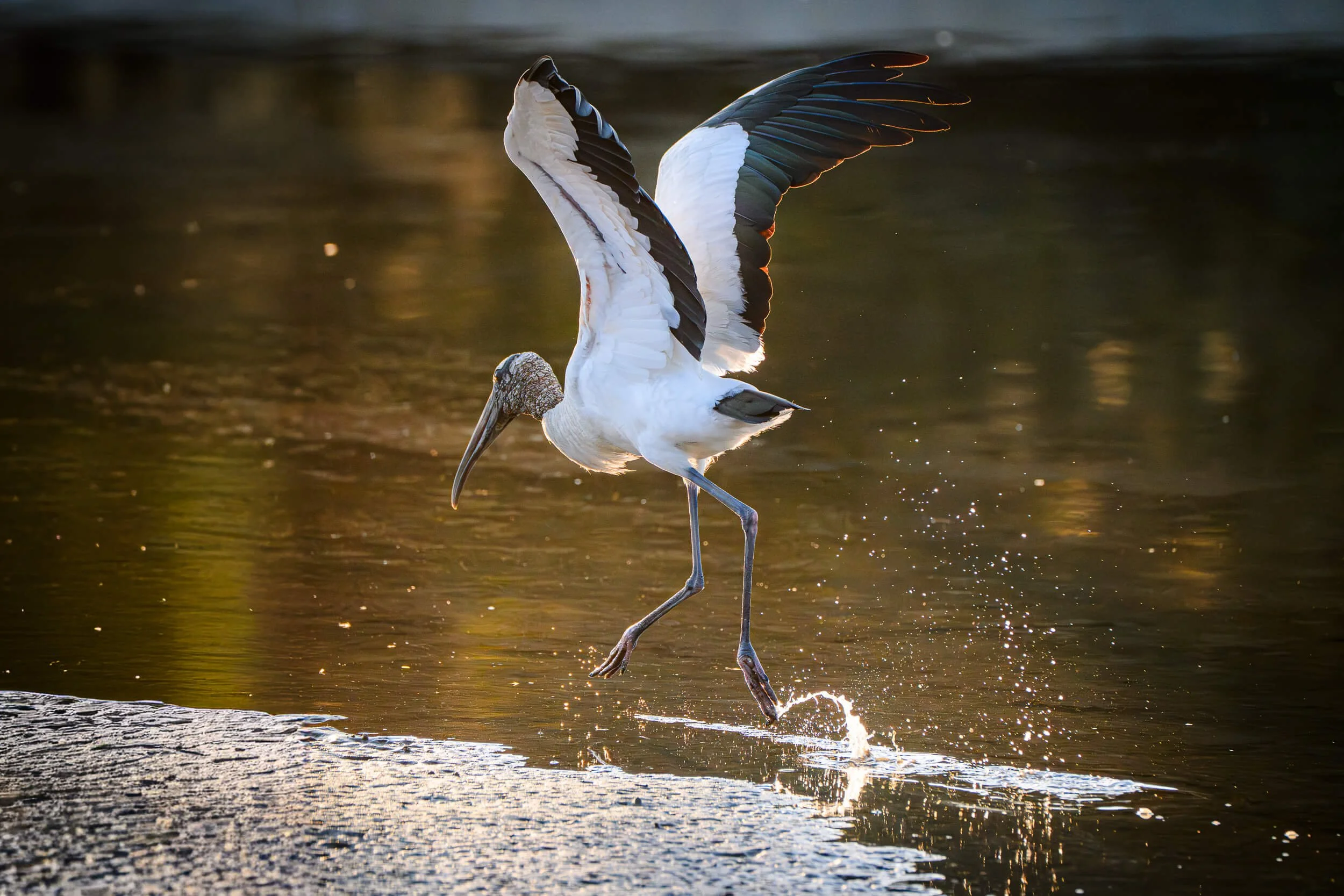
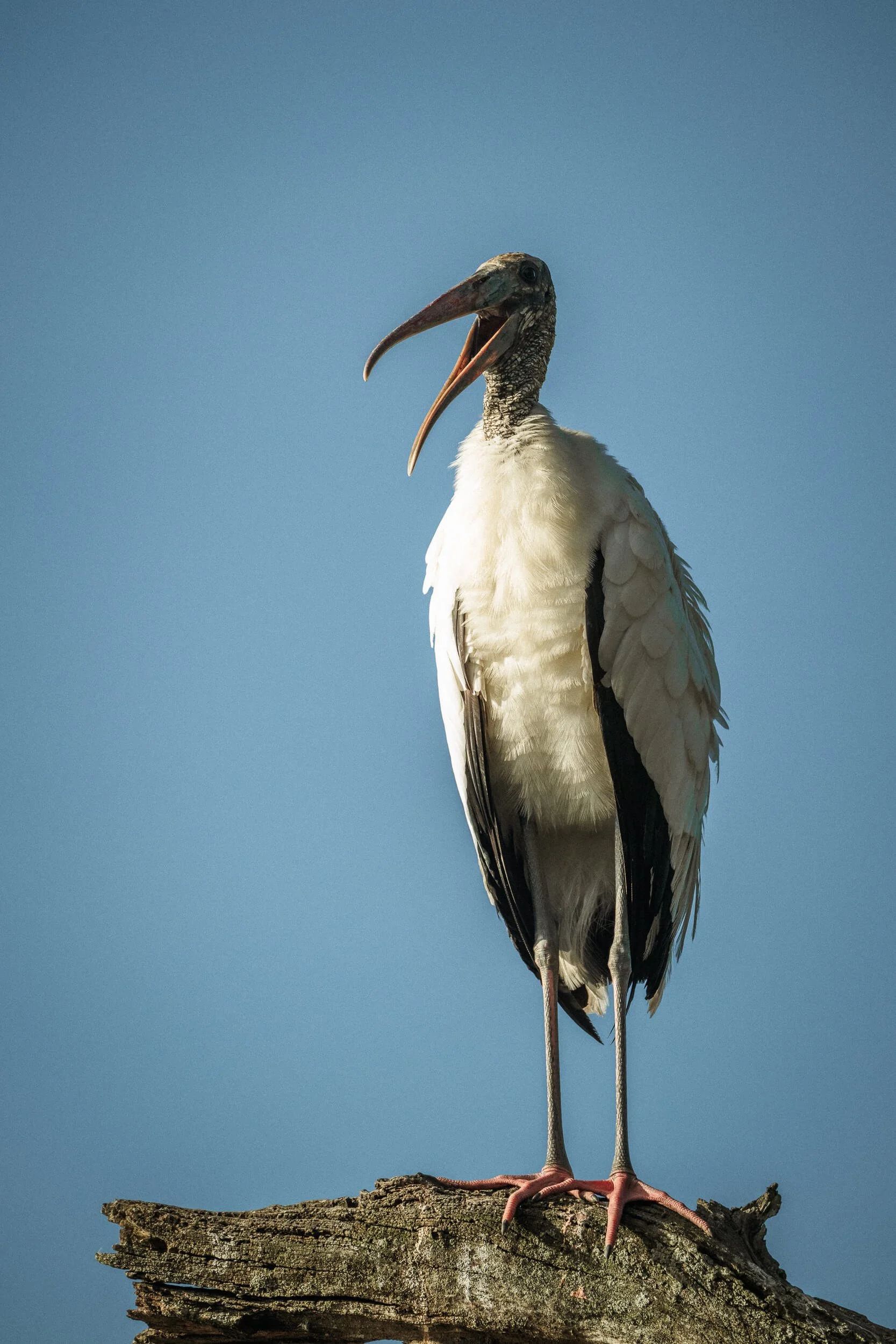
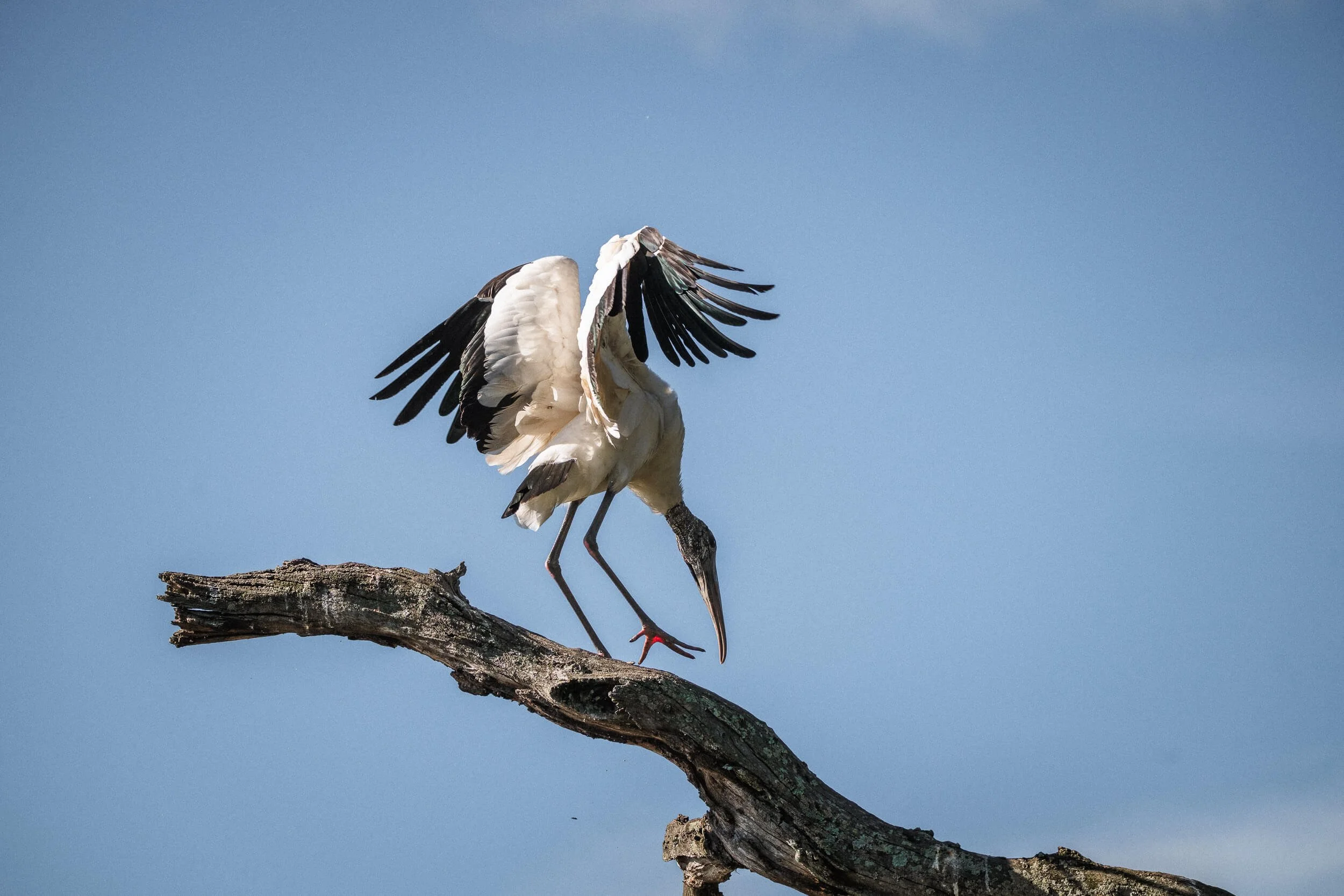
These birds define the Lowcountry by standing perfectly still in the shadows. From the prehistoric look of Wood Storks and Night Herons (Black-crowned and Yellow-crowned) to the colorful Green, Little Blue, and Tricolored Herons, they are all about timing.
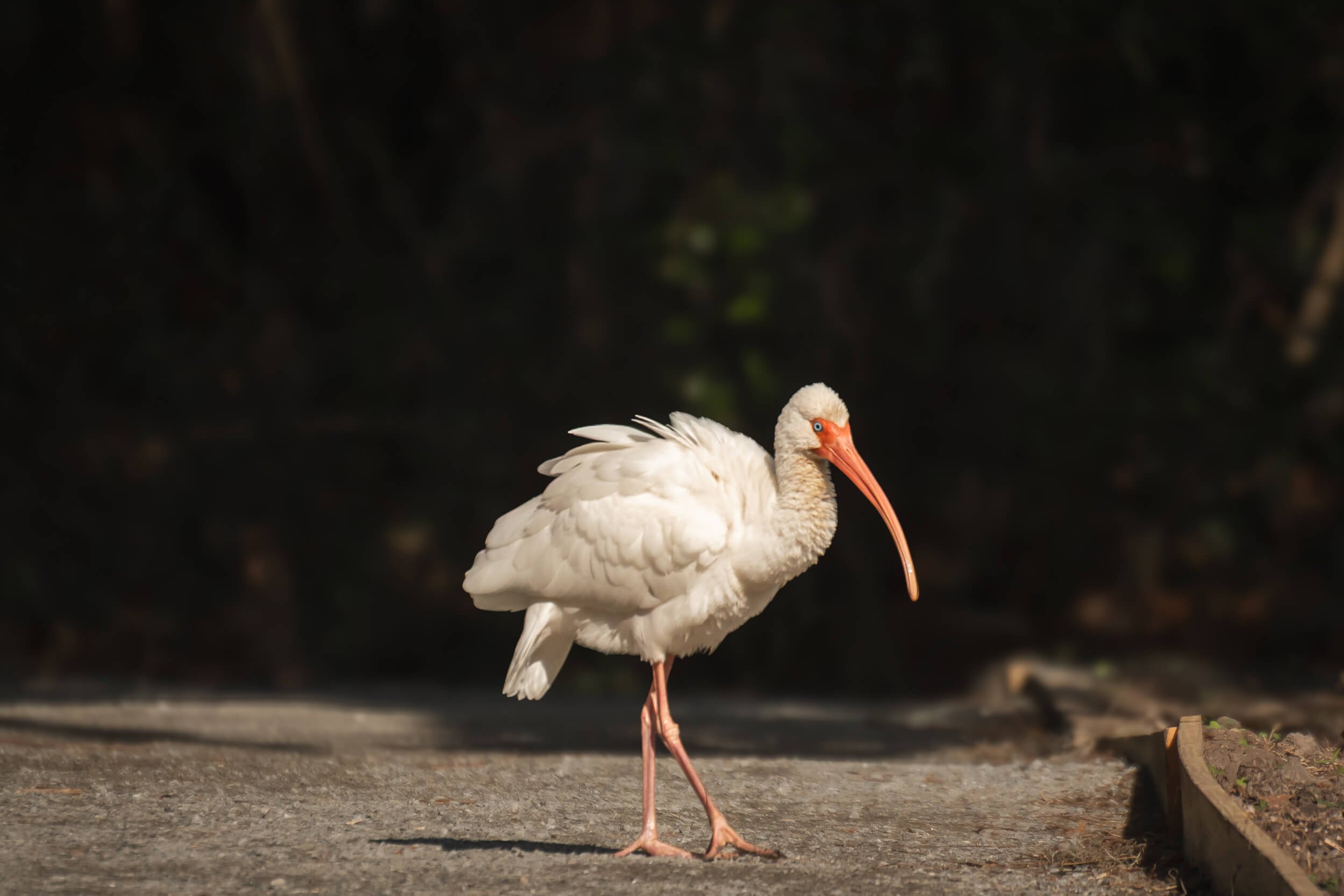
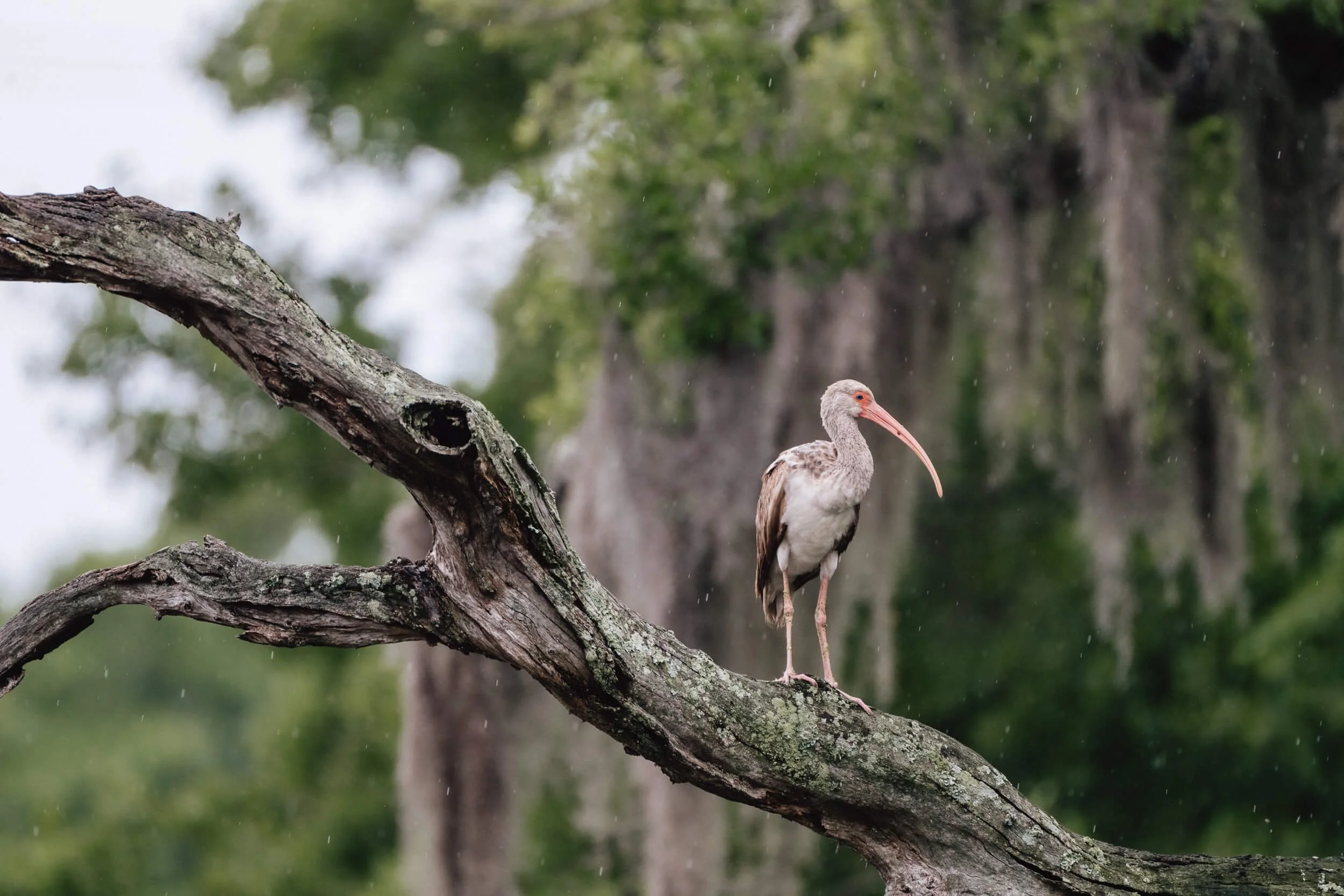
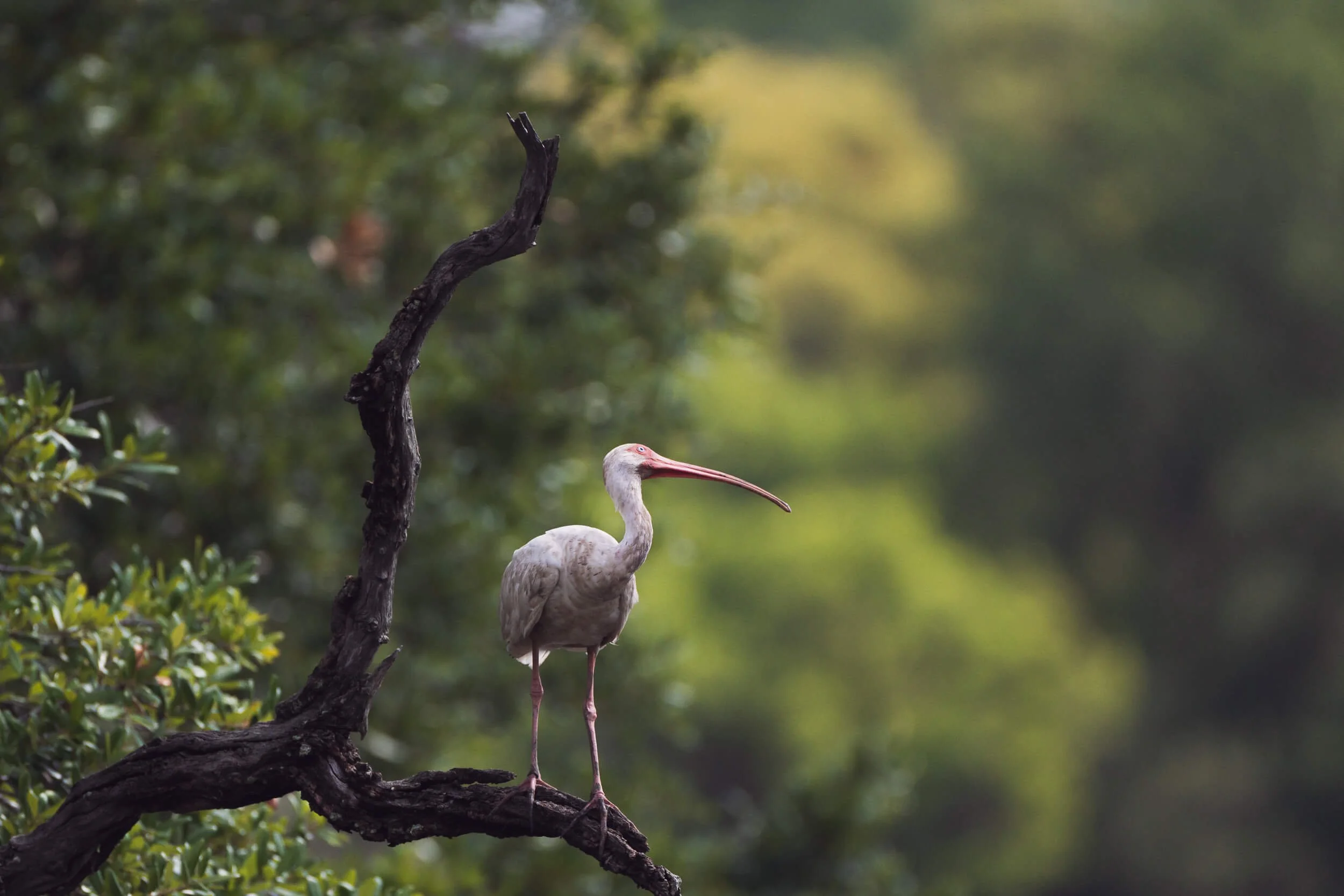
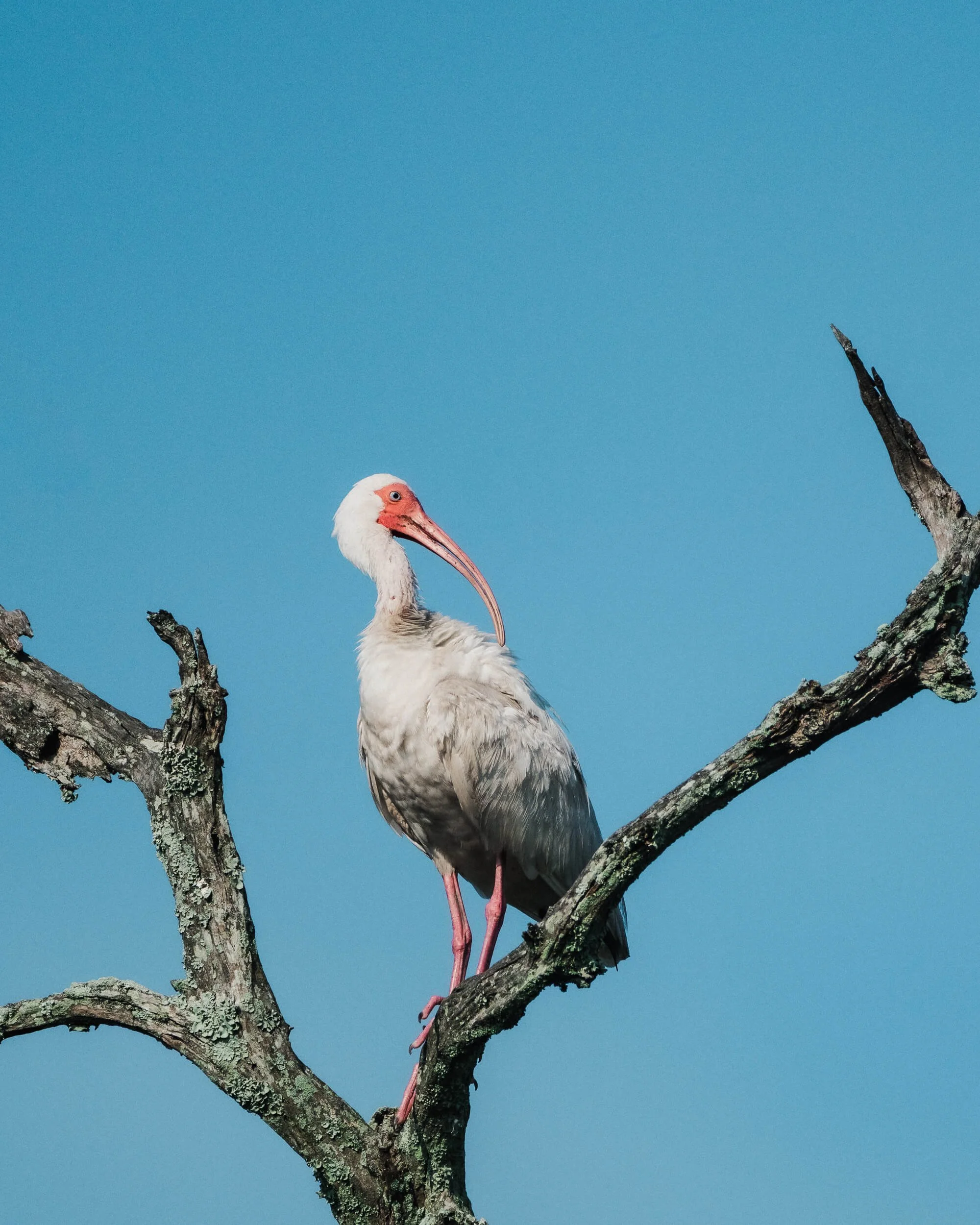
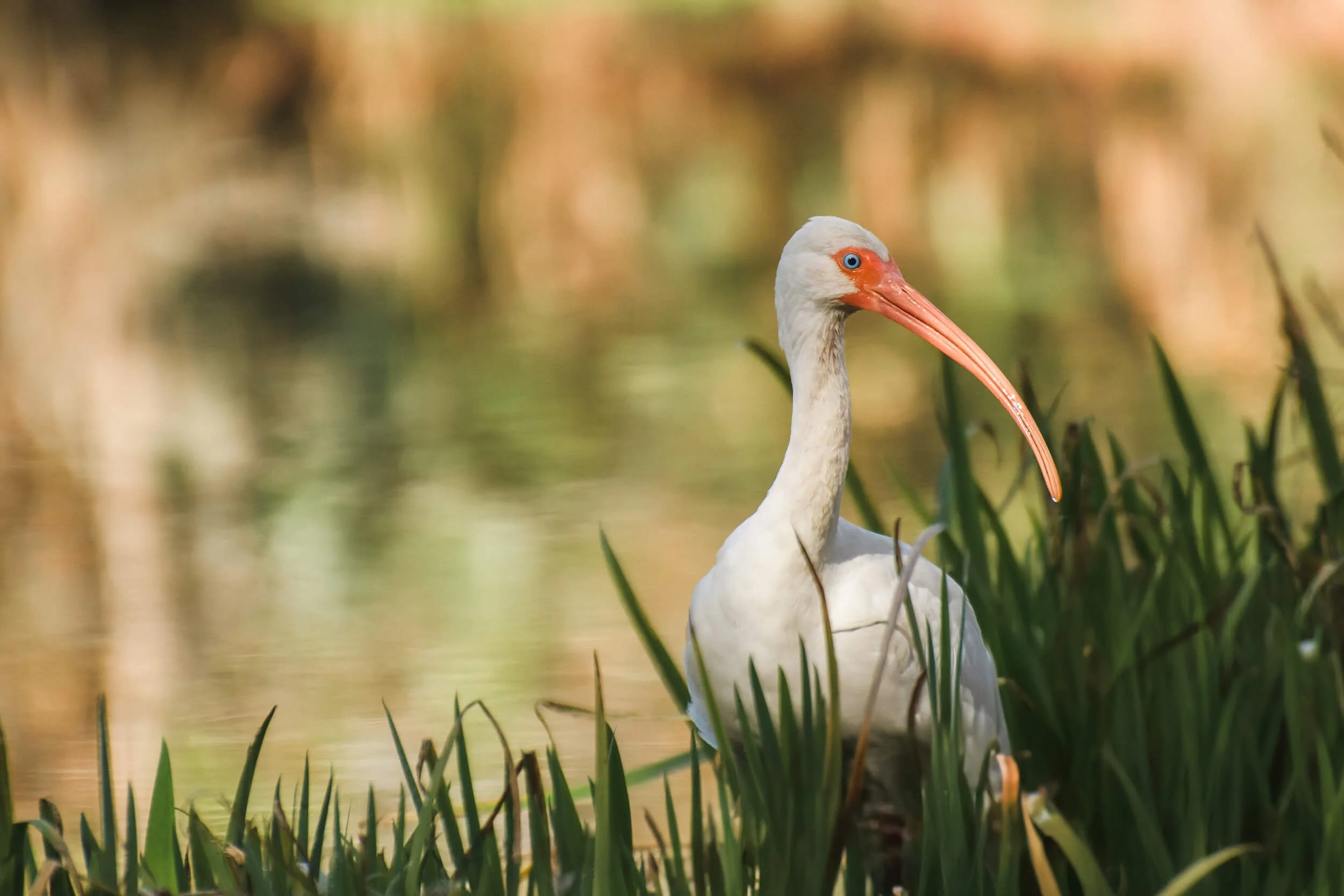
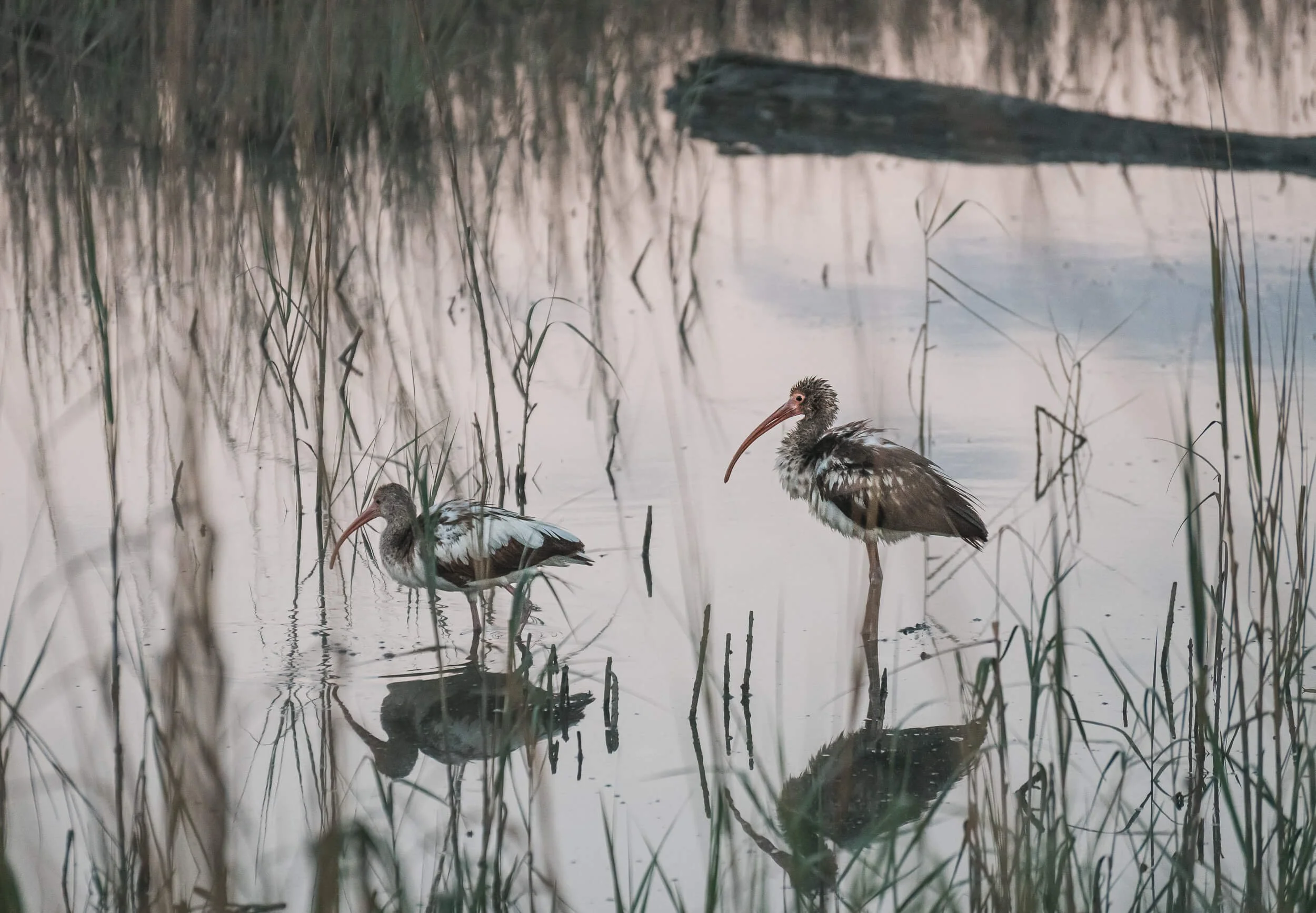
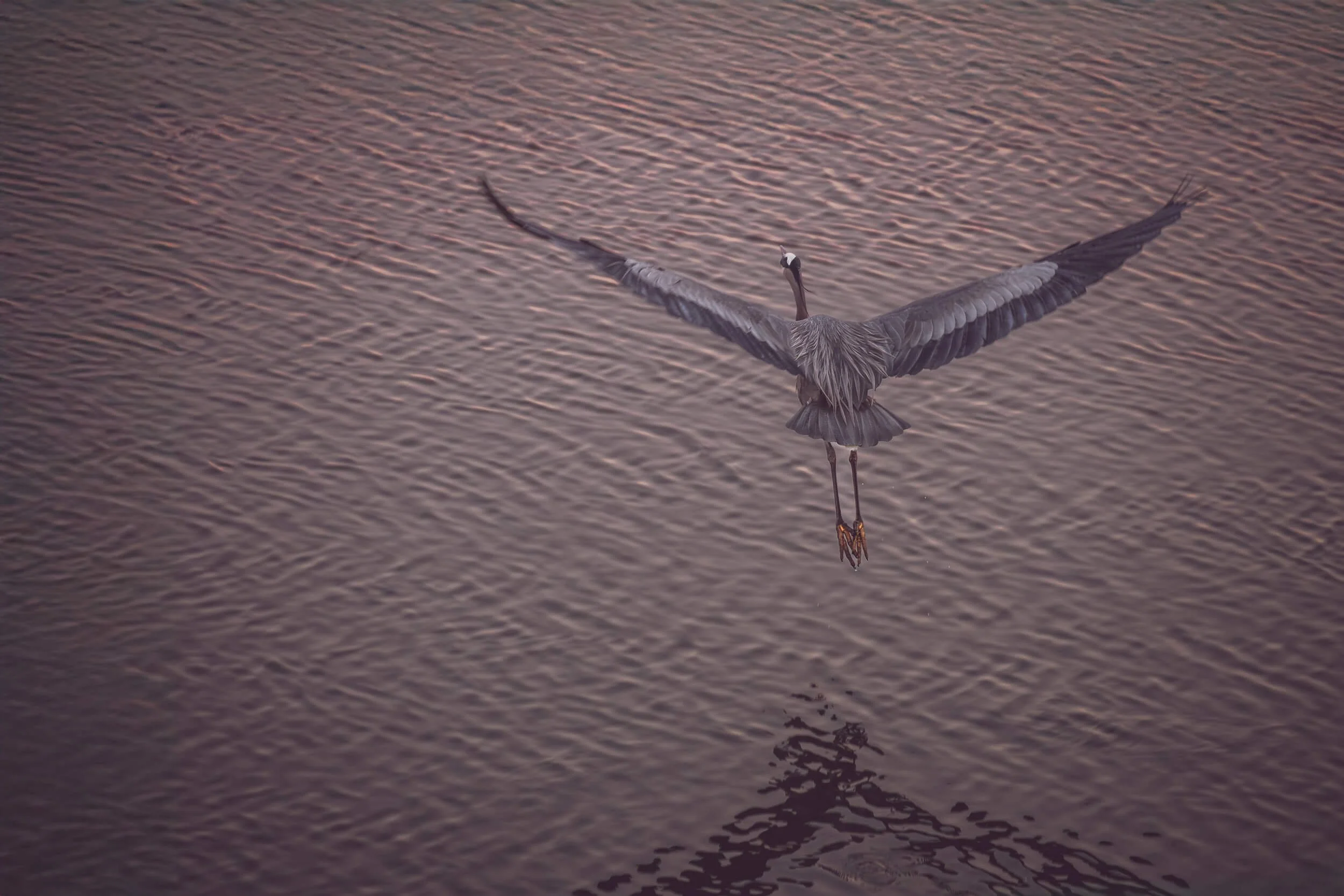
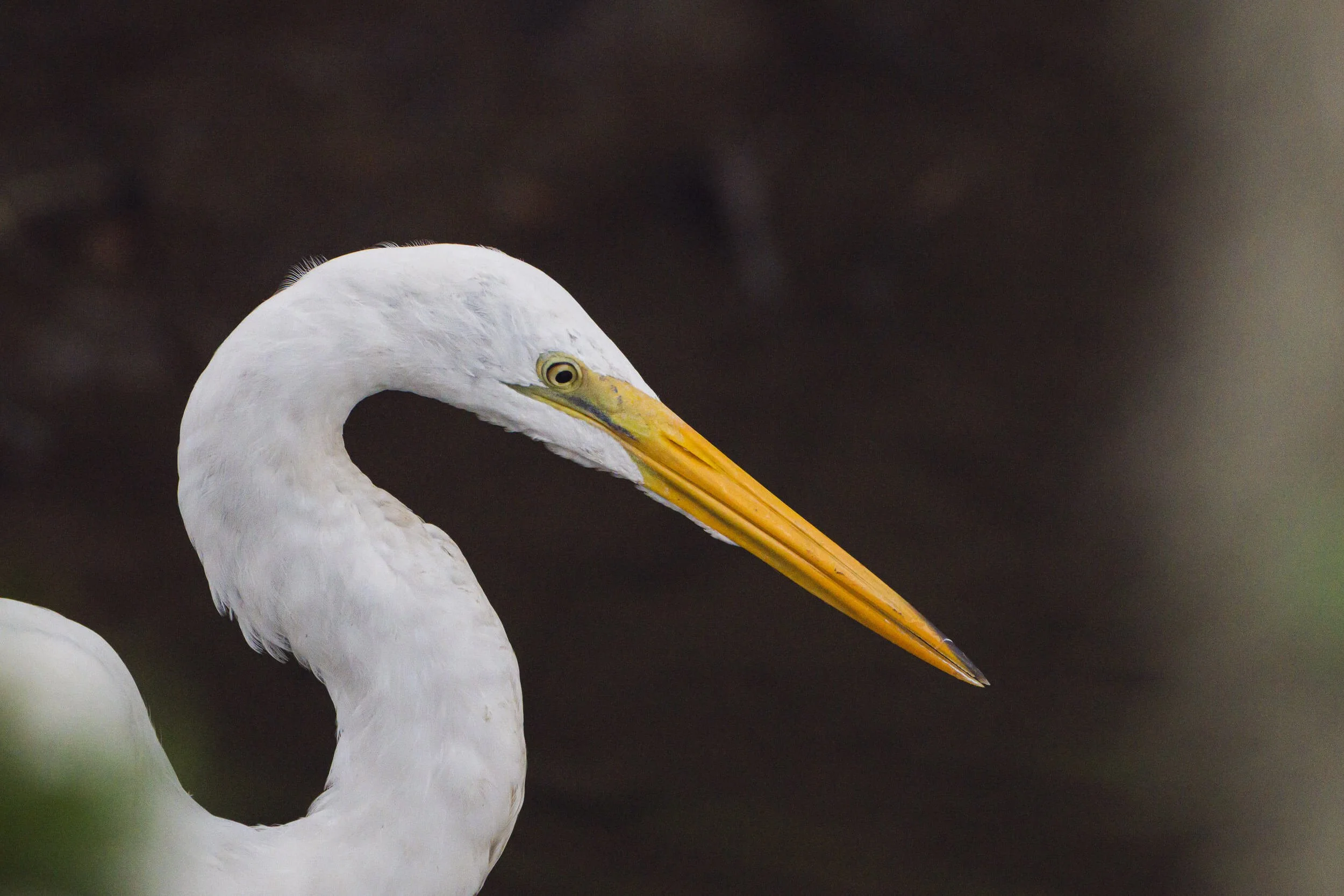
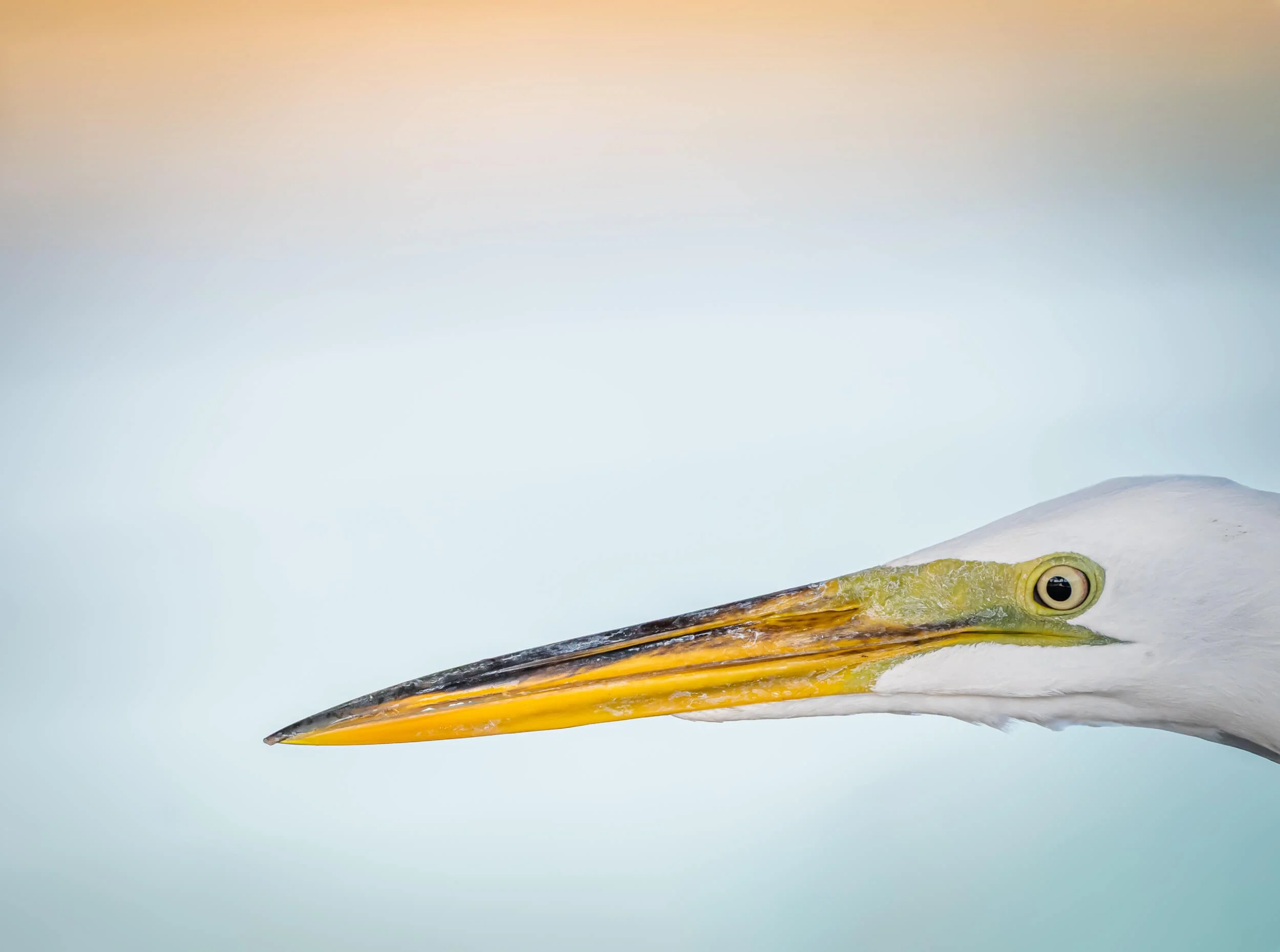
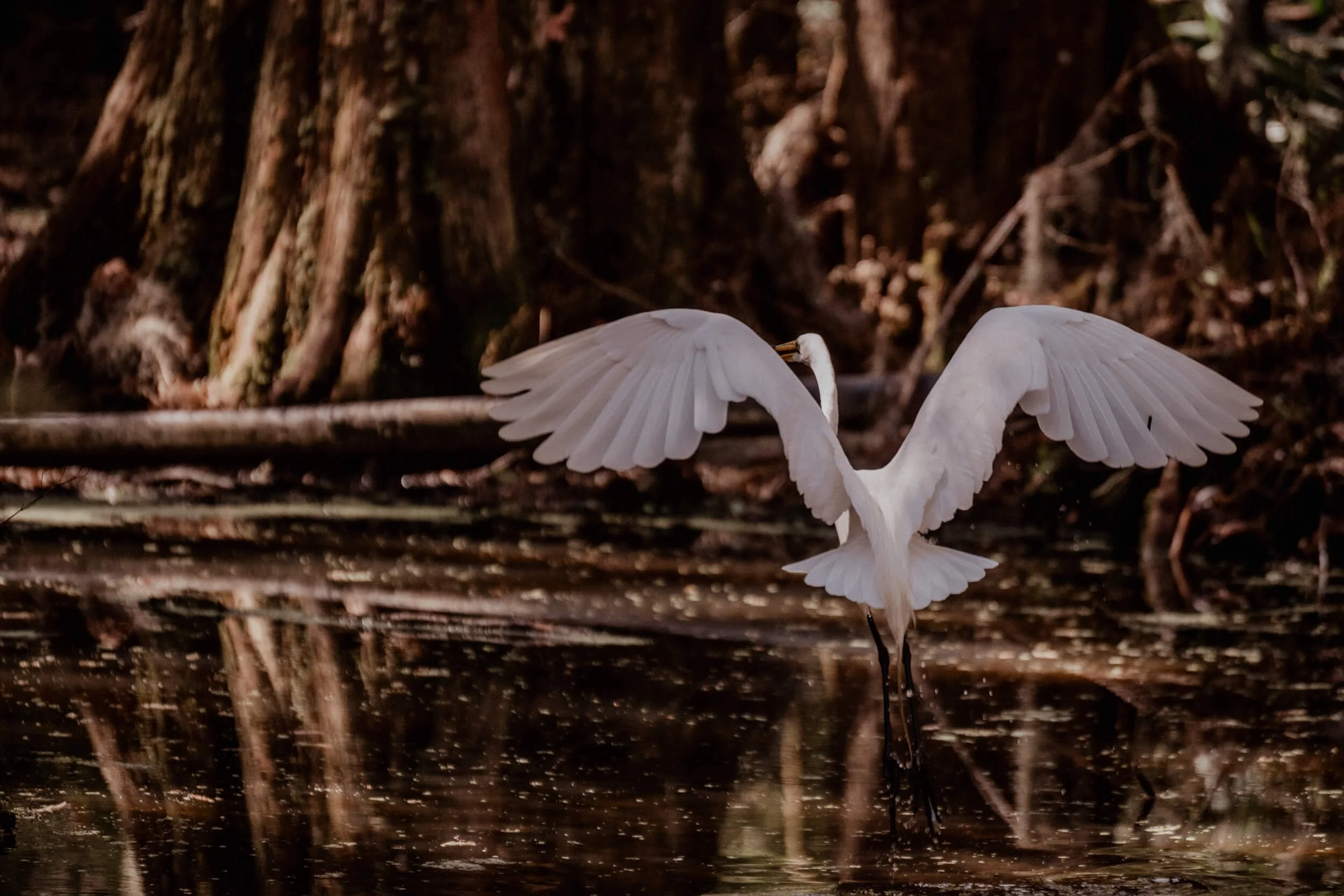
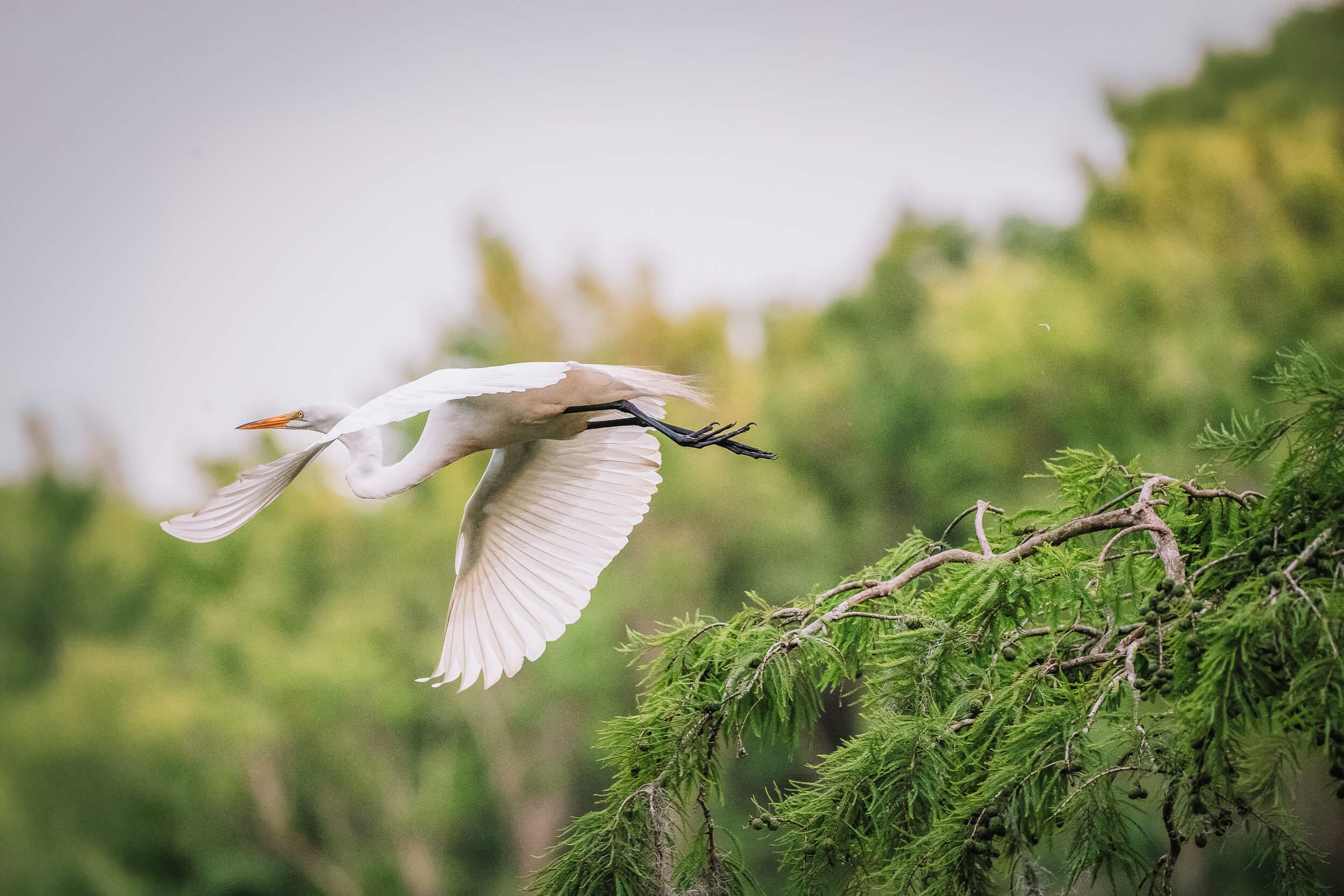
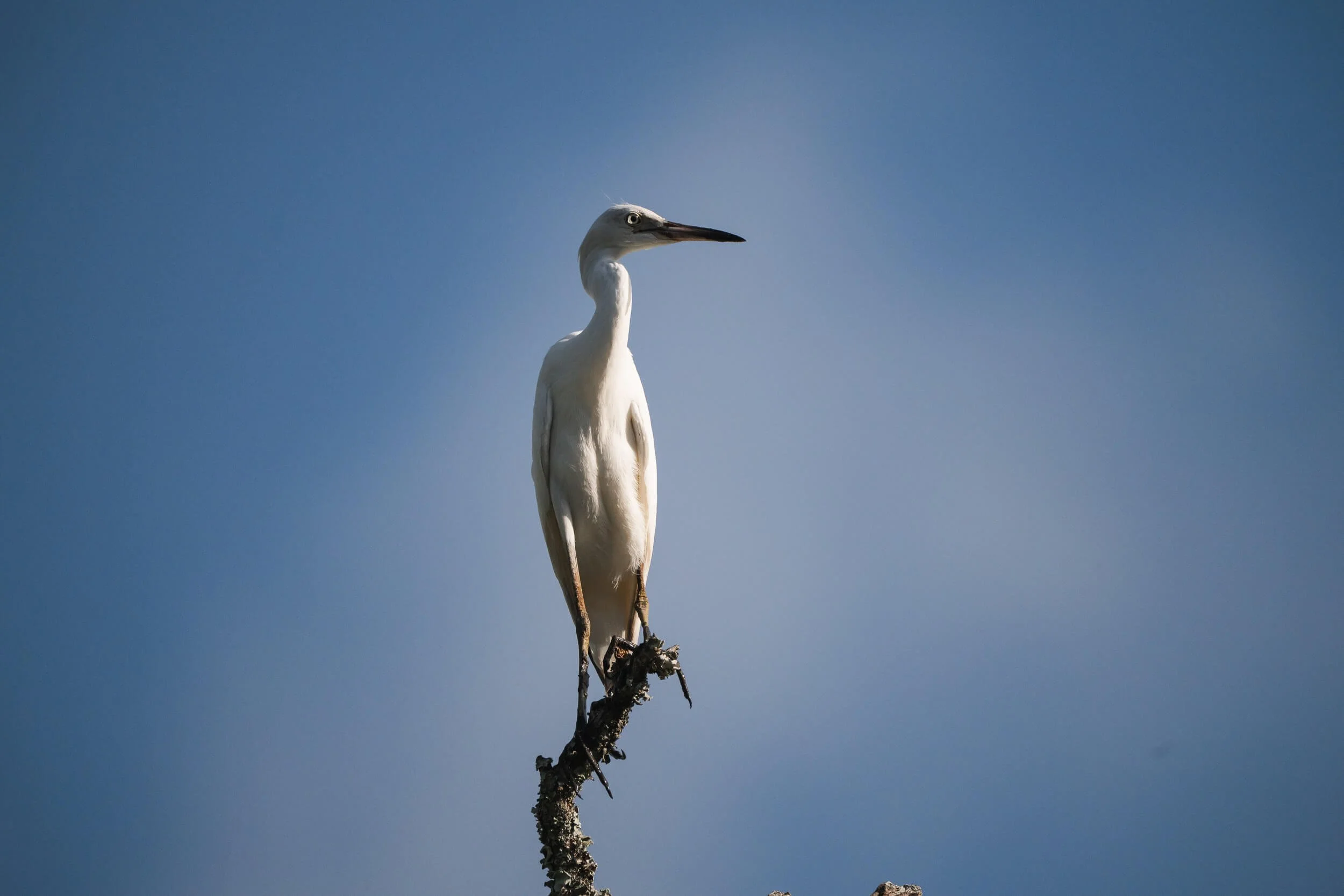
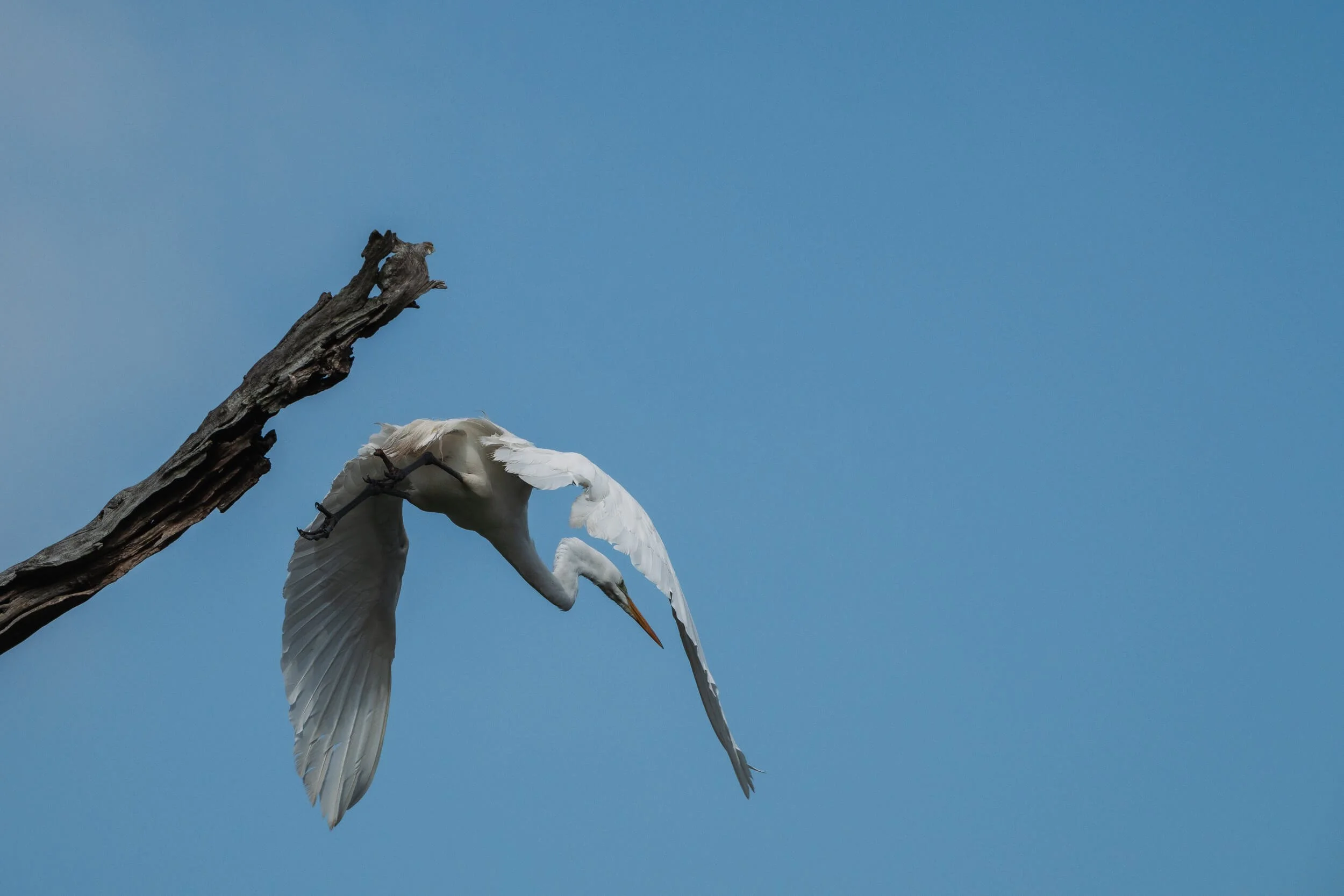
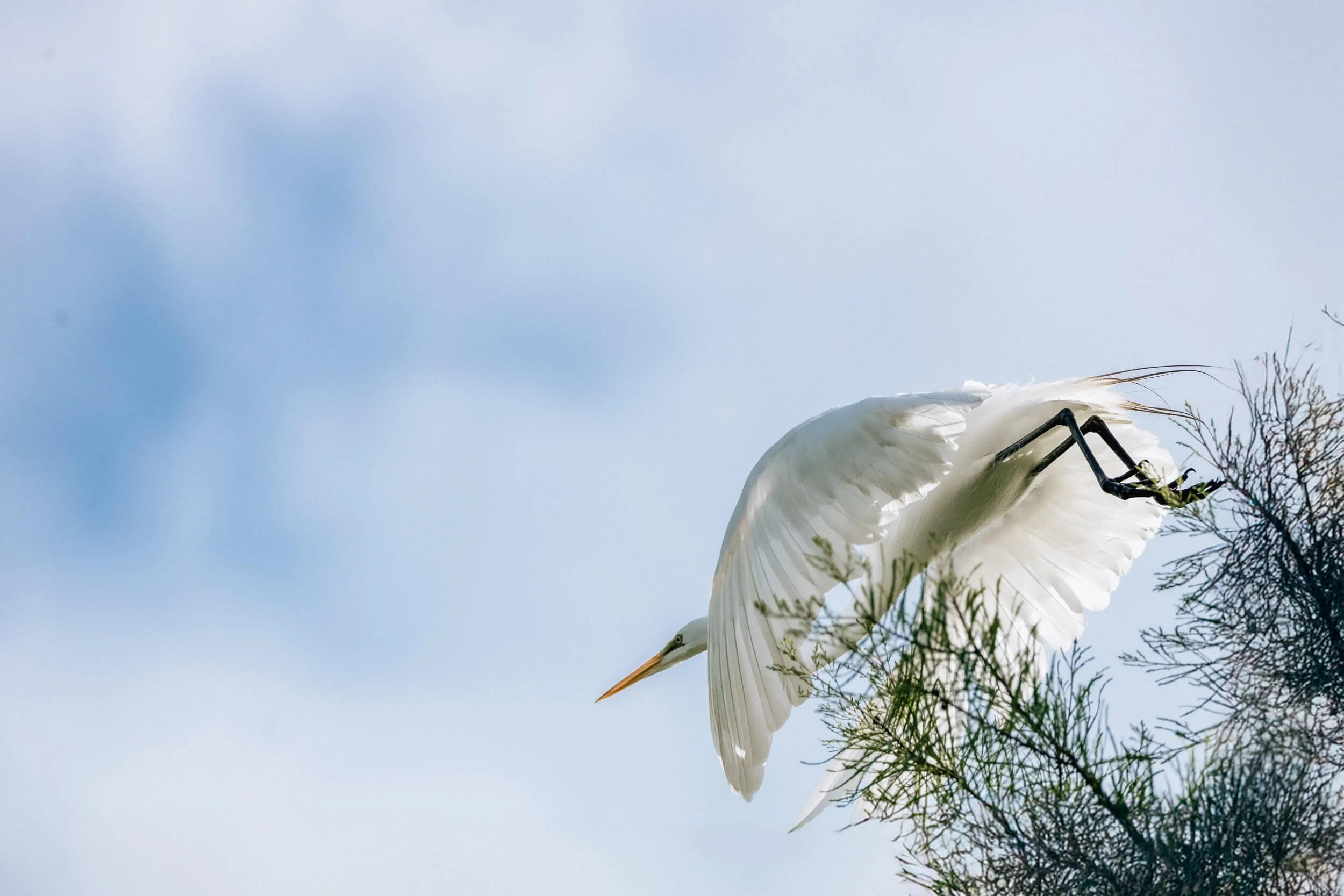
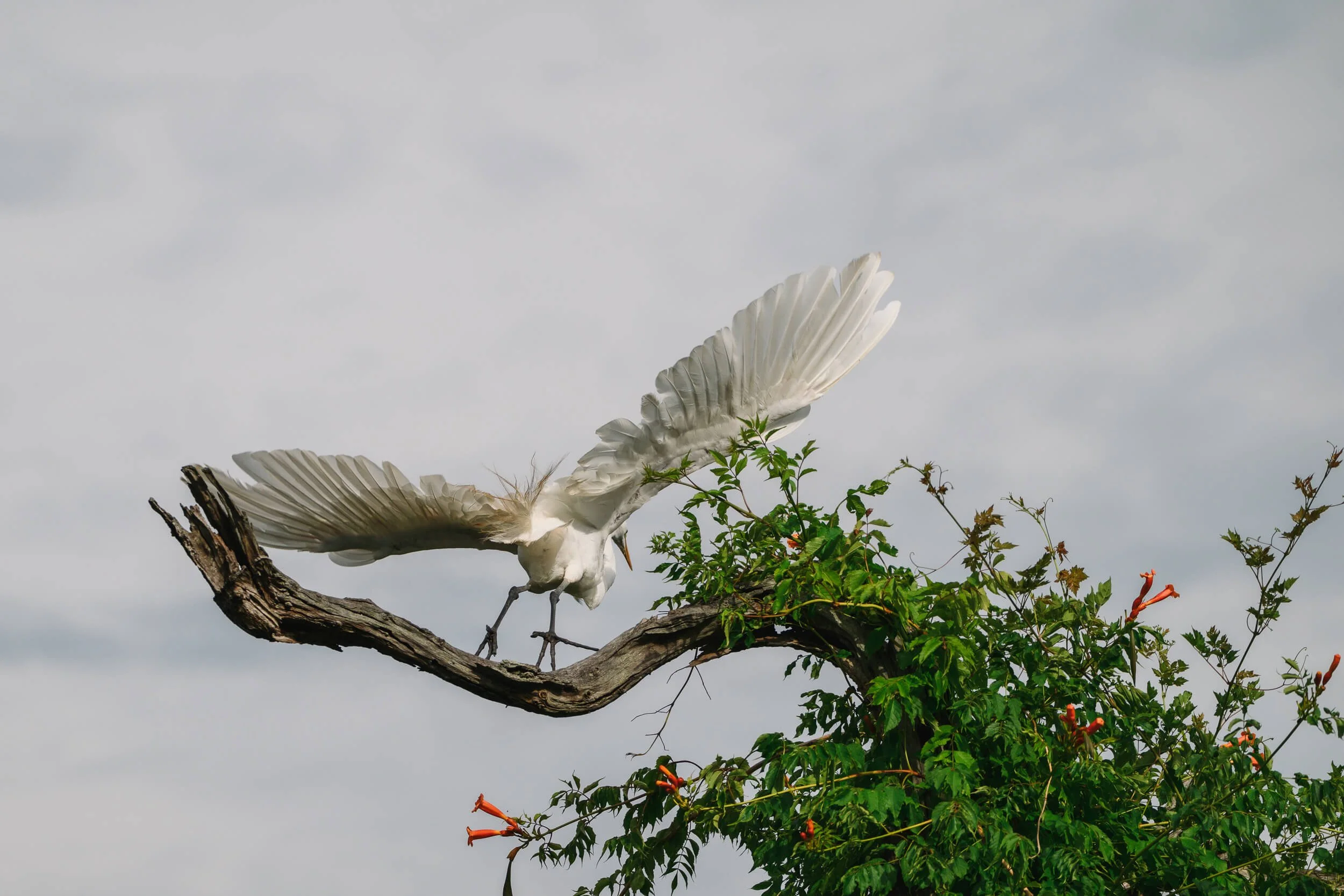
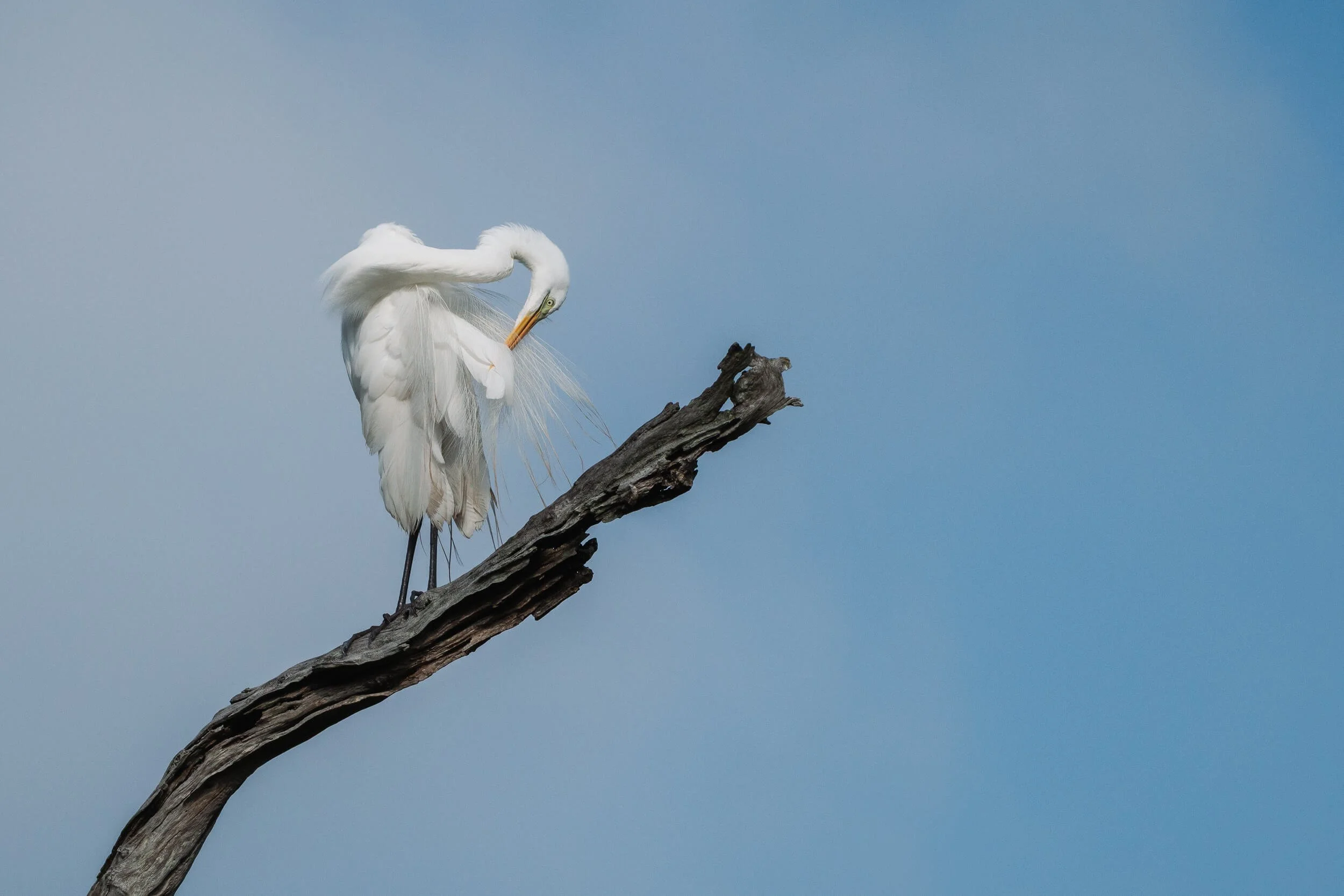
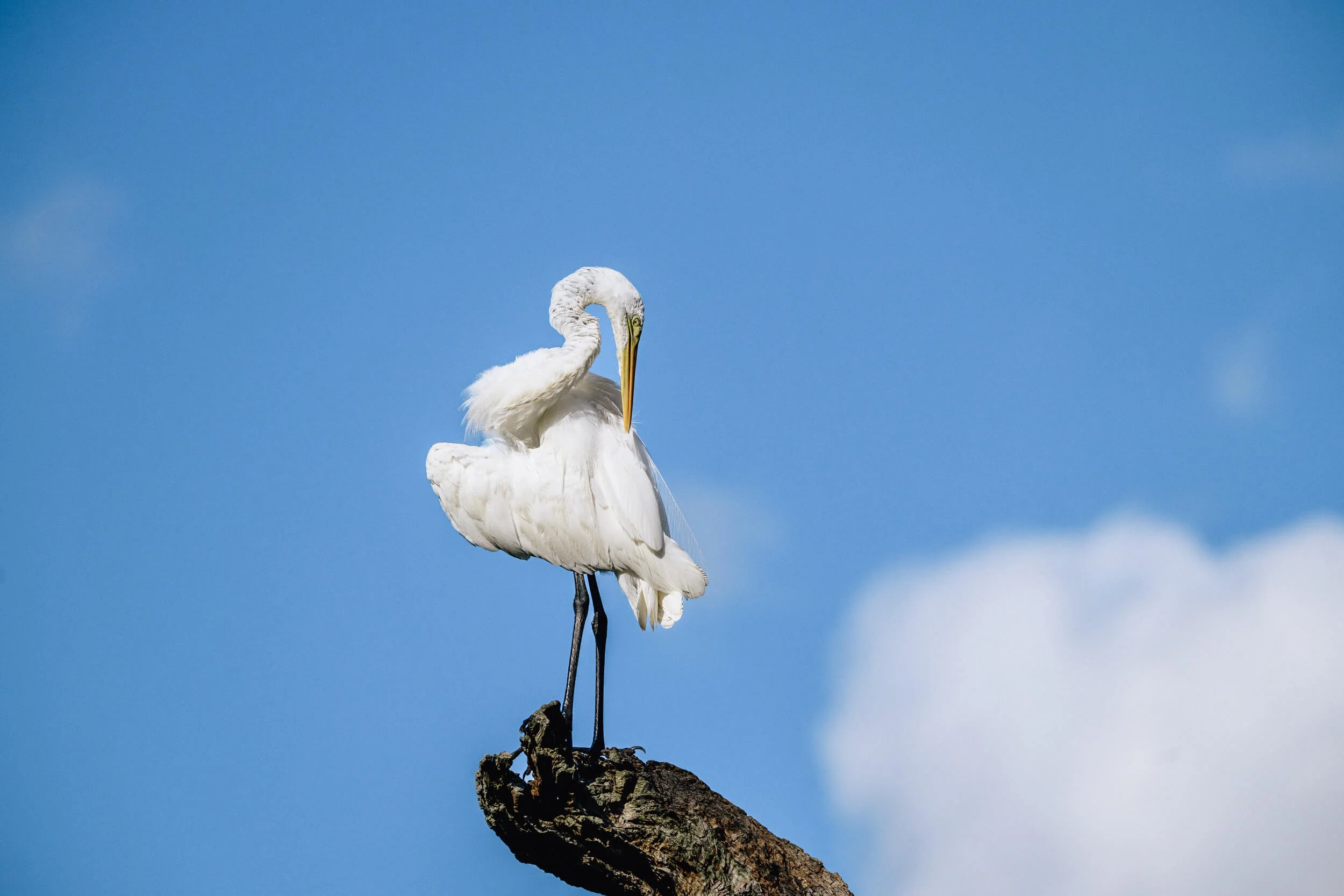
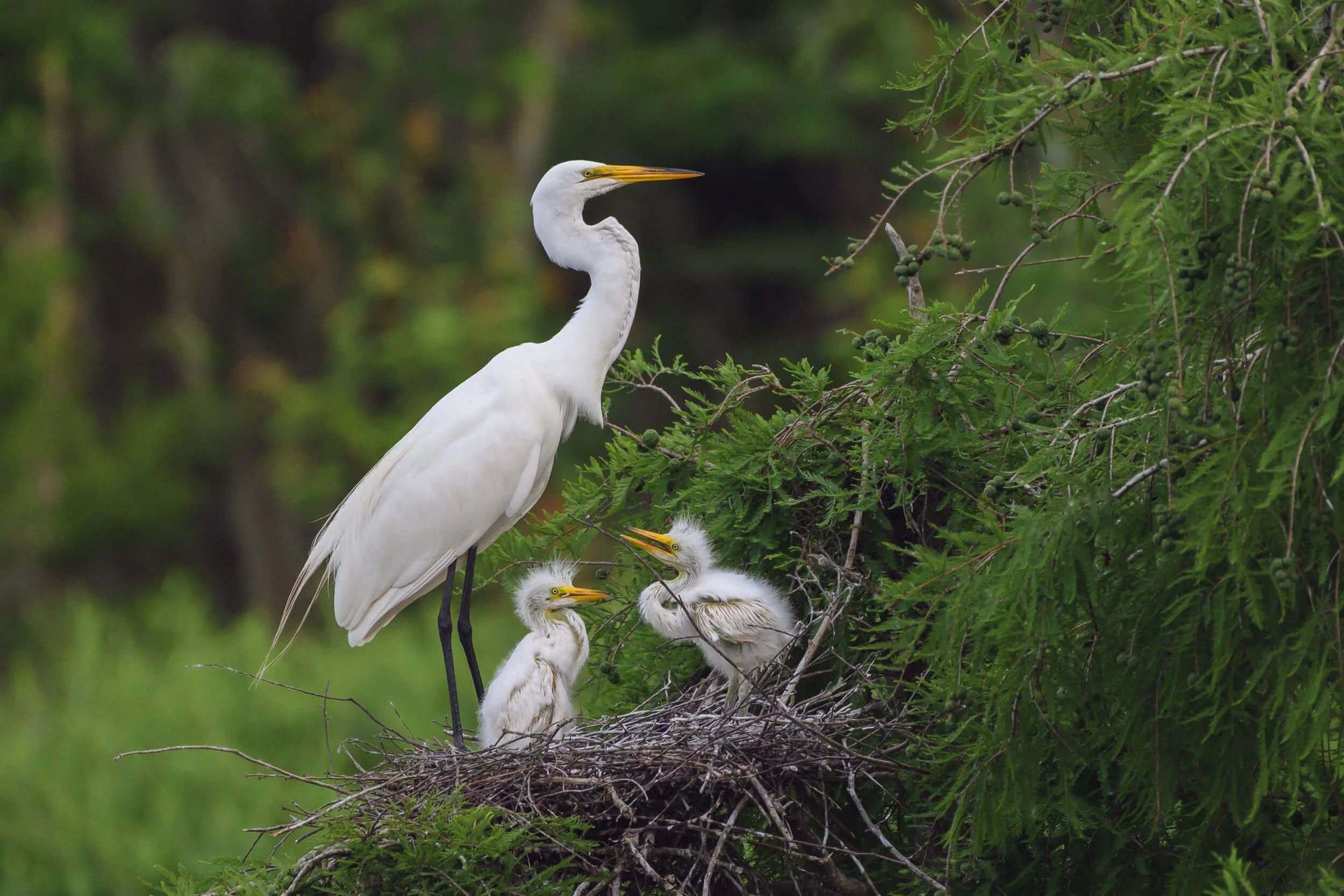
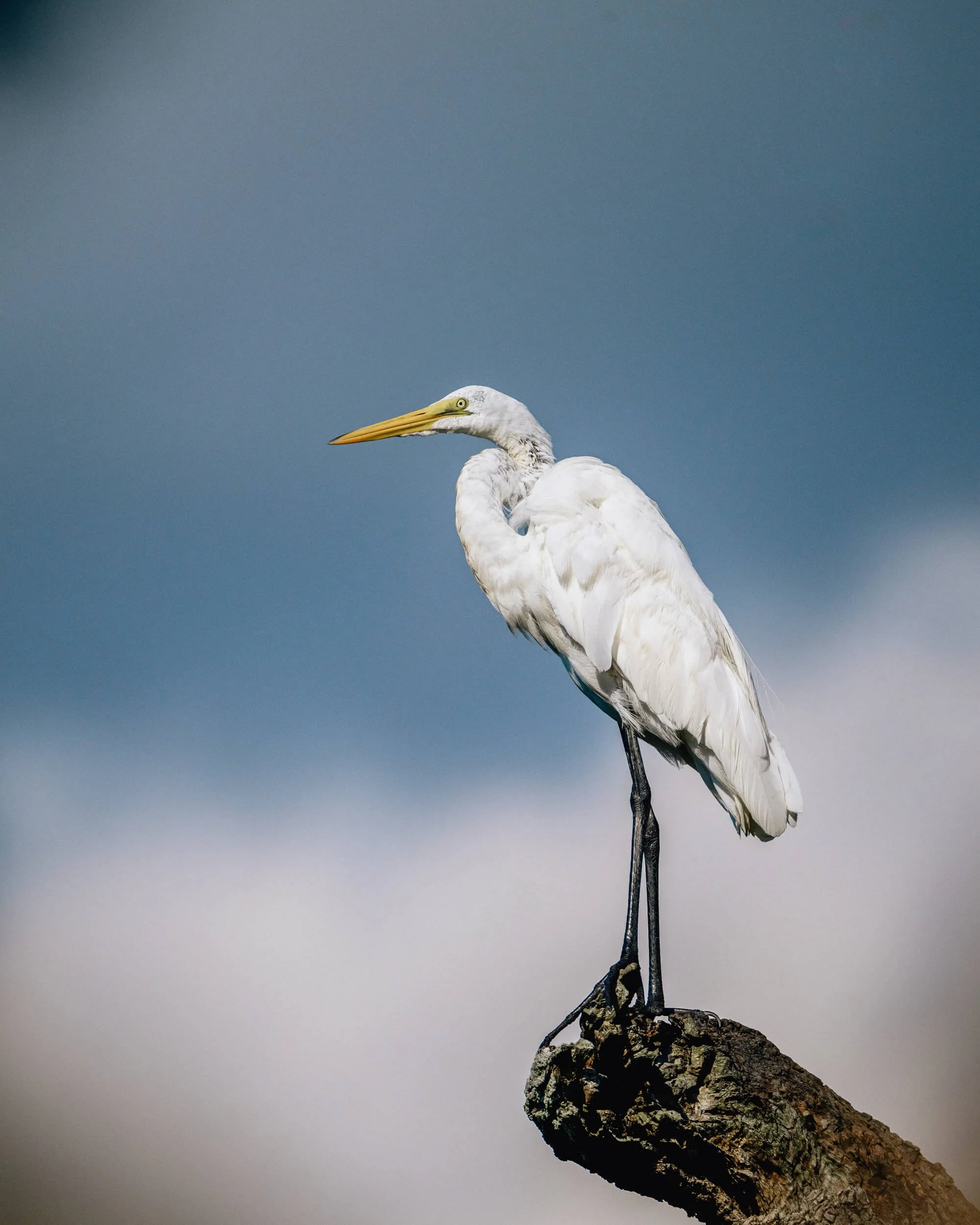
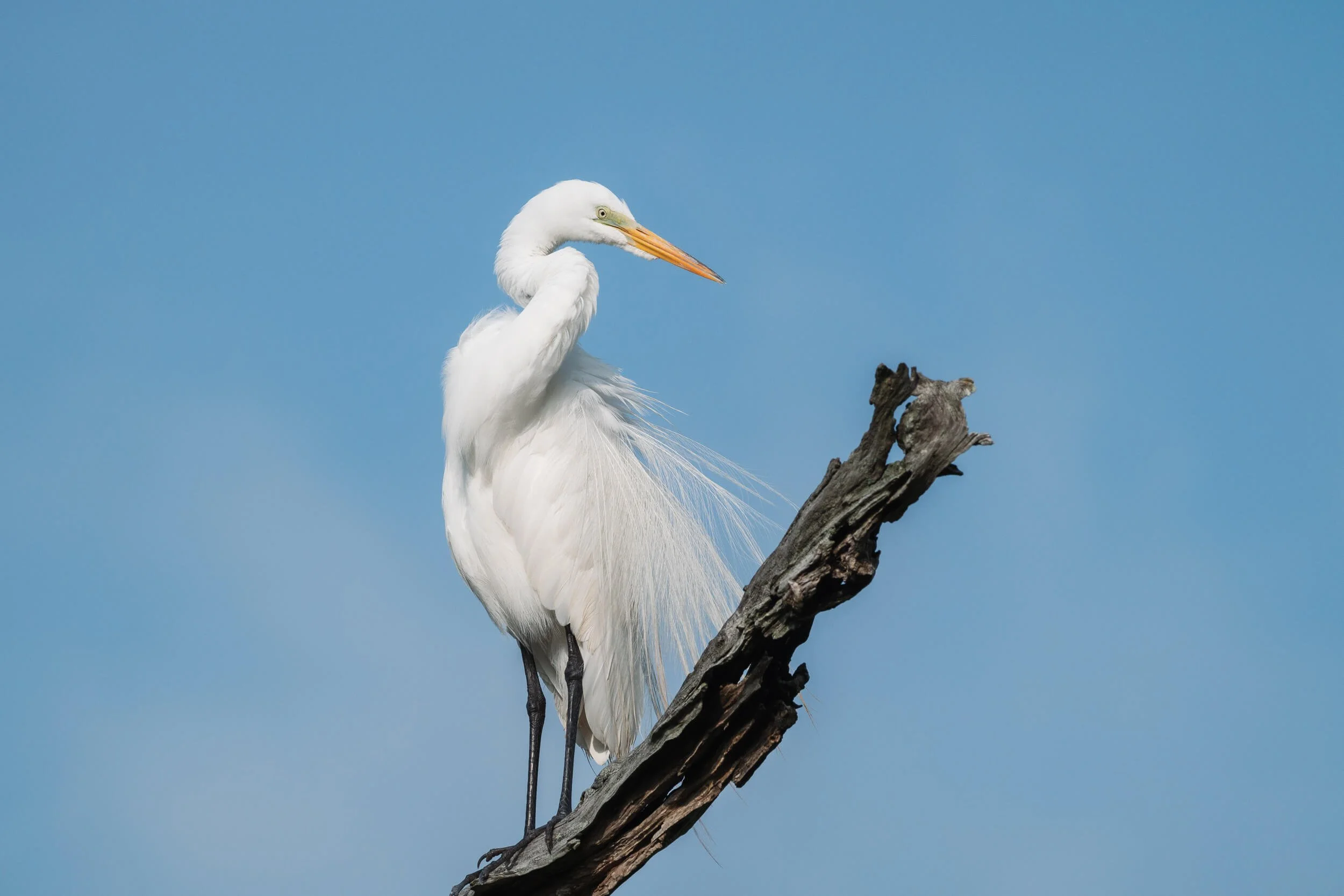
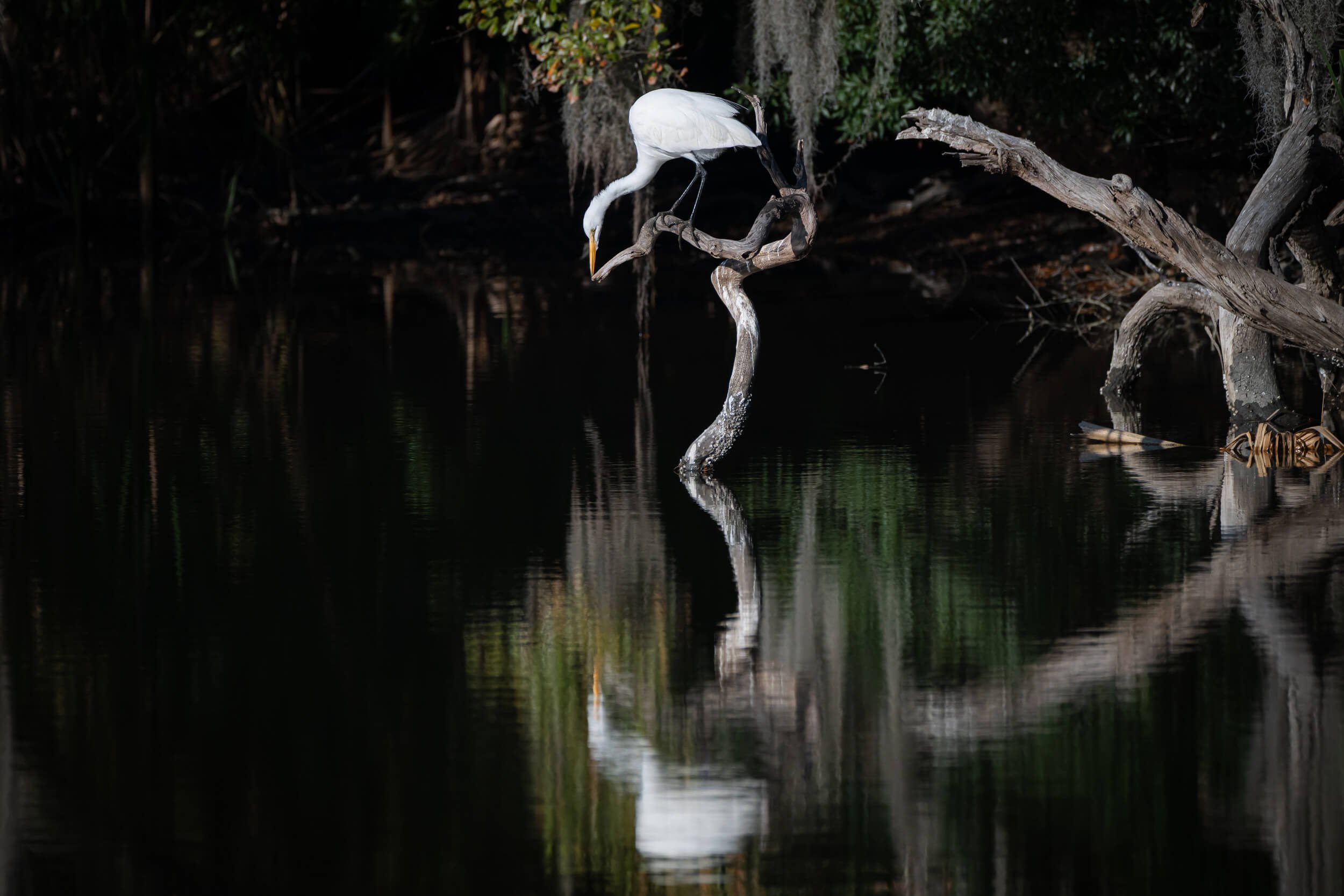
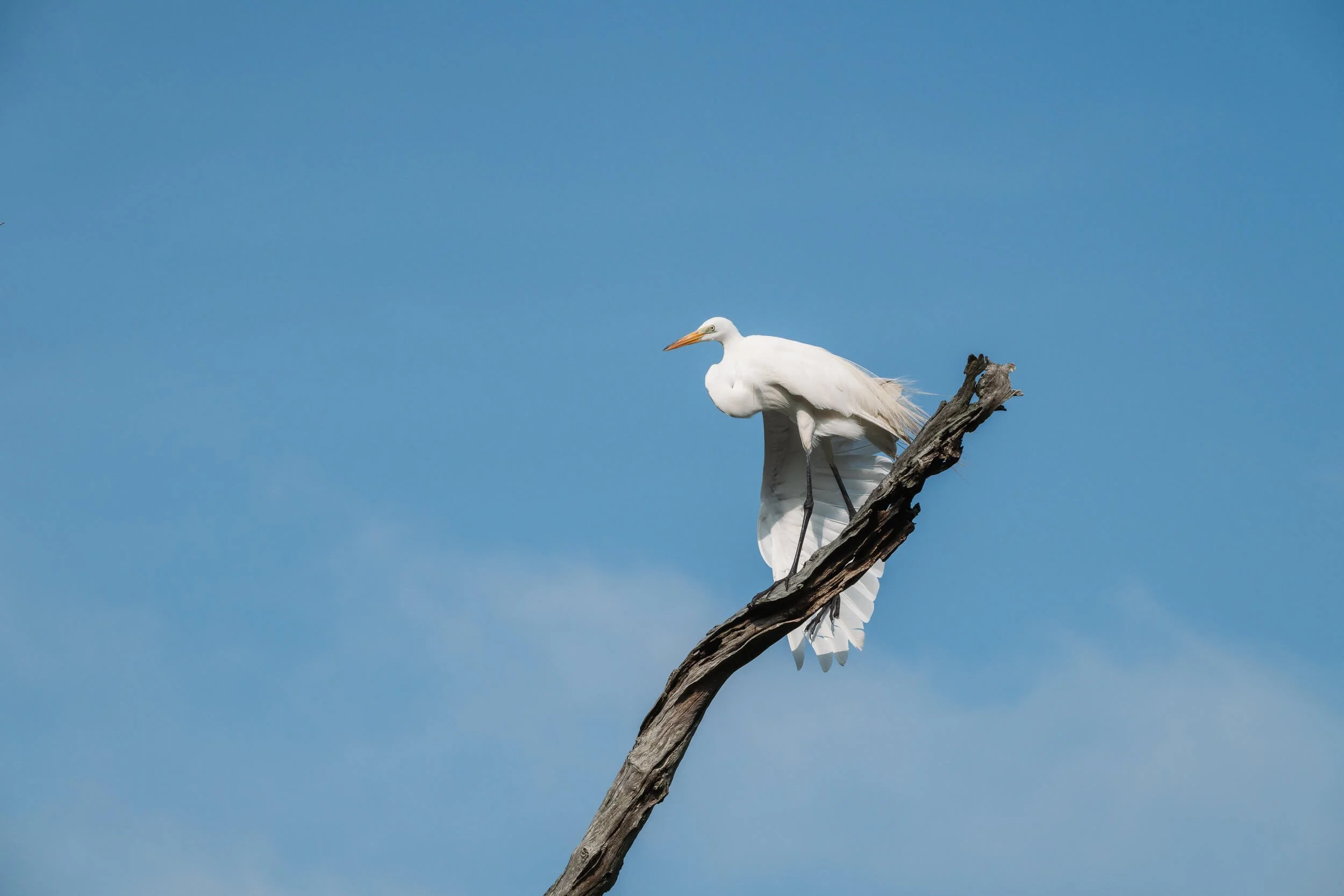
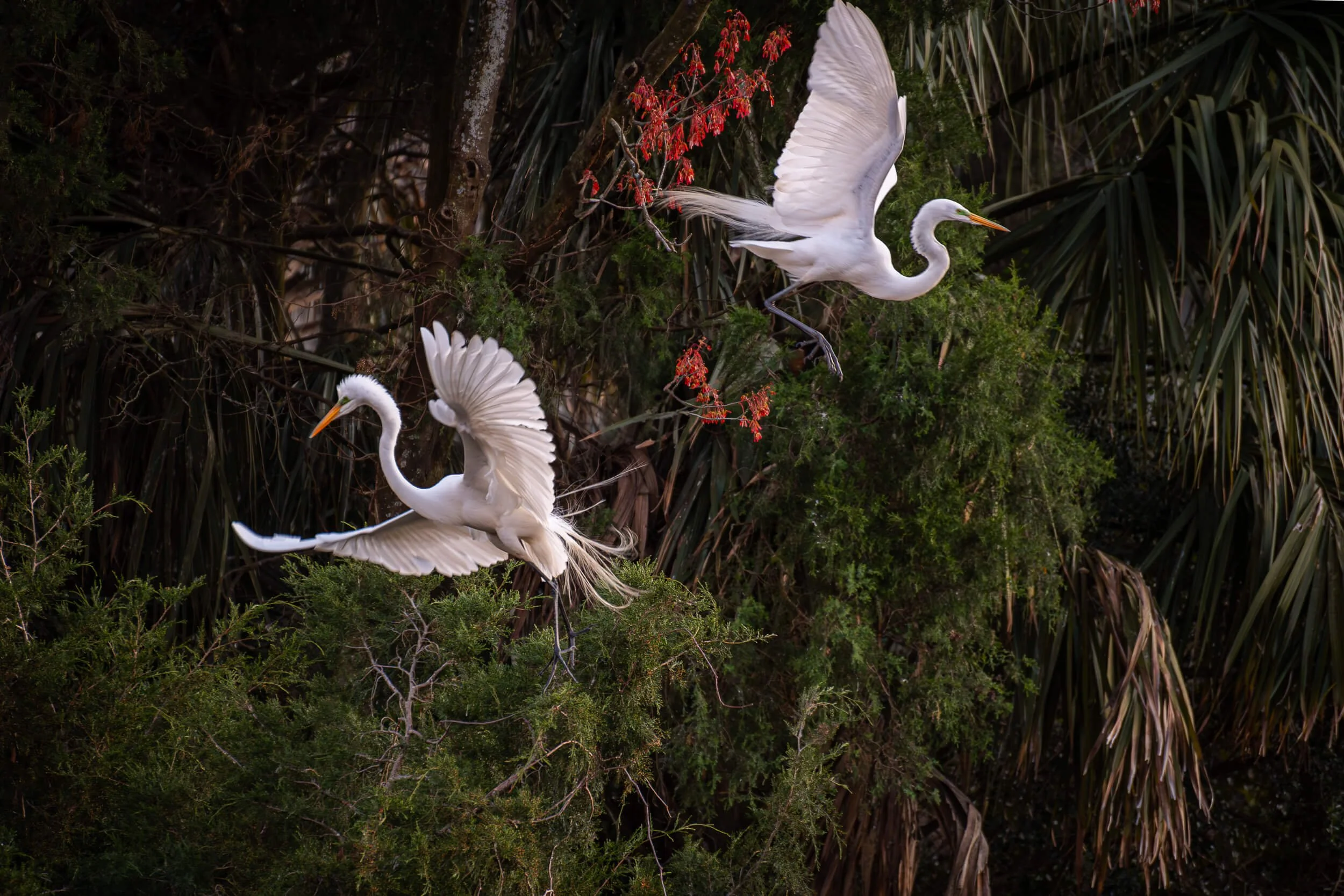
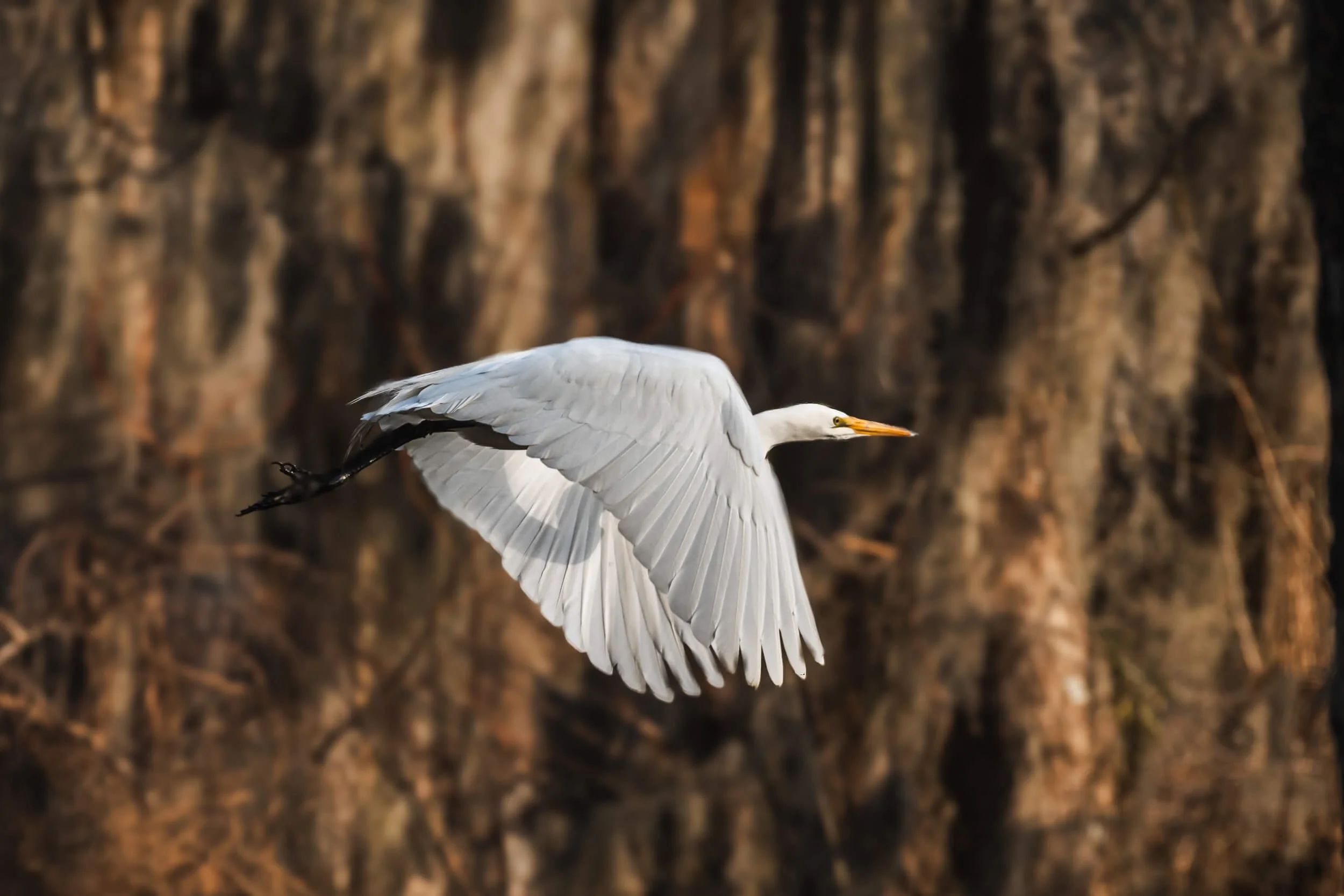
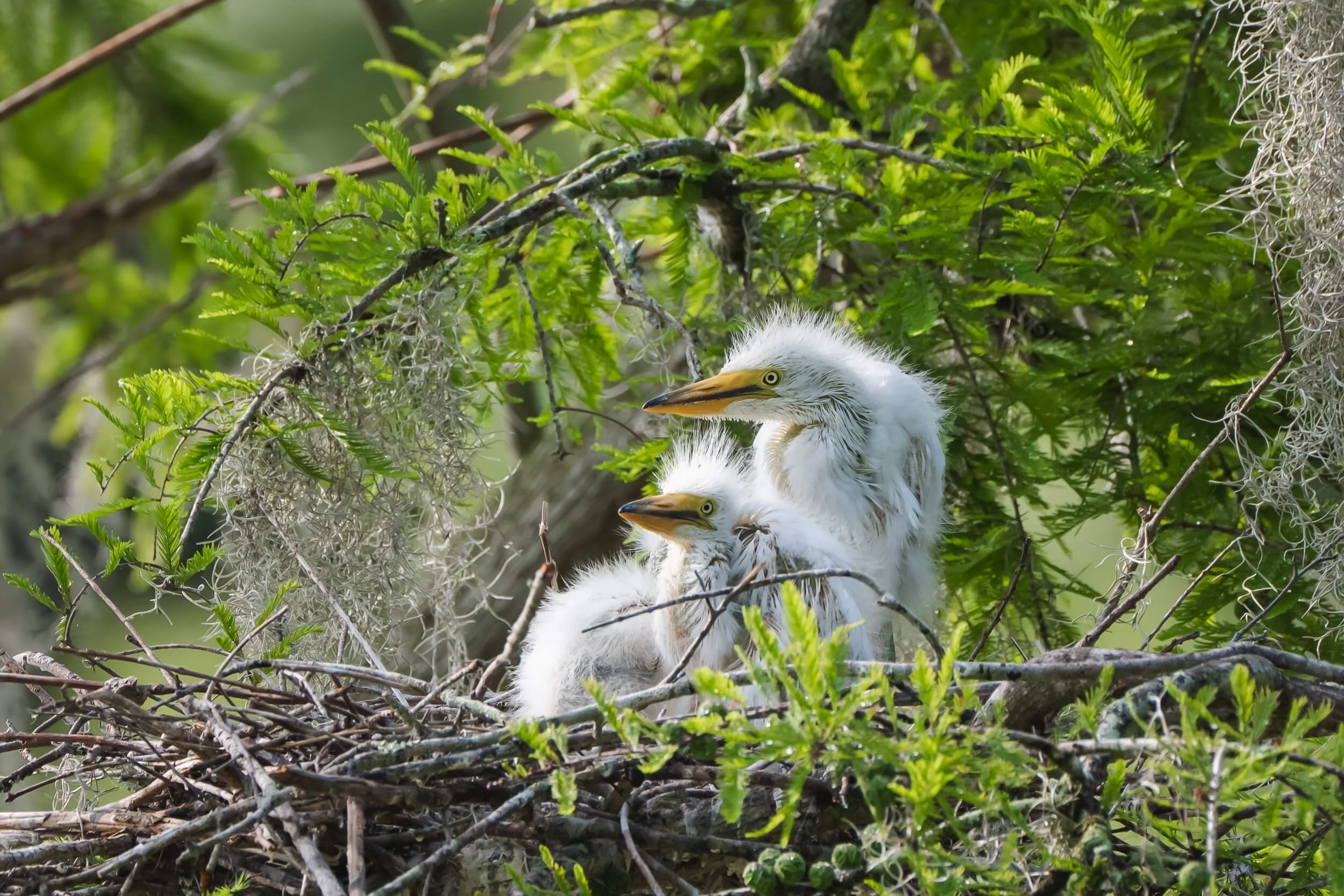
You’ll also find the massive Great Blue Herons, elegant Great and Snowy Egrets, and our local Ibis, which are always a highlight when they travel in large, social groups. They may look like statues, but they’re always just a split second away from a strike.

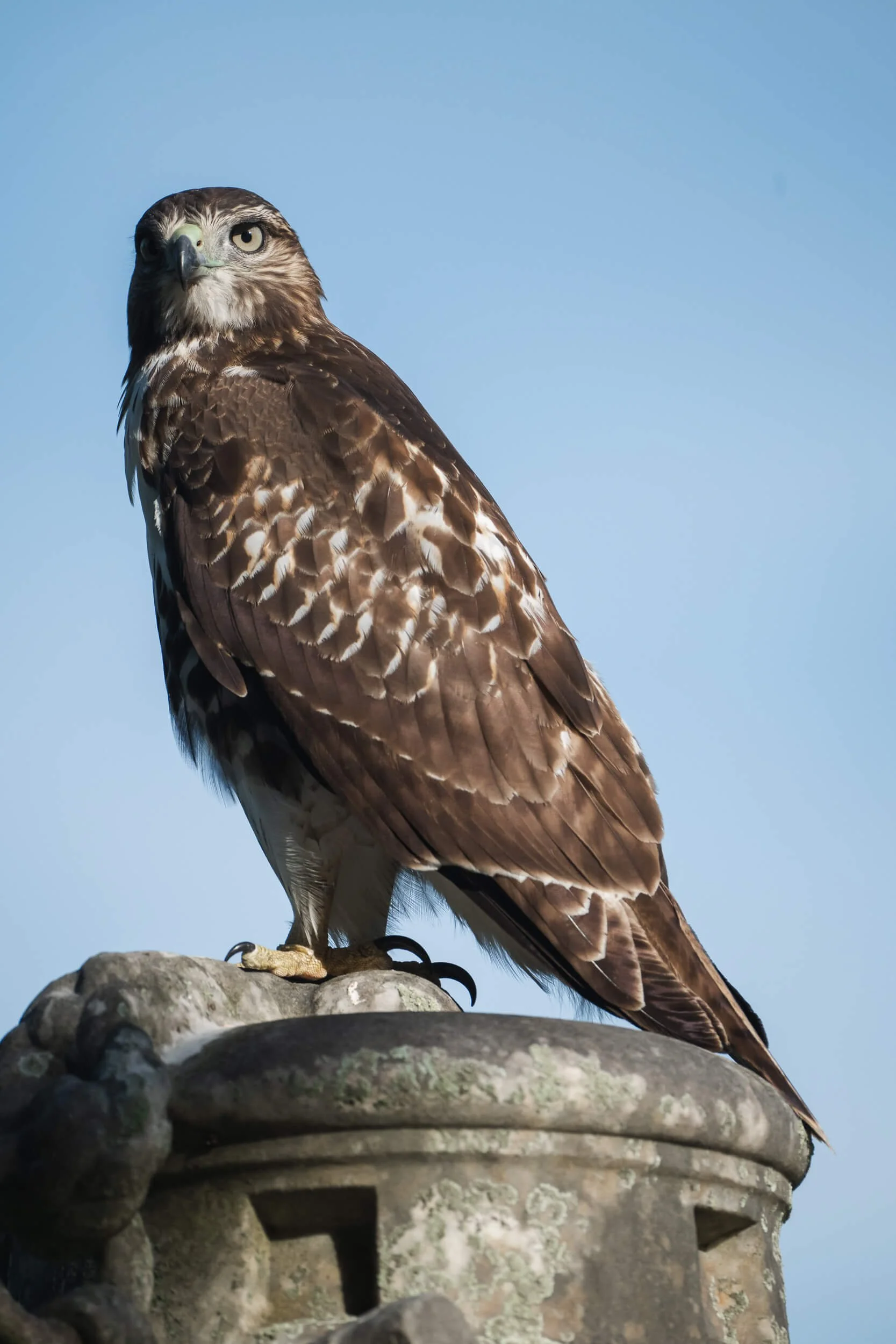
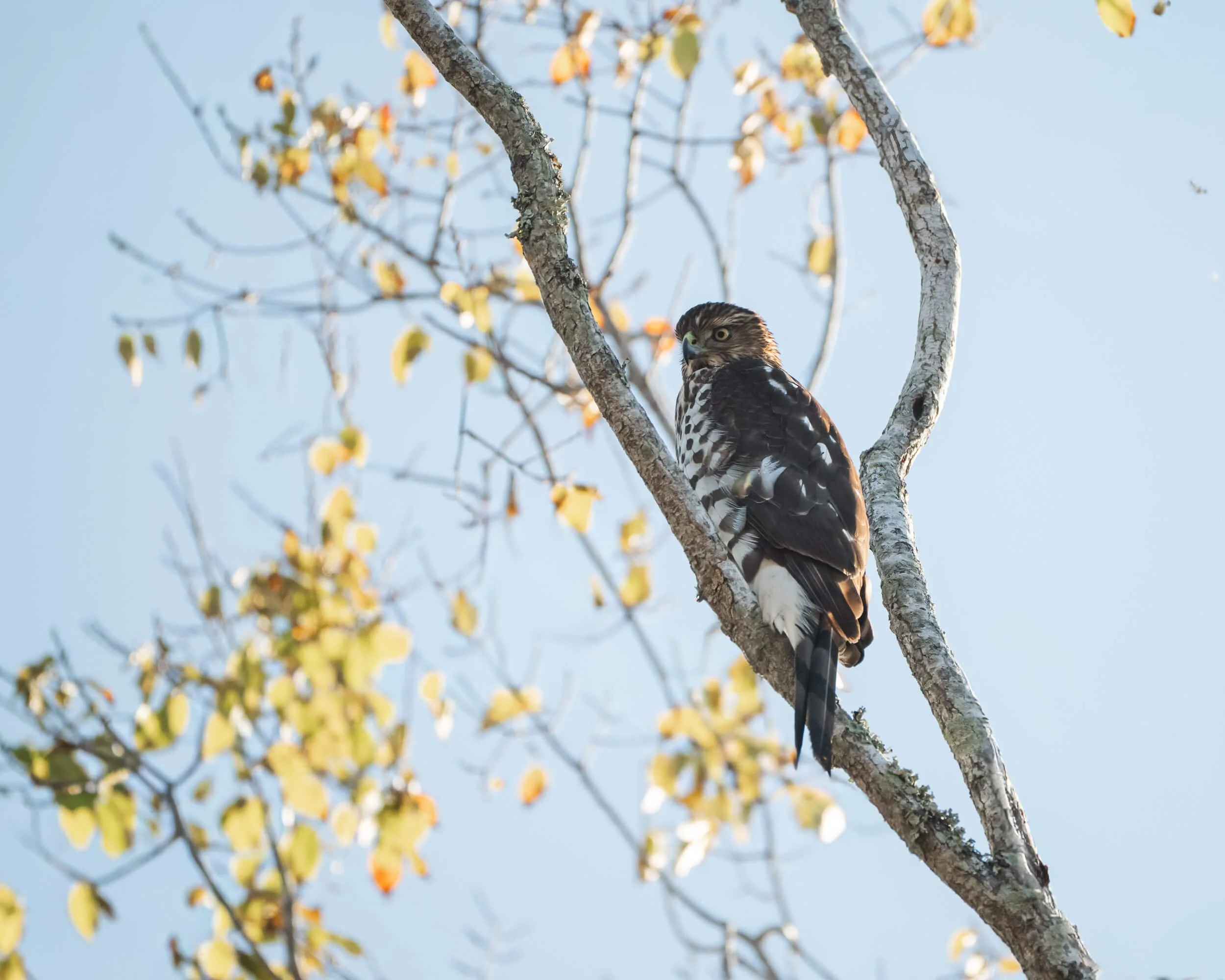
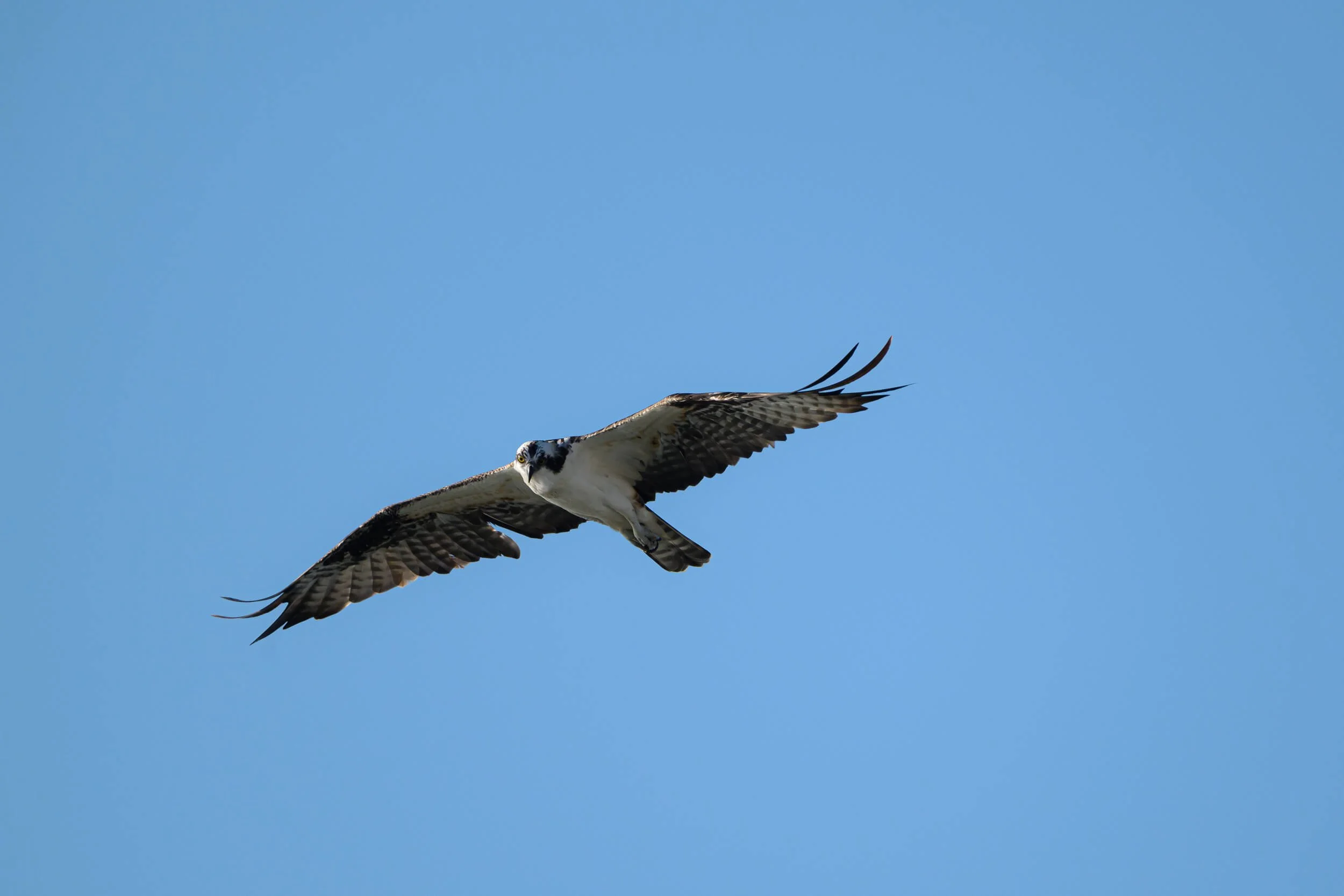
The Raptors
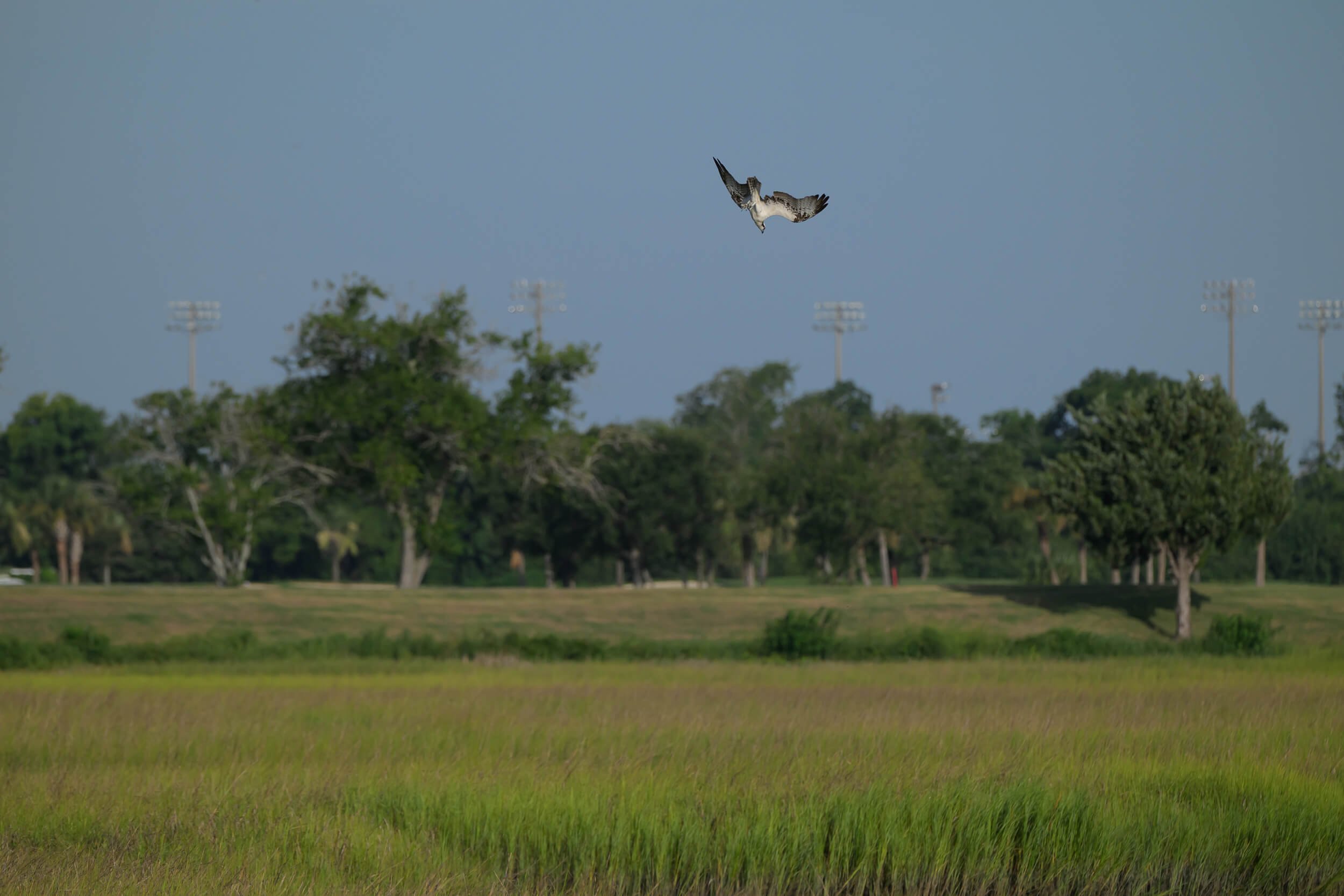
he true rulers of the sky. This section is dedicated to the power and precision of our local birds of prey. Whether it’s an Osprey diving for a meal, a Bald Eagle perched high above the marsh, or a Red-tailed Hawk patrolling the fields, these shots capture the intensity that only a raptor can bring to the frame. They aren't seen as often as the others, so capturing them is always a treat.
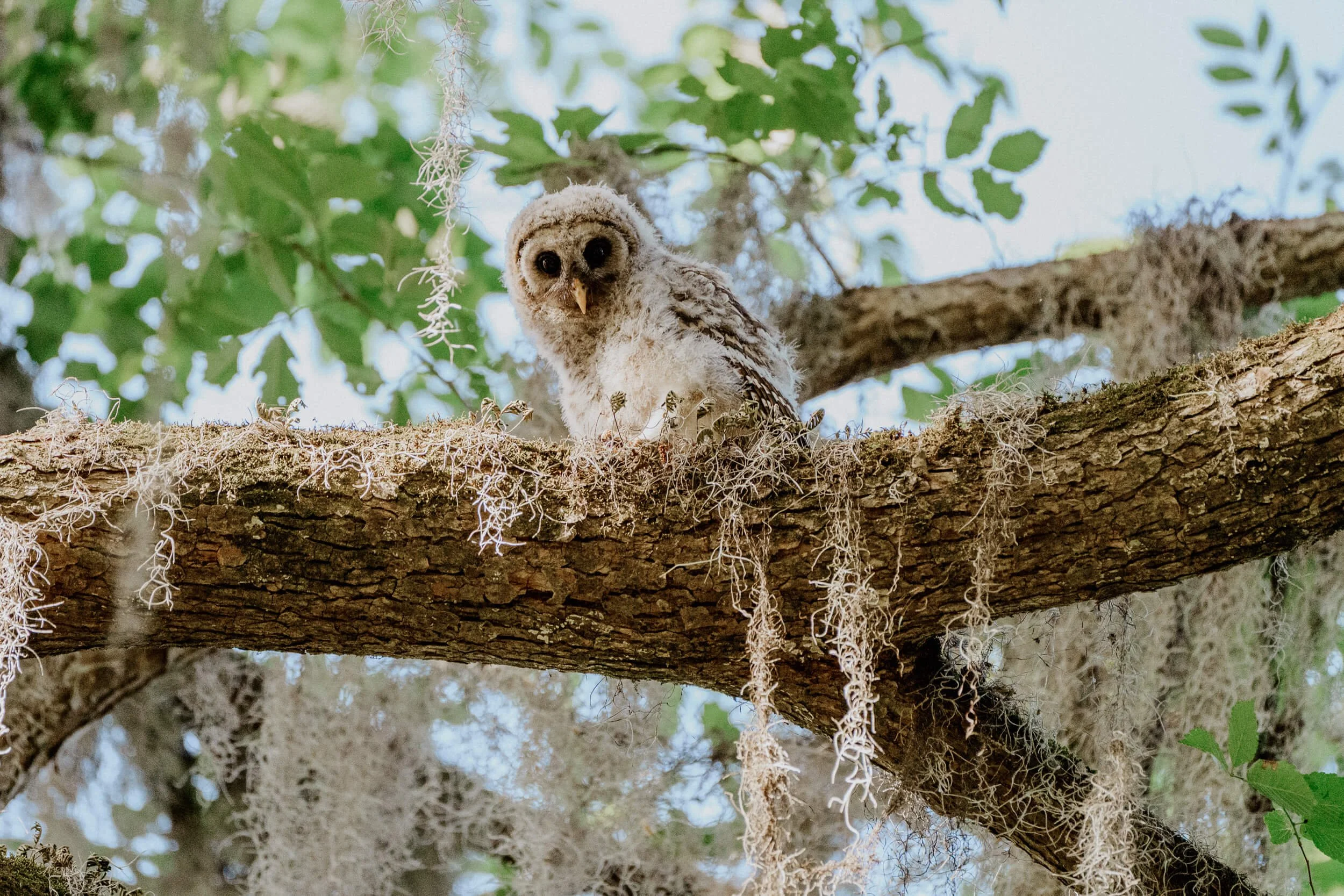
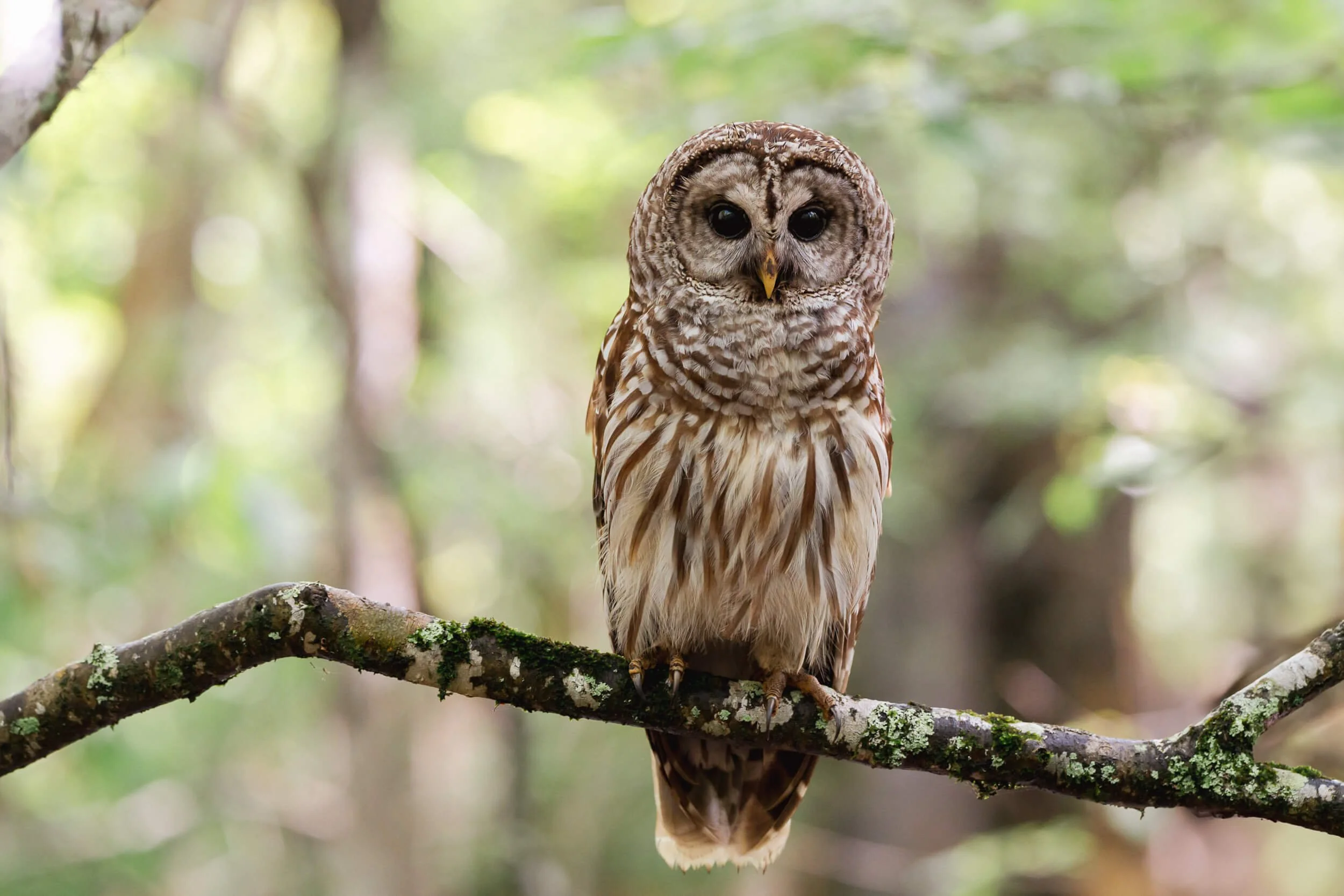
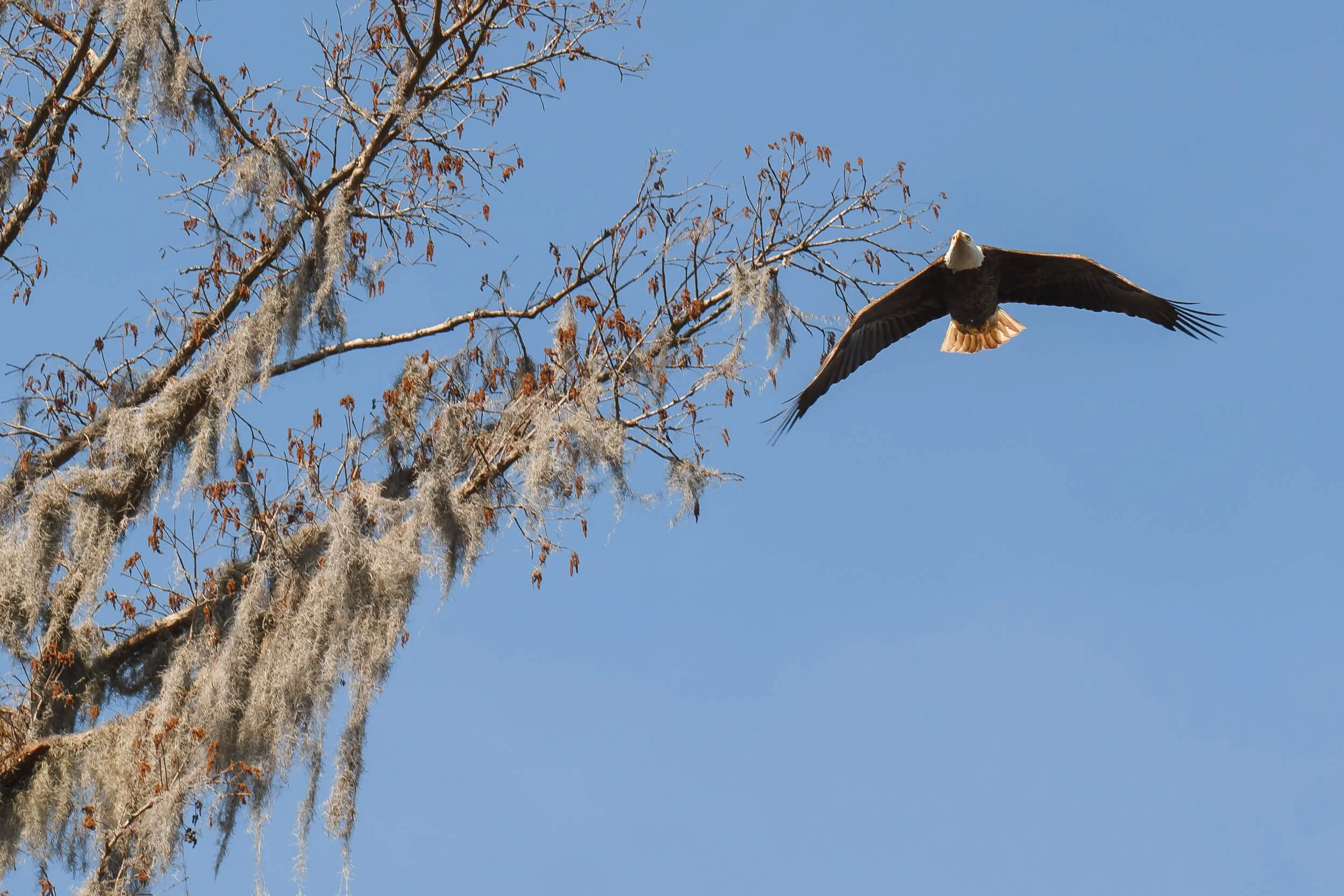
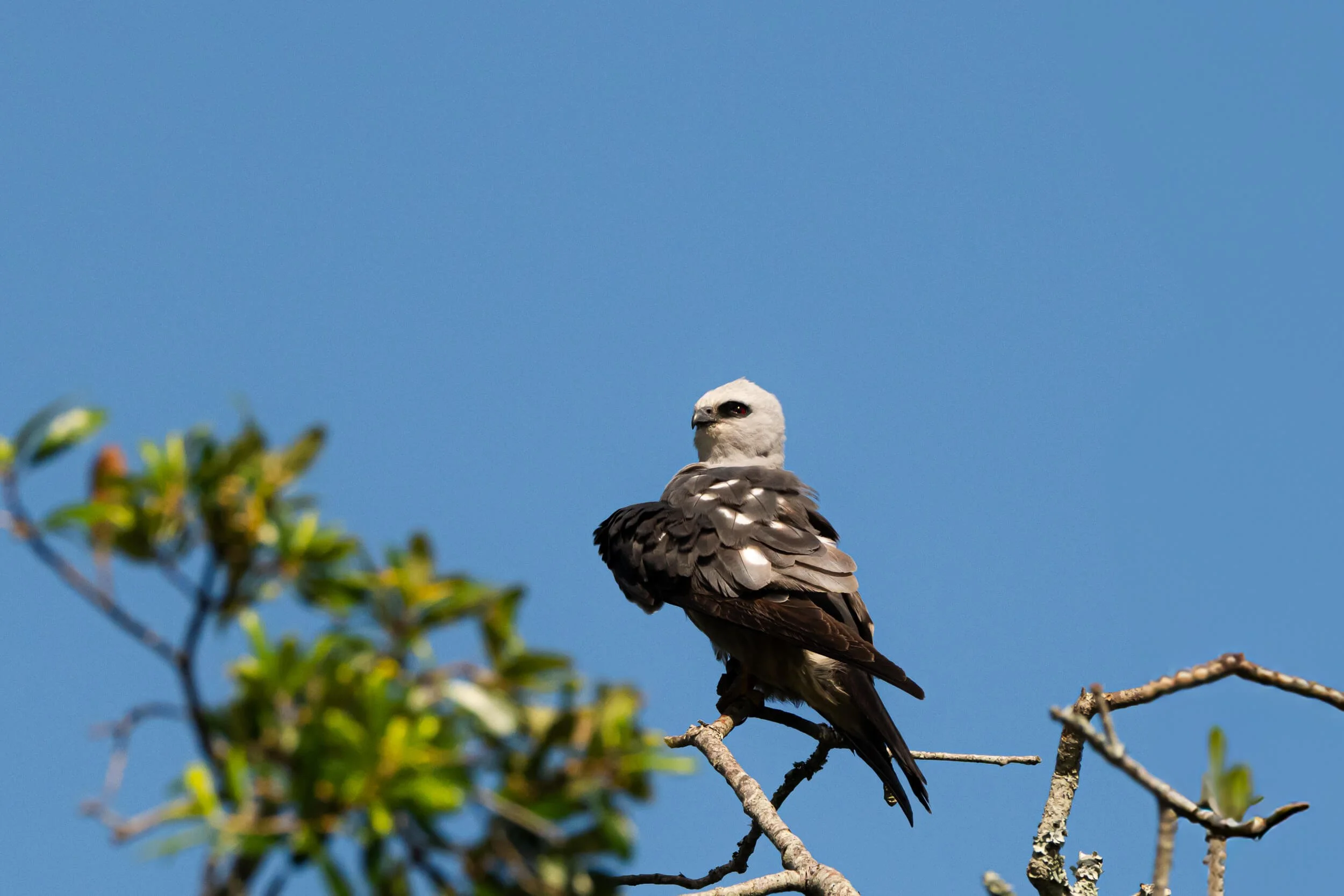
Thank you for taking the time to walk through my 2025 journey. Capturing these moments requires a lot of patience and even more luck, but it’s the quiet connection with nature that makes every hour in the field worth it. I hope these images bring a bit of the Lowcountry’s wild beauty into your day.
Read more about my love of nature and bird photography
Birding in the Lowcountry: How Bird Photography Became My Creative Outlet
This is where I share more local Lowcountry photos—follow along on Instagram