

Your Charleston
Trip Planning Guide to
Historic Streets, Gardens, Beaches,
and Beyond.
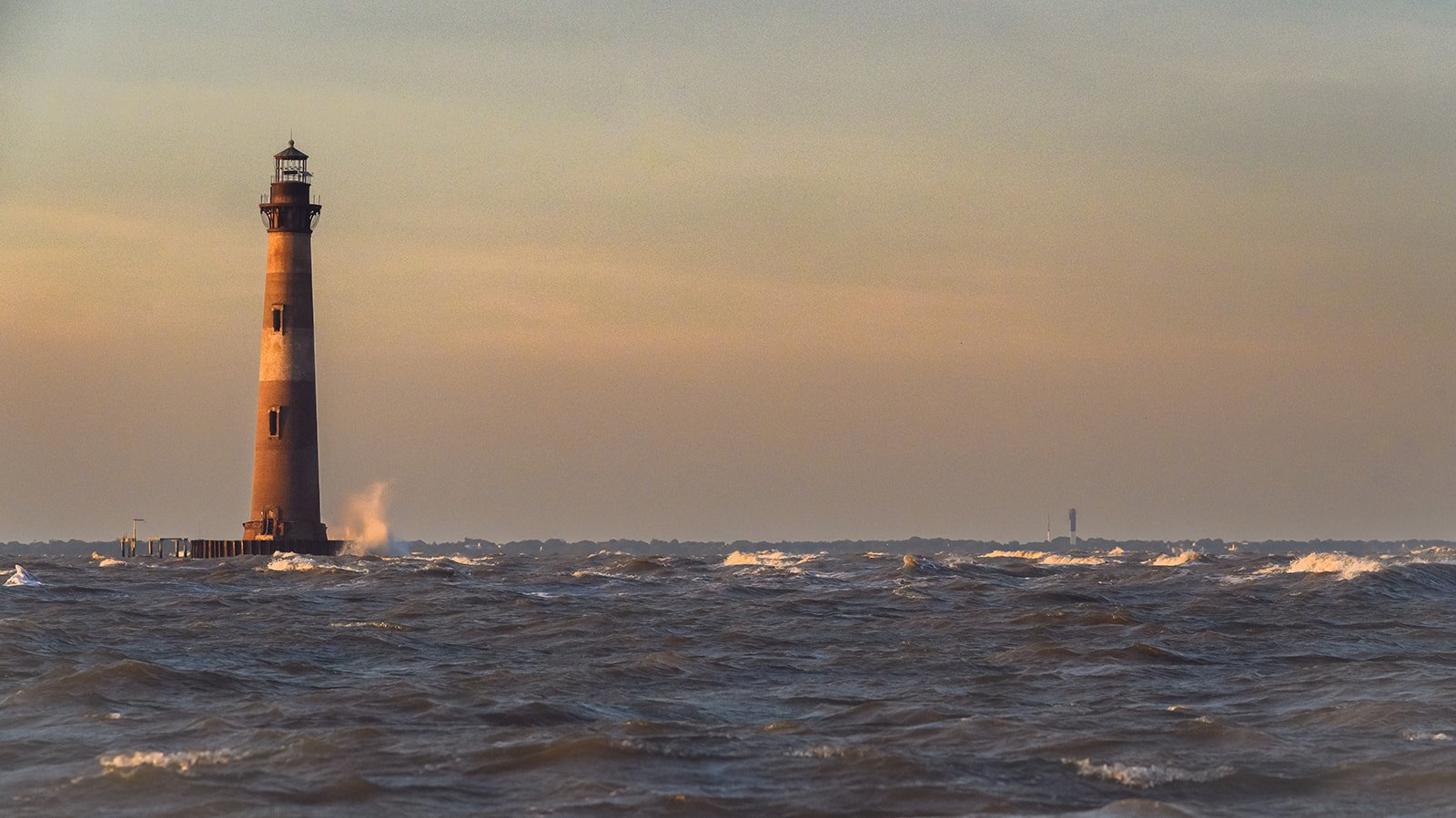
Lighthouse Inlet Heritage Preserve on Folly Beach with Sullivan’s Island Lighthouse in the distance.
Charleston Visitor Guide
Welcome to Your Charleston Planning Guide
This guide is here to help you explore Charleston and the surrounding Lowcountry as I’ve come to know and love it, a place where history, art, coastal beauty, and everyday life come together through every season. From Charleston’s cobblestone streets and historic neighborhoods to nearby beaches, marshes, gardens, and waterfront towns, there is always something beautiful to discover.
Framed by the Ashley and Cooper Rivers and shaped by the coast, the Lowcountry is best explored slowly. Each season brings its own charm, from spring azaleas and summer beach days to golden fall light and winter camellias.
Whether you are wandering downtown Charleston, dining along Shem Creek, or watching the sunset from the beach, this guide will help you experience the places I return to again and again.
How to Explore the Guide:
Sections 1-4 Historic Downtown Charleston
Sections 5-9 Beyond Downtown Charleston: beaches, golf, and outdoor activities.
Section 10 Local Area Restaurants
Final Sections Charleston Itineraries, Events & Local Tips
This guide is filled with ideas to help you plan your ideal Charleston and Lowcountry getaway at your own pace, along with local insights and interesting facts throughout. You’ll also find photographs I’ve taken over the past few years that capture the beauty, character, and atmosphere of Charleston.
Happy Planning!

Sunset at the Pitt Street Bridge in Mount Pleasant.
ONE: Museums, Culture, & Historic Gems
Museum Mile
Along Meeting Street, you'll discover Charleston's richest concentration of museums, historic homes, and cultural landmarks. The sites below are some of my favorite stops along Museum Mile. For a complete list of participating attractions and current ticket packages, visit the Museum Mile website.
Gibbes Museum of Art: 135 Meeting St. – Known for its extensive Southern art collection and an impressive collection of American art. On Wednesdays and Fridays at 1 PM, guests can join a public tour with one of the Museum Interpreters.
The Charleston Museum: 360 Meeting St. – America's first museum.
The Children's Museum of the Lowcountry: 25 Ann St. – Interactive exhibits perfect for kids.
The Old Slave Mart Museum: 6 Chalmers St. – Located on the site of a former slave auction gallery and dedicated to telling the history of Charleston's role in the domestic slave trade.
Old Exchange & Provost Dungeon: 122 East Bay St. – Built in 1771, this historic landmark served as a customs house, military headquarters, and Revolutionary War prison. Guided tours explore both the building and underground dungeon.
The Powder Magazine: 79 Cumberland St. – South Carolina's oldest public building.
Historic House Museums
Joseph Manigault House: 350 Meeting St. – An elegant Federal-style mansion.
Heyward-Washington House: 87 Church St. – A Georgian-style home where George Washington stayed during his Southern Tour.
Aiken-Rhett House: 48 Elizabeth St. – One of the most intact antebellum homes in the country.
Nathaniel Russell House: 51 Meeting St. – Famous for its free-flying spiral staircase and meticulously restored gardens.
Museum Mile is a wonderful place to begin, but it only scratches the surface of Charleston's story. Beyond its museums and historic homes, you'll find contemporary art, military history, remarkable architecture, beautiful campuses, and some of the city's most significant landmarks.
Arts & Culture
International African American Museum: 14 Wharfside St. – Interactive exhibits exploring African American history, culture, and genealogy.
Halsey Institute of Contemporary Art: 161 Calhoun St. – Contemporary exhibitions featuring regional, national, and international artists at the College of Charleston.
Dock Street Theatre: 135 Church St. – America's first theater, offering tours and performances.
Historic Charleston
Fort Sumter National Monument: Accessible by ferry from Liberty Square in downtown Charleston or Patriots Point in Mount Pleasant. Best known as the site where the first shots of the Civil War were fired in 1861.
Magnolia Cemetery: 70 Cunnington Ave. – Established in 1850, Magnolia Cemetery is one of Charleston's most beautiful historic landscapes, known for its Victorian monuments, towering live oaks, and exceptional birdwatching. The cemetery is the final resting place of Horace L. Hunley and the crew of the H.L. Hunley, the first successful combat submarine in history.
Architecture & Notable Landmarks
Charleston Custom House: 200 E Bay St. – Construction began in 1853 before the Civil War and was completed in 1879. Built to serve one of the nation's busiest ports, this grand Greek Revival landmark remains an active federal building today. Its massive granite columns, broad staircase, and impressive scale make it one of Charleston's most distinctive examples of 19th-century architecture. Children especially enjoy exploring the grand front steps.
College of Charleston: 66 George St. – A beautiful historic campus known for its live oaks, brick walkways, and classic Charleston architecture.
The Citadel: 171 Moultrie St. – South Carolina's military college, known for its distinctive architecture, Friday afternoon parades, and Summerall Chapel.
Family-Friendly Attractions
South Carolina Aquarium: 100 Aquarium Wharf – Home to sea turtles, river otters, and native South Carolina marine life.

St. Michael’s Church at 71 Broad St.
Historic Churches to Tour:
Charleston’s nickname, the Holy City highlights its nearly 20 historic churches, with prominent steeples adding to the city’s iconic skyline. Here are a few notable ones to tour:
St. Michael's Church: 71 Broad St. – Charleston's oldest church, offering guided tours and seasonal steeple climbs with views of the historic peninsula.
Cathedral of St. John the Baptist: 120 Broad St. – The mother church of the Roman Catholic Diocese of Charleston, known for its Gothic Revival architecture, soaring interior, and stunning stained-glass windows.
St. Philip's Church & Graveyard: 142 Church St. – One of Charleston's most recognizable churches, famous for its iconic steeple and historic graveyard in the heart of the French Quarter.
French Huguenot Church: 136 Church St. – America's only independent Huguenot church and one of Charleston's most distinctive Gothic Revival landmarks.
Circular Congregational Church: 150 Meeting St. – Known for its unique circular design, beautiful sanctuary, and one of Charleston's oldest historic graveyards.
click here for a comprehensive list of Charleston’s Historic places of worship including a few notable churches just outside of downtown Charleston.
Traveling Church Bells: Among the oldest church bells in America, the St. Michael’s Church bells were cast in London in 1764, they were installed in the church steeple that same year. Seized by British forces during the American Revolution, they were later returned. During the Civil War, they were hidden in Columbia, SC, but sustained damage. After repairs in England, the bells returned again. Each bell has its unique tone, and together they create a harmonious chime heard across the Charleston peninsula, connecting the city's present to its colonial and revolutionary roots.
click here for more interesting facts about Charleston.
General Guidelines for Time at Various Locations:
Museums: Allow 1.5 - 3 hours.
Museums Houses: Allow 1 - 1.5 hours.
Gardens and Parks: Allow 1 - 2 hours, longer if resting or planning a casual picnic.
Churches and smaller attractions: Allow 30-45 minutes.


Charleston City Market, a horse-drawn carriage tour, The Nathaniel Russell House Museum
TWO: Picture-Perfect Streets & Favorite Strolls in Historic Charleston
The French Quarter
The French Quarter, named for the French Huguenots who settled here in the late 17th century, is one of Charleston's oldest neighborhoods. Highlights include the French Huguenot Church, St. Philip's Church, Dock Street Theatre, art galleries, hidden courtyards, and some of the city's most iconic streets.
Chalmers Street – One of Charleston's most recognizable cobblestone streets, home to The Pink House (17 Chalmers St.), one of the city's oldest surviving buildings. Nearby Washington Park offers a shaded place to pause while exploring the French Quarter.
Church Street – Lined with historic churches, gardens, ironwork, and notable landmarks including Dock Street Theatre and St. Philip's Church.
Queen Street – Home to the Cathedral of St. John the Baptist, historic residences, hidden gardens, and the iconic intersection of Church and Queen Streets.
State Street – Connecting Broad Street to Charleston City Market, this walkable corridor is lined with historic buildings, galleries, restaurants, and easy access to many French Quarter landmarks.
Broad Street – Best explored from Meeting Street to East Bay Street, where churches, public buildings, and historic landmarks showcase more than three centuries of Charleston history.
First Friday ArtWalk – On the first Friday of each month, galleries throughout the French Quarter stay open late, allowing visitors to meet artists, explore exhibitions, and experience Charleston's thriving arts community.

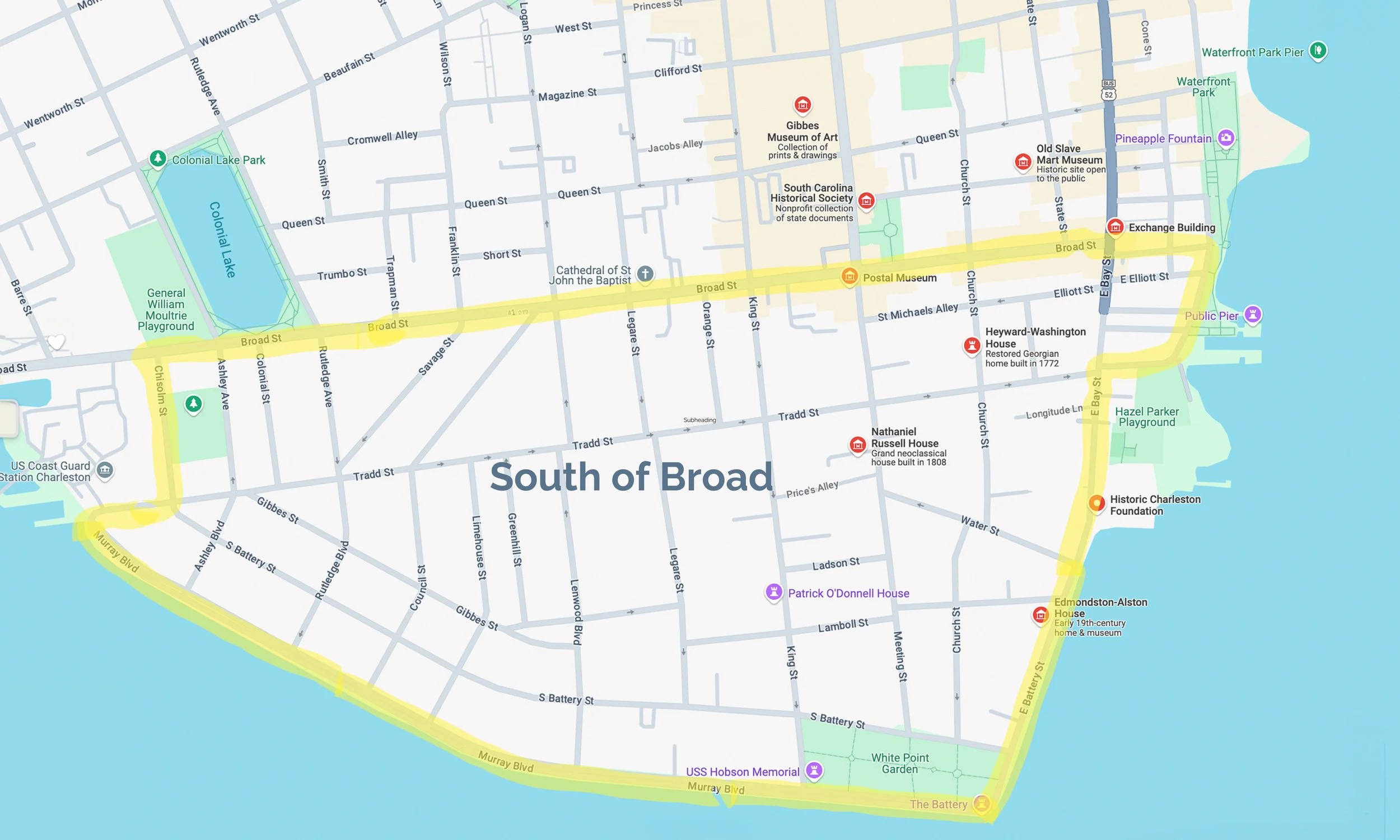
South of Broad (SOB)
Continuing south from the French Quarter, you'll enter South of Broad, Charleston's most prestigious historic neighborhood, where grand homes, waterfront views, and centuries of history come together.
Four Corners of Law – Located at the intersection of Broad and Meeting Streets, this famous crossroads brings together federal, state, local, and church institutions on four corners. It is one of Charleston's most photographed architectural landmarks and serves as the traditional gateway to South of Broad.
Rainbow Row: 79-107 E Bay St. – Charleston's most photographed landmark. Visit at sunrise or early morning for the best light. By the end of the Civil War, these homes had fallen into disrepair. Beginning in the 1930s, they were restored and painted in the pastel colors that have since become an icon of Charleston.
Tradd Street – One of Charleston's oldest streets, dating to the city's earliest years and lined with historic homes, gardens, gas lanterns, and classic Charleston architecture.
Legare Street – Home to some of Charleston's most elegant historic residences, shaded by towering live oaks and known for its beautifully preserved streetscape.
The Battery – At the southern edge of the peninsula, this historic waterfront promenade offers panoramic views of Charleston Harbor, Fort Sumter, and Sullivan's Island. Framed by grand historic homes, monuments, and centuries-old live oaks, it remains one of Charleston's most iconic walks.
Historical Note: On April 12, 1861, Charleston residents gathered along the Battery and in the grand homes overlooking the harbor to watch and listen as the first shots of the Civil War were fired at Fort Sumter.
White Point Garden – Located at the heart of The Battery, this waterfront park features historic cannons, monuments, shaded pathways, and sweeping harbor views.
Historic Houses to Tour
Edmondston-Alston House: 21 East Battery St. – Known for its harbor views, original furnishings, and role in Charleston's Civil War history.
Calhoun Mansion: 16 Meeting St. – Charleston's largest private residence, filled with ornate architectural details and lavish interiors.
Please remember that many of Charleston’s historic streets and landmarks are in residential neighborhoods. Be respectful of private property, residents, and posted guidelines while exploring and taking photos.


The Pink House built in 1712
The cobblestone streets were paved with ballast stones discarded by European ships before loading their cargo of cotton and rice, like Chalmers St. above.
click here for more interesting facts about Charleston.
Charleston's Hidden Gems
While Rainbow Row and The Battery attract most visitors, some of Charleston's most memorable places are found along narrow alleyways tucked between the historic streets of the French Quarter and South of Broad and are best explored on foot.
Philadelphia Alley – Located between Queen Street and Cumberland Street, this narrow brick and cobblestone passageway dates to the 1700s. The alley is best known for a famous 1778 duel between two Charleston physicians, earning it the nickname Duelers Alley. Originally known as Kinloch's Court, it was renamed Philadelphia Alley in 1811 in recognition of aid sent by the citizens of Philadelphia following Charleston's devastating fire of 1810.
Stoll's Alley – Dating to the colonial era, this narrow brick alley connects Church and East Bay Streets. As you walk toward East Bay Street, the alley gradually narrows until it reaches a width of only about five feet, flanked by a high brick wall on one side and a historic residence on the other.
Longitude Lane – Connecting East Bay and Church Streets near Rainbow Row, this cobblestone lane reflects Charleston's early urban design, when narrow passageways provided access between homes, gardens, carriage houses, and commercial properties.
Church & Water Street: The Hidden Creek & Leaning Posts – One of Charleston's most picturesque intersections, Church & Water Street is where the brick-paved section of Church Street widens and gently curves beneath towering live oaks on its way to White Point Garden. Beneath this beautiful streetscape lies a forgotten tidal creek. Until the 1790s, Water Street was an open waterway, and visitors would have crossed Church Street by wooden footbridge. Although the creek was filled and paved over more than two centuries ago, it still reveals itself during exceptionally high tides.
Look closely at the sidewalk in front of 39 Church Street, where four stone posts still lean dramatically from the pavement, a curious reminder of Charleston's ever-changing landscape.
THREE: Natural Beauty & Gardens
Hampton Park: 30 Mary Murray Dr. – At more than 60 acres, Hampton Park is the largest park on the Charleston peninsula. Designed by the Olmsted Brothers firm, founded by the sons of Frederick Law Olmsted, the landscape architect behind New York's Central Park, it features winding paths, seasonal blooms, and magnificent live oaks draped in Spanish moss. Many of the sprawling branches extend outward, touch the ground, and rise again, creating natural climbing structures that children love to explore. There is always something blooming throughout the year, and The Citadel is located just next door. Hampton Park is also one of my favorite locations for family portraits thanks to its beautiful natural light, open green spaces, and ever-changing seasonal color.
White Point Garden (The Battery): 2 Murray Blvd. – Located at the southern tip of the peninsula, this historic waterfront park is known for its Civil War-era cannons, monuments, harbor views, iconic gazebo, and centuries-old live oaks. Unlike many Lowcountry parks, you'll find very little Spanish moss here due to the harbor environment. In spring, the park's rookery comes alive as egrets, herons, and other wading birds nest high in the trees. On weekends, you may even happen upon a wedding beneath the oaks overlooking the harbor.
Charleston Waterfront Park: 1 Vendue Range – Located along the eastern edge of the French Quarter, this waterfront park features beautiful wrought-iron gates, a brick entrance just off East Bay Street, the iconic Pineapple Fountain, harbor swings, seasonal flower beds, fountains, and a long pier overlooking the Cooper River. The park offers views of the Ravenel Bridge, passing ships, and The Cooper, Charleston's newest luxury waterfront hotel, which opened in spring 2026. Following the waterfront south from the park is one of Charleston's most enjoyable walks, connecting the French Quarter to Rainbow Row, South of Broad, and eventually The Battery.
Washington Park: 80 Broad St. – Tucked behind City Hall, this shaded downtown park offers statues, benches beneath live oaks, and views of several historic buildings, including the nearby Four Corners of Law. It is a pleasant place to take a break while exploring the French Quarter.
Marion Square: 329 Meeting St. – Located in the heart of downtown Charleston, Marion Square serves as a gathering place for many of the city's largest events, including the Charleston Farmers Market, Spoleto Festival USA, and the Southeastern Wildlife Exposition (SEWE). Each spring, thousands of runners cross the finish line of the Cooper River Bridge Run here before celebrating throughout downtown Charleston. The square was once home to The Citadel's original campus. The historic pink Citadel building overlooking the park now operates as the Embassy Suites Charleston Historic District.


White Point Garden, Views of Charleston Harbor from the The Battery, Joe Riley Waterfront Park, evening run at The Battery
FOUR: Shopping
Charleston Place: 205 Meeting St. – A luxury shopping destination featuring high-end boutiques, fine jewelry, and specialty retailers. During the holiday season, the hotel is beautifully decorated and well worth a visit.
King Street
Lower King – Known for antique shops, art galleries, and historic storefronts, making it a favorite destination for collectors and design enthusiasts.
Middle King – Home to national retailers, local boutiques, home décor stores, and fashion shops.
Upper King – Charleston's dining and entertainment district, featuring restaurants, cocktail bars, bakeries, breweries, and independent shops.
Charleston City Market: 188 Meeting St. – One of Charleston's most visited attractions, known for sweetgrass baskets, local artwork, gifts, food vendors, and Gullah artisan traditions.
French Quarter Art District – Centered around Broad Street, State Street, Church Street, and neighboring side streets, the French Quarter is home to Charleston's largest concentration of art galleries. Visitors can browse everything from traditional Lowcountry landscapes and wildlife paintings to contemporary works, photography, sculpture, and handcrafted jewelry. The district is especially lively during the monthly First Friday ArtWalk.


Shops on King St. and the Charleston City Market

Interested in a fun-filled Charleston scavenger hunt, perfect for explorers of all ages!
Discover historic landmarks, unique architecture, and hidden gems that capture the city’s timeless charm. Enjoy the adventure as you uncover Charleston’s best-kept secrets!
FIVE: Lowcountry Favorites Beyond Downtown
While downtown Charleston is rich in history and architecture, some of the Lowcountry's most memorable experiences can be found just beyond the peninsula. From ancient oak trees and blackwater swamps to waterfront parks, maritime history, and local art, these destinations offer a different perspective on the Charleston area.
Nature & Gardens
Angel Oak Tree: 3688 Angel Oak Rd., Johns Island – One of the oldest living trees east of the Mississippi, the Angel Oak is estimated to be 400 to 500 years old. Its massive limbs stretch more than 180 feet in every direction, creating one of the Lowcountry's most remarkable natural landmarks.
Cypress Gardens: 3030 Cypress Gardens Rd., Moncks Corner – This 170-acre preserve is known for its blackwater swamps, scenic walking trails, butterfly house, and occasional alligator sightings. Visitors can explore the swamp by flat-bottom boat and experience one of the Lowcountry's most iconic landscapes. Cypress Gardens was featured in films including The Notebook.
Mepkin Abbey: 1098 Mepkin Abbey Rd., Moncks Corner – Nestled along the Cooper River, this active Trappist monastery offers peaceful gardens, walking paths, sculptures, and river views. Visitors come for quiet reflection, birdwatching, and one of the region's most serene settings.
Waterfront Parks & Views
Pitt Street Bridge: 976 Pitt St., Mount Pleasant – Once part of a trolley bridge connecting Mount Pleasant and Sullivan's Island, this waterfront park offers panoramic views of Charleston Harbor, the marshes, downtown Charleston, and Sullivan's Island. One of my personal favorite spots in the Charleston area, it's ideal for a sunrise or sunset walk, birdwatching, and coastal photography. Remnants of the original bridge can still be seen today.
Memorial Waterfront Park: 99 Harry M. Hallman Blvd., Mount Pleasant – Located beneath the Ravenel Bridge, this waterfront park features a fishing pier, playground, open green space, and the Sweetgrass Basket Pavilion. It offers some of the best up-close views of the bridge and Charleston Harbor and is especially beautiful after dark when the bridge is illuminated.
Shem Creek Park: Shrimp Boat Lane, Mount Pleasant – This waterfront boardwalk winds through the heart of Shem Creek, where shrimp boats, dolphins, kayakers, and waterfront restaurants create one of the area's most vibrant scenes. It's especially beautiful at sunset when the boats return to the docks and the marsh begins to glow.
Arthur Ravenel Jr. Bridge – Connecting Mount Pleasant and Charleston, this cable-stayed bridge was completed in 2005 and features Wonders' Way, a dedicated pedestrian and bicycle path stretching 2.5 miles each way. The steady climb rewards visitors with sweeping views of Charleston Harbor, downtown Charleston, and the surrounding waterways.
History & Maritime Attractions
Patriots Point Naval & Maritime Museum - 40 Patriots Point Rd., Mount Pleasant – Explore the USS Yorktown, a World War II aircraft carrier, along with historic naval vessels and exhibits highlighting American military and maritime history. Visitors can tour the ships and exhibits at their own pace, making it a favorite destination for families and history enthusiasts alike.
Arts & Culture
Perspective Gallery: 1055 Johnnie Dodds Blvd., Mount Pleasant – This contemporary gallery showcases original works by local and regional artists, offering visitors an opportunity to experience Charleston's vibrant arts community and support local creatives.
Sweetgrass Basket Stands: U.S. Highway 17, Mount Pleasant – One of the Lowcountry's most enduring artistic traditions, sweetgrass basket weaving traces its roots to West Africa and has been passed down through generations of Gullah artisans. Visitors can often watch basket makers at work and purchase authentic handmade baskets directly from the artists.
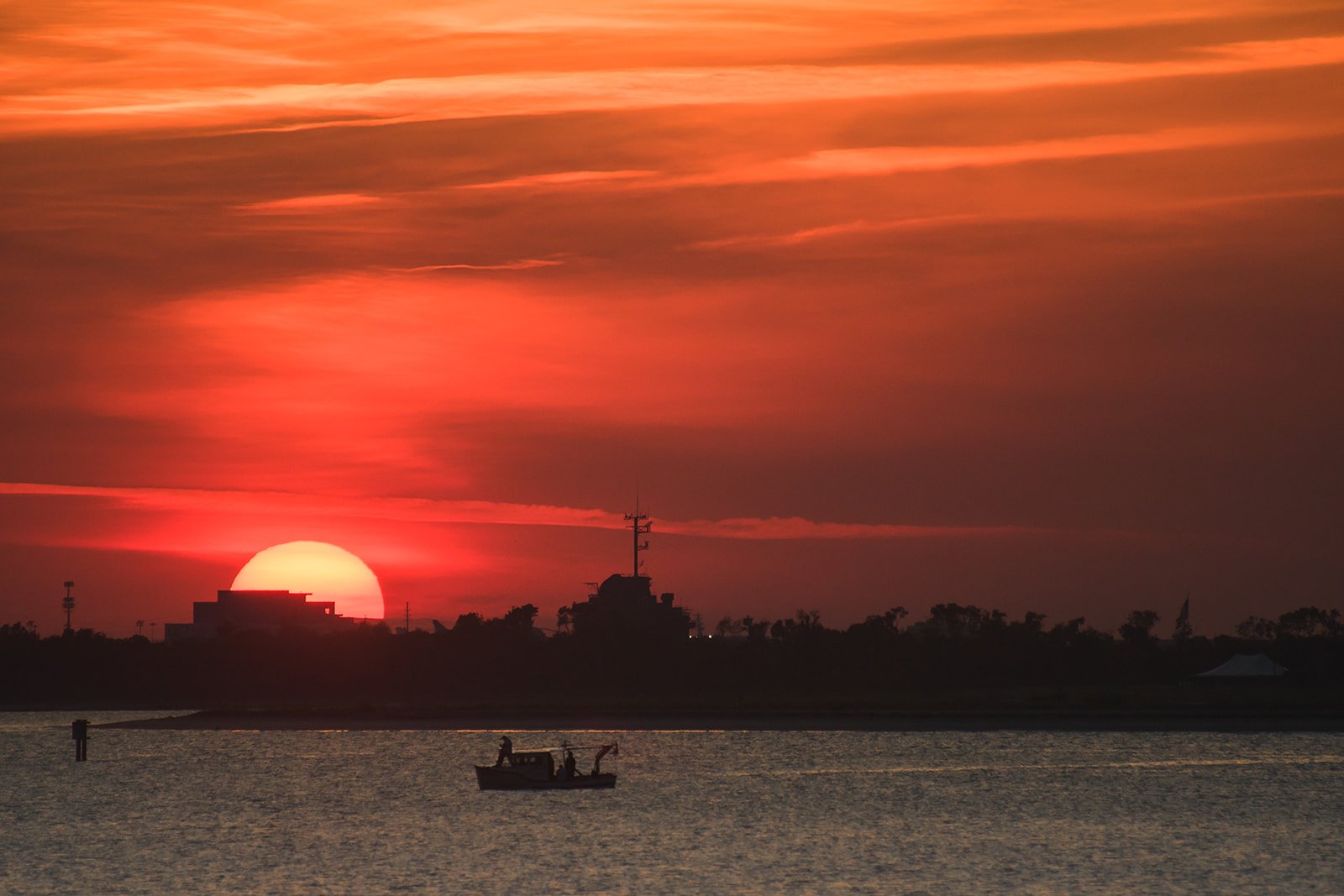
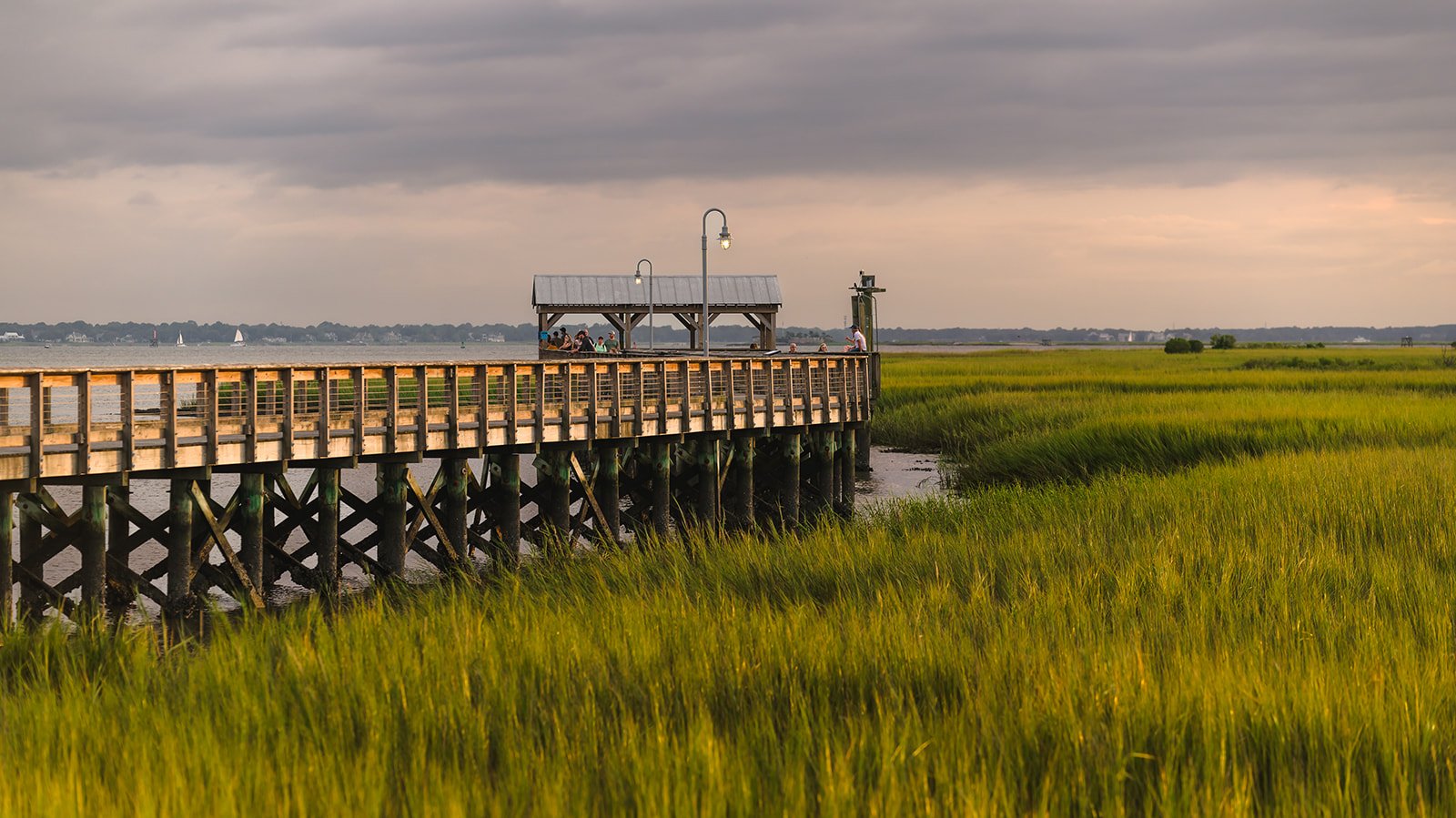
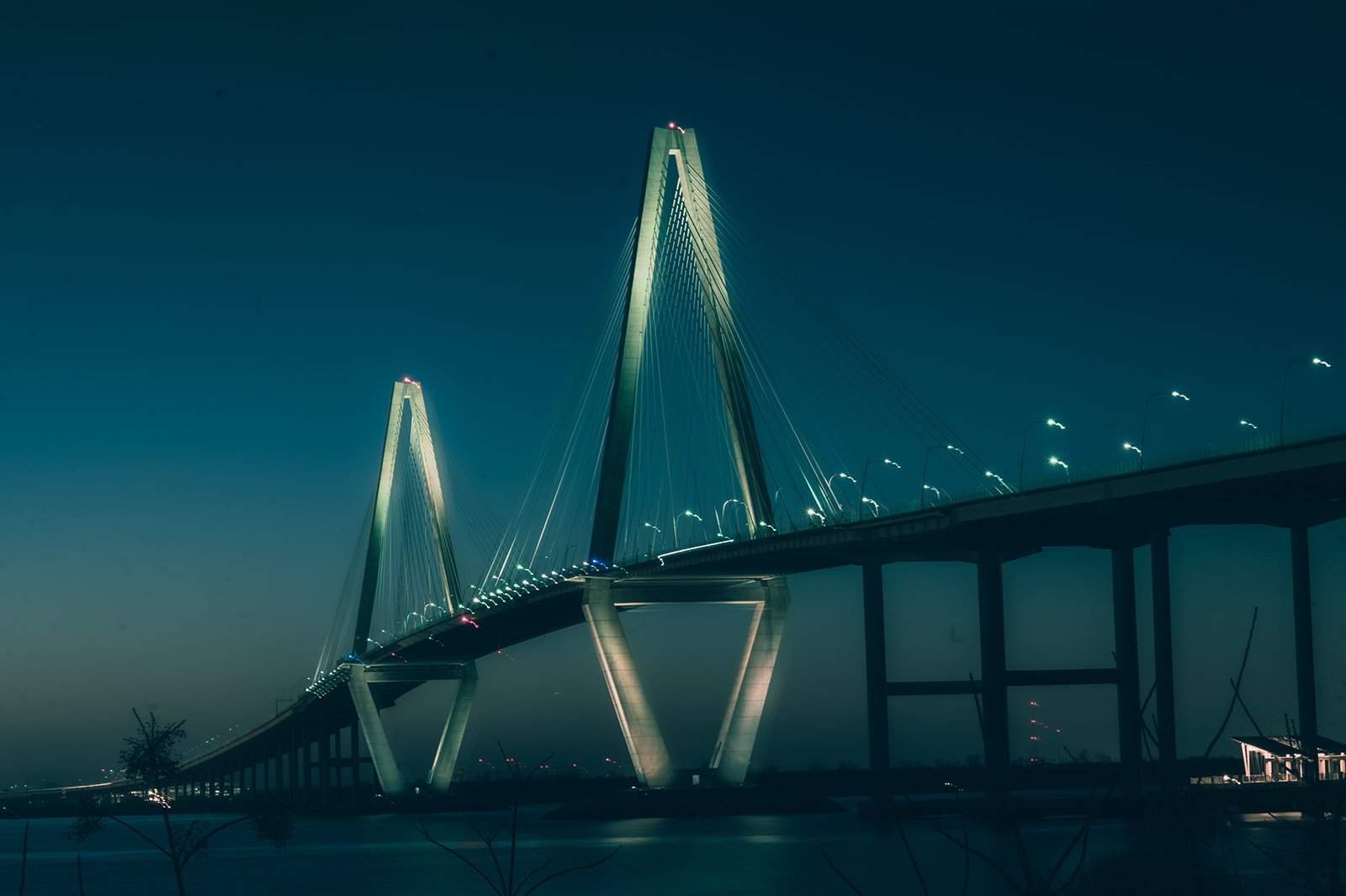
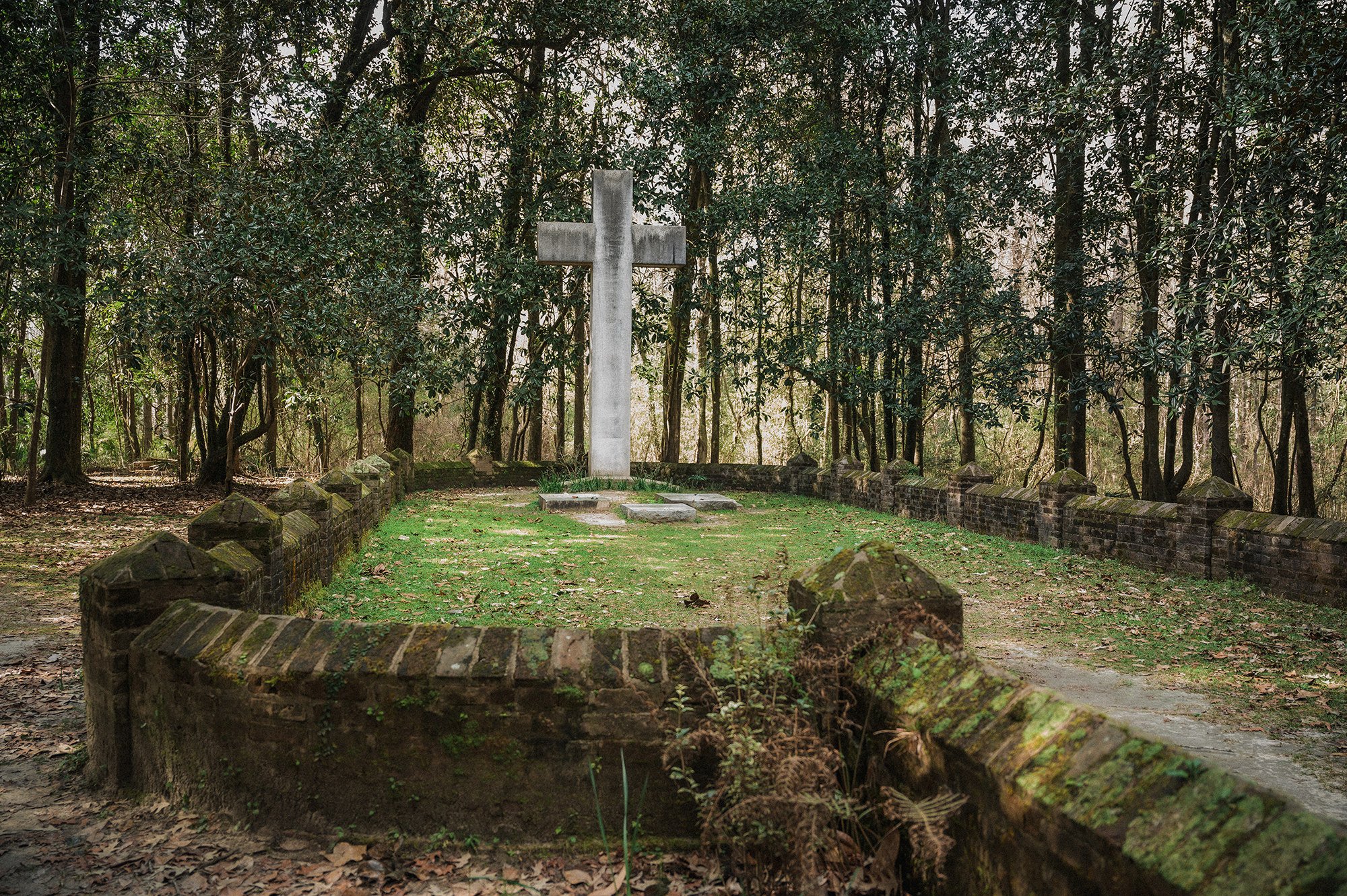
Sunset view at the Pitt St. Bridge, Shem Creek Boardwalk, View of Ravenel Bridge from Memorial Waterfront Park, Cypress Gardens founders gravesite
SIX: Beaches
Whether you're looking for a family beach day, a surf break, wildlife viewing, or a quiet sunset walk, each Charleston-area beach offers a different experience.
Family-Friendly: Isle of Palms – Wide beaches, convenient parking, and a gently sloping shoreline make Isle of Palms a favorite for families. Even at higher tides, there is often plenty of beach to spread out and play. If the main beach areas are crowded, continue farther down Palm Boulevard where additional street parking can often be found. Seasonal lifeguards are stationed at Isle of Palms County Park during the summer months, while most public beach access points along Palm Boulevard are unguarded.
Laid-Back Beach: Sullivan's Island – Known for its relaxed atmosphere, Sullivan's Island offers a quieter beach experience with a wide shoreline, historic setting, and excellent nearby restaurants. Parking is more limited than at Isle of Palms, which helps keep the beach feeling less crowded. Visitors should note that Sullivan's Island does not have lifeguarded public beaches.
Public Beach Park: Kiawah Beachwalker Park – Located on the west end of Kiawah Island, Beachwalker Park is the only public beach access on Kiawah. The park offers seasonal lifeguards, boardwalks, restrooms, changing areas, and scenic views of the Kiawah River and Atlantic Ocean. Advance parking reservations are often required during peak season.
Surf Spot: Folly Beach – Charleston's surf town offers a laid-back atmosphere, surf lessons, fishing, and a lively beach community. The Washout, located on the northeastern end of Folly Beach, is the area's most well-known surf break and attracts surfers of all skill levels thanks to its consistent waves. Seasonal lifeguards are stationed in designated swimming areas near the Folly Beach Fishing Pier and Folly Beach County Park.
Adventure: Morris Island – Accessible only by boat, this undeveloped barrier island is a favorite for shelling, wildlife viewing, and photography. Visitors are rewarded with beautiful views of the historic Morris Island Lighthouse and a sense of isolation rarely found elsewhere along the Charleston coast.
Nature & Photography: Lighthouse Inlet Heritage Preserve – Located at the northeastern end of Folly Beach, this scenic preserve offers some of the best views of the Morris Island Lighthouse. The area is known for its striking "boneyard beach," where weathered trees and driftwood create a dramatic coastal landscape unlike anywhere else in the Lowcountry. It's a favorite destination for photographers, birdwatchers, and nature lovers.
SEVEN: Water Adventures
Everything Zen Sailing Charters: Charleston Harbor Marina – Experience Charleston Harbor aboard a catamaran with a maximum of six guests. This relaxing sailing excursion offers harbor views, coastal wildlife, and a peaceful way to experience Charleston from the water.
Coastal Expeditions: Mount Pleasant – One of the Lowcountry's premier ecotourism operators, offering guided kayaking tours, boat excursions, and outdoor adventures throughout the region. Popular trips explore Cape Romain National Wildlife Refuge, Bulls Island, barrier islands, salt marshes, and wildlife habitats, providing opportunities to see dolphins, shorebirds, and some of the area's most pristine coastal landscapes.


Everything Zen charter, morning bike ride at Sullivan’s Island,scenic nature path to the shore, sunrise fishing and a beautiful beach day.
EIGHT: Plantations & Gardens
Magnolia Plantation & Gardens: 3550 Ashley River Rd. – Founded in 1676, Magnolia is one of the oldest plantations in the South and is known for its historic gardens, wildlife, and scenic Swamp Garden. Don't miss the Slavery to Freedom Tour, which provides important insight into the lives of the enslaved people who lived and worked on the property. Personal Note: As a photographer and bird enthusiast, it's one of my favorite places in the Charleston area to explore thanks to its abundant wildlife, wading birds, and beautiful natural landscapes.
Middleton Place: 4300 Ashley River Rd. – Home to America's oldest landscaped gardens, Middleton Place features formal terraces, stable yards, demonstrations by skilled artisans, and beautiful views of the Ashley River. The property also offers an excellent restaurant and seasonal events throughout the year.
Boone Hall Plantation & Gardens: 1235 Long Point Rd., Mount Pleasant – Famous for its iconic Avenue of Oaks, Boone Hall remains a working farm and hosts seasonal events throughout the year, including the popular Strawberry Festival. The property has appeared in several films, including The Notebook, and also features a butterfly pavilion and educational tours.
McLeod Plantation Historic Site: 325 Country Club Dr. – Focused on the history of enslaved people, Sea Island cotton, and the Gullah Geechee community, McLeod offers thoughtful guided tours that provide a deeper understanding of the Lowcountry's complex history.
Allow for a half to full day for these visits.
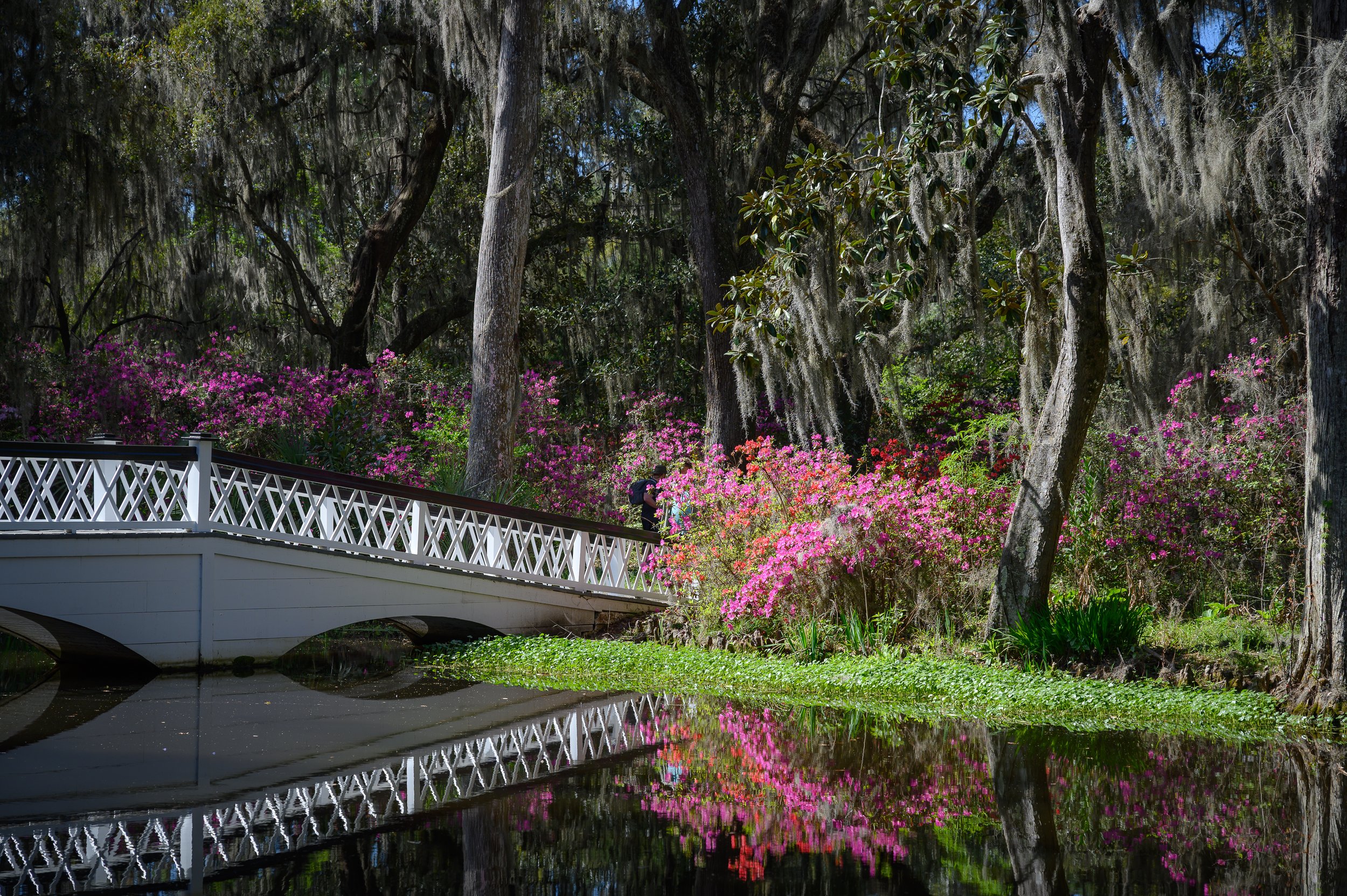
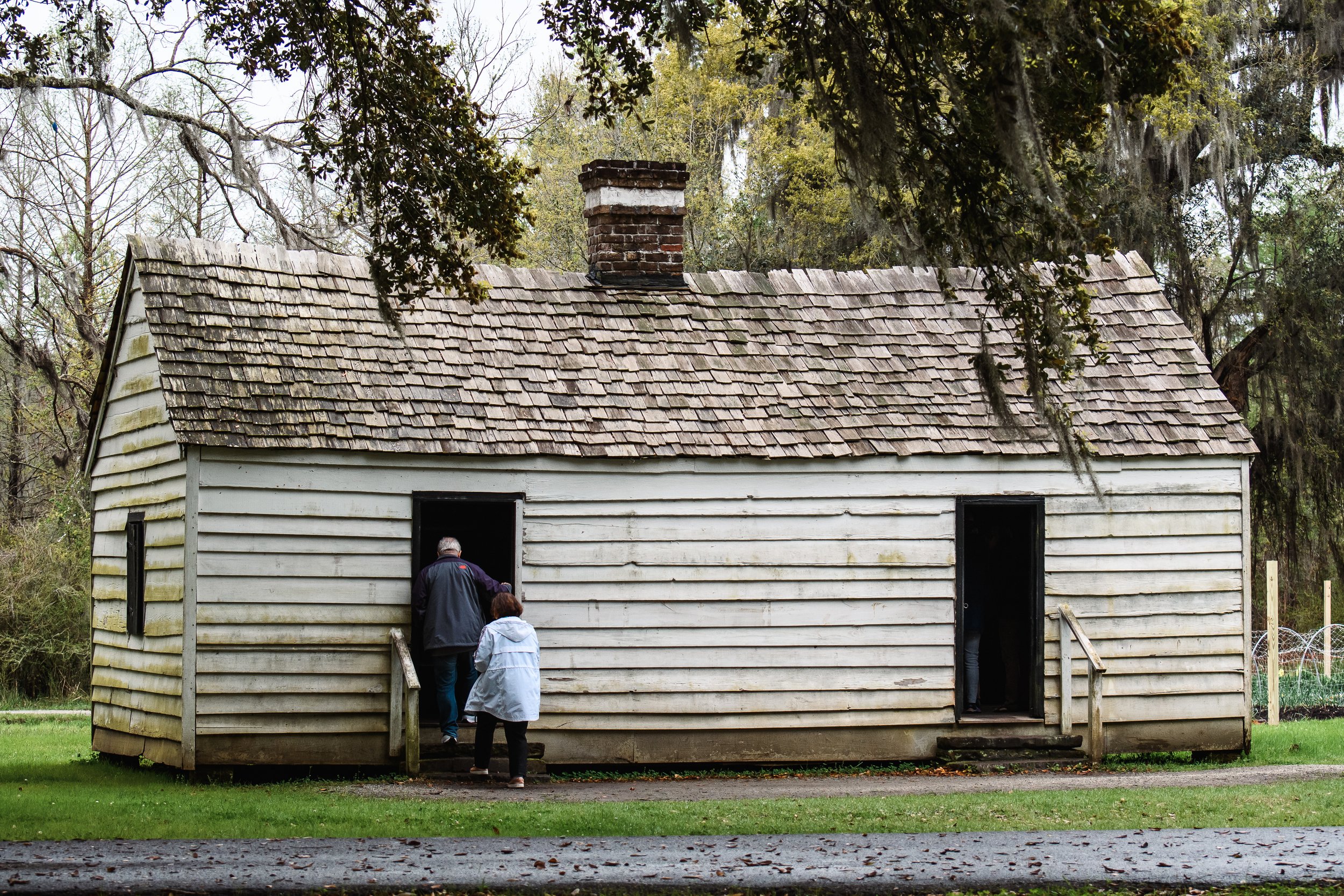
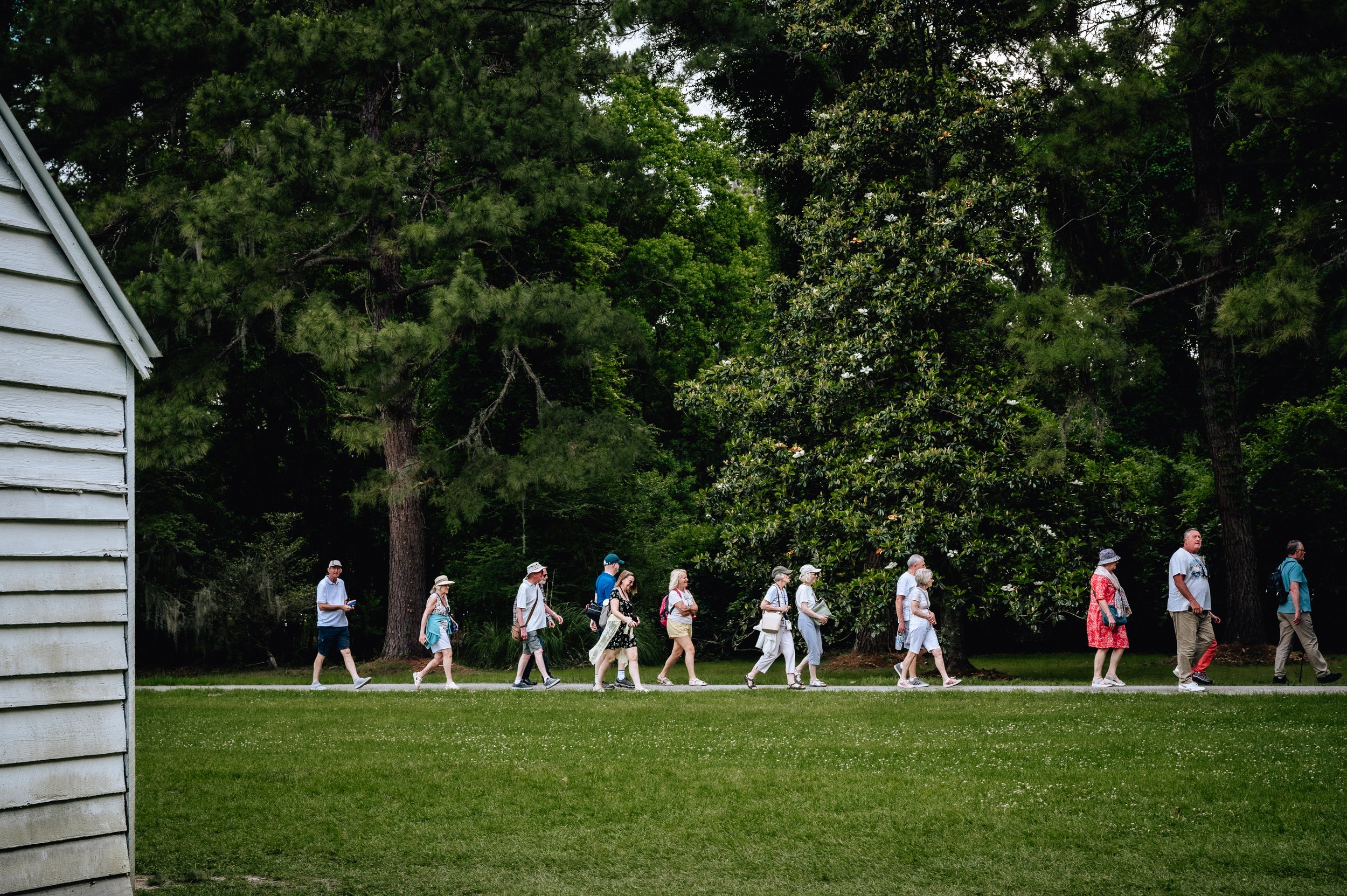
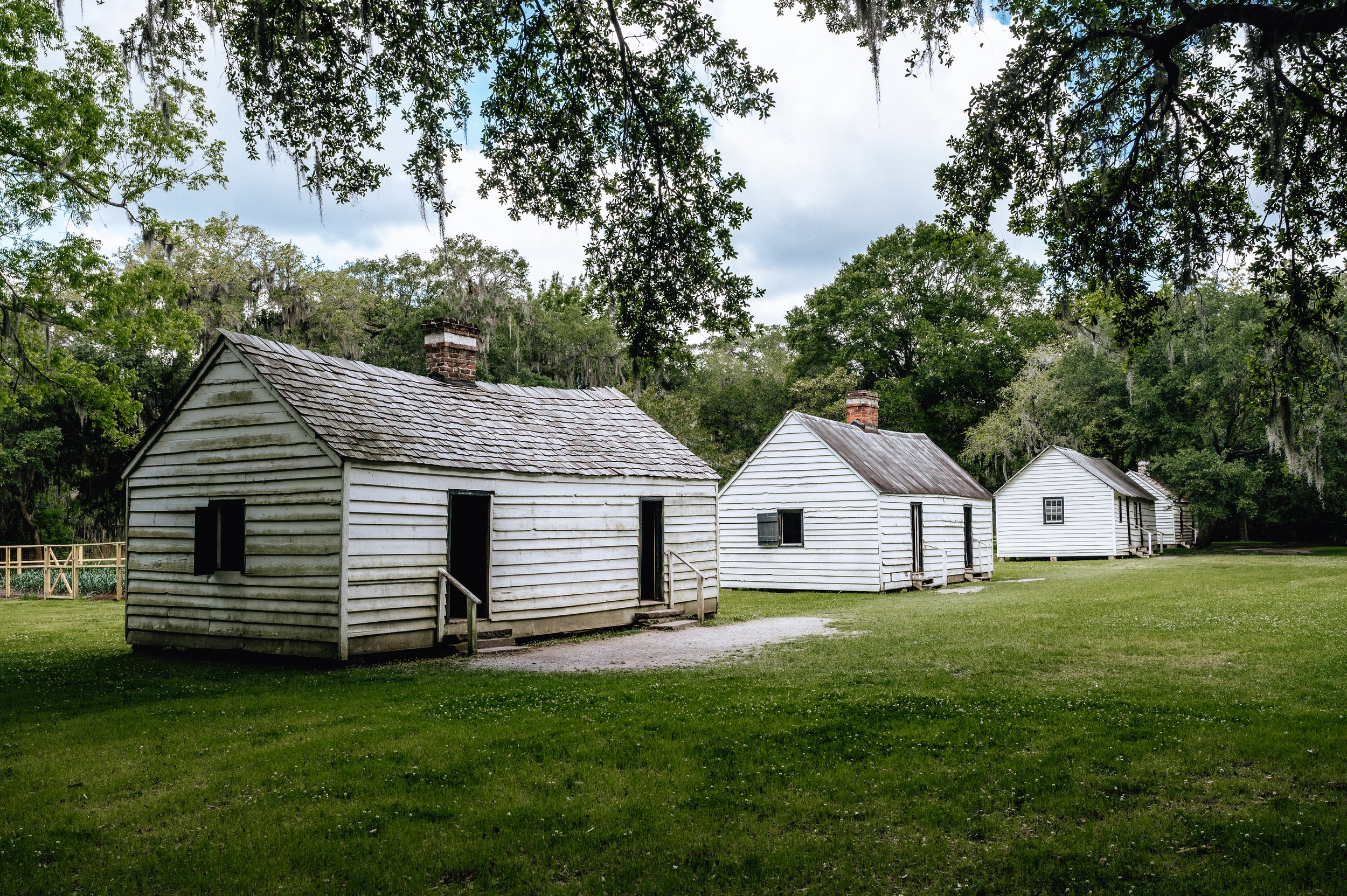
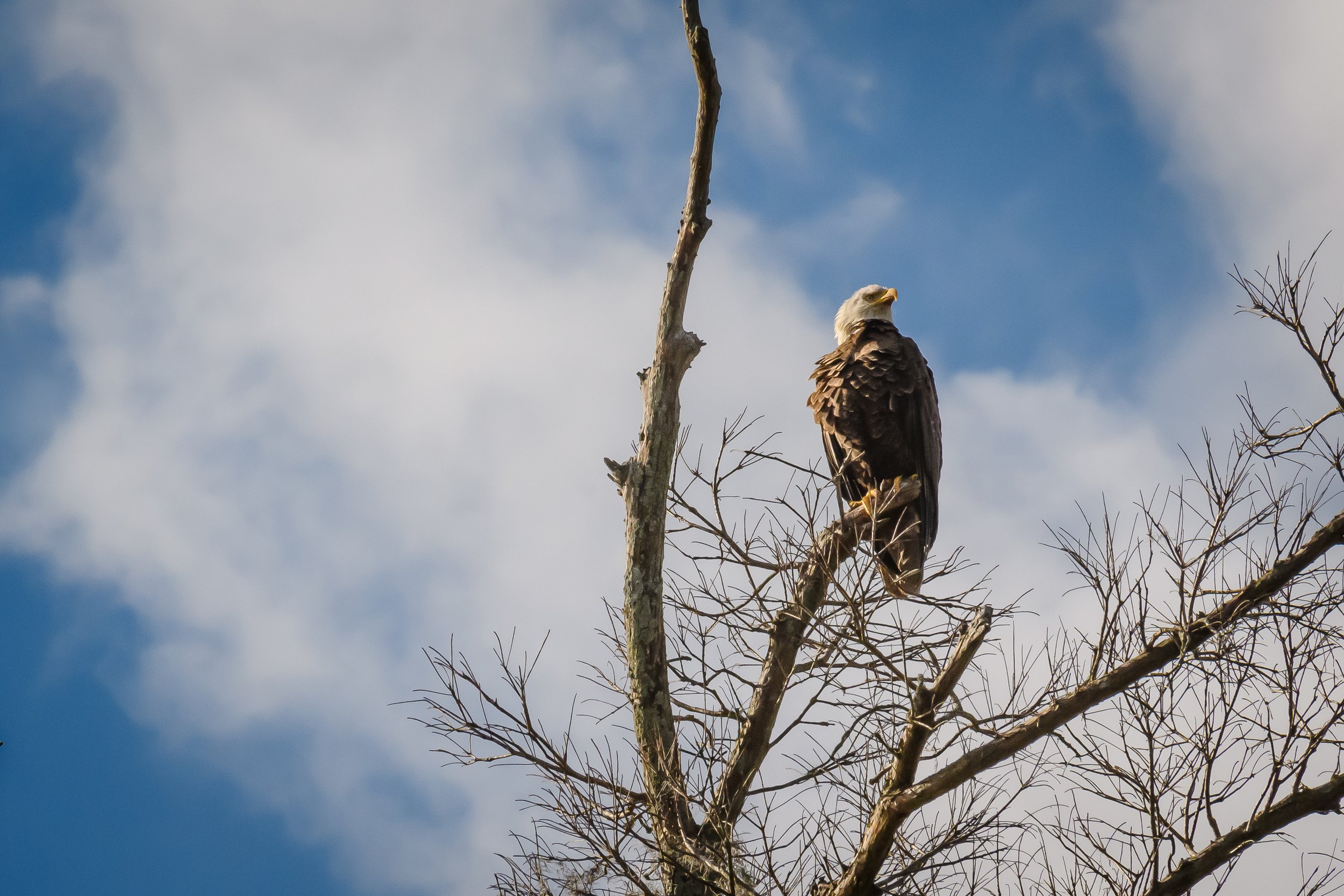
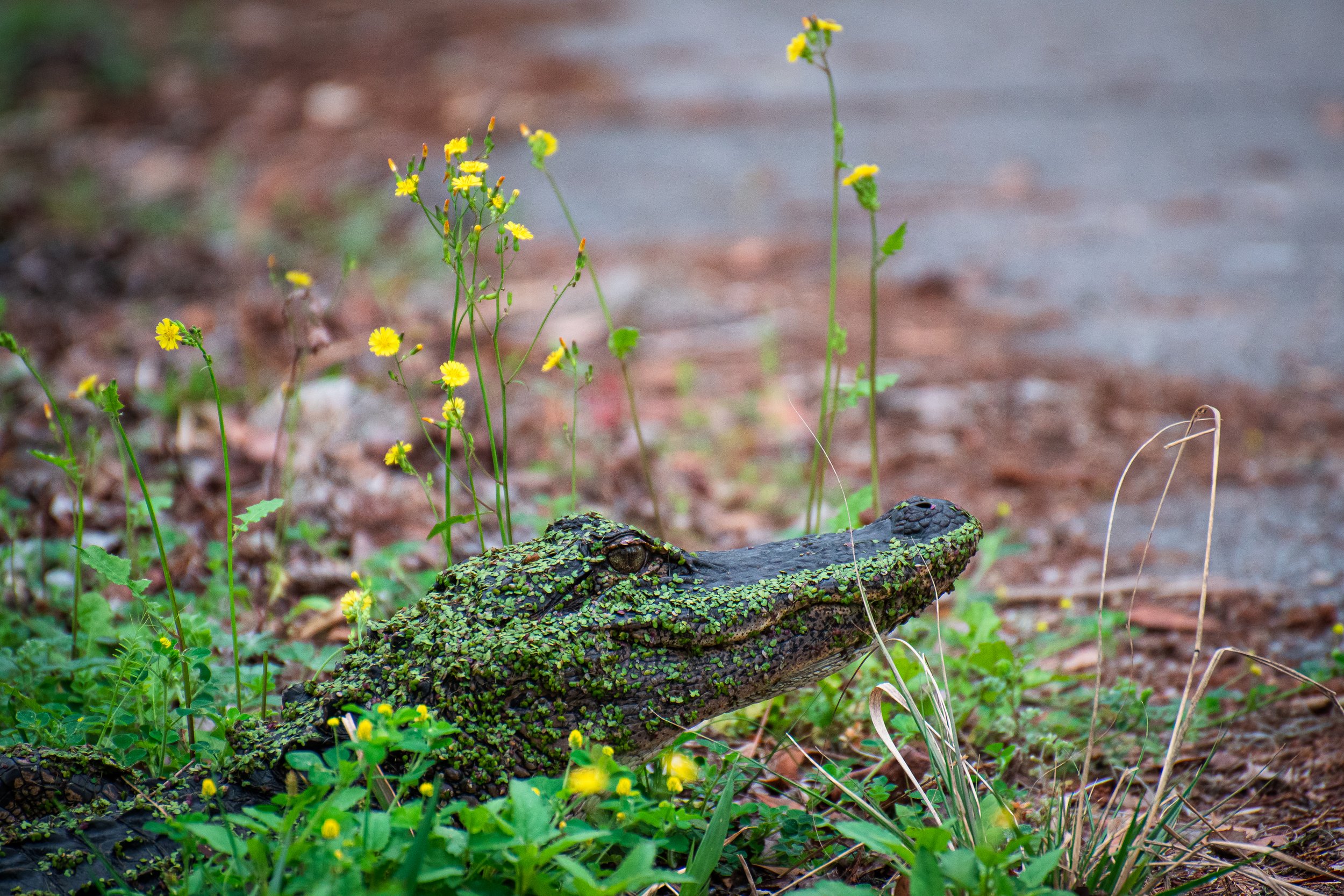
Magnolia Plantation and Gardens (pictures above), dates back to 1676, is one of the oldest plantations in the South and one of my favorite places to visit. Its gardens, have been open to the public since 1870, are America’s oldest and were designed to bloom year-round. Magnolia’s history reflects Charleston’s deep agricultural roots and honors the influence of the enslaved Africans who shaped its iconic landscape. With abundant wildlife and educational tours, it’s a place where history and nature truly come alive.
click here for more interesting facts about Charleston.
NINE: Charleston Area Golf Courses
Harbor Views: Patriots Point Links: 1 Patriots Point Rd., Mount Pleasant
One of the few harbor-front golf courses in the country, offering spectacular views of Charleston Harbor, the Ravenel Bridge, and downtown Charleston.Local Favorite: Charleston Municipal Golf Course: 2110 Maybank Hwy.
Known locally as "The Muni," this recently renovated public course is a favorite for its marsh views, centuries-old live oaks, and approachable layout.Riverfront Golf: The Links at Stono Ferry: 4812 Stono Links Dr., Hollywood
Play alongside Revolutionary War history while enjoying scenic views of the Stono River and surrounding marshes.Championship Golf: The Ocean Course: 1 Sanctuary Beach Dr., Kiawah Island
Designed by Pete Dye, this world-renowned course has hosted the Ryder Cup and multiple PGA Championships. With more oceanfront holes than any other course in the Northern Hemisphere, it is one of the premier public golf experiences in the country.Resort Golf: Wild Dunes Resort: 5757 Palm Blvd., Isle of Palms
Home to the Harbor Course and Links Course, two Tom Fazio-designed layouts that showcase the natural beauty of the South Carolina coast.Marshland Golf: Charleston National: 1360 National Dr., Mount Pleasant
Designed by Rees Jones, this course winds through marshes, lagoons, and native Lowcountry landscapes while remaining conveniently located near downtown Charleston.Wando River Views: RiverTowne Country Club: 1700 RiverTowne Country Club Dr., Mount Pleasant
An Arnold Palmer Signature Course offering dramatic views of the Wando River, tidal marshes, and surrounding wetlands.
Golf Tip: Tee times at many Charleston-area courses fill quickly, particularly during the spring and fall. Book in advance whenever possible.

TEN: Dining
Charleston is known for its exceptional food scene, where Lowcountry traditions meet fresh, locally sourced ingredients. Many of the city's chefs work closely with local farmers, fishermen, and producers to showcase ingredients such as Carolina Gold rice, seasonal seafood, and regional produce.
Whether you're looking for a cozy café, a casual lunch spot, a memorable dinner, or a rooftop bar with harbor views, Charleston offers options for every taste and budget.
This guide includes more than 70 restaurant recommendations throughout downtown Charleston and the surrounding Lowcountry. Each listing includes an address, phone number, and a brief description to help you plan your visit.
Ready to explore Charleston's dining scene?
Click here for the full list of Charleston-area restaurants and start planning your next meal.
A Perfectly Planned Day in Charleston

Saltwater Cowboys on Shem Creek
-
8:00-9:00 AM: Breakfast at Harken Café
Start your day at this charming local café
Fresh pastries and excellent coffee
Beautiful historic building setting
Friendly local atmosphere
9:00-10:00 AM: Rainbow Row & The Battery
Enjoy a peaceful morning stroll
Perfect time to see the famous colorful houses
Less crowded for photos
Watch dolphins playing in the harbor
Beautiful gardens at the Battery mansions
-
10:00-11:15 AM: Historic Charleston Walking
Explore Church Street's historic churches
Discover hidden gardens and alleys
Visit St. Philip's Church
Wander down charming Philadelphia Alley
Stop for refreshments at a local café
11:15 AM-12:30 PM: Shopping on King Street
Browse antique shops on Lower King
Visit high-end boutiques
Local artisan galleries
Historic architecture viewing
-
2:30-2:00 PM: Charleston City Market & Lunch
Watch sweetgrass basket weaving
Shop for local crafts and souvenirs
Enjoy lunch at one of many nearby restaurants
Try some traditional Southern cuisine
2:00-5:00 PM: Choose Your Adventure
Option 1: History FocusTour the Nathaniel Russell House
Visit the Old Slave Mart Museum
Explore the Aiken-Rhett House
Option 2: Art & Culture Focus
Visit the Gibbes Museum of Art
Browse art galleries on Broad Street
Stop by the Historic Charleston Foundation
Option 3: Garden & Nature Focus
Visit Hampton Park
Explore Waterfront Park
Relax on the swinging benches
Watch boats in the harbor
-
5:00-6:30 PM: South of Broad
Stroll the quieter streets
See stunning historic homes
Visit White Point Garden
Perfect time for family photos
6:30-9:00 PM: Dinner & Evening Entertainment
Option 1: Shem CreekWatch shrimp boats return
Waterfront dining
Fresh seafood
Possible dolphin sightings
Option 2: Downtown Charleston
Rooftop bar for sunset
Fine dining on East Bay Street
Evening carriage tour
Option 3: Mount Pleasant
Dinner with bridge views
Walk on the Ravenel Bridge
Ice cream at local shops
-
Wear comfortable walking shoes
Bring a water bottle
Carry a light jacket (restaurants can be chilly)
Take breaks in shaded areas
-
Morning tends to be cooler and less humid
Afternoon showers are common in summer
Evening temperatures are usually pleasant
Duck into shops or cafes if you need a break from heat/rain
Remember: This is just a suggested itinerary - feel free to adjust it to your interests and pace. Charleston is best enjoyed slowly, so don't feel pressured to see everything in one day!
Continue planning your perfect Charleston day with more local ideas from Charleston City Market.
Year Round & Seasonal Events

-
On the second Sunday of each month from 12-5pm, King Street becomes pedestrian-only for a relaxed shopping and dining experience in Charleston's premier district.
-
On the first Friday of each month, around 40 Charleston galleries welcome visitors from 5-8 PM, offering complimentary refreshments, a chance to view artwork, and the opportunity to meet local artists.
-
Festival of Houses and Gardens
Charleston Wine + Food Festival
Spoleto Festival
Riverdogs Minor League Baseball
Credit One Charleston Open
-
Sunset on the Harbor Concert Series
Fourth of July Fireworks at Patriots Point
-
MOJA Arts Festival
Charleston Restaurant Week
Charleston Race Week
Charleston Battery Soccer
-
Southeastern Wildlife Exposition
Holiday Festival of Lights

Rainy Day Alternatives
-
The Gibbes Museum of Art
Perfect for art lovers
Wednesday and Friday 1 PM tours offer excellent learning opportunities
Beautiful gift shop for unique souvenirs
The Charleston Museum
America's first museum
Extensive Lowcountry history exhibits
Textile gallery features historic clothing and fabrics
South Carolina Aquarium
Great for families
Touch tank experiences
Sea turtle rehabilitation center
Floor-to-ceiling ocean tank views
The Charleston Library Society
One of the oldest libraries in the US
Beautiful reading rooms
Regular literary events
Historic architecture
-
Great for families
Touch tank experiences
Sea turtle rehabilitation center
Floor-to-ceiling ocean tank views
-
The Nathaniel Russell House
Famous for its free-flying spiral staircase
Recently restored to original 1808 appearance
Interior photography allowed in certain areas
The Aiken-Rhett House
Most intact antebellum complex
Audio tour available
Preserved in its original condition
Urban slave quarters tours
The Calhoun Mansion
Charleston's largest private residence
35 rooms of Victorian-era decorative arts
Beautiful even on rainy days
-
Charleston Place
Luxury shopping
Beautiful interior architecture
Multiple dining options
Connected walkways to avoid rain
The Historic Charleston City Market
Four blocks of indoor shopping
Local artisans and craftspeople
Famous sweetgrass basket weavers
Climate controlled Great Hall
-
Dock Street Theatre
America's first theater
Regular performances
Historical tours available
Beautiful interior architecture
The Gaillard Center
World-class performing arts center
Regular concerts and show
-
Harken Café
Perfect for watching the rain while enjoying coffee
Historic building interior
Fresh baked goods
Weather Through the Seasons
-
Average temperatures: 42-62°F (6-17°C)
Rainfall: 3-3.5 inches per month
Sunshine: 6-7 hours daily
Humidity: 65-75% Special note: While winters are mild, occasional cold snaps can occur. December and January are the coolest months, but snow is extremely rare.
-
Average temperatures: 55-80°F (13-27°C)
Rainfall: 2.5-3 inches per month
Sunshine: 8-9 hours daily
Humidity: 70-80% Special note: March winds can be strong, but April and May offer perfect weather for outdoor photography. Azaleas typically bloom in March-April.
-
Average temperatures: 72-90°F (22-32°C)
Rainfall: 6-7 inches per month
Sunshine: 9-10 hours daily
Humidity: 75-85% Special note: Afternoon thunderstorms are common but typically brief. Morning sessions recommended to avoid heat and afternoon showers.
-
Average temperatures: 60-82°F (16-28°C)
Rainfall: 3-4 inches per month
Sunshine: 7-8 hours daily
Humidity: 70-80% Special note: Hurricane season peaks in September, but October and November offer ideal conditions with lower humidity and beautiful golden light. text goes here

Practical Tips
-
Free Street Parking: Sundays and after 6 PM downtown (there are over 1, 600 metered spots).
Garages
There are 12 city owned parking garages and additional privately owned parking garages and lots.
Clean restroom locations:
Charleston Visitors Center (free maps)
Charleston Place Hotel
Mills House Hotel
Hotel Bennett
Plan around bridge traffic (7:30-9:30 AM, 4:00-6:30 PM)
Wear comfortable shoes when exploring Charleston’s cobblestone streets, as the roads and sidewalks are old and uneven. Be careful while walking to avoid tripping or discomfort.
-
When parking on the side of the road, be sure your car is completely inside the lines to avoid a ticket.
Check specific beach parking rules, as they vary.
Know the dog regulations, which can differ by beach and season.
Research the available beach facilities and lifeguard status before heading out.
Be mindful of sea turtle nesting from May to October, and take care not to disturb any nests.
It can be windy, so make sure to secure your umbrella to prevent it from flying away.
-
Bring a light jacket for air-conditioning
Monitor weather radar apps - showers pass quickly
Plan indoor alternatives for summer afternoons
Know hurricane season protocols (June-November)
Account for humidity on walking tours
Check carriage tour weather policies
Carry water in summer
-
Book excursions 2-3 weeks in advance
Local Tours: Book tours (walking, boat, or carriage) early in the day during peak seasons to avoid sold-out situations. Some tours also offer online reservations with discounts.
Research plantation history before visiting
Don't overpack your schedule
Have rainy day backup plans
Allow extra time between activities
Pack Bug Spray: Particularly in the summer and near the marshy areas, bring bug spray to ward off mosquitos.
Sunscreen and Hats: Even if it’s cloudy, the Lowcountry sun can be strong, so sunscreen and hats are recommended for outdoor activities.
Portable Charger: Charleston's streets and waterfronts make for long walking days; carry a portable phone charger to keep your devices powered for maps and photos.
Local Event Calendar: Check Charleston’s event calendar before your visit to plan around festivals, art shows, or seasonal events, which can add special activities to your itinerary. charlestoncvb.com/events/
-
Address others as "sir" or "ma'am".
"Yes, please" and "no, thank you" are expected.
Embrace the "Charleston stroll" - we walk at a slower pace.
Note: "Bless your heart isn't always a compliment!
Leave Spanish moss and flowers untouched
Keep voices down in residential areas
Cemeteries - no sitting on walls or photo props
Not all historic homes are open for tours
Understand sweetgrass basket artistry and pricing
-
Best time for Rainbow Row: 7-9 AM
Prime sunrise/sunset locations:
The Battery
Ravenel Bridge
Pitt Street Bridge
Post-rain shots offer stunning reflections
Ask permission inside businesses
Give wedding parties priority
Don't use private porches/steps
Capture the small details
-
Book dinner reservations 2-3 weeks ahead
Dress codes taken seriously - call if uncertain
Sunday brunch: dress appropriately and book ahead
20% tipping standard for good service
Explore beyond tourist restaurants
Try local specialties (Lowcountry boil, she-crab soup)
HISTORIC CHARLESTON BY NEIGHBORHOOD

Charleston's historic downtown neighborhoods represent one of America's best-preserved colonial urban landscapes. Dating from the early 18th century, these distinct districts showcase the city's evolution from a colonial seaport to the present day. Each neighborhood tells its own story through architecture, from the grand mansions South of Broad to the trendy restaurants of Cannonborough/Elliotborough. Together, they form a National Historic Landmark District that spans over 789 acres and contains more than 1,400 historically significant buildings, creating a living museum of American architectural styles from the Colonial period through the early 20th century.
-
Location: Southern Tip of Peninsula
Boundaries: South of Broad Street to the Battery, between Ashley and Cooper Rivers.
Charleston's most prestigious neighborhood, known for grand antebellum mansions and historic gardens. Home to iconic Rainbow Row and The Battery.Notable Landmarks:
Rainbow Row
The Battery
White Point Garden
Edmondston-Alston House
-
Location: Lower Peninsula
Boundaries: Between Market (north), Broad (south), Meeting and East Bay Streets.
Originally home to French Huguenot merchants, now Charleston's premier arts district with historic churches and cobblestone streets.Notable Landmarks:
Dock Street Theatre
St. Philip's Church
French Huguenot Church
Art Galleries
-
Location: Lower Peninsula
Boundaries: North of Market Street, between Meeting and East Bay Streets.
Charleston's first suburb (1740s), featuring restored Greek Revival and Federal-style homes with beautiful gardens.Notable Landmarks:
Historic Brick Townhouses
City Market
Shops & Restaurants
-
Location: Central Peninsula
Boundaries: Between Calhoun Street (north), Broad Street (south), and the Ashley River
18th-century neighborhood blending historic homes with college life, centered around the College of Charleston campus.Notable Landmarks:
College of Charleston
Colonial Lake
Moultrie Playground
-
Location: Central Peninsula
Boundaries: North of Calhoun Street, between King and Coming Streets
Late 18th century neighborhood mixing historic homes with modern medical facilities. Popular among medical professionals and students due to MUSC proximity.
Notable Landmarks:
MUSC Campus
Historic single houses
Upper King Street (Dining, nightlife, arts, and the Shepard Fairey mural)
Vanderhorst Street homes (significant for showcasing features like side piazzas, colorful facades, and wrought-iron detailing including classic Charleston single houses and townhomes from the 18th and 19th centuries).
-
Location: Upper Central Peninsula
Boundaries: West of King Street along Spring and Cannon Streets
Recently gentrified area known for trendy restaurants and vibrant food scene. Features a mix of historic homes and modern construction with a young, creative atmosphere.Notable Landmarks:
Spring Street restaurants
Cannon Street shops
Community gardens
-
Location: Upper Peninsula
Boundaries: North of Calhoun Street, between Meeting and East Bay Streets
Known as Charleston's "Garden District," this early 19th century neighborhood features historic homes, cultural sites, and beautiful gardens.Notable Landmarks:
Aiken-Rhett House
Charleston Museum
Marion Square
Joseph Manigault House
Stroll Along Charming Streets: Streets like Elizabeth and Charlotte are lined with iconic Charleston single houses and provide a quieter, scenic alternative to busier downtown areas.
-
Location: Upper Peninsula
Boundaries: North of the Westside neighborhood, surrounding Hampton Park.
Early 20th century historic district near The Citadel and well-preserved architecture from the 1920s.Notable Landmarks:
Hampton Park
The Citadel
Historic early-1900s homes
-
Location: Upper Peninsula
Boundaries: West of the downtown area, near the Ashley River.
Diverse neighborhood with a mix of historic and modern structures. Known for its community feel, waterfront parks, and proximity to The Citadel and baseball stadium.Notable Landmarks:
Joseph P. Riley, Jr. Park ("The Joe")
Brittlebank Park
Ashley River views
Community centers
-
Location: East of Meeting Street, along the Cooper River.
Highlights: Access to the Ravenel Bridge pedestrian path at East Bay and Cooper Street, offering stunning views across the Cooper River to Mount Pleasant.
The Cigar Factory : an historic building now housing restaurants and boutiques.
-
Location: North of downtown, extending up the peninsula along Meeting and Morrison Streets.
Highlights:
Rapidly developing
Home to Magnolia Cemetery, known for its scenic Gothic-style landscaping and historic graves.
-
Location: Centered along Morrison Dr., north of the Eastside neighborhood.
Highlights: Known for its industrial-chic feel and more up-and-coming, creative side plus several local breweries.
This area is a favorite for foodies, craft beer lovers, and live music enthusiasts, adding an artsy, modern flavor to Charleston’s evolving landscape.
-
Location: Northern end of the peninsula, beyond the Upper Peninsula.
Highlights: Known for its growing brewery district and new developments like The Refinery, a mixed-use space. This area has a more industrial feel, with larger buildings and spaces for community markets.
Need More Suggestions? Don't hesitate to reach out for personalized recommendations! I love helping my clients make the most of their time in Charleston. Additionally you can visit the Charleston Visitor Center online or in person for tour and attraction tickets.
Charleston is a city where you can and should slow down to take in its rich history, stunning natural beauty, and vibrant culture. From historic homes and scenic streets to relaxing parks and delicious local food, there’s something for everyone. Whether you're here for a short visit or an extended stay, these recommendations will help you savor every moment in this enchanting city.
Have a wonderful stay! And if you have booked a photo session with me I am looking forward to capturing some of your favorite Charleston memories.

Many of the places featured throughout this guide are ones I return to often, both personally and with my camera. I hope they help you experience Charleston beyond the typical tourist stops and create a few favorite places of your own.


All photos provided by Amy Quinn Hill Photography are protected by copyright and may not be used, reproduced, or distributed without permission.

Amy Quinn Hill Photography specializes in lifestyle and documentary photography rooted in connection and storytelling. Based in Charleston, SC and available beyond the Lowcountry, Amy creates thoughtful imagery that captures both the beauty of a place and the feeling of a moment.
Explore her portfolio HERE. Questions or ready to connect? Reach out to Amy HERE.